
 By Ananya Sharma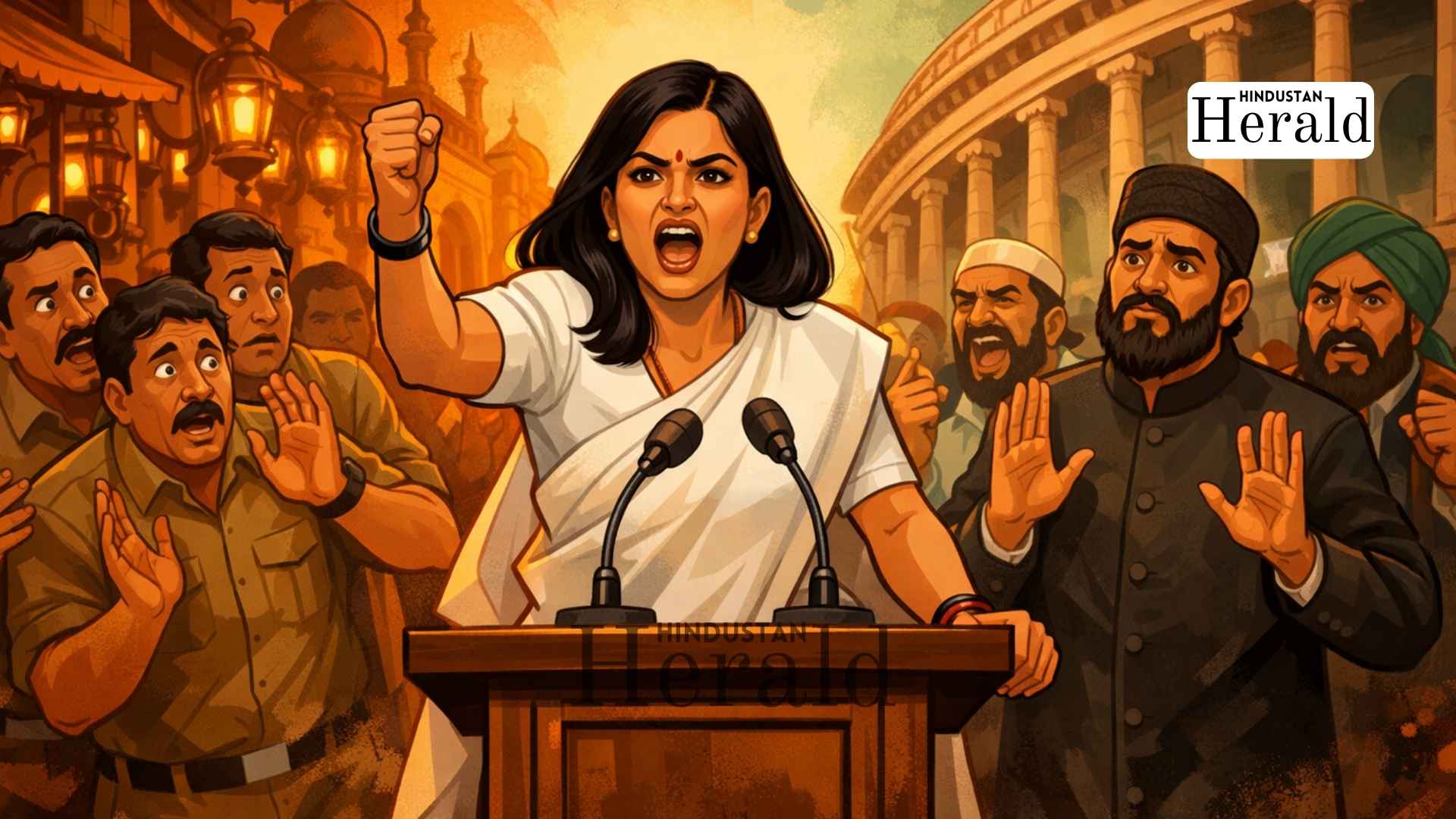
Moradabad, April 8: By now, most political reporters covering Western Uttar Pradesh have learned to keep one eye on whatever Ruchi Veera is saying at any given moment. Moradabad’s Samajwadi Party MP has, in the roughly two years since her landmark election win in 2024, built a reputation for saying the things that others in her party carefully avoid and for saying it loudly, on the record, and usually before her own party machinery has had time to prepare for the fallout.
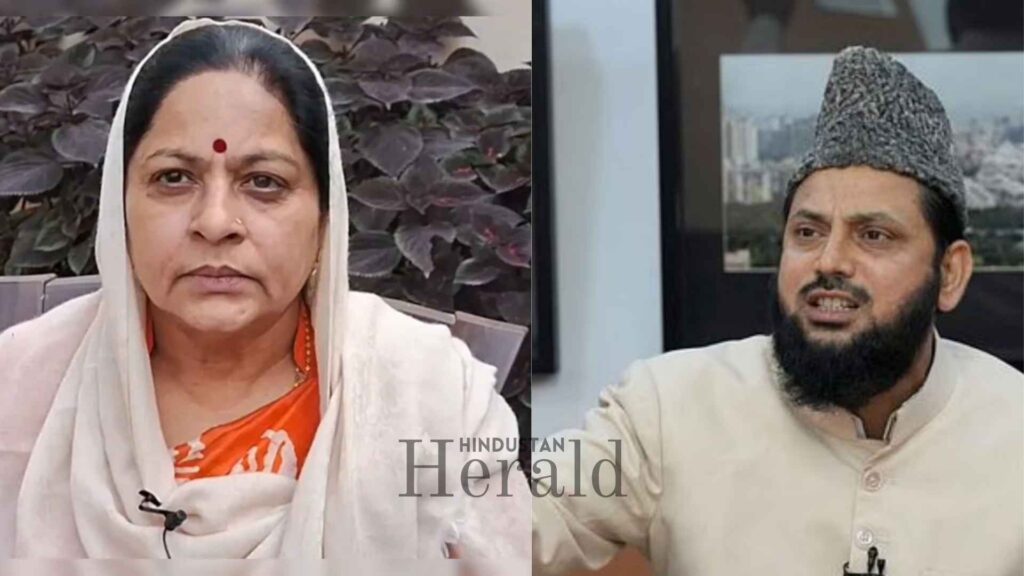
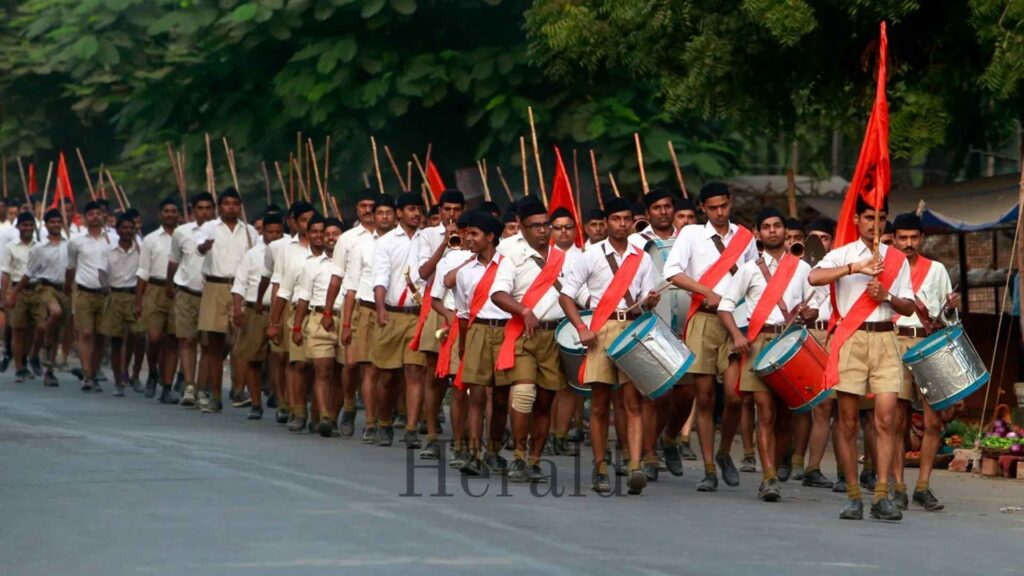
This week brought two separate instances of that pattern playing out simultaneously. The first of her public broadsides against SP colleague Maulana Mohibullah Nadvi over an AIIMS hospital claim has been covered across the Hindi press. The second is a remark reportedly made at a gathering in Moradabad, in which Veera is said to have described the Rashtriya Swayamsevak Sangh (RSS) as “a cancer for the country”, triggering a sharp political reaction in the city.
The second statement has been circulating on social media and in local political circles as of Wednesday, according to sources. As of the time of publication, it had not been independently confirmed by a mainstream news outlet or official statement. Still, it is consistent with a pattern of political rhetoric that defines who Veera is and how she functions as a public representative.
The Remark That Set Moradabad Talking
Reportedly made at a local workers’ meeting in Moradabad, Veera is said to have called the RSS “a cancer for the country” a phrase that, in India’s current political climate, carries significant weight. If confirmed, it would rank among her most direct attacks on the BJP’s ideological parent organisation to date.
The BJP’s local and state units were reportedly incensed. Party workers in Moradabad are said to have reacted sharply, with some calling for a formal complaint. The RSS and BJP machinery in Western UP have historically treated such comparisons invoking disease metaphors about the Sangh as something that must be publicly countered with maximum political aggression.
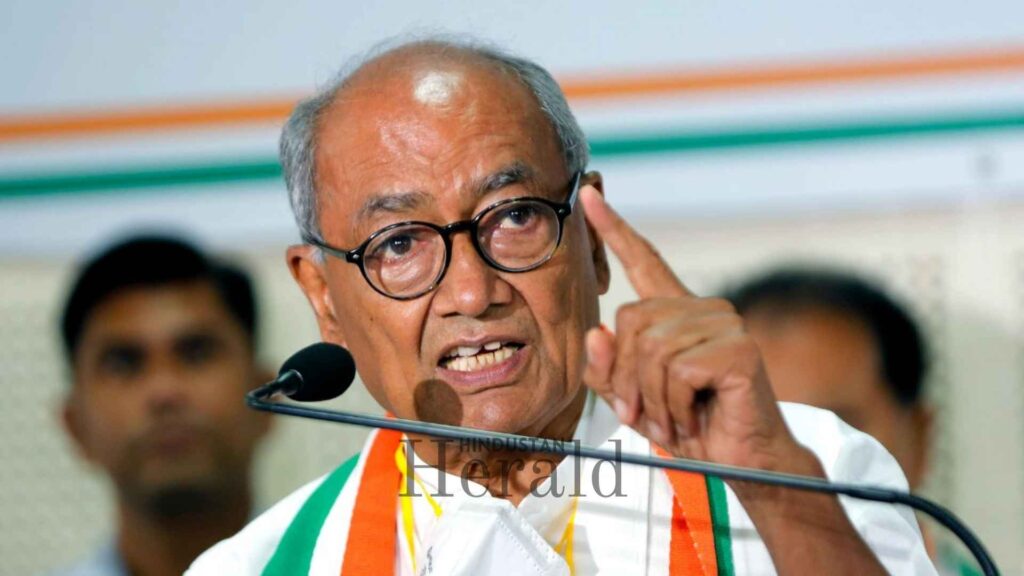
For context, comparisons of the RSS to a cancer are not new in Indian opposition rhetoric. Congress leader Digvijaya Singh has used similar language in the past. But coming from a sitting MP in a city with a 45 per cent Muslim population and a history of communal sensitivity, such a remark if made would be particularly combustible. Veera’s office had not issued a clarification or denial at the time this report was filed.
A Political Personality Built on Bluntness
What gives the reported remark its credibility as consistent with Veera’s style is her track record.
After the August 2024 Independence Day, when UP Police officers who carried out the encounter killing of gangster Atiq Ahmed’s son Asad were awarded gallantry medals, Veera was one of the loudest voices in opposition. As reported by Patrika News, she called the awards “shameful for democracy” and attacked the Yogi Adityanath government directly, accusing it of running the state through bulldozers rather than the rule of law.
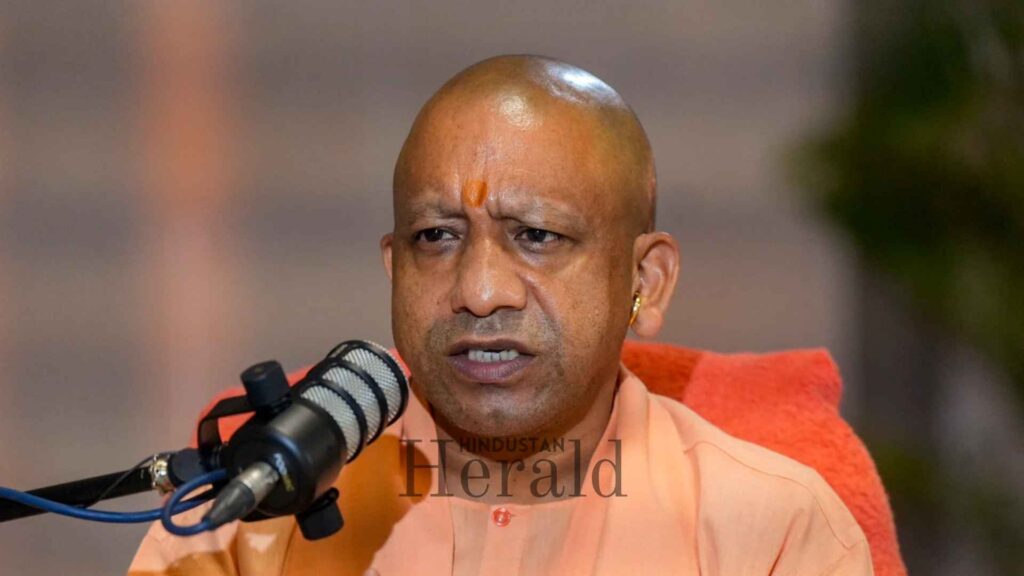
When the Sambhal violence broke out in late 2024, she demanded that the state government pay Rs 1 crore each to the families of victims a demand she made directly and publicly, with no diplomatic hedging.
During the 2024 election campaign, a video of Veera in a confrontation with a City Magistrate outside Jama Masjid in Moradabad on Good Friday. The official had tried to stop her from meeting with voters, citing the Model Code of Conduct. Veera did not back down. She also confronted local police officers and told them on camera not to act as “BJP’s agents” a phrase that circulated widely across social media at the time.
This is someone who, as reported by ANI after her win, immediately flagged the dilapidated state of Moradabad’s roads, the absence of a flyover, the broken railway crossings, and the lack of medical facilities on the very day she was being congratulated for a historic election victory. She did not celebrate first and legislate later.
From Bijnor MLA to Moradabad’s First Woman MP
The arc of Ruchi Veera’s political career is, if nothing else, a demonstration of survival.
Born on September 2, 1961, in Hasanpur in Jyotiba Phule Nagar district, she comes from the Vaishya community and holds a Bachelor of Arts degree from Mahatma Jyotiba Phule Rohilkhand University. She served as Zila Panchayat Adhyaksh between 2005 and 2007, the kind of unglamorous, ground-level position that builds real political networks. Her MLA win from Bijnor Sadar in a 2014 by-election gave her a state assembly profile that she built steadily over the following years.
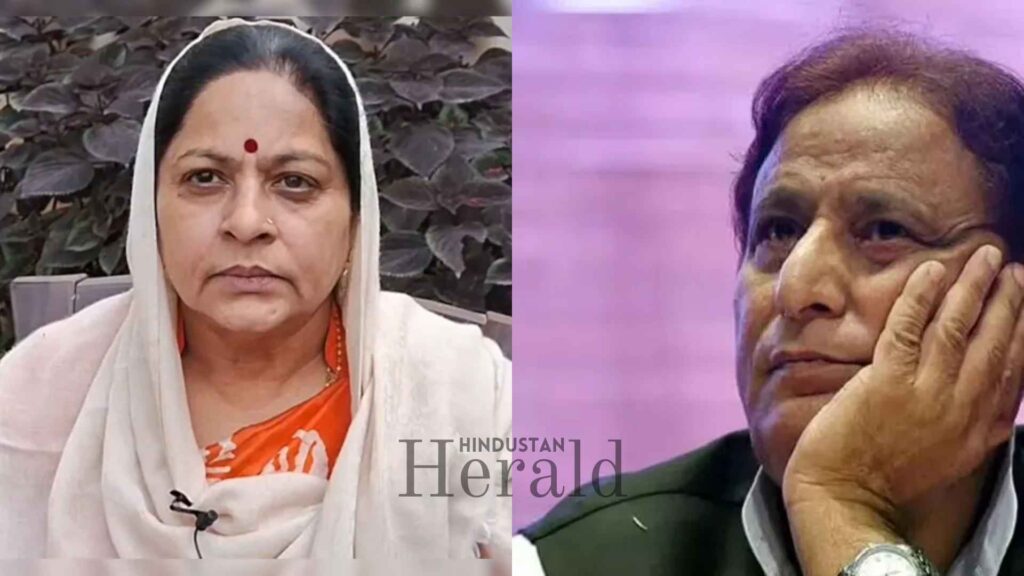
She lost Bijnor in 2017 as the BJP swept Western UP. After that, she joined the BSP, contested the 2022 UP Assembly elections from Bijnor, lost again, and was then expelled from the BSP in 2023. It was then that she made her return to the SP, reportedly on the direct intervention of Azam Khan, with whom she has long been politically aligned and whose backing she has acknowledged openly.
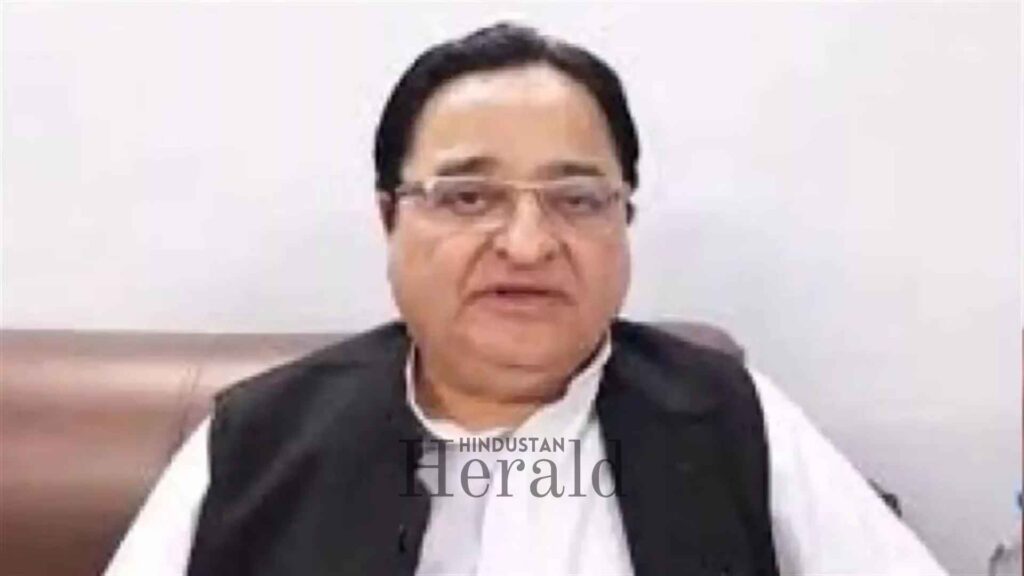
The 2024 Lok Sabha nomination was one of the most dramatic in UP. SP had initially renominated sitting MP Dr. S.T. Hasan. Then Veera filed her own papers claiming Akhilesh Yadav’s backing. The party was in public chaos for 24 hours two SP candidates, two claims to the same party symbol. Hasan eventually withdrew. As reported by the Indian Express at the time, when asked about getting the ticket through Azam Khan’s influence, Veera said: “I don’t know anything about the discussion between Akhilesh ji and Azam sahab. All I know is that even Hasan ji got the ticket on Azam Khan’s insistence.”
It was the kind of answer that manages to deflect and land a punch at the same time.
Her election night result confirmed that, whatever the intra-party noise had been, the voters of Moradabad had made up their minds. She won by over 1.05 lakh votes, defeating BJP’s Kunwar Sarvesh Singh, and became the constituency’s first-ever woman Member of Parliament.
This Week’s AIIMS Battle The Other Headline
Running parallel to the RSS remark controversy is the fully verified dispute over the AIIMS hospital bid and in many ways, this one is more politically revealing about how Veera operates within the SP.
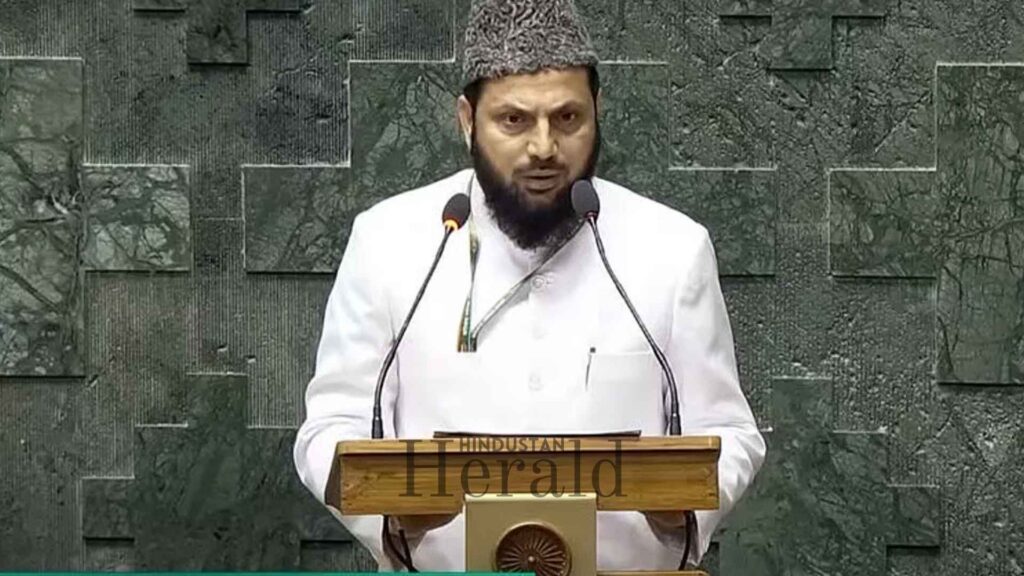
Rampur MP Maulana Mohibullah Nadvi told Parliament that Veera had consented to backing Rampur’s bid for the institution. Veera found out through the newspapers. Her response was a Facebook post and an official letter, both unambiguous. “This statement is completely false. No discussion was held with me on this subject, and I have given no consent whatsoever,” she said, calling it “ochhi rajneeti” and making clear she would not accept her name being used against the interests of Moradabad at any cost.
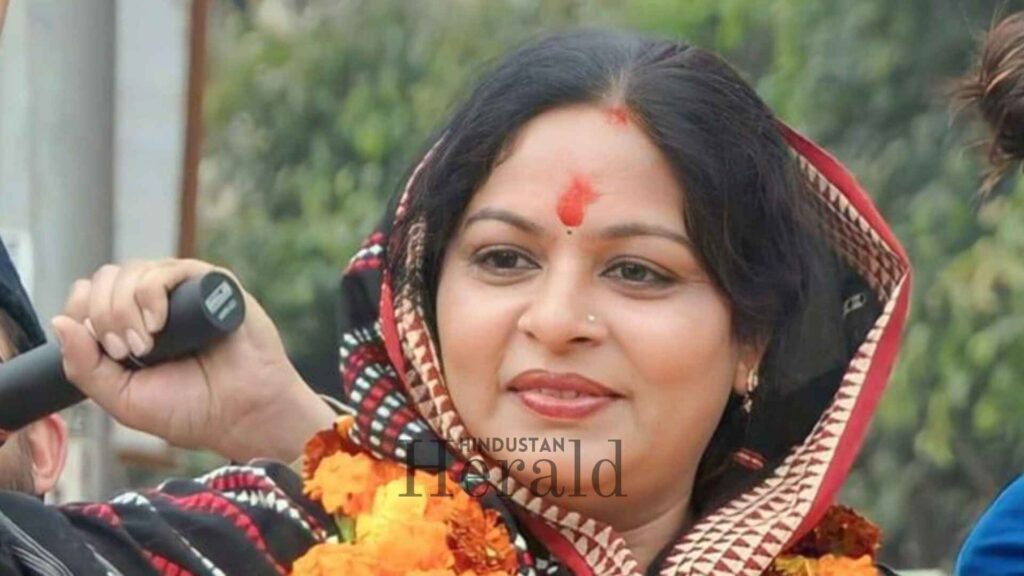
Veera has been demanding AIIMS for Moradabad for over a year, raising the matter in Parliament multiple times, arguing that Moradabad is the region’s largest and most important centre and urgently needs better health facilities. To have her name used in support of a rival city’s claim was, in her framing, not just inconvenient it was a direct assault on her mandate.
That said, the AIIMS dispute is also a window into the SP’s broader credit war problem in Western UP. Every development promise, every parliamentary demand, every infrastructure bid has become a territorial claim among the party’s own legislators. When territory overlaps, the disputes go public fast.
What Her Combativeness Means for UP’s Political Landscape
Politicians like Veera are often described, with a mixture of admiration and anxiety by their own party managers as difficult to control. She generates headlines that haven’t been pre-approved. She says things that her party’s communications team finds out about at the same time as everyone else.
For the BJP and RSS, any confirmed remark comparing the Sangh to a cancer is something they will respond to aggressively. They have the infrastructure to turn such a statement into a statewide mobilisation, and in Moradabad, with its complex communal history and politically active RSS presence, the potential for street-level friction is real.
For the Samajwadi Party, the calculation is more nuanced. Veera’s bluntness plays well with a significant section of the SP’s voter base in Western UP. The party’s support among Muslims, OBCs, and marginalised communities in this belt has always been energised by the sense that the SP will directly confront the BJP and the Sangh’s ideological agenda. A sitting MP who names that confrontation publicly, even if it creates noise, signals something important to that base.
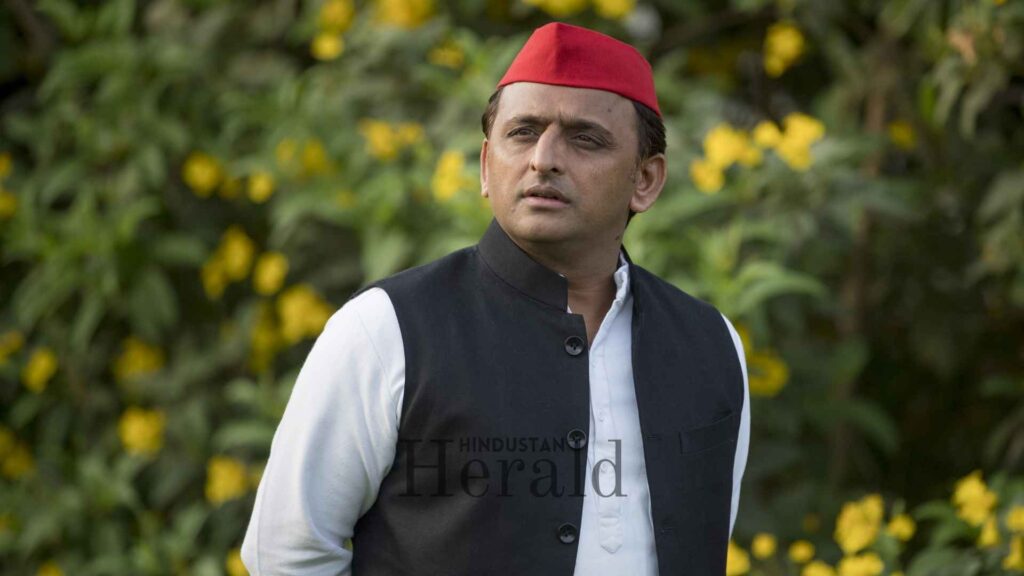
The question Akhilesh Yadav’s managers will be asking is whether saying these things now, two years before the 2027 UP Assembly elections, helps or hurts the SP’s broader positioning. Western UP’s political temperature in 2026 is already running high. Every statement from this belt carries consequences that extend well beyond the city it is made in.
For now, Veera is doing what she has always done. She is in the room, she is on the record, and she is not whispering.
Stay ahead with Hindustan Herald — bringing you trusted news, sharp analysis, and stories that matter across Politics, Business, Technology, Sports, Entertainment, Lifestyle, and more.
Connect with us on Facebook, Instagram, X (Twitter), LinkedIn, YouTube, and join our Telegram community @hindustanherald for real-time updates.

Covers Indian politics, governance, and policy developments with over a decade of experience in political reporting.
- Ananya Sharma

- Ananya Sharma
- Ananya Sharma
- Ananya Sharma

 Ayesha Khan