
 By Ananya Sharma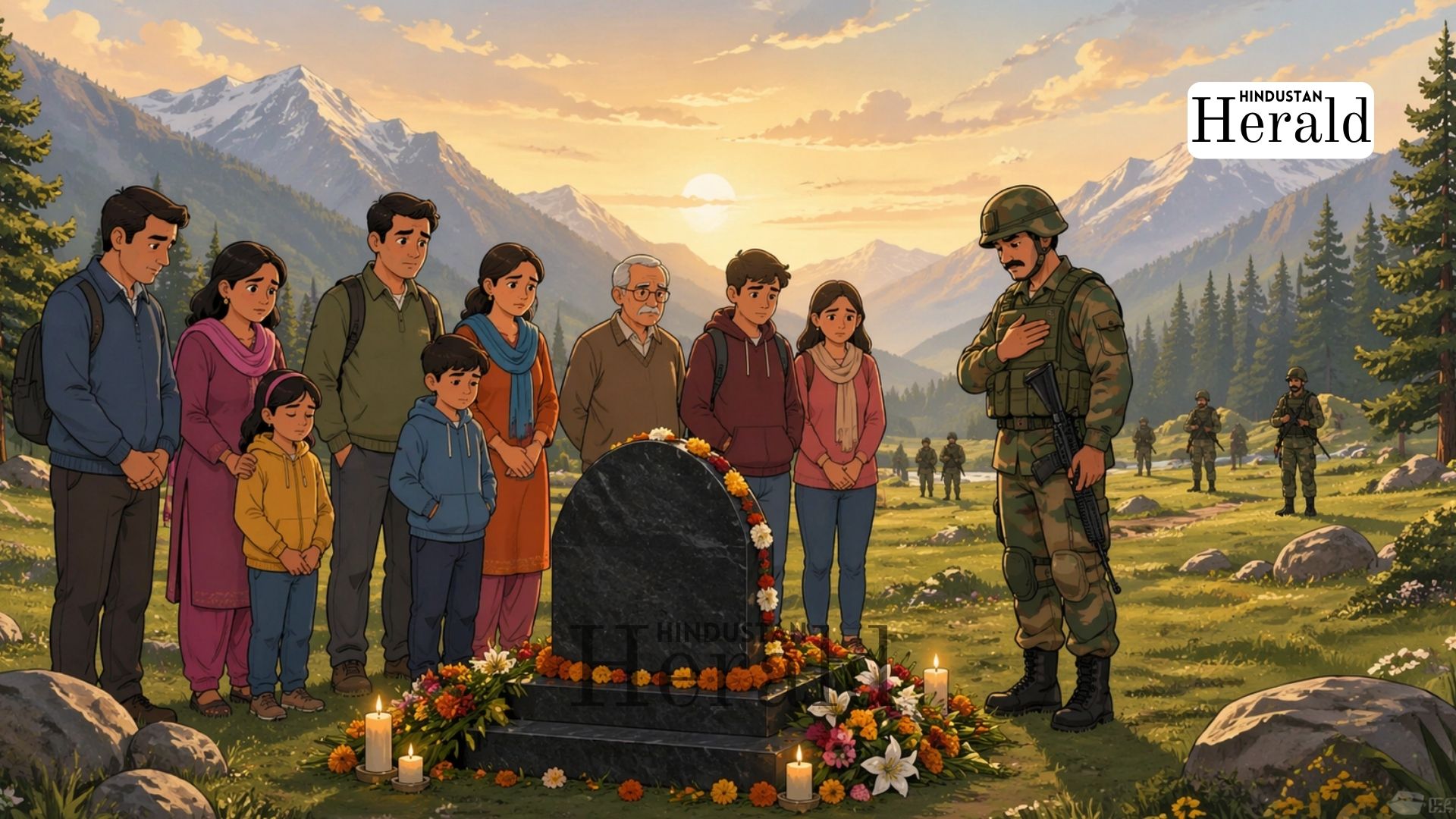
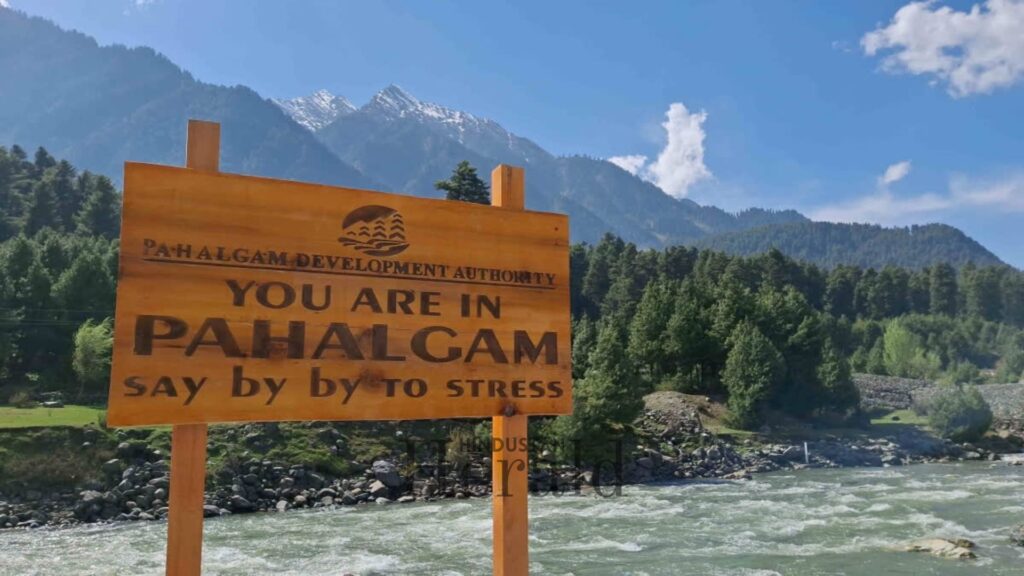
New Delhi, April 22: Some places stay with you. Not because of anything grand, but because of how ordinary they feel. How safe.
Baisaran Valley was that kind of place. A wide open meadow sitting about seven kilometres outside Pahalgam, ringed by pine trees, cold air coming off the hills, the kind of green underfoot that you only really see in the mountains. Families went there. Couples on their first big trip together. Office groups doing the whole Kashmir itinerary. People who had saved up for months just to stand in a place that looked like it belonged in a postcard.
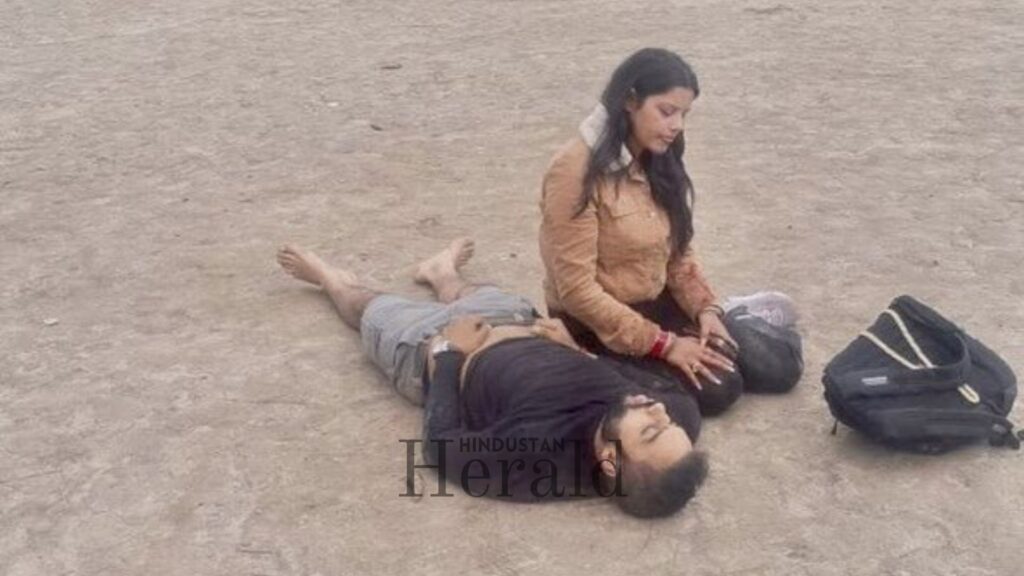
On April 22, 2025, armed men walked out of the trees surrounding that meadow and started shooting.
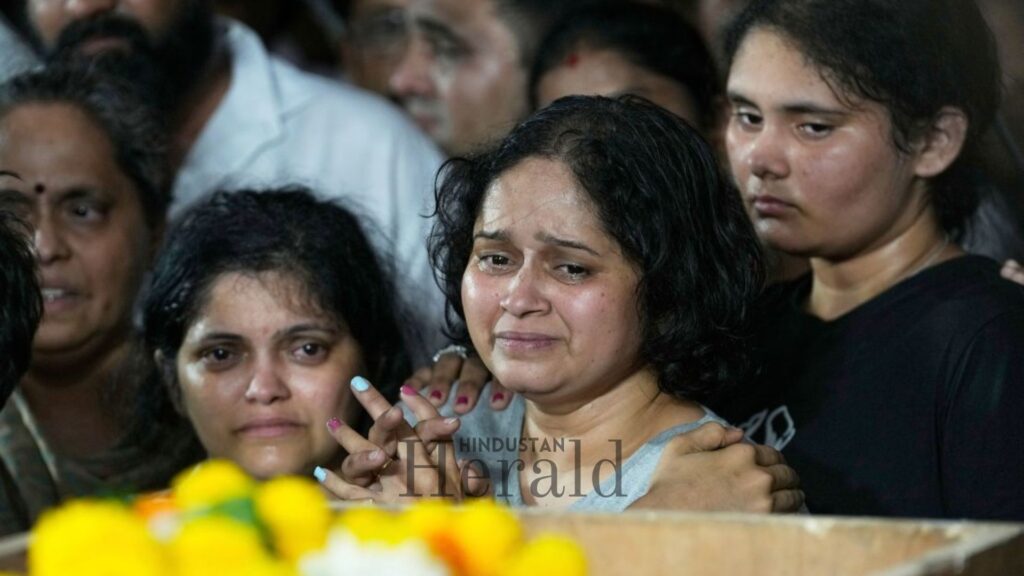
Twenty-six people never came home.
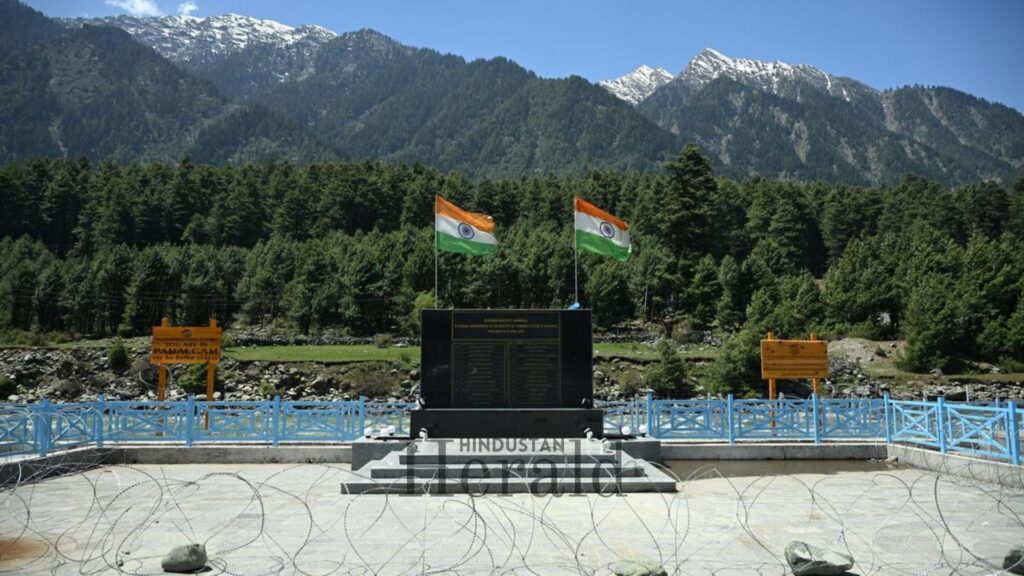
Today marks one year since that afternoon. And across India, from the marble memorial on the Lidder riverbank in Pahalgam to the offices of the Prime Minister in New Delhi, the country is pausing to remember what happened, who was lost, and what followed.
What followed, it must be said, was unlike anything India had done before.
The Afternoon Everything Changed
It was early afternoon, somewhere between one and three o’clock, when the shooting started.
The meadow was busy. It usually is on a warm April day. Tourists had come up on ponies or walked in on foot, the way you do in Baisaran since no road reaches it. Some were taking pictures. Some were just sitting. The valley has that effect on people. You arrive and you slow down a little.
Between two and seven militants came in through the forest. They were carrying serious weapons, M4 carbines and AK-47s, not the kind of arms someone stumbles into. This was planned. The investigators who later combed through the site had no doubt about that.
What happened next is difficult to write plainly. Eyewitnesses, as per accounts gathered by the J&K Police and NIA in the days that followed, said the attackers were asking people their religion before shooting them. Most of the dead were Hindu tourists. But a Christian tourist was also killed. So was Adil Shah, a local Muslim man who worked the pony routes in that valley every single day of the season. He had nothing to do with any of it. He was just there, doing his job, the same way he had done it a hundred times before.
Twenty-five tourists. One local man. More than twenty others wounded and left in the grass.
By the time the guns went quiet and people started running, screaming, calling whoever they could reach on their phones, the Baisaran meadow had become the site of the worst attack on Indian civilians in seventeen years. The last time something of this scale had happened was Mumbai, November 2008.
Who Did This and Why
A group called The Resistance Front, TRF, said it was responsible. They said it twice, once the same evening and once the morning after, as if they wanted to be sure people heard them.
TRF is not some independent organisation. It works as a front for Lashkar-e-Taiba, the Pakistan-based terror group that the United Nations has long designated as a terrorist outfit. Their stated reason for the attack was opposition to outsiders settling in Kashmir after Article 370 was removed in 2019.
Four men were identified as the attackers within a day, based on sketches drawn from what witnesses described. Two of them, Ali Bhai alias Talha and Asif Fauji, came from Pakistan. Two others, Adil Hussain Thoker from Anantnag and a man called Ahsan from Pulwama, were local. All four had fingerprints on earlier militant activity in the Poonch area.
There was a fifth name that kept coming up in the investigation. Hashim Moosa. A former commando from Pakistan’s Special Service Group who had crossed the border into India in 2023 and had since been connected to at least six attacks across the valley. Investigators badly wanted him alive, because he was the kind of person whose testimony could put real names and positions to the orders that were given.
The man believed to have planned the attack from a distance was Sajad Ahmad Sheikh, who goes by Sajad Gul. He runs TRF and lives in Pakistan. The NIA had already named him a terrorist back in 2022. His properties in Kashmir were seized after Pahalgam.
Indian investigators later said the digital trails in the case led to safe houses in Muzaffarabad and Karachi. Intelligence intercepts, forensic material from the site, all of it pointed toward Pakistan. Pakistan denied having anything to do with it. They almost always do. But three days after the massacre, Pakistan’s own Defence Minister Khwaja Asif sat across from a Sky News interviewer and acknowledged that yes, his country had a history of supporting, training, and funding terror outfits. He said it on camera. The world heard it.
A Country That Did Not Look Away
The government did not wait around.
In the days immediately after the attack, more than 2,800 people were detained or brought in for questioning across Jammu and Kashmir. Former militants, people known to have acted as helpers for terror networks, anyone intelligence flagged as a possible link in the chain. Houses belonging to at least ten suspected militants were knocked down. The NIA took formal charge of the case on April 27. A bounty of twenty lakh rupees was announced for anyone who could provide information leading to any of the named attackers.
And then, two weeks later, India did something it had never quite done before.
Operation Sindoor
On the night of May 6 going into May 7, Indian forces launched Operation Sindoor.

Nine terror camps inside Pakistan and Pakistan-Occupied Kashmir were struck with precision. Sites in Bahawalpur and Muridke, places that have long functioned as training and planning hubs for Lashkar-e-Taiba and Jaish-e-Mohammed, were hit. According to government statements and reporting by ANI, more than a hundred terrorists were killed in those strikes. Trainers. Handlers. The people who plan attacks from a safe distance and let others do the dying.
Pakistan struck back. Drones and missiles came toward Indian towns and religious sites over three nights. India’s defences held. Indian forces then hit radar installations in Lahore and near Gujranwala. The Navy had already moved a carrier group into the northern Arabian Sea, quietly boxing in Pakistan’s naval forces.
Four days in, Pakistan blinked. Their military called ours. A ceasefire was worked out on May 10.
Four days. India had done more in those four days than in the years of careful restraint that followed every previous attack. Army Chief General Upendra Dwivedi called it the best example of all three armed forces working together under clear political direction. The Air Force called it a defining moment. Defence Minister Rajnath Singh has said more than once since then that Operation Sindoor is, in a strategic sense, not over.
Prime Minister Modi put it plainly after the operation. From now on, if a terror attack hits India, the country that supports those terrorists will be held responsible. Not the group alone. The country behind the group.
That was new. And it was said after it had already been demonstrated, not before.
Finding the Men Who Pulled the Triggers
Destroying camps and infrastructure was one thing. The men who had actually walked into Baisaran Valley and shot twenty-six people were still somewhere in the forests of South Kashmir.
Operation Mahadev was launched to find them.
It was a long hunt. Ninety-three days. The Army, intelligence agencies, J&K Police, and central paramilitary forces all working together, tracking movements across more than three hundred kilometres of difficult mountain terrain. Intelligence inputs in July 2025 started narrowing things down. Areas like Lidwas, Harwan, and Dachhigam were systematically covered.
On July 28, PARA Special Forces soldiers walked nearly three kilometres through rough ground in the dark, ten hours on foot, and closed in on the men they were looking for. All three terrorists connected to the Pahalgam attack were killed. Documents and explosives found on them confirmed they were Pakistani infiltrators.
Ninety-three days after they killed twenty-six people in a tourist meadow, they were gone.
The Wider Fallout
The Indus Waters Treaty has been around since 1960. It survived three wars between India and Pakistan, the Kargil standoff, decades of diplomatic deep freezes. After Pahalgam, India put it on hold. All trade between the two countries stopped. Airspace closed. Visas cancelled.
Pakistan threatened that touching their water supply could be treated as an act of war. India held its position. The treaty remains suspended today, and analysts are watching what that means for Pakistan’s farming sector as summer approaches.
On the world stage, the response to Pahalgam was unusually clear. The UN condemned the attack without hedging. France, the UK, Russia, Israel, Japan, Saudi Arabia, Sri Lanka, and the Netherlands all publicly backed India. French President Emmanuel Macron said France would keep fighting terrorism wherever needed. Sri Lanka’s President called Modi directly. The solidarity was real, and it was visible.
As for Pakistan, it has not fared well in the past year. Economically strained, diplomatically isolated on this issue, and now confronting the reality that India’s response to the next attack will not look like the response to the last one.
What Pahalgam Looks Like Now
You can visit Baisaran again.
The meadow is open. Tourists are coming back, choosing, as The Tribune reported, not to let fear decide for them. That matters. That is not a small thing.
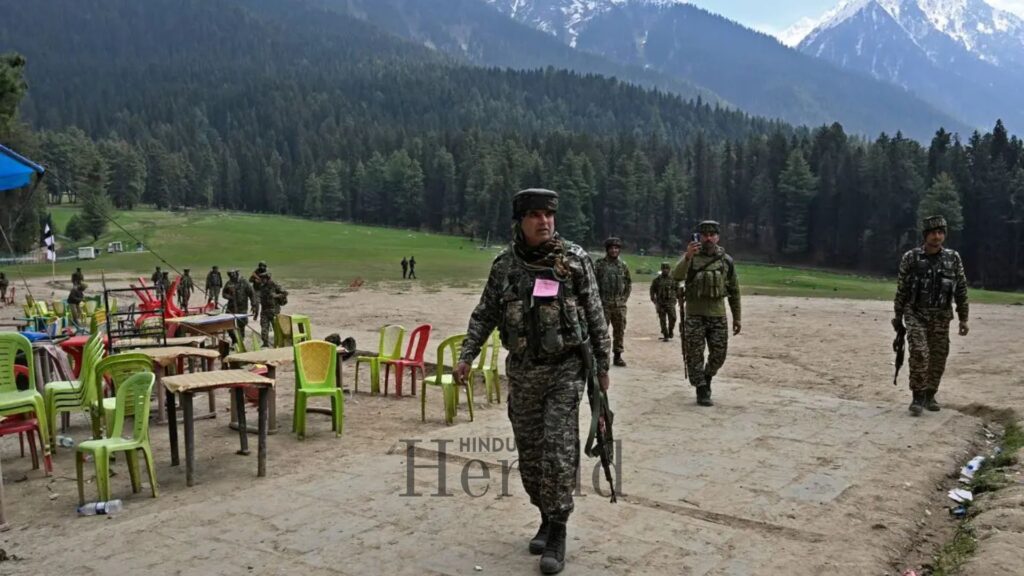
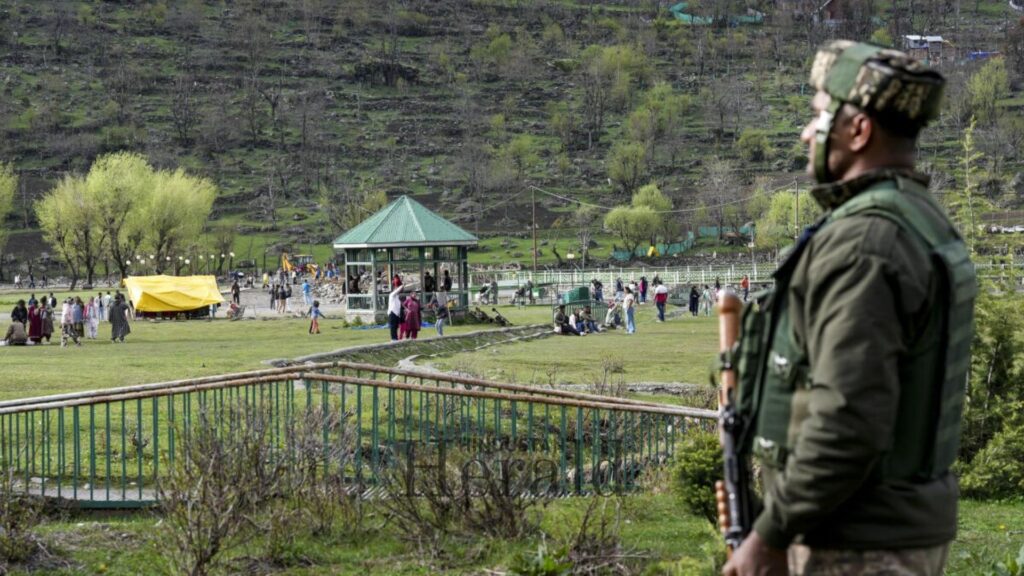
But the place is different now. Every ponywallah working the Pahalgam routes wears a QR-coded identification tag. Every vendor, every service provider operating in the tourist zone has been verified before being allowed back. Fifty tourist spots in the Kashmir valley were shut down for security reviews after the attack. Some have reopened. Others are still being assessed.
Security across the valley has been ramped up specifically for today’s anniversary. J&K Police, CRPF, BSF, and other forces are deployed through the tourist zones with instructions to stay sharp. Senior officers have been conducting review meetings at the ground level for the past week.
On the banks of the Lidder river, the black marble memorial stands where it was built. All twenty-six names are carved into it. Adil Shah’s name is there too, right alongside the tourists he used to take through those paths.
One Year Later
Prime Minister Modi wrote this morning, on the anniversary: “Remembering the innocent lives lost in the brutal Pahalgam terror attack on this day last year. They will never be forgotten. My thoughts are with the bereaved families as they continue to endure this loss.”
He added that India will never bow to terrorism. That the will of the nation is firm.
The Indian Army’s message today was four words shorter. “For acts against India, the response is assured. Justice will be served. Always.”
Both statements are true. Both were earned.
But anniversaries have a way of cutting through the official language. Because for the families of the twenty-six people who went to a meadow in Kashmir last April and never came back, today is not about doctrine or deterrence or military capability. It is about a chair that sits empty. A phone that stopped ringing. A trip someone described in excited messages the morning before it all went wrong.
India has changed how it responds to terror. That is real. That is documented and demonstrated. Whether it is enough to make sure another meadow, another valley, another ordinary tourist spot never becomes a killing ground again, that question does not get answered on anniversaries. It gets answered, slowly, by everything that happens between them.
The names are in the stone. The meadow is slowly healing.
And the country, for all its grief and all its anger and all its hard-won resolve, is watching the forests again.
Stay ahead with Hindustan Herald — bringing you trusted news, sharp analysis, and stories that matter across Politics, Business, Technology, Sports, Entertainment, Lifestyle, and more.
Connect with us on Facebook, Instagram, X (Twitter), LinkedIn, YouTube, and join our Telegram community @hindustanherald for real-time updates.

Covers Indian politics, governance, and policy developments with over a decade of experience in political reporting.
- Ananya Sharma

- Ananya Sharma
- Ananya Sharma
- Ananya Sharma