
 By Sandeep Verma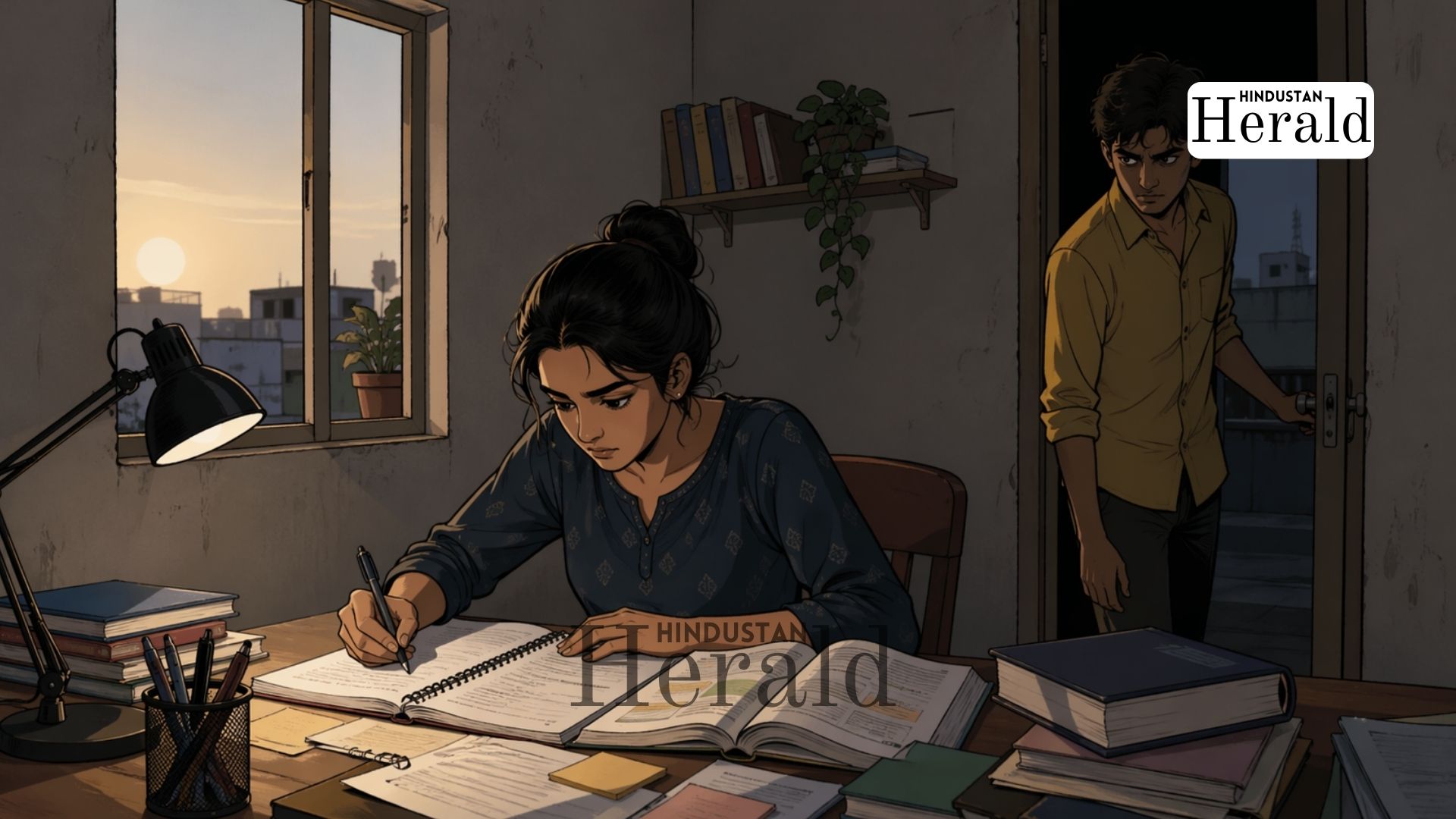
New Delhi, April 23: In Kailash Hills, she had moved her study room to the terrace. It was her own decision, made about two years ago, when she got serious about cracking the UPSC. Her parents agreed. They understood what that kind of preparation demands the quiet, the separation from household noise, the ability to sit with your books for hours without someone walking in. So they gave her the top floor. She filled it with notes and schedules and everything a 22-year-old IIT Delhi graduate brings to the most important examination of her life.
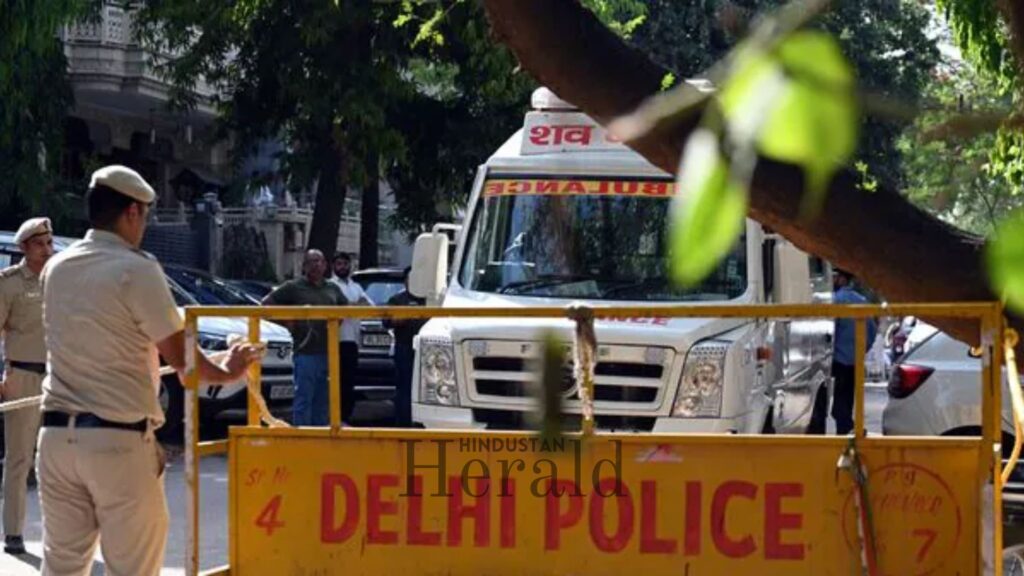
Her parents left for the gym on Wednesday morning. Routine. Normal. The kind of morning that thousands of Delhi families have without thinking about it.
By the time they came back, their daughter was unconscious on that terrace floor. She was rushed to the hospital and declared dead on arrival.
The man who killed her had worked in that same home.
A Lie at the Door
Rahul Meena is 19 years old. He had worked as domestic help in the family’s residence in Kailash Hills, southeast Delhi, for roughly eight months before being let go. He knew the layout of the house. He knew the family’s morning routine. He knew about the spare set of keys kept for household staff. And on Wednesday morning, according to investigators, he walked back in using exactly that key the family never thought to reclaim.
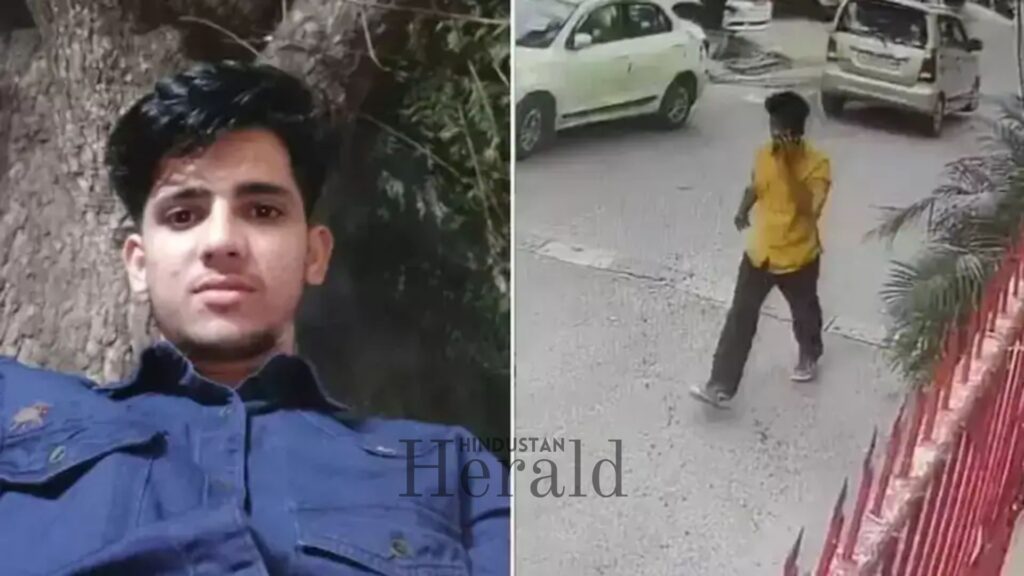
He didn’t just walk in, though. He told whoever was at the entrance that “aunty ne bulaya tha”, that the lady of the house had asked him to come over for some money. A simple lie, told confidently, by someone who had calculated that it would work. It did.
CCTV footage from the residential complex tells the rest in cold timestamps. He entered the complex at 6:30 AM. He was inside the house by 6:39 AM. He left at 7:20 AM. Forty-one minutes. In that time, according to police, he went up to the young woman’s terrace room, demanded money, and when she refused, attacked her.
What followed was savage. Investigators say he first attempted to strangle her. When she lost consciousness, she was sexually assaulted. He then struck her at least three times with a heavy object. Blood was found in multiple areas of the house. At some point during all of this, he dragged her hand across to try to use her fingerprint to unlock a digital lock. That failed. He used a screwdriver to break it open instead. He walked out with Rs 2.5 lakh in cash.
He Showed No Remorse
After leaving the building, Rahul Meena switched off his phone and put it back in his pocket. Then, reportedly, he pretended to be on a call as he walked away, a deliberate performance, sources say, aimed at not looking suspicious to anyone who might be watching. He headed toward Palam railway station.
In the days before the crime, he had already sold three mobile phones, including his own and those of family members, to cut his digital trail. After the murder, he used part of the stolen cash on online betting. He was eventually picked up from an OYO hotel in Dwarka, where Delhi Police, which had deployed 15 teams across Delhi and Rajasthan, tracked him down.
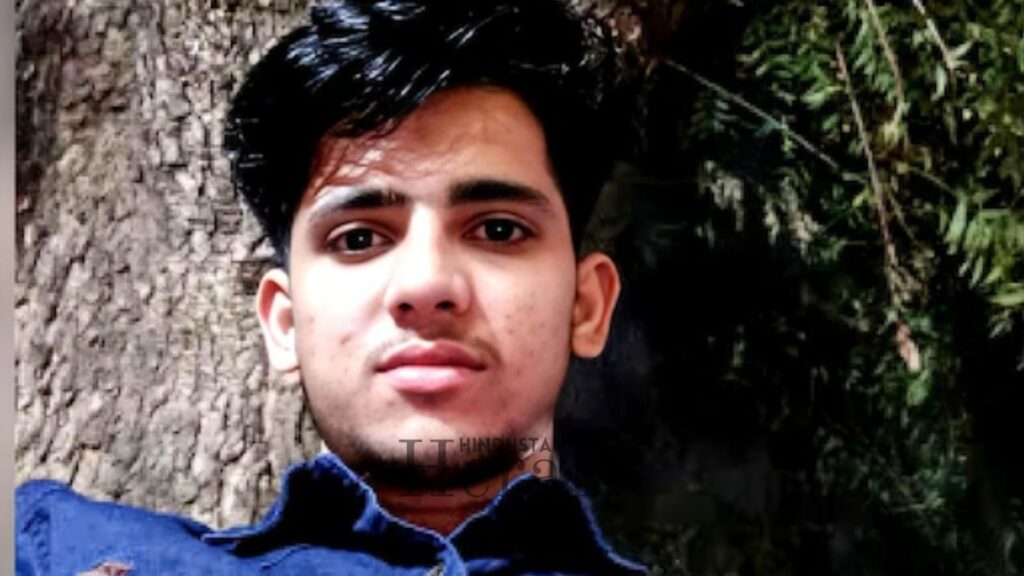
In interrogation, he was calm. Composed, even. He told investigators he had only gone to the house for money. That’s what happened “Just happened.” And then, according to sources, he said something that has since spread across the country and landed like a punch: “Had Didi given the money, she’d be alive.”
No remorse. No breaking down. Just a rationalisation, delivered flatly, as if it made sense.
There are a few details in this case more disturbing than that.
Who She Was
The officers who entered the terrace room to document the crime scene later described it almost reverently, according to sources. Books everywhere. Notes. Study schedules mapped out with the kind of detail that only someone deeply committed to a goal would bother with. She was preparing for her first attempt at the UPSC civil services examination, the exam that filters through hundreds of thousands of applicants to find the people who will run this country’s bureaucracy. She had already cleared IIT Delhi, one of the most difficult engineering entrances in the world, in a cohort where women remain significantly underrepresented.
She had chosen to isolate herself on that terrace not out of eccentricity but out of discipline. She wanted to study without interruption. Her family built that space around her ambition.
That room, built for focus, is also why no one heard what happened.
The Alwar Connection
One detail investigators have flagged makes this considerably darker. According to Joint CP Vijay Kumar, who addressed reporters after the arrest, Rahul Meena may have committed a similar crime in Alwar, Rajasthan, just a day before the Kailash Hills murder. A rape case had been registered there. Police are examining whether there is a pattern here, whether this was the act of someone who had already crossed a line once and then crossed it again, worse, the very next morning.
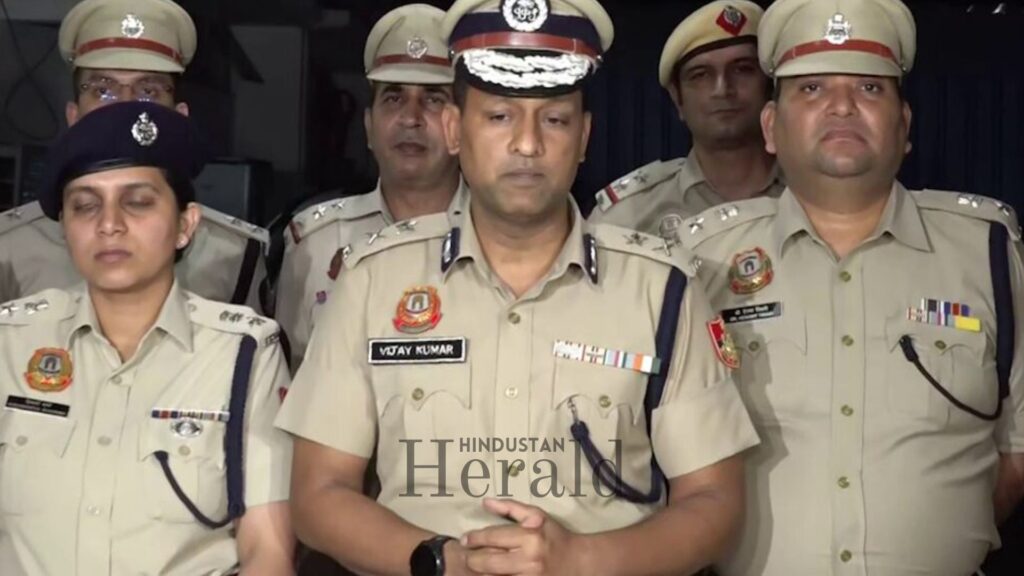
Charges of rape, murder, and robbery have been invoked in the Delhi case. The Saket Court on Thursday remanded him to four days of police custody. Investigators are working to reconstruct the 48 hours before the crime and pursue the Rajasthan angle.
The Spare Key Problem
Every time something like this happens in Delhi, the same conversation surfaces. Background verification of domestic workers. The absence of any formal, mandated system for checking who you are letting into your home. The reliance on informal references, someone’s cousin knew him, a neighbour used him before, he seemed fine. The family had employed Rahul Meena through exactly that kind of channel, according to police. He came recommended. He worked for eight months. He was let go. And the spare key stayed where it was.
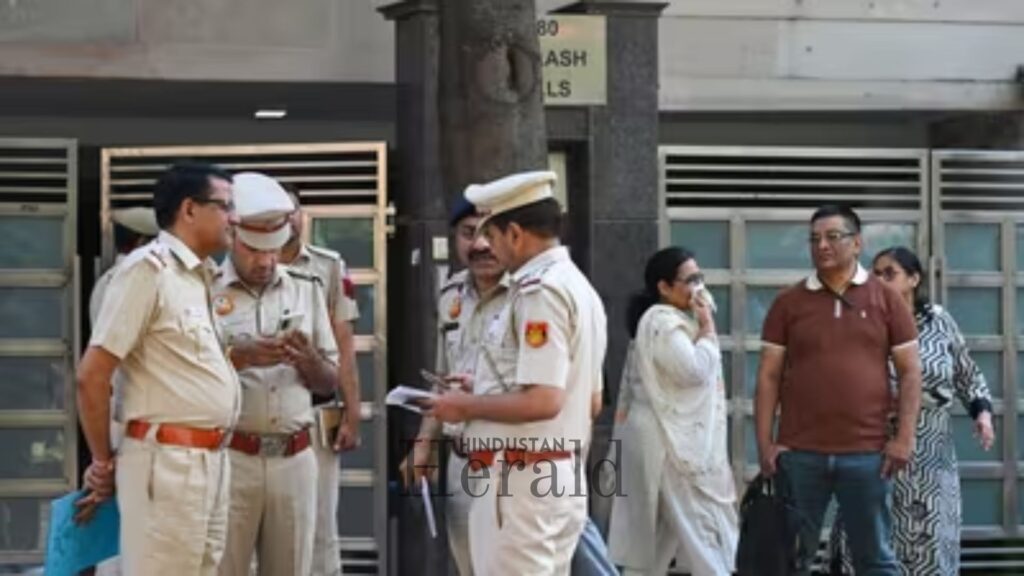
In Kailash Hills, residents have been raising safety concerns since the incident broke. That is understandable. It is also, sadly, familiar. These conversations tend to happen locally, loudly, and briefly. They rarely travel up to the people who could actually make domestic worker registration, background checks, or formal onboarding mandatory in urban housing.
There is no central registry. There is no standardised process. There is a system built almost entirely on trust, and that trust, in this case, was catastrophically misplaced.
What We Keep Doing
Delhi is a city with cameras on nearly every residential gate. Digital locks. Watchmen. Intercoms. And still, a 19-year-old who owed someone money, who had a gambling habit and financial problems, police say, walked into a building at half past six in the morning, used a spare key, climbed up to a terrace room, and was gone before 7:30.
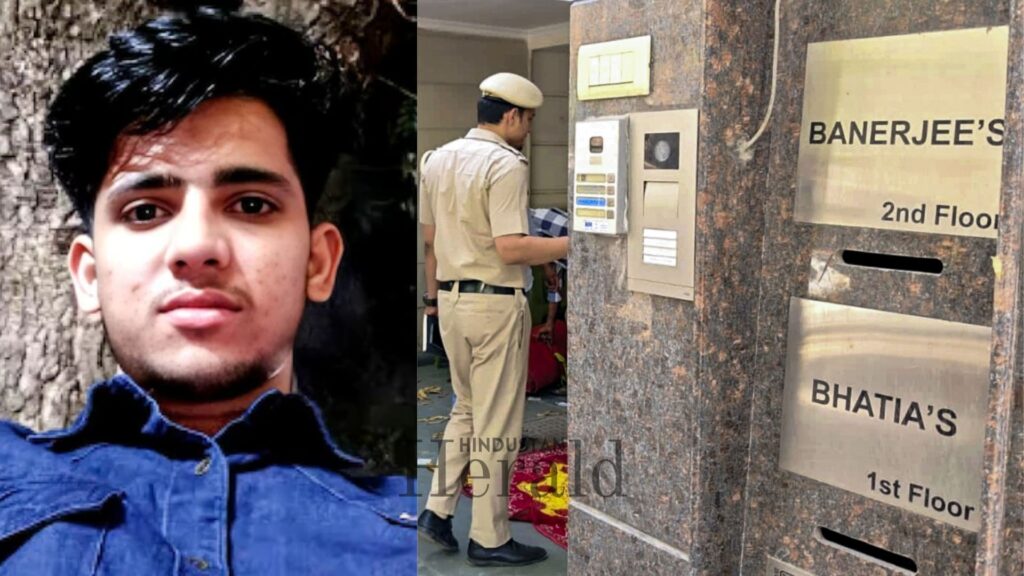
The visible architecture of security is not the same thing as actual safety. That gap, in this city, keeps killing people.
For a few days, the country will be angry about this. There will be demands for fast-track courts, stricter verification norms, and harsher sentencing. Some of those demands are legitimate. Most of them will fade.
The young woman who made her study room on the terrace, who was aiming for civil services, who had spent two years preparing for an exam she never got to take she was 22. Her father found her that morning. Her mother had just been at the gym.
There is nothing to wrap that up with neatly. There isn’t a transition that fits.
Rahul Meena is in custody. The investigation continues. And a family in Kailash Hills is living with something no custody order will touch.
Stay ahead with Hindustan Herald — bringing you trusted news, sharp analysis, and stories that matter across Politics, Business, Technology, Sports, Entertainment, Lifestyle, and more.
Connect with us on Facebook, Instagram, X (Twitter), LinkedIn, YouTube, and join our Telegram community @hindustanherald for real-time updates.

Regional journalist bringing grassroots perspectives and stories from towns and cities across India.
- Sandeep Verma

- Sandeep Verma
- Sandeep Verma
- Sandeep Verma




 Ananya Sharma