
 By Sandeep Verma
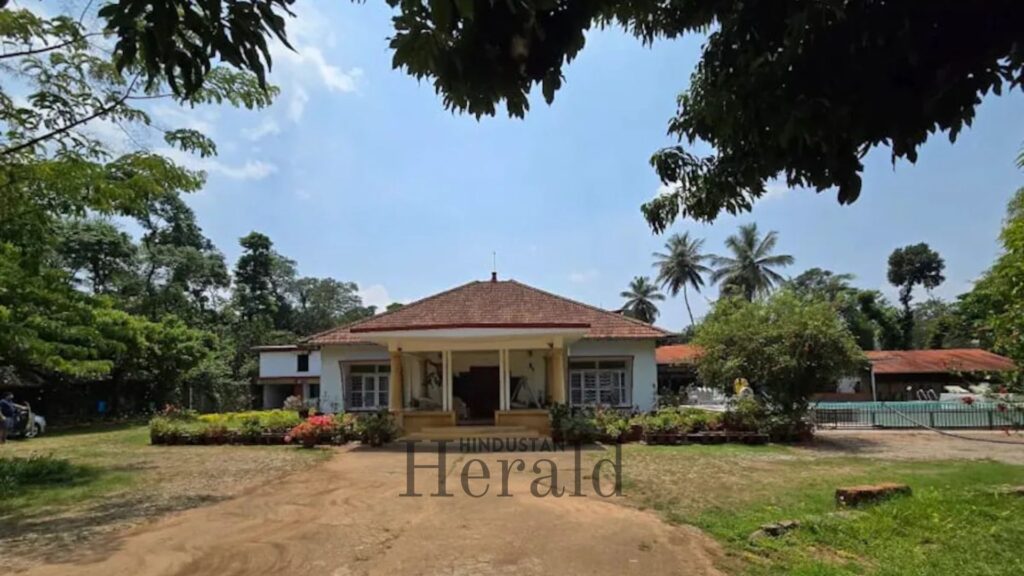
Madikeri, April 22: She had been here before. That is perhaps the detail that stays with you longest in this case, the 35-year-old American woman from Washington who was allegedly drugged and raped at a homestay in Kutta was not some wide-eyed first-timer who stumbled into an unfamiliar place. She had visited the same property in March 2025. She came back because she trusted it.
That trust, according to police, was used against her.
What Happened in Kutta
The woman arrived at the homestay on April 12, settling into tent accommodation on a property near Kutta, a small town that straddles the Karnataka-Kerala border in Kodagu district. By evening, she was in distress. She called the homestay owner, Vishal Ponnappa, and told him she wasn’t feeling well. She said she suspected something had been put in her food. She also told him she believed she had been sexually assaulted while she was in the tent.
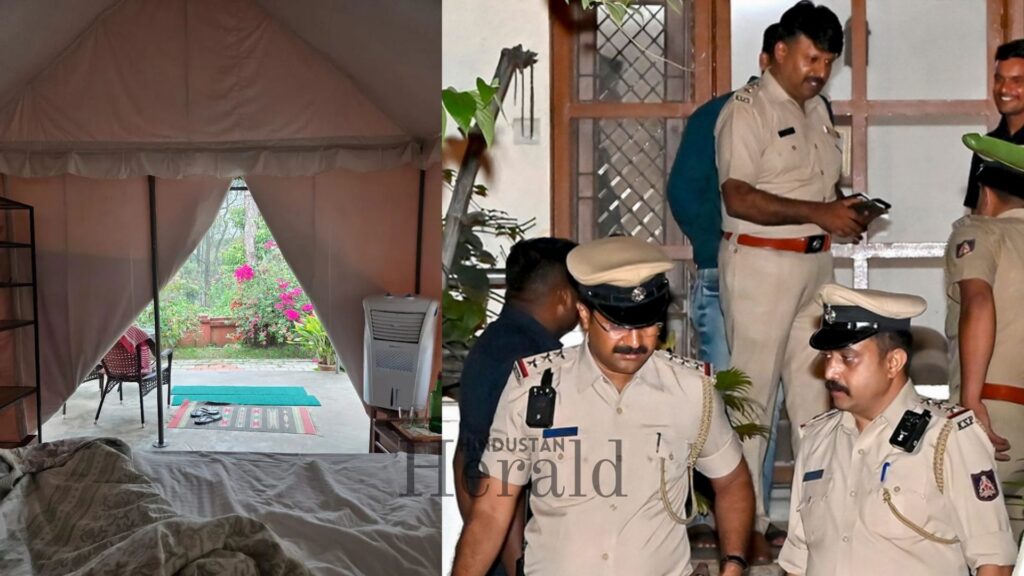
Ponnappa, according to sources, assumed she was anxious, perhaps unsettled by her surroundings. He let her sleep in a bedroom inside his own house.
The next morning, life appeared to resume. She visited tourist spots near Kushalnagar, came back, stayed another night. On April 17, she packed up and left for Mysuru. No complaint. No scene. Nothing that would have flagged to anyone locally that something serious had happened.
The Five-Day Gap
It was only in Mysuru that the woman told US Embassy officials what she said had been done to her. The embassy wasted no time. They took the complaint to India’s Union Home Ministry, and on their advice, she walked into a police station and filed a formal case.
That five-day gap between the assault and the complaint has drawn attention, though it should not surprise anyone who understands how survivors of sexual violence process trauma, particularly in a foreign country, far from support systems, uncertain about how the local legal machinery works or whether it will listen. She did eventually report it. That matters more.
The Arrests
Kodagu Police moved quickly once the complaint landed. They arrested Vrujesh Kumar, the cook at the homestay, and Vishal Ponnappa, the owner. During questioning, as per sources, Kumar confessed to assaulting the woman after allegedly lacing her food with sedatives.
Both men were produced before the Ponnampet JMFC Court, which sent them to judicial custody until May 3, 2026. Forensic work is underway. The investigation is at an early but active stage.
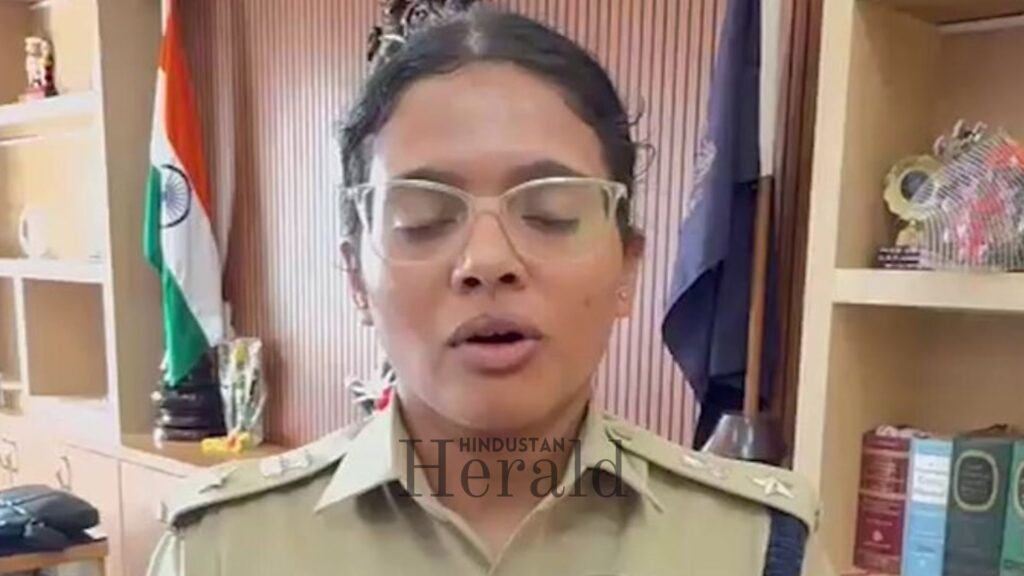
Kodagu SP Bindu Mani confirmed to reporters that the US Embassy had been emailing Kodagu Police directly, that the victim was due to fly back to the US on April 25, and that she had asked for the matter to be handled quietly. The SP was unambiguous about one thing: strict action against both accused.
When Diplomacy Walks Into a District Police Station
There is something worth sitting with here. A foreign tourist was allegedly raped at a small homestay in a border town in Coorg. And the path that eventually got her complaint registered ran through the US Embassy, the Union Home Ministry, and only then arrived at a local police station.

That is not how it should work. Local systems should have been accessible and approachable enough for her to walk in herself. The fact that it took diplomatic channels to get this reported is, in itself, a story about how isolated and intimidating the formal complaint process can feel for international visitors in India, especially when they are traumatised, alone, and unsure who to trust.
Kodagu’s Bigger Question
Coorg does not need an introduction. The coffee estates, the mist, the forests bleeding into Kerala, the rivers, the silence of it. People come from everywhere. The homestay economy has grown quietly and substantially over the years, with families and individuals opening up properties to travellers who want something more intimate than a hotel. In villages near the Brahmagiri Wildlife Sanctuary and along the border belt where Kutta sits, these properties have become central to local livelihoods.

Most of them operate on reputation. Word of mouth. Return visitors. The woman at the centre of this case was a return visitor. She had stayed at this property before and found it safe enough to go back. That detail cuts in multiple directions at once.
It raises questions that tourism officials and district administrations have been slow to answer: Who vets the staff at registered homestays? What background checks, if any, are done on cooks, cleaners, helpers? What are the safety protocols for solo female travellers, particularly foreign nationals who may not speak Kannada or know which number to call if something goes wrong?
The Legal Road Ahead
With the accused in judicial custody, investigators now have until May 3 before the next court date. The challenge is also a logistical one: the victim is scheduled to leave India on April 25. Building a prosecution that holds in an Indian court without the victim physically present requires her statement to be recorded carefully and completely before she boards that flight, or through legal arrangements that allow testimony from abroad.
Charges under the Bharatiya Nyaya Sanhita covering rape and administering substances to incapacitate a person are expected to be formally framed once the primary investigation concludes. The confession during interrogation gives investigators a foundation. Whether it was made under appropriate conditions and whether it will hold up legally is something the courts will eventually decide.
The US Embassy remains engaged. That international attention will keep pressure on the Karnataka government to ensure this case is not allowed to slow-walk into obscurity.
It Keeps Coming Back to That First Night
She told the owner on the night it happened. She said she was not well, that she thought something was in her food, that she thought she had been assaulted. And the owner moved her to a bedroom in his house and apparently thought the problem was anxiety.
What followed, that quiet continuation of a holiday, the day trips, the overnight stay, the eventual departure for Mysuru, reads like the behaviour of someone managing shock, not someone who had nothing to complain about. People respond to trauma in ways that do not always look like what outsiders expect trauma to look like. Investigators and courts understand this. The public should, too.
For now, two men are in judicial custody. A woman is preparing to return home to the United States. A district known for its beauty is being asked, not for the first time and probably not for the last, whether it is doing enough to protect the people who come here because they love it.
The short answer, in this case, is no.
Stay ahead with Hindustan Herald — bringing you trusted news, sharp analysis, and stories that matter across Politics, Business, Technology, Sports, Entertainment, Lifestyle, and more.
Connect with us on Facebook, Instagram, X (Twitter), LinkedIn, YouTube, and join our Telegram community @hindustanherald for real-time updates.

Regional journalist bringing grassroots perspectives and stories from towns and cities across India.
- Sandeep Verma

- Sandeep Verma
- Sandeep Verma
- Sandeep Verma




 Ananya Sharma