
 By Neeraj Kapoor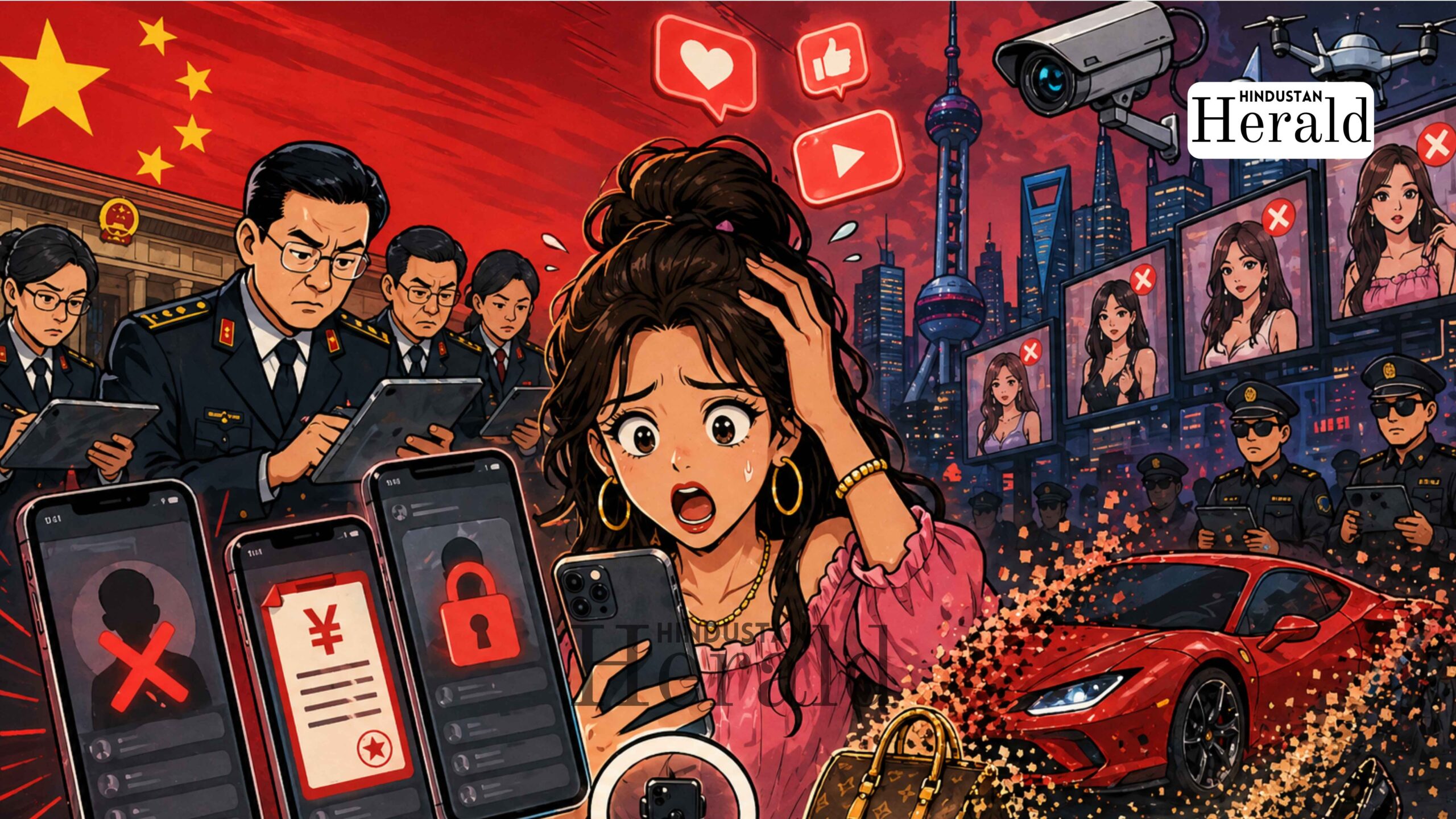
Beijing, April 26: China’s sweeping crackdown on social media influencers has entered a new and arguably more aggressive phase in 2026, combining credential-based gatekeeping, large-scale account deletions, punishing tax penalties, and a long-running war against the culture of wealth display online. What began as a series of targeted campaigns against individual celebrities accused of vulgarity or tax evasion has now hardened into something far more structural: a regulatory framework that fundamentally redefines who gets to be an influencer in China, what they can say, and how they can say it.
The consequences are already visible. Millions of influencers who built massive followings dispensing skincare tips, investment strategies, and medical advice have found their accounts frozen or under review overnight and the state machinery enforcing this shows no signs of slowing down.
The New Credential Law: No Degree, No Post
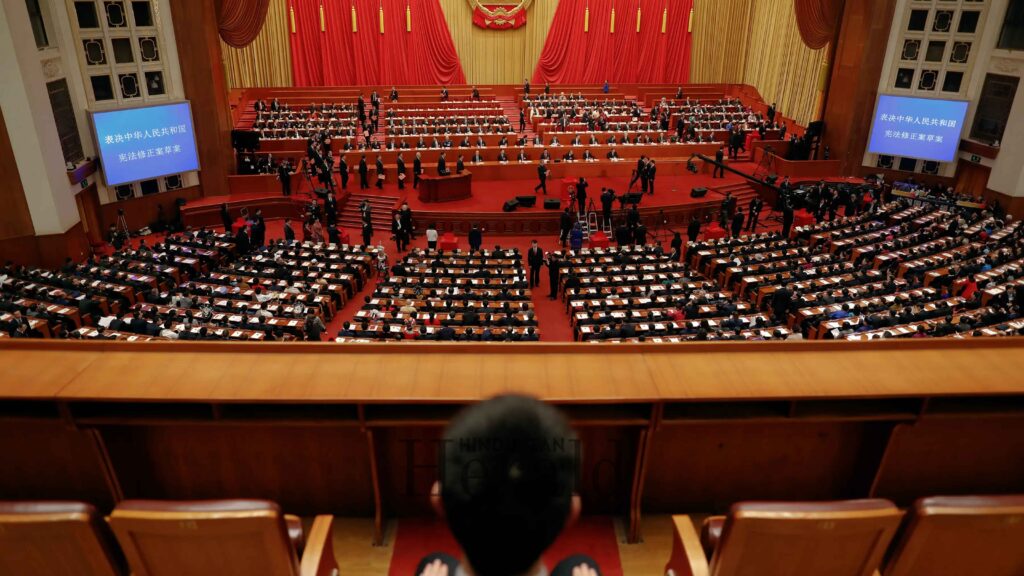
The most transformative element of China’s current regulatory push arrived late last year, when the Cyberspace Administration of China issued a sweeping regulation mandating that any content creator discussing medicine, health, law, finance, or education must prove verified professional credentials before posting or going live. The principle is simple: no degree, no license, no post.

This is not a guideline or a recommendation. It is law, with enforcement teeth attached. Platforms like Douyin, Weibo, and Bilibili have been put on the legal hook for enforcement, with fines reaching 100,000 yuan, or roughly $14,000, for violations.
The National Radio and Television Administration, alongside the Ministry of Culture and Tourism, made it clear that online anchors engaging in specialised content must obtain relevant practising qualifications and not merely rely on popularity. The China Performance Industry Association, whose 2025 update built on a framework dating back to 2022, went further by formally defining “network anchor” as a recognised occupation with defined skill levels and capacity requirements.
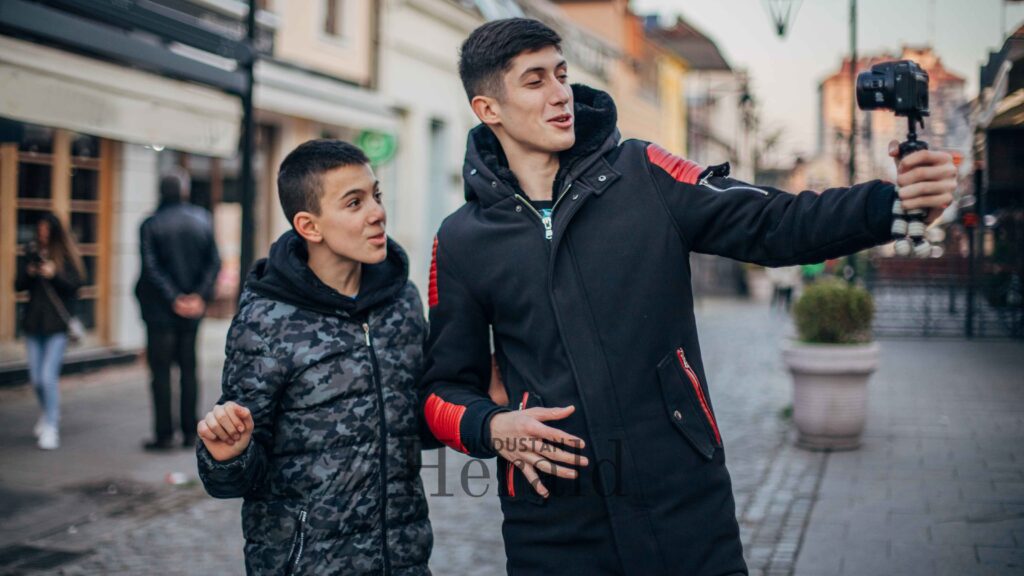
What this means practically is stark. Platforms such as Douyin, Bilibili, and Weibo are now required to verify creators’ qualifications to ensure their claims come from a legitimate source, and to issue warnings or remove content when credentials are missing or dubious. Creators must also make clear when content is AI-generated or sourced from studies. Hidden advertising for medical products, supplements, and health foods is now explicitly banned.
The ripple effect is felt in the influencer economy at large. For brands looking to collaborate with influencers in China, campaigns now have to verify whether a creator is credential-eligible before they go live or publish advice-type content. If the creator fails verification, platforms can pause the campaign, remove their content, or jeopardise the brand’s credibility.
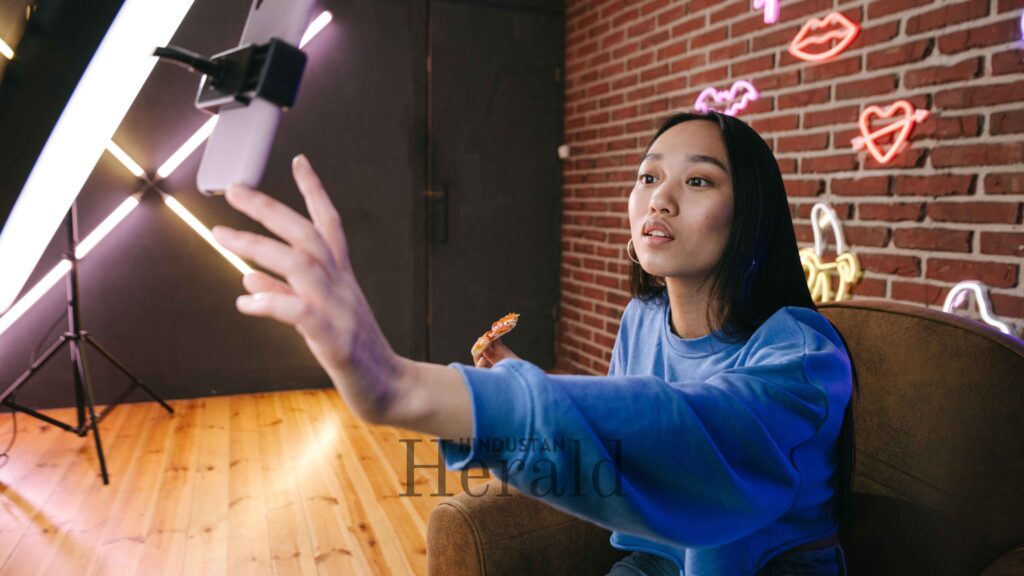
The influencer economy in China is not small. It was estimated to be worth 100 billion yuan, or roughly $14 billion, in 2023, shaping public opinion, consumer behaviour, and financial decisions at scale. Regulatory disruption of this size has real economic consequences.
The Wealth-Flaunting Ban: Beijing’s War on Ostentatious Living
Separate from but running parallel to the credentials crackdown is a sustained campaign against a very different kind of influencer: those who built followings not by giving advice, but by showing off. In China’s slowing economy, the politics of visible luxury have become a flashpoint.
Launched on April 23, 2024, by the Cyberspace Administration of China, the Qinglang campaign, meaning “clean and bright” aims to penalise Chinese social media influencers deemed to be flaunting wealth or deliberately showcasing a luxurious life built on money to attract followers and traffic.
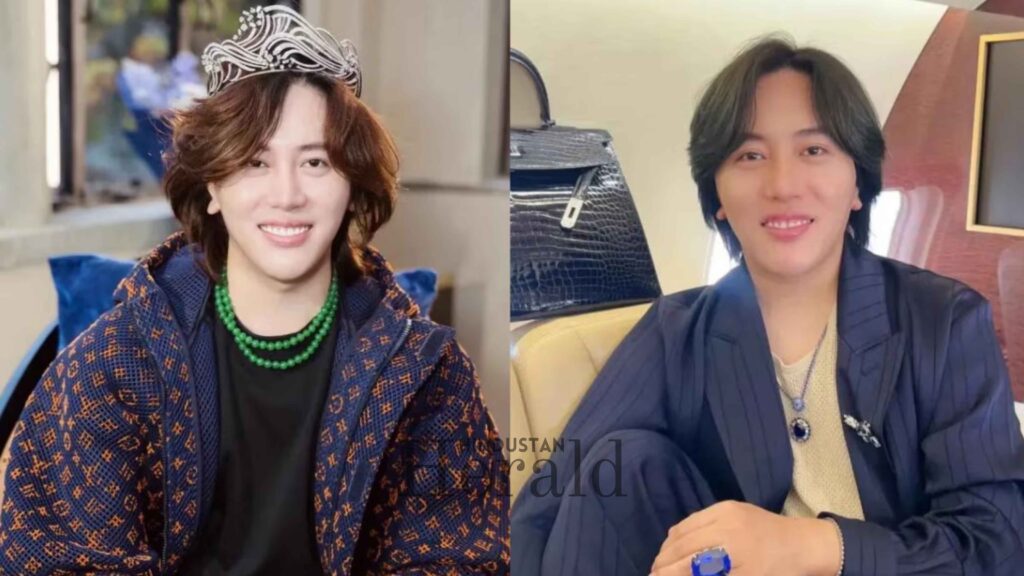
The names of those targeted read like a who’s who of Chinese lifestyle content. Among the targeted content creators were Wang Hongquanxing, nicknamed “China’s Kim Kardashian” for his opulent posts, and Baoyu Jiajie, called “Sister Abalone” after the expensive mollusc. “Young Master Bo”, an influencer who filmed himself test-driving Rolls-Royces and spending on rare Hermes Birkin bags, was also missing from Douyin, with his account showing an error message stating he had “violated relevant laws and regulations.”
China’s internet watchdog launched the “Clear and Bright” campaign to remove undesirable content from social media, vowing to crack down on influencers who created “ostentatious personas to cater to vulgar needs, and deliberately displayed extravagant lifestyles filled with money.”
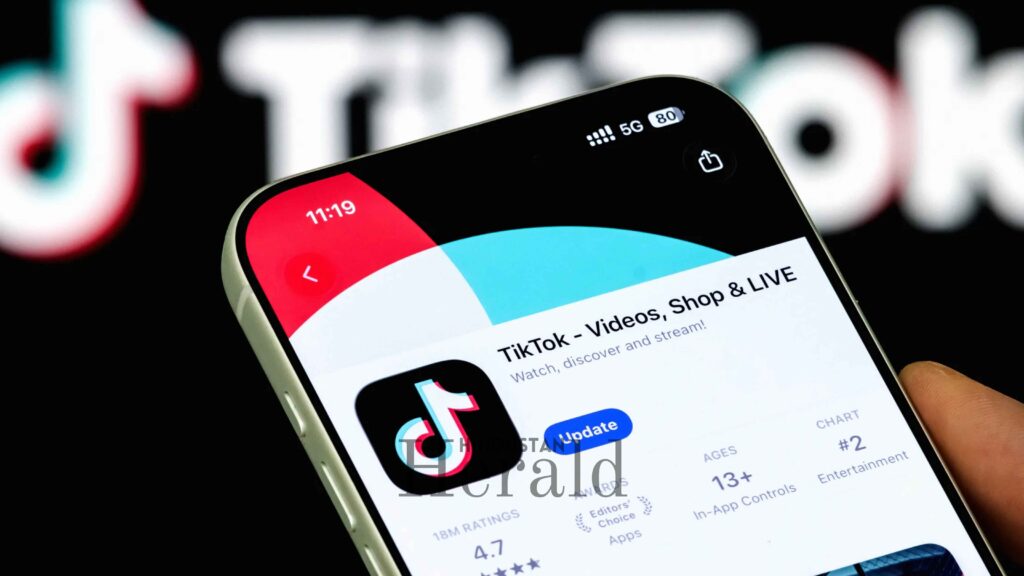
Douyin, ByteDance’s version of TikTok for the Chinese market, removed 4,701 pieces of inappropriate content and closed 11 accounts in a single week between May 1 and May 7 alone.
Still, the crackdown is not purely about morality. Analysts have pointed to the economic subtext. Analysts have argued that the cancellation of wealth-flaunting influencers serves the purpose of mitigating the Chinese public’s growing sense of relative economic deprivation, exacerbated by China’s current slowdown. China is experiencing an economic slowdown that has hit the middle class especially hard. Young people in China are struggling in an intensely competitive job market, with some choosing to “lie flat” and withdraw from society, or seeing content creation as the only viable career path.
As one former influencer put it plainly: “When most people are unhappy with their own lives, they see all this online content that’s so disconnected from reality seeing all these people who seem so happy and wealthy, it creates a pretty warped psychology.”
The Tax Weapon: Making Influencers Pay
If banning accounts is the stick, tax enforcement is the sledgehammer. Beijing has used tax penalties to devastating effect against high-profile social media figures, and 2026 has seen this tool deployed again.
A 44-year-old individual surnamed Gao allegedly used VPN software to access YouTube from 2014 to 2026, earning $5.77 million through membership fees, advertising, and merchandise sales. A notice claimed suspected tax evasion and imposed a penalty of 10 times the alleged income, totalling 410 million yuan.
This follows an established pattern. In 2021, livestreaming star Viya was fined 1.34 billion yuan for tax violations. Popular actress Fan Bingbing was fined 880 million yuan in 2018, while other influencers and entertainers have faced penalties in the hundreds of millions.
Critics, however, see something more deliberate in the selectivity of these enforcement actions. Former Beijing lawyer Lai Jianping described a pattern of selective enforcement, saying authorities “know what you’re doing all along,” ignore it while influencers grow, and then demand huge back payments once they become big and profitable. Online commentary has been sharp. One commenter wrote that the economy is down, revenue from fines is shrinking, every department has penalty quotas, and they are finding new ways to raise money.
That said, the government’s position is that these penalties are lawful and long overdue, part of a broader effort to bring the informal economy of social media into the same regulatory perimeter as any other taxable profession.
One Account, One Person: Structural Rules for Platforms
Beyond individual crackdowns, China has also moved to reshape the infrastructure of social media itself. The 13-item guidelines issued by regulators require social media companies to authenticate all posted content, enforce a “one account for one person, two accounts for one enterprise” policy, and suspend or prohibit users without “profit-making permission” granted by the Chinese government.

The regulations also mandate manual review of accounts featuring party, government, or military names or logos. Creators and influencers who post content regarding political affairs, domestic or current events, public policy, or any social event will have to prominently display their source when publishing.
This is not incidental. The goal, as multiple regulatory statements make clear, is to bring the entirety of online speech within a verification and accountability framework that the state controls. Platforms are no longer passive hosts they are active enforcers, legally responsible for what their creators say.
China’s Model and Its Global Shadow
It would be easy to read China’s influencer crackdown as purely authoritarian housekeeping a government using economic distress as cover to tighten control over public discourse. That reading is not wrong. But it is also incomplete.
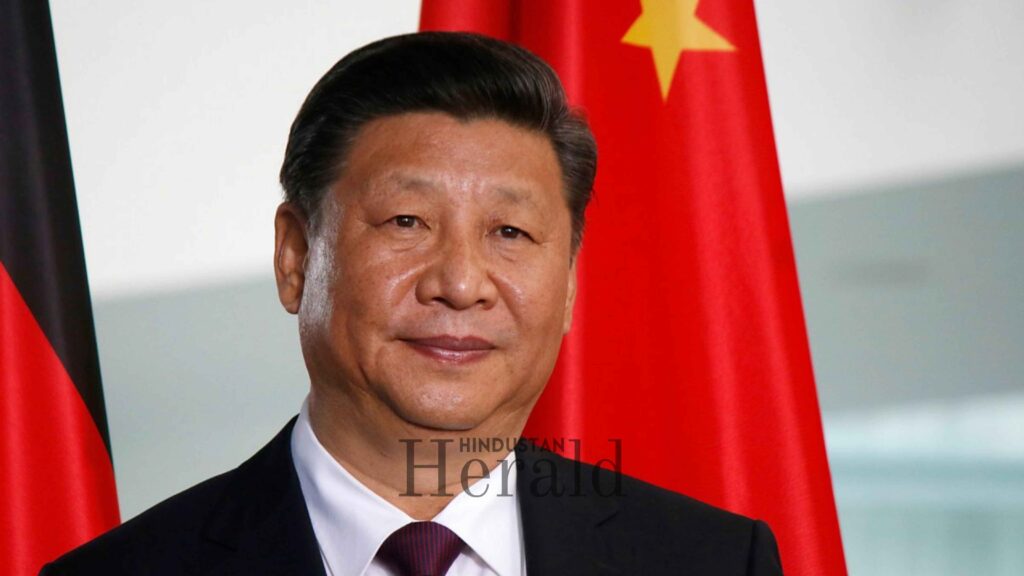
In 2026, regulatory agencies in both China and the United States are doing something about the influencer misinformation crisis, and it is broadly similar in intent. The FTC published its FY 2026-30 Strategic Plan on April 3, following much of the same groundwork.
China made platforms legally responsible for verifying creator credentials: if a platform hosts uncredentialed health advice, the platform gets fined. China’s rule also requires creators to label any AI-generated material upfront. Both the FTC’s five-year plan and China’s new rules ban the use of purchased followers to artificially boost engagement metrics.
The difference is in approach. China’s approach is preemptive: one has to prove credentials before posting. The FTC’s approach is reactive, allowing American creators to post health tips or investment opinions without a diploma, and only stepping in after the harm is documented.
For India, the parallels are closer to home than they might appear. The Ministry of Information and Broadcasting has been pressing for influencer disclosure norms for several years, and the Advertising Standards Council of India has flagged fake endorsements and unverified medical advice as growing problems. India’s influencer economy is expanding rapidly, particularly in health, finance, and education precisely the categories that China has now ring-fenced with professional credential requirements.
What Remains of Chinese Influencer Culture
The cumulative impact of all these policies is a social media ecosystem in China that looks and feels fundamentally different from what it did five years ago. Lifestyle and luxury content has been scrubbed. Health and finance advice requires a licence. Political commentary requires source attribution. And tax authorities are watching accounts grow, waiting.
China’s crackdown has won wide support among a generally conservative public, reflecting a centuries-old Confucian preference for equal distribution of wealth, captured in the idiom that political leaders should not worry about scarcity but rather unequal distribution. The government is not operating purely against the grain of public sentiment that is worth understanding.
For now, what is clear is that the influencer as a freewheeling, credential-free, aspiration-selling figure is legally extinct in China. What replaces it is still taking shape but the replacement will be credentialed, audited, restricted by platform, and watched closely by the state. That is the bargain Beijing is offering creators: survive by compliance, or disappear.
The world is watching. And in several capitals, policymakers are taking notes.
Stay ahead with Hindustan Herald — bringing you trusted news, sharp analysis, and stories that matter across Politics, Business, Technology, Sports, Entertainment, Lifestyle, and more.
Connect with us on Facebook, Instagram, X (Twitter), LinkedIn, YouTube, and join our Telegram community @hindustanherald for real-time updates.

Tech writer passionate about AI, startups, and the digital economy, blending industry insights with storytelling.
- Neeraj Kapoor

- Neeraj Kapoor
- Neeraj Kapoor
- Neeraj Kapoor


 Kavita Iyer