
 By Ananya Sharma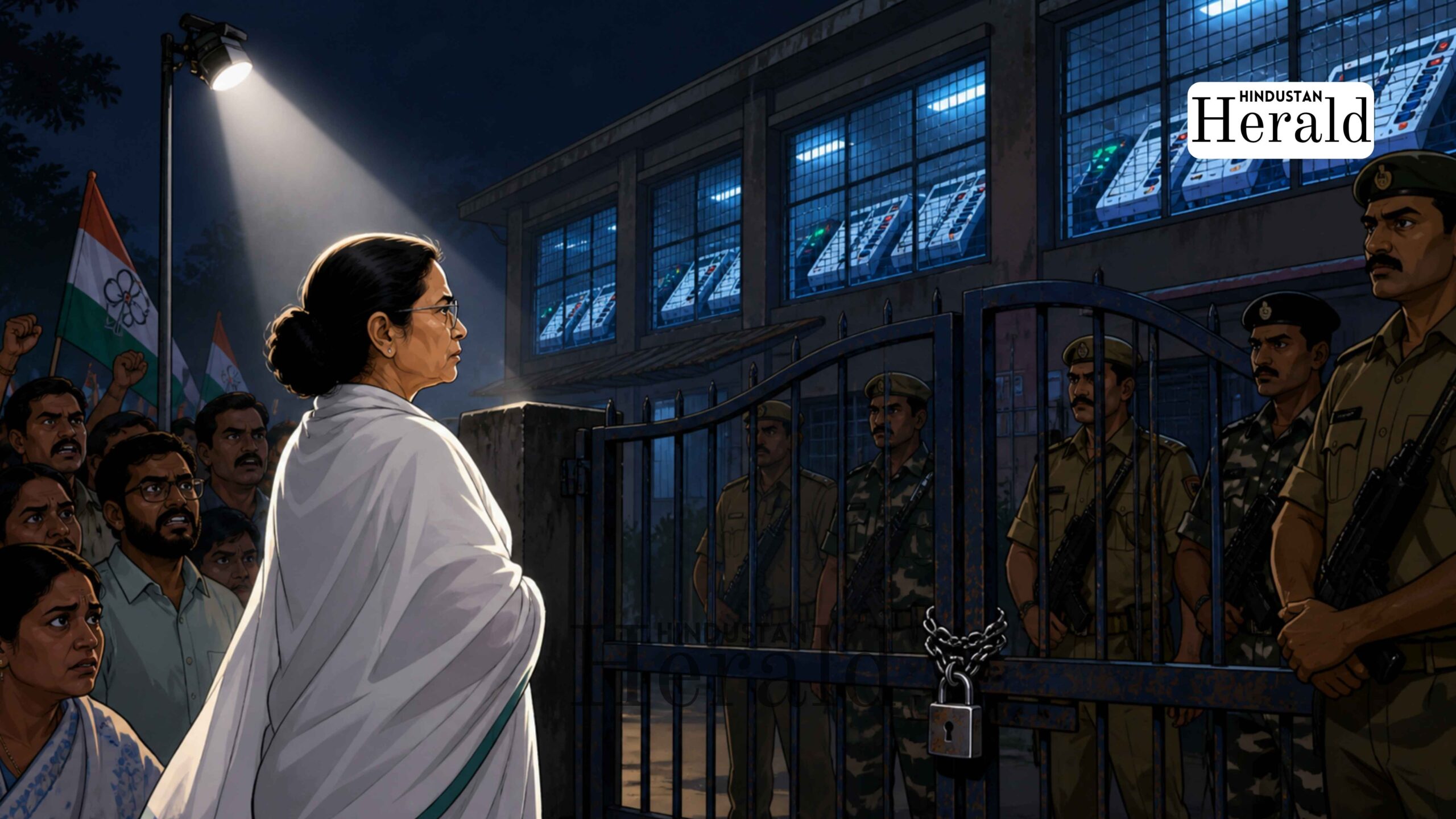
Kolkata, May 1: It was well past eleven at night when Mamata Banerjee showed up at a school building in South Kolkata, demanding to be let inside a room full of voting machines. Central security forces, reportedly, did not let her through at first. The Chief Minister of West Bengal, also the candidate for the Bhabanipur Assembly seat whose EVMs sat inside that very facility, had to wait before she was eventually allowed in.
She stayed for nearly four hours.
That image alone, a sitting CM waiting at the gate of her own constituency’s strongroom, in the middle of the night, two days before counting, tells you more about the state of West Bengal’s political temperature right now than any exit poll can.
When Banerjee finally walked out at around 12:07 am, she did not look like someone who had just been on a routine inspection. She warned, in terms that left little room for interpretation, that any attempt to tamper with the counting process on May 4 would not be tolerated. “I have also suggested the installation of CCTV cameras for the media,” she told reporters, framing it as a transparency demand. “People’s votes must be protected.” And then, more bluntly: she would fight all her life against anyone who tried to loot the machines.
The Night It All Started
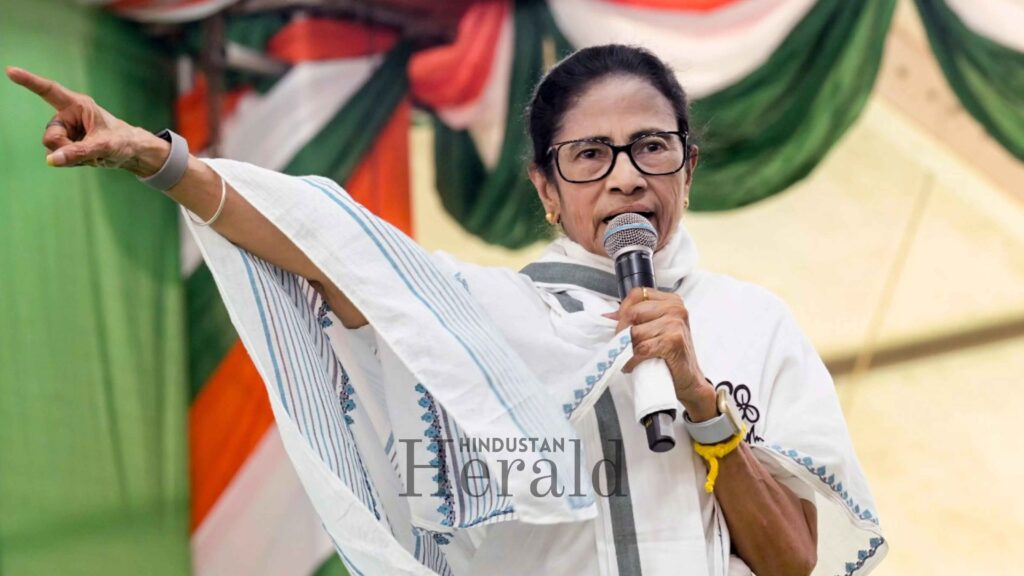
The trouble began on April 30, in the hours right after the second and final phase of polling had wrapped up. TMC workers started raising alarms ballot boxes, they alleged, were being accessed at multiple strongroom locations across Kolkata without authorised party representatives being present. The party described it as a “murder of democracy in broad daylight.”
Senior TMC leaders Kunal Ghosh and Shashi Panja did not wait long. They staged a sit-in outside the strongroom at Khudiram Anushilan Kendra, alleging that what was happening inside was not routine procedure but deliberate interference. TMC and BJP workers squared off outside the premises. The night, by all accounts, was not calm.
Banerjee had already put out a video message before she made her move in person, urging party workers and polling agents to mount a 24-hour vigil on every strongroom in the state. She named the BJP as the party she suspected was planning to interfere before May 4. That the video came first and the physical visit followed suggests this was not a spontaneous decision. She was watching, and then she went.
The specific facility she chose to visit, Sakhawat Memorial School in South Kolkata, is the reception and distribution centre for EVMs from the Bhabanipur segment. Her own seat. Her own machines. She entered with her election agent, which is legally permitted. Whether you read that as legitimate vigilance or political theatre depends entirely on which side of Bengal’s bitter electoral divide you sit on.
What the TMC Claims and What the EC Says
The party’s core allegation rests on what its leaders say they saw in live-streamed CCTV footage from inside the strongrooms individuals who had no business being there, handling ballot papers. The TMC posted about it on X, calling it collusion between the BJP and the Election Commission itself.
The Election Commission was having none of it. West Bengal’s Chief Electoral Officer Manoj Kumar Agarwal said, flatly, that the counting process would be “100% fair and orderly.” Strongrooms, he maintained, were safe, sealed, and secure. As reported by India TV News, he dismissed the controversy as having no basis whatsoever.
An EC official went further, explaining what TMC workers had actually seen on those CCTV feeds: poll officials engaged in the routine segregation of postal ballots, including those received through the Electronically Transmitted Postal Ballot System. The seven strongrooms at Khudiram Anushilan Kendra had been sealed in the presence of candidates and observers, the last one locked up at 5:15 am on Thursday. The EC had notified all Returning Officers and Observers about the postal ballot process and had asked them to inform candidates in advance.
In other words, the Commission’s position is that TMC either misread a standard post-polling procedure or chose to misrepresent it.
BJP Smells Blood
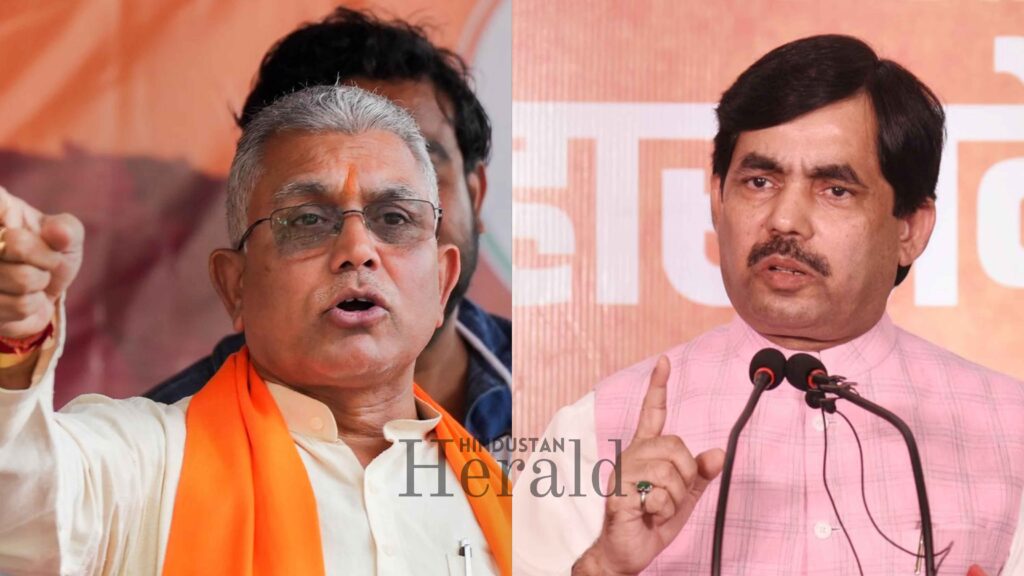
The BJP did not take long to use all of this against Banerjee. Dilip Ghosh was blunt, saying those facing defeat are the ones who complain. Syed Shahnawaz Hussain said Banerjee was constructing a narrative to explain away a loss he claimed was already coming, and that she should be prepared to accept results the way the BJP has accepted defeats before.
Amit Malviya, the BJP’s IT cell head, was clinical about it. He listed out the facts on X: strongrooms sealed, process notified, ballot segregation legal and observed. He also took a pointed dig at the TMC leader who was protesting outside Khudiram Anushilan Kendra, describing her as a chit-fund-scam accused who had come to power on what he called a stolen mandate and said she had no valid reason to be making the noise she was.
From Delhi, JD(U)’s Rajeev Ranjan offered his own summary: Banerjee was raising EVM concerns “as Bengal voters prepare to bid her goodbye.” It was the kind of line that gets clipped and circulated, and that is almost certainly why it was said.
Bhabanipur Is Not Just Any Seat
It is easy to lose sight of why this particular strongroom this particular school in South Kolkata carries the weight it does. Bhabanipur is where Mamata Banerjee ran in a by-election in 2021, after she lost from Nandigram in the general assembly election that year. Losing Nandigram to her former lieutenant Suvendu Adhikari was a wound she had not fully recovered from politically. Bhabanipur was the constituency that gave her back her legislative seat, and therefore her claim to remain Chief Minister.
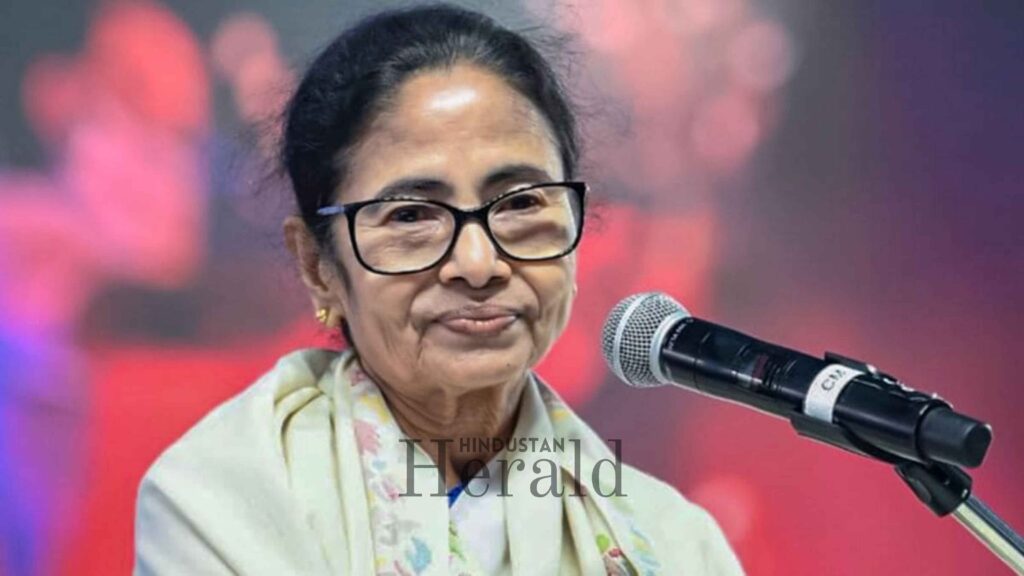
She is running from Bhabanipur again in 2026. And multiple exit polls, however imperfect their track record, have predicted a rough outcome for the TMC across the state. That combination of personal history and unfavourable projections is the full context behind Thursday night’s visit. It was not simply about EVMs in the abstract. It was about her seat, her survival, and her reading of what was at stake.
The Atmosphere Outside
While Banerjee held her vigil inside, it was anything but quiet outside. TMC and BJP workers were out in force at multiple locations, and the tension between them turned physical at points. The TMC alleged that the BJP had brought in workers from other states to crowd around counting-related facilities, an allegation the BJP denied. Kolkata Mayor Firhad Hakim, who is himself contesting from the Kolkata Port seat, arrived at Sakhawat Memorial School during the long wait but could not get in to meet Banerjee.
TMC MP Dola Sen put the most favourable possible frame on the whole night: a Chief Minister exercising her democratic right as a candidate. That framing is not wrong on its face. A candidate is legally entitled to be at the strongroom. What makes the episode unusual is the scale of it, the hours spent inside, the initial standoff at the gate, and the warning issued on the way out. None of that is standard candidate behaviour. And that is clearly part of the point.
Three Days Out, and Nothing Is Settled
The Election Commission has spoken, the strongrooms are locked, and counting is set for May 4. Officially, the controversy is resolved. In practice, it is nowhere close to over.
If the TMC does well on counting day, Thursday night will be remembered as Mamata Banerjee keeping watch over her own democracy. If the results go against her, as several exit polls suggest they might, the narrative built through these hours, these allegations, this midnight vigil, will become the foundation of a post-election dispute that could drag on for weeks.
Bengal has seen bitter elections before. The 2021 cycle left scars on both sides that have not fully healed. This one feels rawer still. Whatever the machines reveal on May 4, the argument about what happened to them in a school building in South Kolkata the night before last will not be settled quickly.
Mamata Banerjee spent four hours in that room. She came out with a warning. The state is waiting to find out whether it was the warning of someone protecting a win or someone bracing for the fight of her political life.
Stay ahead with Hindustan Herald — bringing you trusted news, sharp analysis, and stories that matter across Politics, Business, Technology, Sports, Entertainment, Lifestyle, and more.
Connect with us on Facebook, Instagram, X (Twitter), LinkedIn, YouTube, and join our Telegram community @hindustanherald for real-time updates.

Covers Indian politics, governance, and policy developments with over a decade of experience in political reporting.
- Ananya Sharma

- Ananya Sharma
- Ananya Sharma
- Ananya Sharma



 Sandeep Verma
  Arun Upadhayay