
 By Ananya Sharma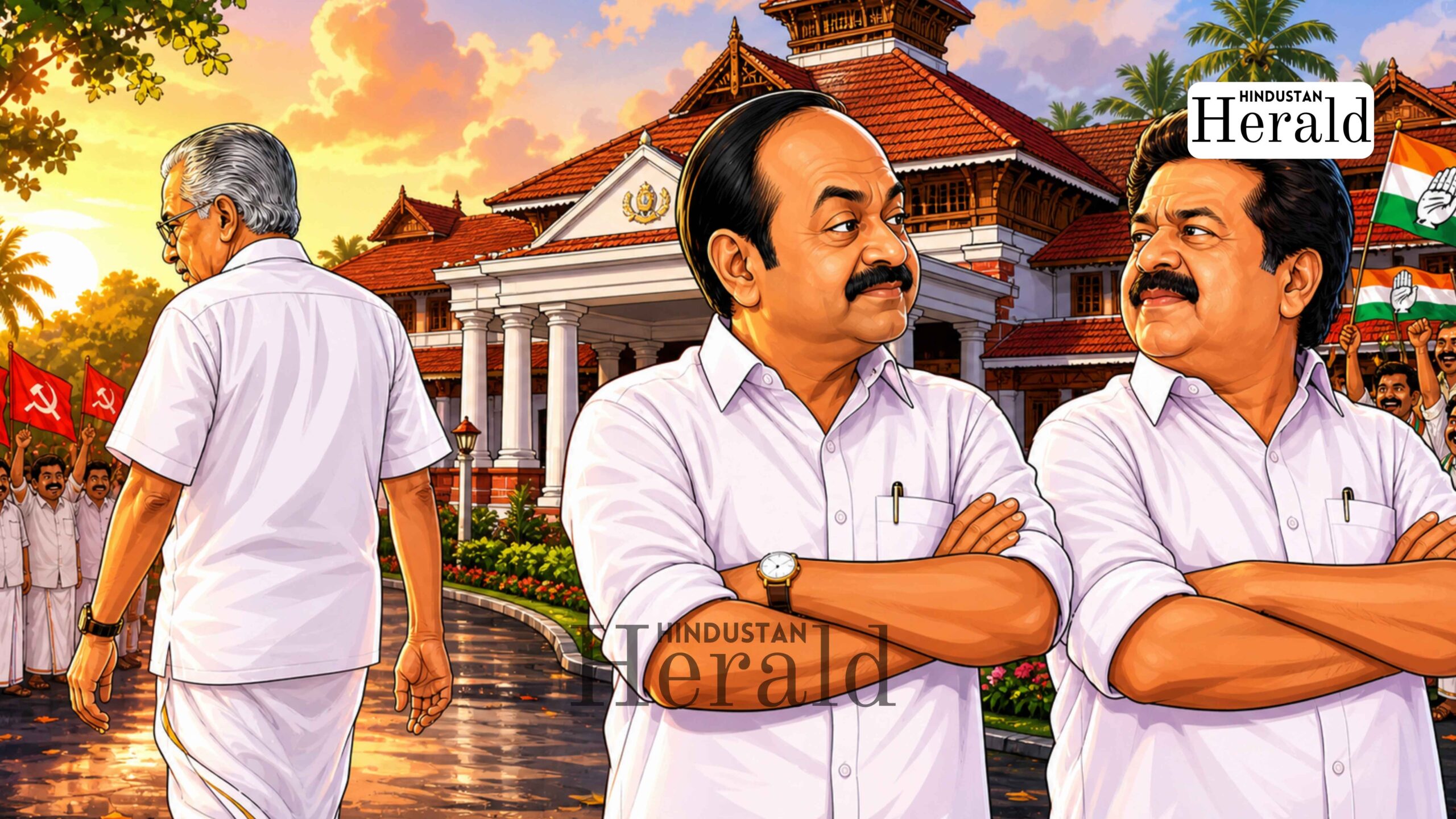
Thiruvananthapuram, May 4: Kerala has made up its mind. And this time, it picked the other side. The Congress-led United Democratic Front is returning to power after ten years in the cold, and the man who led the Left’s extraordinary decade-long hold on this state Pinarayi Vijayan is on his way out. That much is settled. What is not settled, and what every political insider in this state is obsessing over right now, is the question that always comes after a victory in Kerala: who actually gets the chair?
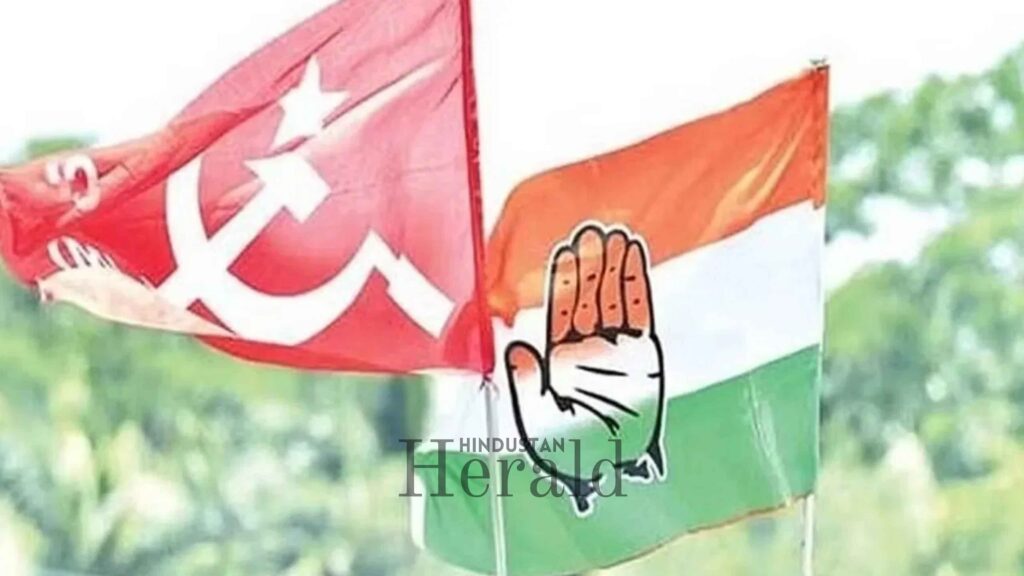
But before getting to that, take a moment to sit with what happened here today. India now has no Left government anywhere in the country for the first time in roughly 50 years. The last time this happened, Indira Gandhi had just returned to power after the Emergency. That is the scale of what Kerala’s voters quietly decided when they went to the booth.
The UDF Is Back But Nobody Agreed on a CM Before the Votes Were Counted
This is not a normal victory lap situation. The Congress came into this election without naming a Chief Minister candidate. That was a deliberate call, partly strategic and partly unavoidable the party’s most popular face in the state, former CM Oommen Chandy, passed away in 2023, leaving a vacuum that nobody could quite fill in the same way.
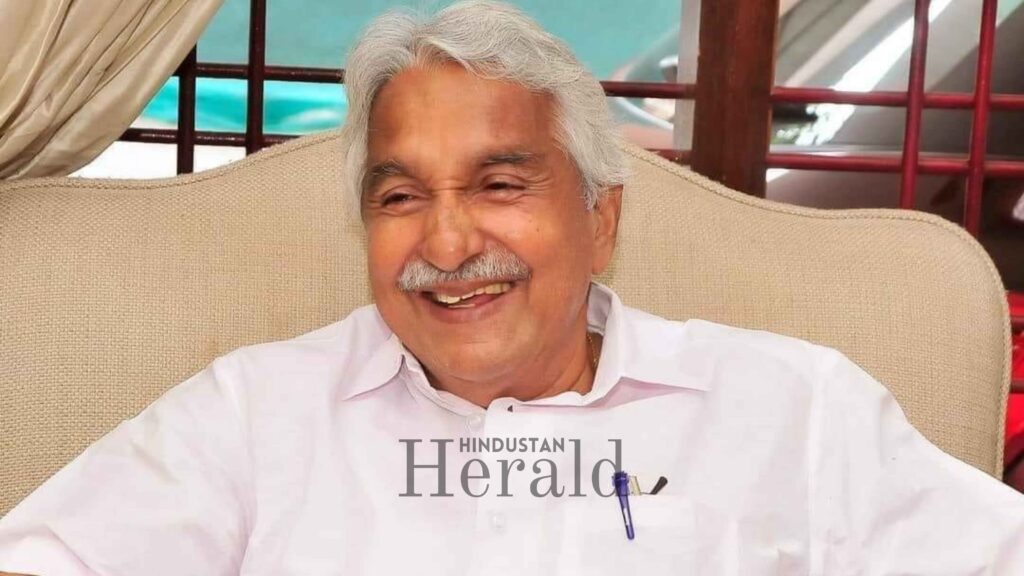
So the UDF ran on collective leadership. It worked. Now comes the harder part.
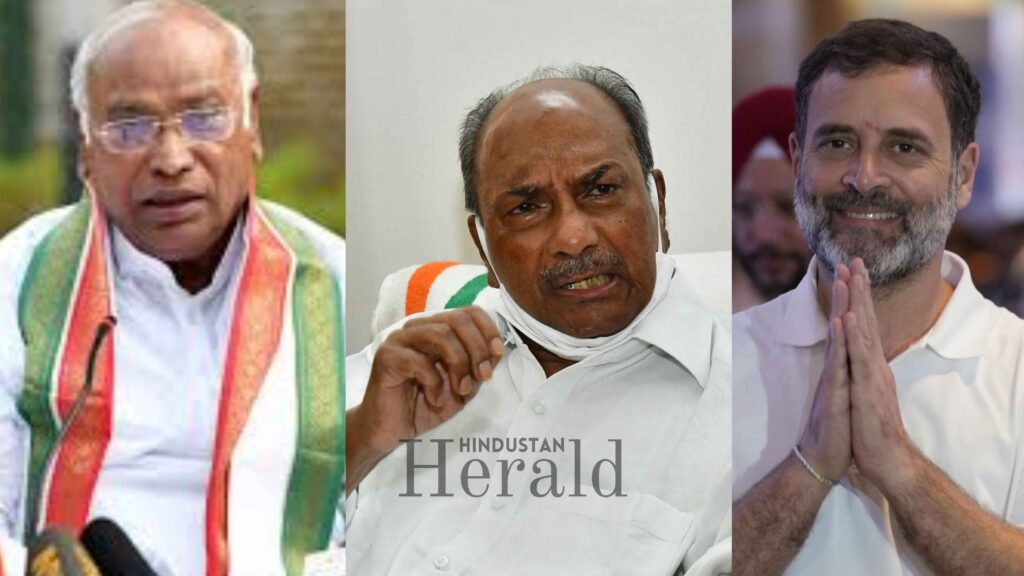
In line with Congress tradition, the elected MLAs are expected to pass a resolution handing the choice to the party high command meaning Mallikarjun Kharge and Rahul Gandhi will effectively decide who governs Kerala for the next five years. Veteran leader A.K. Antony, who has spent decades quietly brokering exactly these kinds of decisions within Kerala Congress, is expected to be at the centre of those conversations.
V.D. Satheesan: The Man Who Earned It
If this were purely about merit and the logic of politics, V.D. Satheesan would already be CM-designate. A five-time MLA from Paravur in Ernakulam district, he spent five years as Leader of the Opposition taking the fight directly to Pinarayi Vijayan and by most accounts, he did it well. He showed up, he argued, he did not disappear into safe territory when things got uncomfortable.
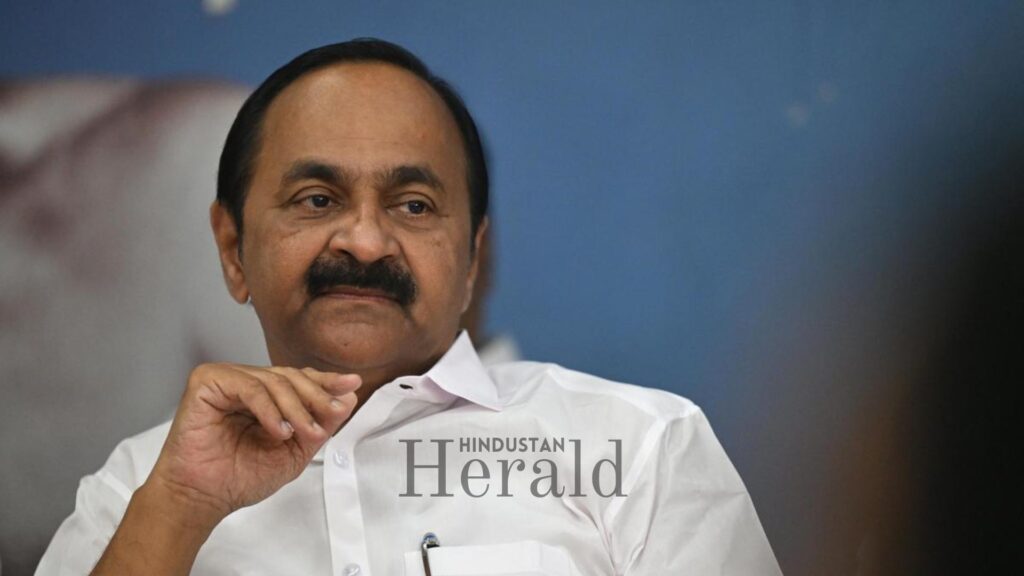
He also won his own seat today with a stable margin, which matters. A CM candidate who loses his constituency is a story in itself. Satheesan avoided that.
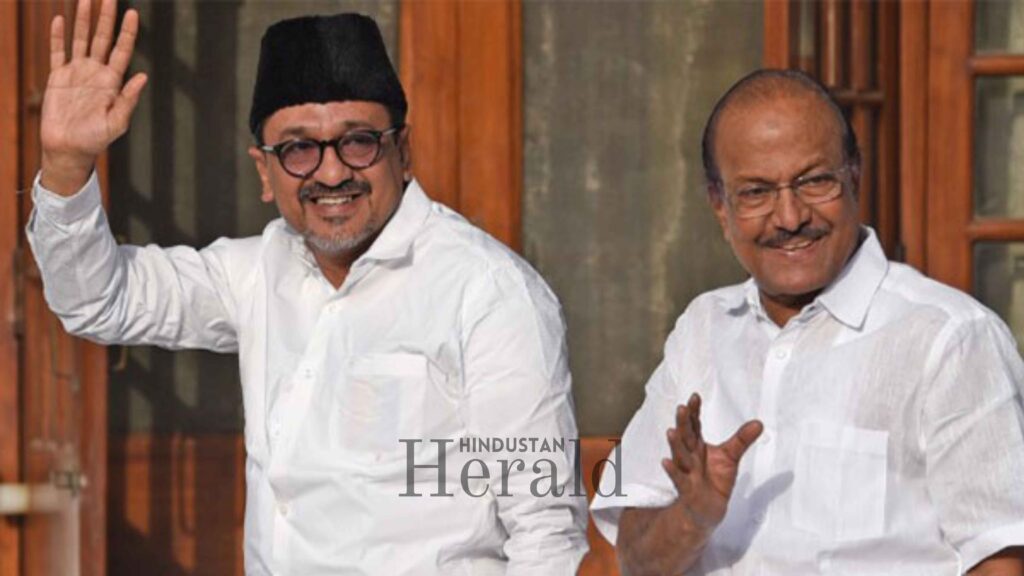
IUML Kerala chief Syed Sadikali Shihab Thangal has publicly backed Satheesan for the top post. On paper, that is helpful the IUML is a significant partner in the UDF and its support is not something the Congress can afford to antagonise. In practice though, there is a section within the Congress that is uncomfortable with the optics of the IUML visibly deciding who becomes CM. So even a clear endorsement from a key ally has a complicated aftertaste inside party rooms.
That is Kerala Congress for you.
Chennithala Is Not Going Away Quietly
Ramesh Chennithala has been in this game long enough to know that the CM’s post rarely goes to the most obvious person. He has won from Haripad in Alappuzha district today, he was Leader of the Opposition during Vijayan’s first term, and his connections inside the Congress organisation stretch well beyond Kerala he once led the NSUI at the national level.
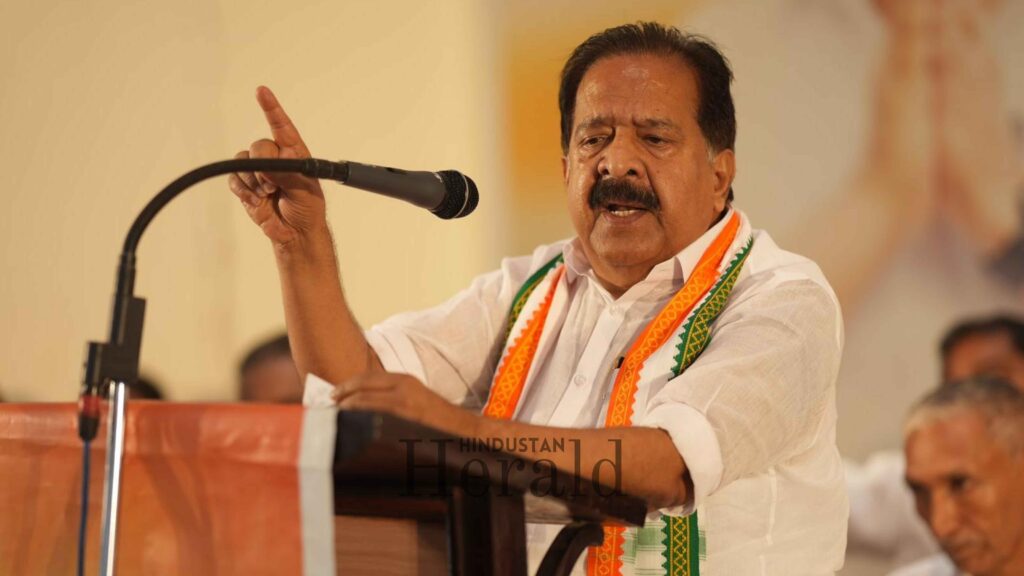
His argument is simple: experience, network, and the kind of community connect that wins elections on the ground. His close ties to the Nair Service Society give him a strong base within the community. That same closeness, though, has always put a ceiling on how broadly he can appeal. He is seen as the candidate of one particular constituency within the party, and that perception dogs him.
The 2021 defeat, which came under his leadership, is also a sore point that rivals bring up whenever his name surfaces for the top job. He knows it. He also knows that in politics, people forget losses faster than they admit.
Venugopal: Powerful Everywhere Except on the Ballot
K.C. Venugopal is currently one of the most powerful people in the Congress party nationally. As the party’s National General Secretary (Organisation), he has the trust of both Rahul Gandhi and Kharge a combination that is genuinely rare and genuinely valuable inside the Congress ecosystem.
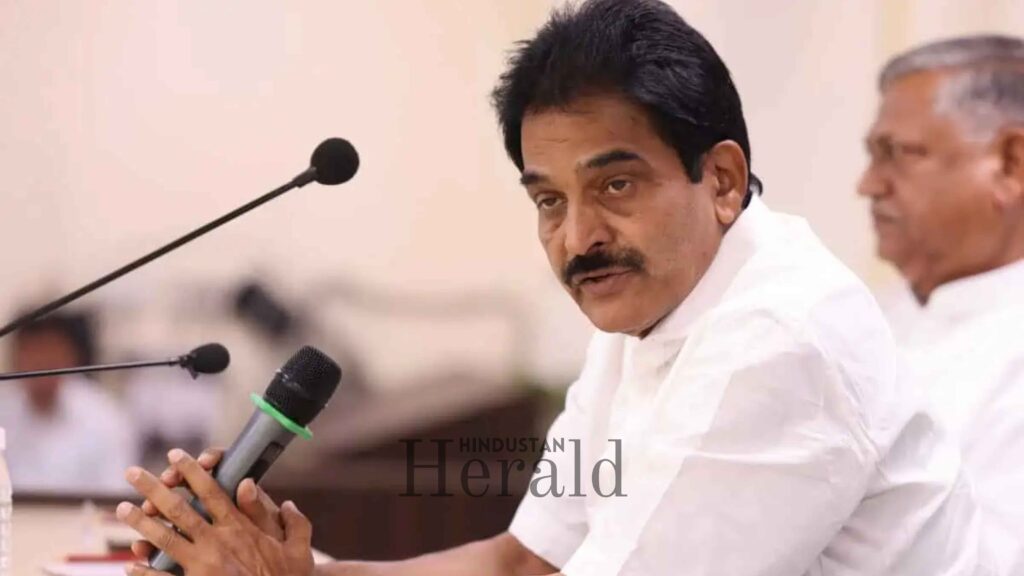
He did not contest this election though. If the party decides the Chief Minister must be a sitting MLA, Venugopal simply does not qualify. And pulling him out of his central role would create a gap at the national level that nobody particularly wants to deal with right now.
His name stays in every conversation. His chances are probably lower than the conversation suggests.
Tharoor: The Name That Makes Good Copy
Delhi reporters love putting Shashi Tharoor’s name in the mix for any big Congress post. He is quotable, he is recognisable, and he has spent twenty years building a national profile from his Thiruvananthapuram MP base.
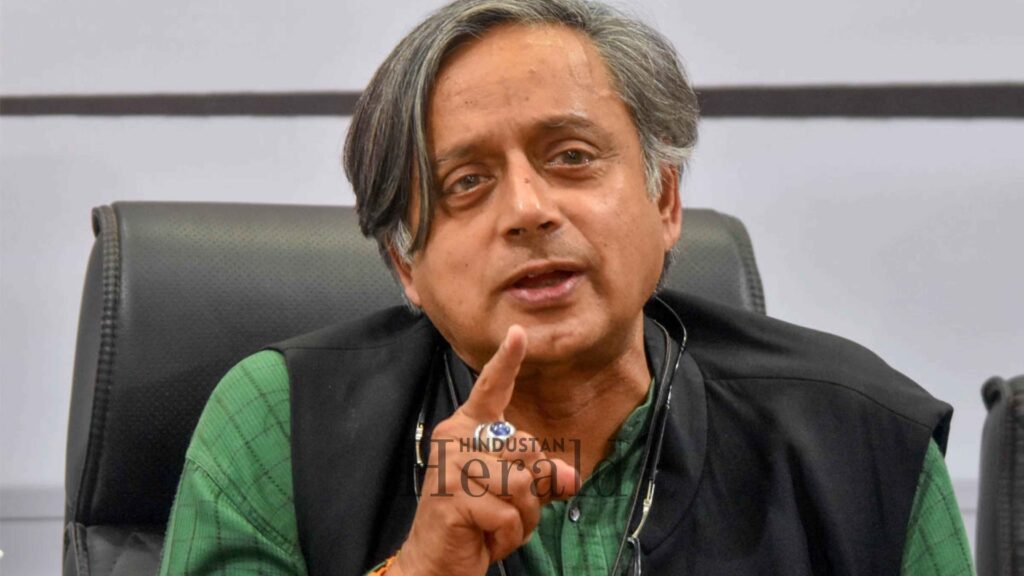
That last part is also exactly why his CM chances are slim. Kerala politics has always maintained a firm distinction between politicians who belong to the state and politicians who belong to Delhi. Tharoor, fairly or not, falls in the second category in the minds of many within the state party. The comparison to Vayalar Ravi another Keralite who became a central figure and was never seriously considered for state CM comes up in these discussions.
Tharoor would be a fascinating CM. He almost certainly will not be.
A Generational Turn, Whatever Happens
Here is the thing that tends to get buried under the horse-race coverage: whoever Congress picks, Kerala is about to get a Chief Minister born in the 1950s or 1960s for the first time. Every serious contender falls in this age range. That is a real shift in a state that has been governed by an older generation of leadership for a long time.
There is also a community angle worth noting: all the leading candidates are from the Nair community, which had been moving toward the BJP at the national level in recent election cycles. A Nair CM would be Kerala’s first since K. Karunakaran’s time in the early 1990s. Whether that changes anything about the community’s political alignment going forward is an open question, but it is one the Congress is clearly thinking about.
What Comes Next
The counting is done. The LDF’s extraordinary run ten years, two terms, one man at the top throughout is over. The Left, which once governed multiple Indian states simultaneously, now has not a single state government anywhere in the country. That is a sentence that would have seemed almost impossible to write even five years ago.
For Kerala, the next government inherits a state with real fiscal pressure, unfinished infrastructure decisions, and an economy deeply tied to Gulf remittances that require careful, consistent policy attention. The new CM will not have time to settle in slowly.
For the Congress party nationally, this win matters more than just the seat count. It is proof the party can still close out a state election when it needs to.
The name of Kerala’s next Chief Minister will come out of meetings happening in the next 48 to 72 hours some in Thiruvananthapuram, most of the important ones in New Delhi. Until then, everyone in Kerala politics is on the phone and nobody is saying anything on the record.
That, too, is a very familiar feeling.
Stay ahead with Hindustan Herald — bringing you trusted news, sharp analysis, and stories that matter across Politics, Business, Technology, Sports, Entertainment, Lifestyle, and more.
Connect with us on Facebook, Instagram, X (Twitter), LinkedIn, YouTube, and join our Telegram community @hindustanherald for real-time updates.

Covers Indian politics, governance, and policy developments with over a decade of experience in political reporting.
- Ananya Sharma

- Ananya Sharma
- Ananya Sharma
- Ananya Sharma




 Ayesha Khan and Ananya Sharma