
 By Sandeep Verma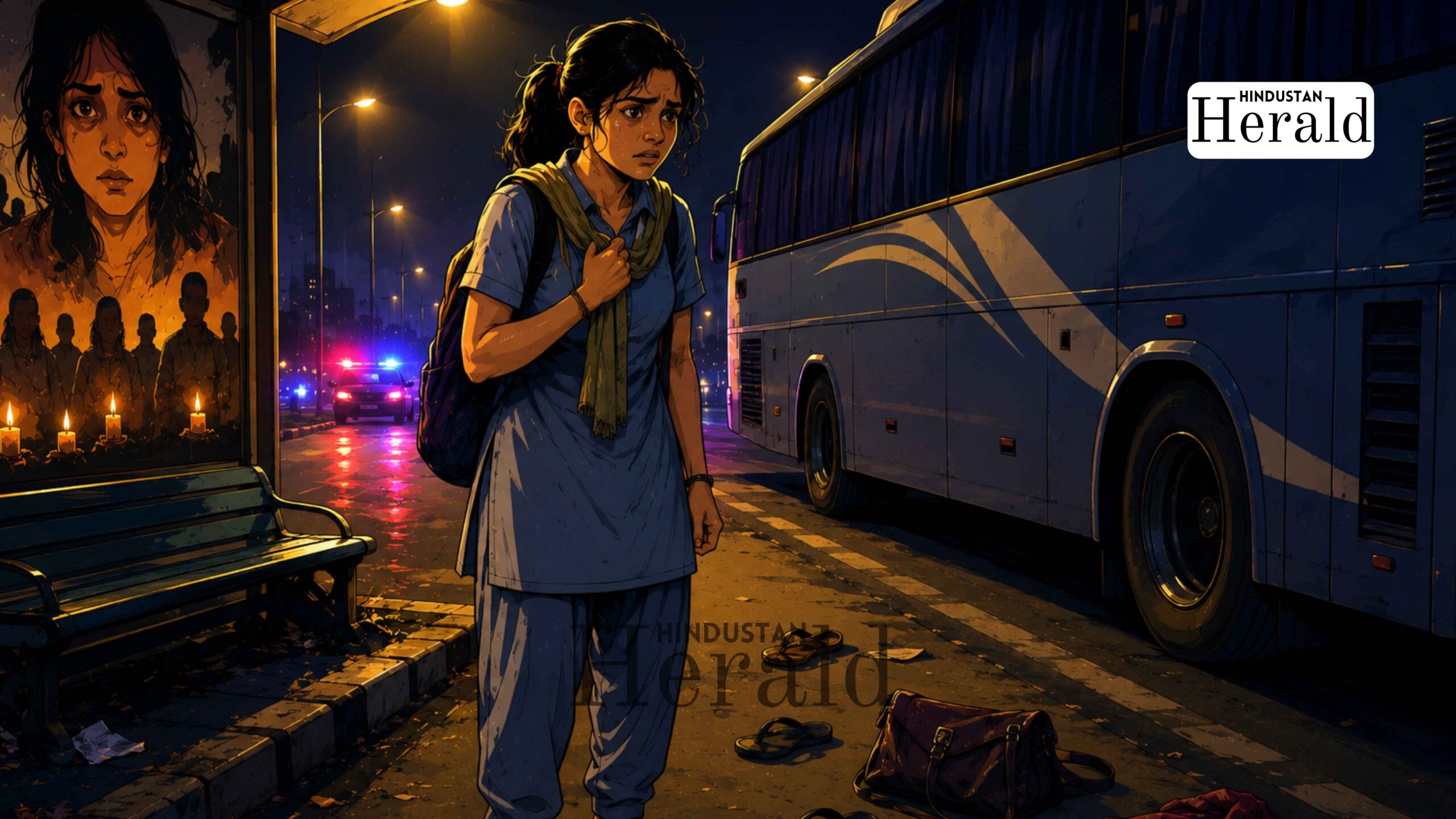
New Delhi, May 14: She only wanted to know what time it was. Think about that for a second. A 30-year-old woman, tired after a full day’s shift at a factory in Mangolpuri, walking toward home in Pitampura. It is late. She reaches a bus stop near B-Block in Saraswati Vihar. A sleeper bus is sitting there. A man is standing at the door. She does what any of us would do. She asks him the time.
That one small moment is what allegedly led to one of the most disturbing crimes this city has seen in years.
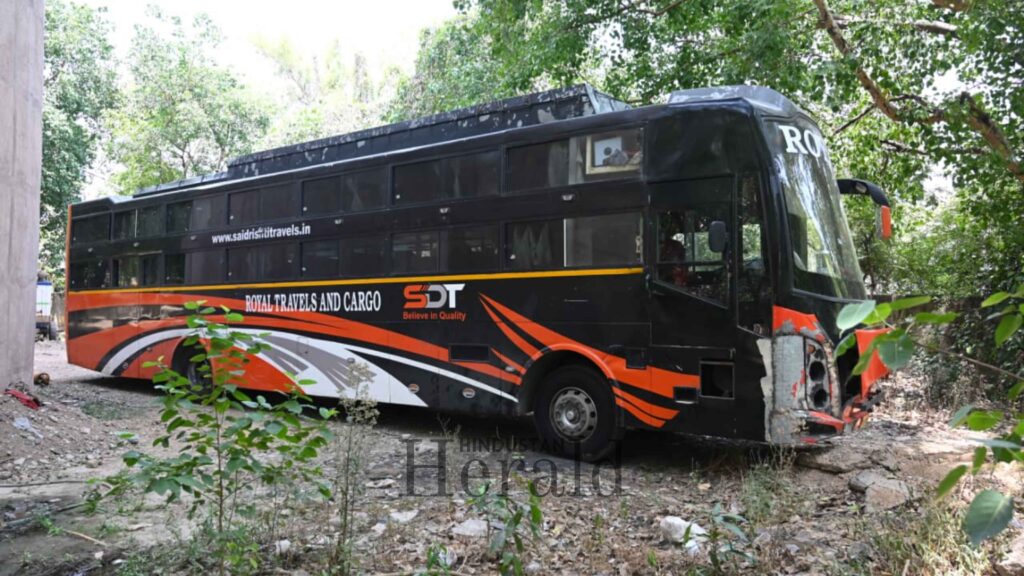
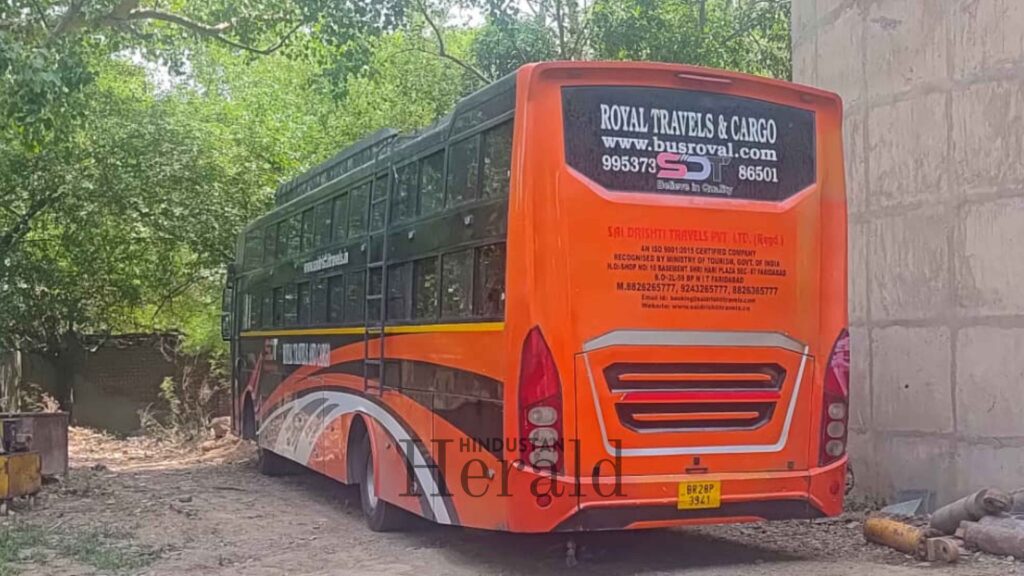
According to Delhi Police sources, the man dragged her inside the bus. What followed, over the next two hours, as that bus rolled through the streets of Rani Bagh covering roughly 7 kilometres, is something the police are now calling a gang rape. The driver and the conductor. Both of them. In a moving bus. While the rest of the city went about its night.
She is 30 years old. She has a husband. She has three children at home. She works a factory job and takes the bus like everyone else.
The two accused were arrested on Thursday. And within hours, one word was everywhere.
Nirbhaya.
Nobody Wanted to Say That Name Again
Most people in Delhi remember exactly where they were when they heard about December 2012. A young woman, a physiotherapy student, got on a private bus in south Delhi with a friend. What six men did to her inside that bus over the next few hours is still difficult to read about even today. She and her friend were thrown out onto a road afterward. She died thirteen days later.
The anger that followed was unlike anything India had seen in a long time. People sat in the rain at India Gate for days. Parliament moved. Laws changed. Courts were restructured. A fund was set up in her name. Everyone promised it would never happen again.
Fourteen years have passed since that night.
And here we are on May 14, 2026, writing almost the exact same story. Same city. A private bus. A woman alone at night. Men who drove that bus and were trusted with the safety of passengers. The details are different but the horror is identical and that is precisely what has people so shaken right now.
Saurabh Bharadwaj, the Delhi AAP chief, posted on social media that the woman was picked up on the excuse of being asked the time, then raped inside the moving bus for around two hours while it kept circling through Rani Bagh. Manish Sisodia, the former Deputy CM, was just as blunt. He wrote that girls in Delhi are not safe in schools and not safe in buses either.
You do not need to agree with either of them politically to feel the weight of what they are saying.
How This Actually Unfolded
The night was May 11. The woman had finished her shift and was heading home the way she always did. When she got near the bus stand in Saraswati Vihar, the sleeper bus was there. She walked up to ask about the time. According to police sources, that is when one of the accused grabbed her and pulled her inside.
The bus did not stop. It kept moving through the Rani Bagh area for close to two hours. The driver and the conductor both allegedly assaulted her during this time. When it was over, she somehow made her way back home.
Then she did something that, honestly, takes a lot of guts. She went to the police and told them everything.
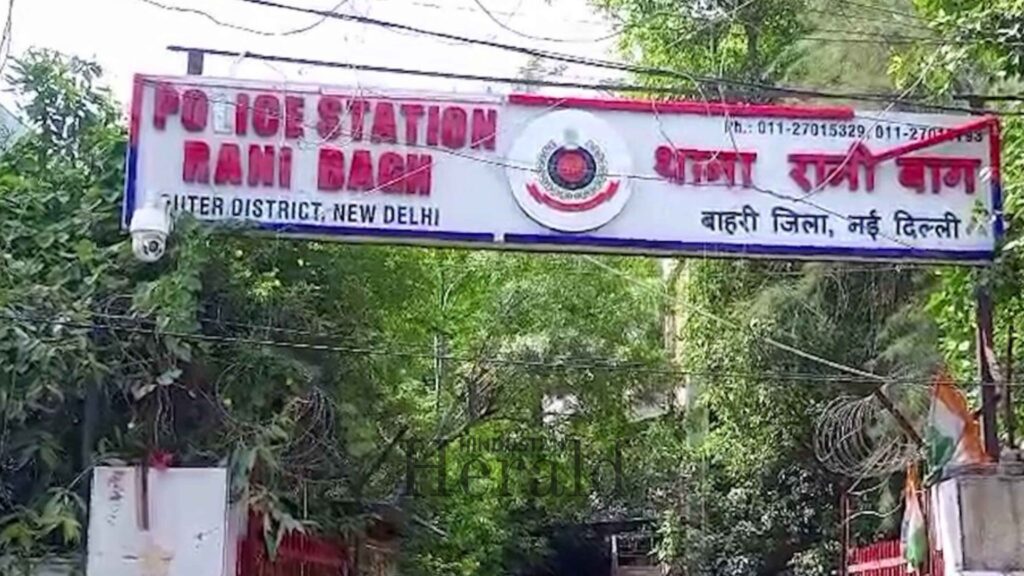
An FIR was registered on May 12 at Rani Bagh police station. Charges were filed under the new Bharatiya Nyaya Sanhita law, which replaced the old Indian Penal Code. The specific sections cover rape, gang rape, and common intention, meaning both men are being held equally responsible under the law for what happened inside that bus. Her medical examination was completed. The bus was seized. Both accused were arrested by Thursday morning.
The police say the investigation is still going on and every angle is being looked at.
This Woman Deserves More Than a Paragraph
Here is something worth saying plainly. Women from working-class backgrounds, women who live in slum clusters and work factory shifts and take late buses home, do not always go to the police when something like this happens to them. Not because they do not want justice. But because they have seen enough to know how these things usually go.
The questions that get asked. The looks they get. The way their character somehow becomes part of the investigation. The family pressure to stay quiet. The fear of being known as the woman who filed a rape case, because in too many neighbourhoods that label sticks to the victim and not the accused.
This woman went anyway. She sat in front of the police and described what happened to her in enough detail that two men were arrested within three days. She is a mother of three. She works hard for a living. She was on her way home.
She deserves to be seen as more than a crime statistic in a news report.
All These Laws and Still This Happens
After the 2012 Nirbhaya case, the government did a lot of things. Cameras went up at bus stops. A women’s helpline bus service started. Drivers and conductors of private vehicles were supposed to go through police verification before being hired. GPS tracking was made mandatory on commercial buses. Sentences for gang rape under the new laws can go up to life imprisonment, with a minimum of twenty years.
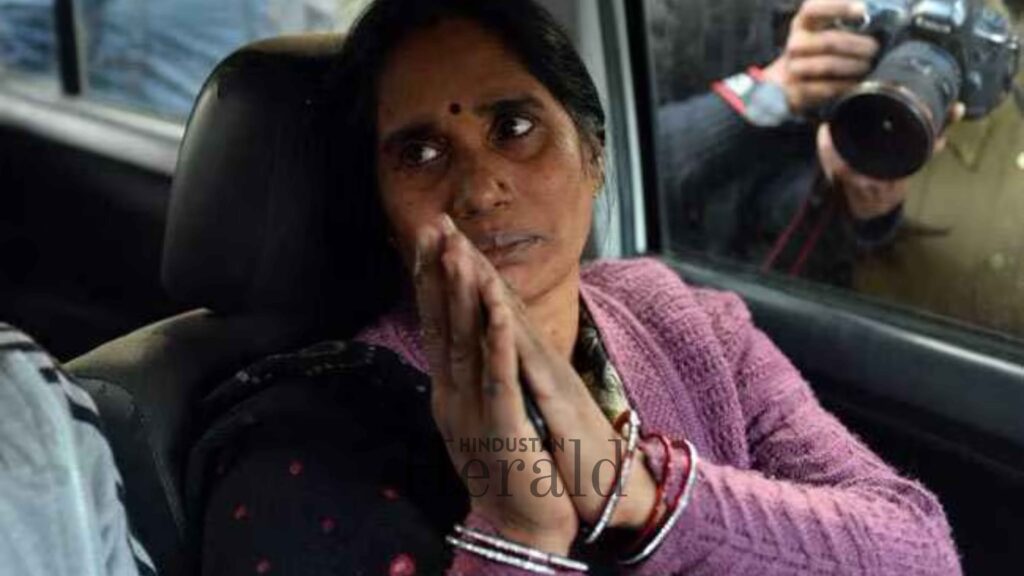
Twenty years minimum. That is what the law says.
And yet two men who drove a bus for a living, men who presumably went through whatever verification process exists, allegedly spent two hours assaulting a woman inside that vehicle while it moved through a residential part of northwest Delhi.
The cameras at the bus stop could not follow her inside the bus. The GPS tracked the route but did not stop what was happening. The strict laws sat in a rulebook somewhere while this woman endured what she endured.
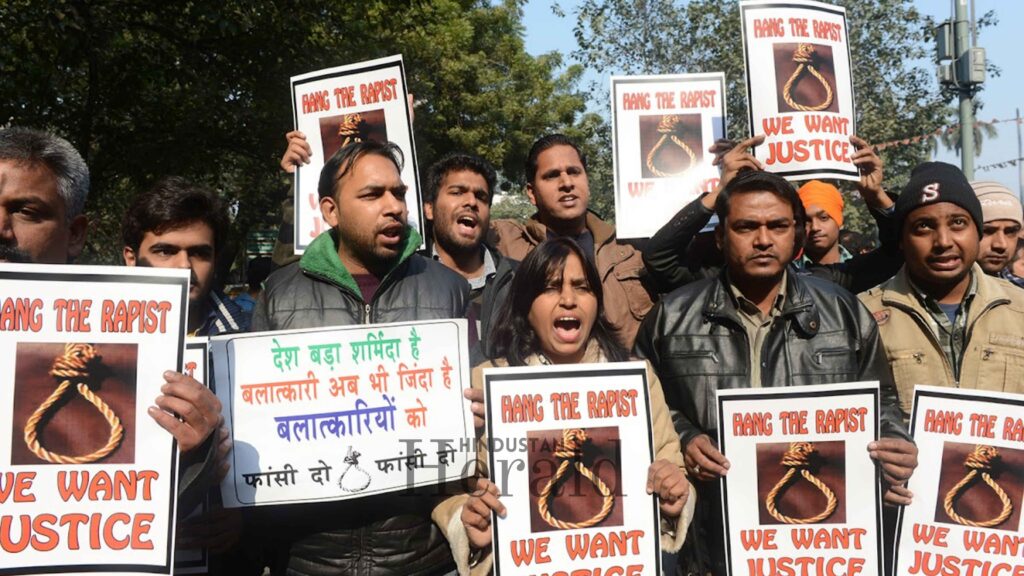
None of this means the laws are useless. They are not. But there is clearly a massive gap between what looks good in a government order and what actually protects a woman walking home from work at night in Pitampura. Closing that gap is not about passing another law. It is about making the existing ones actually work on the ground, in real police stations, with real officers who take these complaints seriously from the very first minute.
Where Things Stand Right Now
The two accused, the driver and the conductor of the sleeper bus, are in police custody. The bus itself has been seized and forensic work is underway. The case is registered at Rani Bagh police station and is expected to move toward a charge sheet. Under fast-track court rules, cases like this are supposed to be resolved within 60 days of the charge sheet being filed. That timeline has not always been followed in the past but the pressure on this case, given how loudly it has been picked up, may push things along faster.
The survivor is alive. That matters enormously, especially when you think back to 2012 and how that story ended.
She filed her complaint. She got the FIR registered. She got two men arrested. The system, at least in these early steps, responded the way it was supposed to.
What comes next is where things historically tend to go wrong. The long court dates. The delays. The defence lawyers questioning everything. The slow grinding process that wears survivors down over months and years. That part is still ahead and it will take sustained public attention to make sure this case does not quietly disappear from the news cycle and then from the courts’ priority list.
Delhi Has Heard This Before
The anger right now is real. Social media is full of it. Politicians are speaking. News channels are running the story on loop. People are making the Nirbhaya comparison and they are not wrong to do it.
But Delhi has been angry before. It was angry in 2012 and the anger produced real change, at least on paper. The question that nobody has a good answer to yet is why that change did not reach the Saraswati Vihar bus stand on the night of May 11, 2026, where a tired woman was trying to find out what time it was so she could get home to her children.
That is the question this city needs to sit with. Not for 48 hours until the next news cycle takes over. But long enough to actually do something different.
A woman asked a stranger the time.
She just wanted to go home.
Stay ahead with Hindustan Herald — bringing you trusted news, sharp analysis, and stories that matter across Politics, Business, Technology, Sports, Entertainment, Lifestyle, and more.
Connect with us on Facebook, Instagram, X (Twitter), LinkedIn, YouTube, and join our Telegram community @hindustanherald for real-time updates.

Regional journalist bringing grassroots perspectives and stories from towns and cities across India.
- Sandeep Verma

- Sandeep Verma
- Sandeep Verma
- Sandeep Verma




 Ananya Sharma