
 By Shelesh Joshi and Kavita Iyer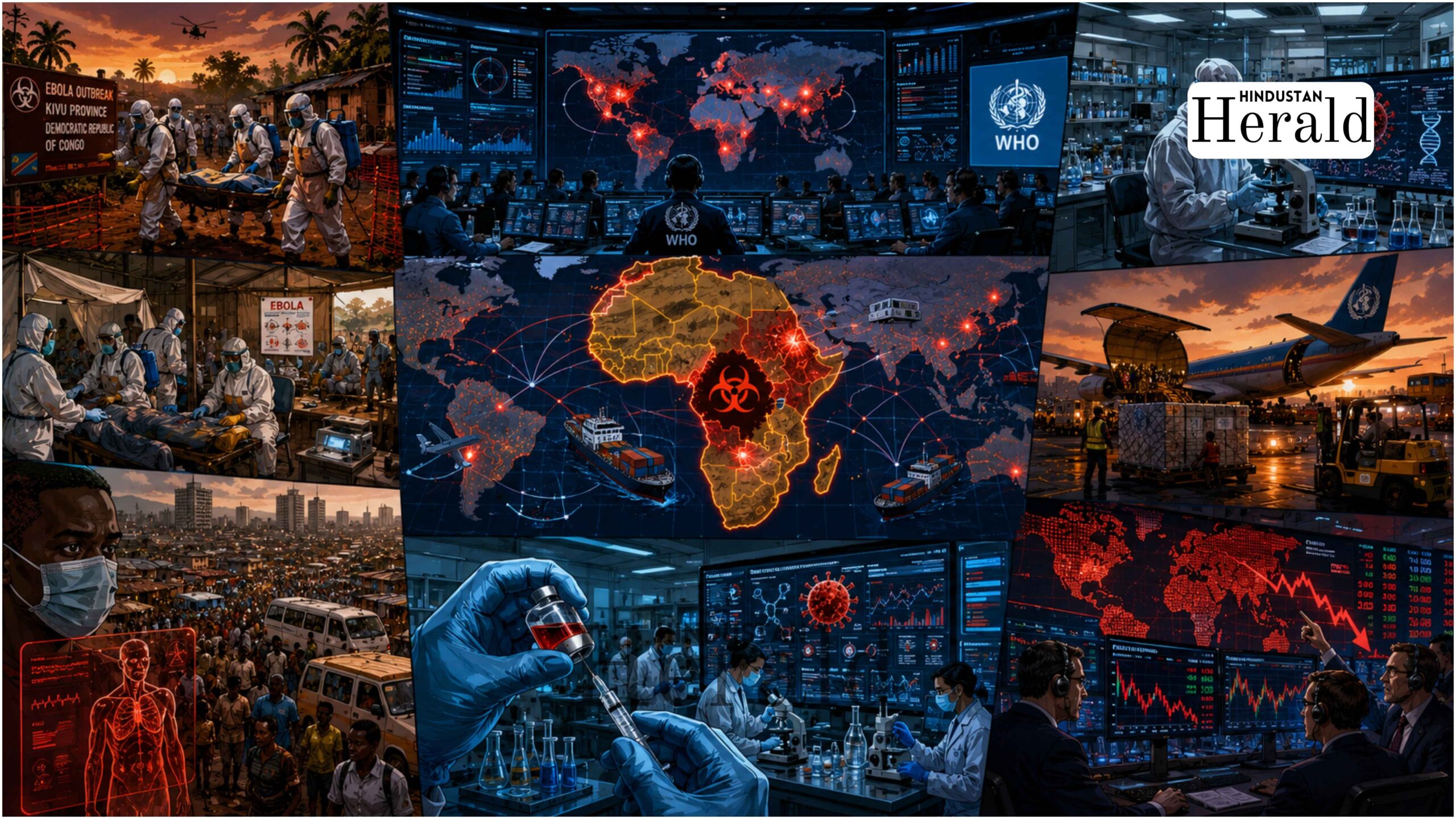
New Delhi, May 19: The Ebola outbreak currently ripping through eastern Congo is two days into being a formally declared global emergency, and most Indian business desks have not fully registered what that means yet.
Not for public health. For money. Because when an Ebola outbreak earns a PHEIC, it does economic damage well beyond what the death toll alone would suggest.
The WHO issued its Public Health Emergency of International Concern declaration on May 16 only the third time an Ebola outbreak has triggered that level of alarm in history. The declaration came because the rare Bundibugyo strain of the virus, which originated in Ituri Province in eastern DRC, had already crossed the border into Uganda and put two confirmed cases in Kampala within a single day, with no apparent link between them. That last part matters more than anything else in the Ebola outbreak case count.
As of May 18, the numbers from the U.S. Centers for Disease Control and Prevention stood at 11 confirmed cases, 336 suspected cases, and 88 deaths across nine health zones in Ituri. On May 17, an American healthcare worker who had been treating patients in DRC tested positive and is now being flown to Germany for care.
So yes, the Ebola outbreak has already reached a Western expat. It has already crossed one international border. And the WHO’s own assessment is that the real scale of what is happening in Ituri is probably much larger than confirmed numbers show. This is the moment Indian investors, exporters, and pharma companies should be doing the math.
This Is Not Your Average Ebola Outbreak
The Bundibugyo strain is genuinely obscure, even by Ebola standards. It has caused exactly two outbreaks before this one. The 2007 outbreak in Uganda: 55 cases. The 2012 outbreak in DRC: 57 cases. Between those two events and today, Bundibugyo spent over a decade causing essentially no human disease at all. This Ebola outbreak has already blown past both those totals in under a month.
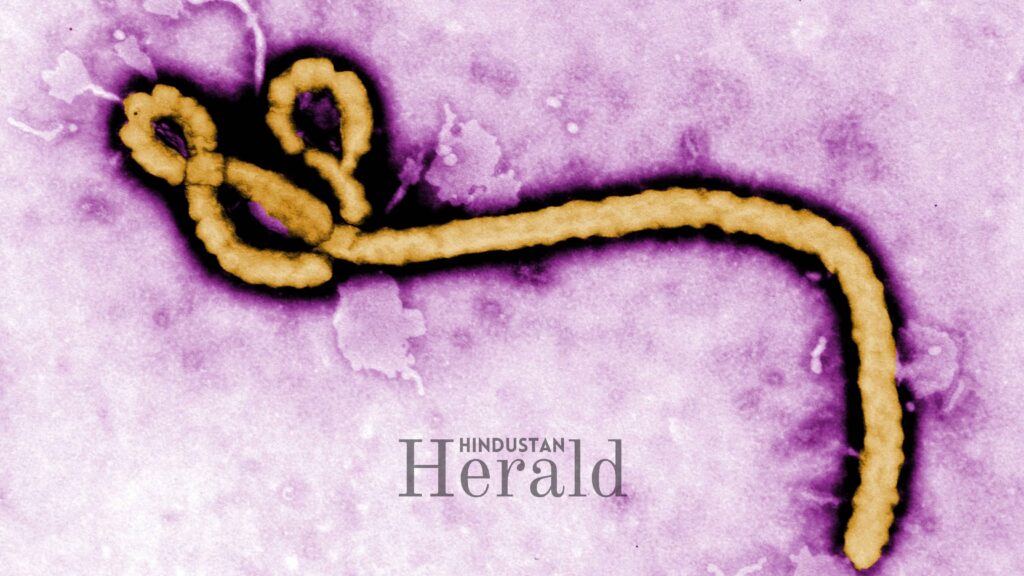
Here is the part that changes the commercial equation entirely Merck’s Ervebo, the only licensed Ebola vaccine on earth, was built for the Zaire strain. It does not work on Bundibugyo. These are different species of the same viral genus. You cannot simply open the stockpile and start vaccinating.
As reported by Al Jazeera and confirmed through WHO communications, there are no approved vaccines and no approved treatments for the strain now circulating in Ituri.
Some experimental options exist. Mapp Biopharmaceutical’s MBP 134 and Auro Vaccines’ VesiculoVax have shown encouraging results in non human primate studies, per DD India. The antiviral NV 387, which NanoViricides is currently running through mpox trials, has been mentioned as a possible candidate. None of them have cleared human use regulatory approval anywhere.
What that means in practice is that the world is facing an active, spreading Ebola outbreak with no licensed tool to stop it and the first pharmaceutical company to change that enters a completely uncontested market.
India Could Be in That Race. Right Now, It Is Not.
When the WHO declares a PHEIC for a pathogen with no licensed product, the global pharma industry does not wait around.
R&D timelines get compressed around an active Ebola outbreak. Regulatory bodies start signalling openness to emergency use authorisations. Procurement agencies at Gavi and UNICEF begin working out which manufacturers have relevant capabilities and how quickly they can scale. None of that has been publicly triggered for an Indian company yet in the context of this Ebola outbreak.
And that is a real question worth sitting with, because Serum Institute of India, Bharat Biotech, and Biological E all carry the platform infrastructure to pursue viral vector vaccine development at scale. These are not small operations with limited reach. Serum Institute is the world’s largest vaccine manufacturer by volume. Bharat Biotech built Covaxin from scratch and got it to market during a live pandemic. No publicly confirmed Bundibugyo programme exists at any of them as of today.
That could change. The PHEIC declaration, and the WHO’s specific call for accelerating emergency authorisation pathways, is exactly the kind of signal that has historically pushed Indian manufacturers into action. But the clock is already running on this Ebola outbreak, and every week that passes without a filed application is a week of competitive ground lost.
COVID 19 showed what Indian pharma can do when it moves fast. The question is whether anyone is deciding to move right now.
The Three Week Diagnosis Gap Should Worry Everyone in Trade
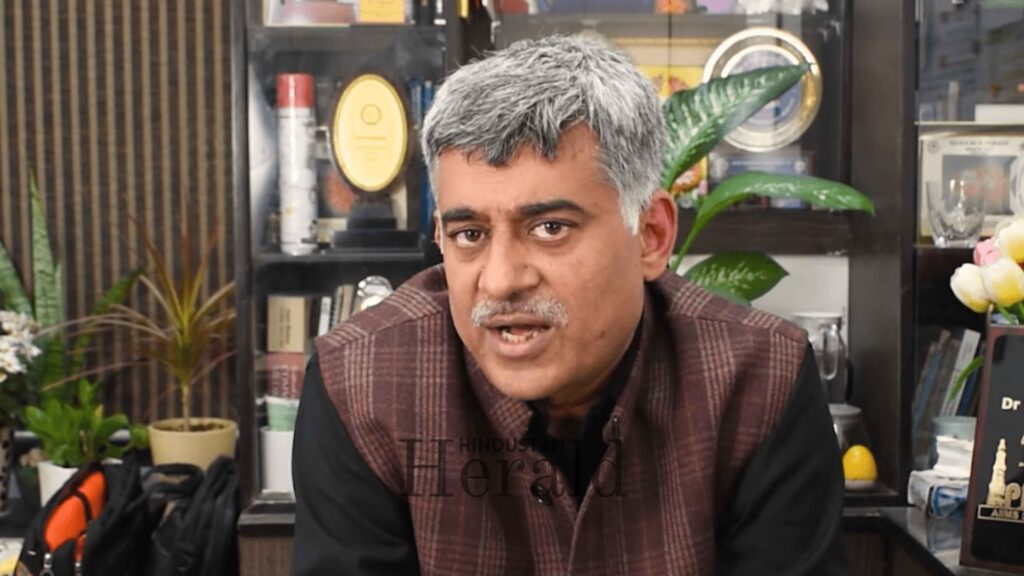
India’s immediate health risk is low. Dr Sanjay Rai of AIIMS Delhi said as much to The Federal on May 18, pointing to airport thermal screening systems and disease surveillance that are meaningfully stronger than they were during previous Ebola outbreak scares.
Business Today confirmed no detected cases in India. Fine. But here is what is not getting enough attention inside that reassuring framing and what every trade desk tracking an Ebola outbreak of this scale should already be asking.
The nurse who became the index case in this Ebola outbreak walked into a hospital in Bunia, Ituri’s main city, on April 24 with symptoms consistent with Ebola. Three weeks passed before anyone confirmed what they were dealing with.
Three weeks. That is the gap between an infectious person moving through a healthcare system and a public health response being activated. In those three weeks, contacts were made, some of them travelled, some of them got sick and died before contact tracers could reach them. The CDC noted in its situation update that several suspected cases in Ituri became symptomatic and died in the community before any isolation was possible not because the health system is indifferent, but because armed groups control road access in parts of Ituri and response teams simply cannot get in.
Ituri Province has been a conflict zone for the better part of two decades. The WHO’s own PHEIC declaration acknowledged that ongoing insecurity and high population mobility in the region compound the spread risk in ways that were also seen during the 2018-2019 Ebola outbreak in North Kivu another Ituri adjacent crisis that took nearly two years to contain and produced over 3,400 confirmed cases, the second largest Ebola epidemic on record.
The current Ebola outbreak is in the same geographic pocket, against the same logistical backdrop, with no licensed vaccine. The containment timeline is almost certainly longer than official optimism is currently suggesting.
For Indian trade desks, that has a direct implication. A longer containment timeline means longer disruption to the freight corridors, banking relationships, and insurance structures that connect India to this part of Africa.
What an Ebola Outbreak Actually Does to Economies
People tend to think about Ebola outbreak economics in terms of the direct costs hospital beds, treatment, containment operations. Those are real, but they are not where the bulk of the damage accumulates.
The bigger cost is behavioural. During the 2014-2016 West Africa Ebola outbreak the largest in recorded history, centred on Guinea, Liberia, and Sierra Leone the World Bank calculated economic losses of approximately USD 2.2 billion across those three nations in 2015 alone. That outbreak never seriously threatened a major international transport hub. It barely spread outside West Africa. And yet the IMF found that GDP growth in the most affected nations contracted by an average of 3.4 percentage points against pre crisis projections.
What caused that? Not deaths. Fear. Companies pulled their staff out. Buyers delayed or cancelled procurement orders. Freight operators started adding surcharges before any formal restriction was even announced. Airlines pulled routes. Foreign investment dried up quietly, without anyone announcing it, because no board wanted to be associated with a region marked by a health emergency.
The current Ebola outbreak is happening in a DRC that is more integrated into global trade than the 2014 West Africa nations ever were. East Africa has grown substantially as an export destination for Indian pharmaceuticals, agribusiness products, and consumer goods over the past decade. The channels through which economic disruption travels are wider now. That does not mean the outcome will necessarily be worse it means the downside scenario is bigger.
USD 22 Billion in African Trade, and the Freight Math Is Already Changing
India’s exports to Sub Saharan Africa stood at approximately USD 22 billion in FY2023-24, according to the Directorate General of Commercial Intelligence and Statistics and a sustained Ebola outbreak in the region puts a meaningful portion of that at risk. Pharmaceuticals account for a major portion of that total. The DRC is not India’s single largest African trading partner, but it sits at the centre of a regional web that now includes Uganda, Kenya, Rwanda, and South Sudan every one of which is either directly touched by the current Ebola outbreak or formally running elevated surveillance.
On May 18, the United States moved. The CDC and Department of Homeland Security jointly implemented enhanced travel screening and entry restrictions. That is the world’s largest economy treating this Ebola outbreak as a serious border risk, and when America moves, freight and insurance markets follow.
Kenya which handles a significant share of the logistics for Indian goods moving into East Africa publicly rated its Ebola importation risk as “moderate” and activated a dedicated preparedness team at all entry points, as reported by CBS News.
“Moderate” sounds calm. It is not, in logistics terms. Freight pricing around an active Ebola outbreak zone moves before the formal restrictions do. When a key transit hub uses that language, freight forwarders start pricing in contingencies. Insurance underwriters start reviewing their loadings. Cargo operators build delays into scheduling. None of it is dramatic in isolation. But it adds up, and it adds up against Indian exporters who built those corridors over years.
The Insurance Gap Most Indian Exporters Have Not Noticed
There is a specific financial exposure sitting quietly inside many Indian export businesses that the current Ebola outbreak declaration is about to drag into daylight.
Business interruption insurance policies the kind that mid sized pharmaceutical and agribusiness exporters typically carry frequently exclude epidemic and pandemic events unless the company specifically added a rider when renewing. Most did not. COVID 19 litigation made the gap visible but did not necessarily prompt everyone to fix it before the next Ebola outbreak or equivalent crisis arrived.
A trade disruption caused directly by the current Ebola outbreak may not produce a valid claim under those policies. The disruption would be real. The financial loss would be real. The coverage may simply not exist. Exporters who have not reviewed their policy wording in the past 12 months should probably do that today rather than waiting for a problem to confirm it.
The receivables side has a different problem. Letters of Credit drawn through correspondent banks in DRC, Uganda, or South Sudan carry counterparty risk that trade credit insurers will begin flagging as the Ebola outbreak develops particularly if the WHO Emergency Committee’s formal recommendations, not yet published as of May 19, formalise trade or banking restrictions as part of the PHEIC response. The LCs are real. Getting paid against them may not be straightforward if the regional banking environment tightens around a health emergency declaration.
India’s G20 Promises Are Being Tested Right Now
One more dimension that is not getting the analysis it deserves. India’s G20 presidency in 2023 put pandemic preparedness front and centre of the Health Track agenda. The One Future framework that came out of that year explicitly named viral haemorrhagic fevers the class of disease that includes this Ebola outbreak as priority pathogens requiring coordinated international preparedness funding and manufacturing readiness.
India positioned itself as a Vishwaguru of global health. Vaccine Maitri was cited regularly. Partnerships with the Coalition for Epidemic Preparedness Innovations were announced. Bilateral health agreements with African Union member states were signed and publicised.
That positioning was not empty India has genuine pharmaceutical capacity and real international relationships built through years of work.
But there is a difference between capacity and readiness. Between partnerships that exist on paper and agreements that have clinical trial applications or procurement contracts attached to them.
Observers familiar with the Indian Council of Medical Research have noted in various forums that the operational gap in India’s viral haemorrhagic fever response capability diagnostics, field protocols, manufacturing agreements specifically for outbreak strains remains significant despite the diplomatic commitments made in 2023.
This Ebola outbreak is the live test of whether those G20 era commitments produced anything that actually deploys when it matters.
If India can offer diagnostics, manufacturing capacity, or technical support tied to the current crisis in the coming weeks, that validates years of health diplomacy and creates real commercial positioning.
If the response stays at the level of review meetings and airport screenings, then the gap between India’s stated ambitions and its operational reality becomes visible in a way that matters not just for reputation, but for future procurement conversations that will happen once this Ebola outbreak is eventually over.
What to Actually Watch From Here
There are three things that will tell you how seriously to take the economic risk in the next 30 days. The first is whether another confirmed case from this Ebola outbreak surfaces outside DRC, Uganda, and South Sudan. The fact that Kampala recorded two unrelated cases within 24 hours of each other is the detail epidemiologists flagged most urgently. Unconnected importations suggest the outbreak is larger and more dispersed than the confirmed case count shows.
The second is the WHO Emergency Committee’s formal recommendations, still pending as of today. Whatever comes out of that document will define whether trade advisories, border restrictions, or banking cautions get formalised into policy each of which carries direct consequences for Indian export corridors.
The third is whether any Indian pharmaceutical company makes a public move toward emergency authorisation or clinical trial application for a Bundibugyo specific product tied to this Ebola outbreak. That would be both a public health signal and a significant commercial one. India’s NCDC is watching. The Health Ministry has held its review meeting. Those are the right first steps.
But watching is different from leading. And in a situation like this Ebola outbreak a declared global emergency with no licensed treatment, spreading through a conflict zone, crossing borders faster than containment protocols are being drawn — the companies and governments that lead early are the ones still relevant when it ends. The emergency was declared two days ago. The window is open.
Stay ahead with Hindustan Herald — bringing you trusted news, sharp analysis, and stories that matter across Politics, Business, Technology, Sports, Entertainment, Lifestyle, and more.
Connect with us on Facebook, Instagram, X (Twitter), LinkedIn, YouTube, and join our Telegram community @hindustanherald for real-time updates.

Tracking world politics, global markets, trade movements, policy decisions, and the changing balance of economic power.
- Shelesh Joshi

- Shelesh Joshi
- Shelesh Joshi

- Shelesh Joshi





Former financial consultant turned journalist, reporting on markets, industry trends, and economic policy.
- Kavita Iyer
- Kavita Iyer
- Kavita Iyer
- Kavita Iyer