
 By Shelesh Joshi and Kavita Iyer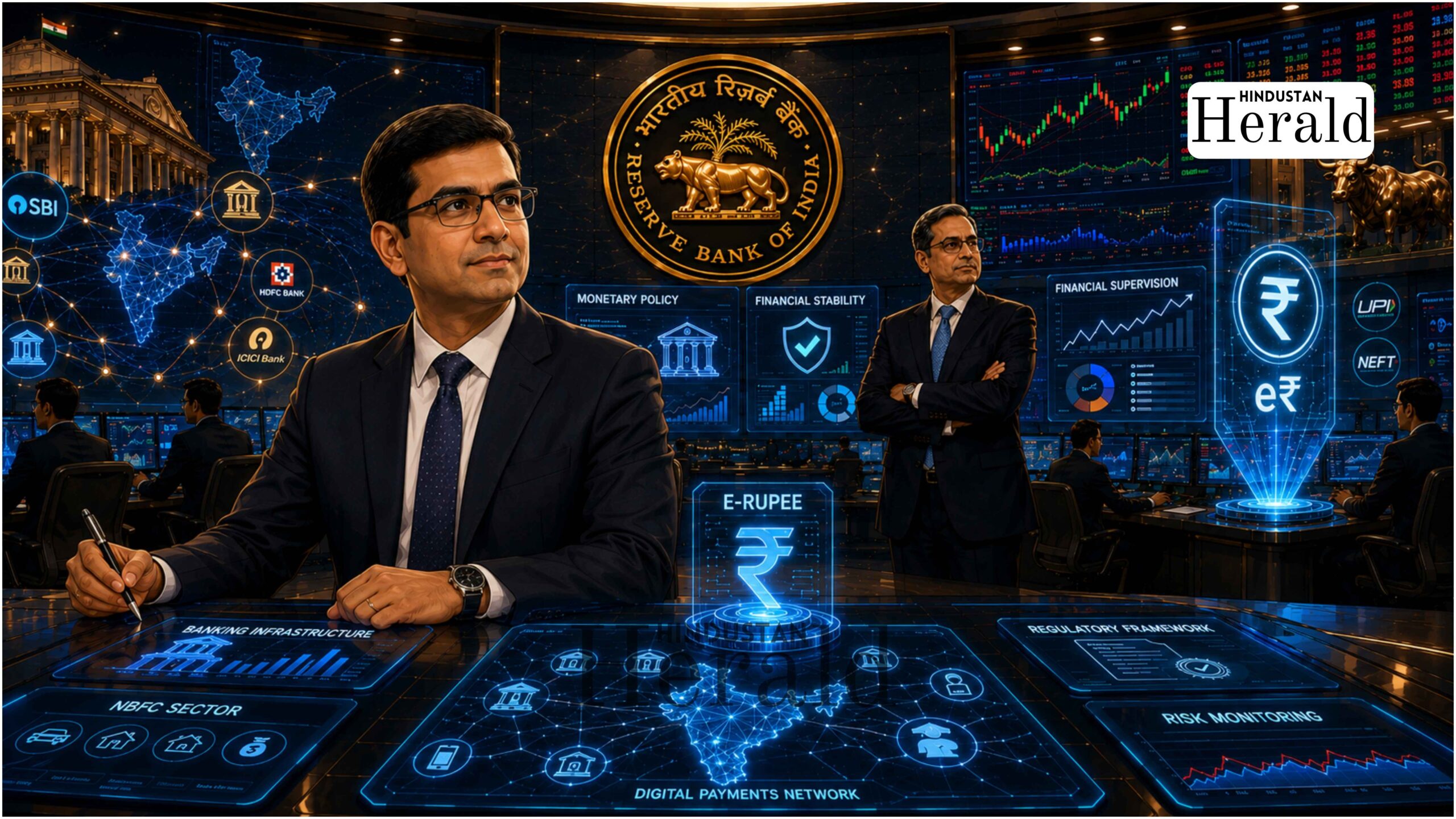
Mumbai, May 19: RBI Executive Director Gunveer Singh: One Appointment, One Date, One Big Story.
RBI Executive Director is not a title the Reserve Bank of India hands out without thought. Every officer who has ever held that designation has earned it through years of work inside one of the most demanding institutions in Indian public life.
On Monday, that title went to Gunveer Singh, effective May 18, 2026. As per the RBI’s official statement, Singh was serving as Chief General Manager in Charge of the Department of Payment and Settlement Systems before his elevation to this role.
Three sentences in an official release. No press conference. No market briefing. No statement designed to generate headlines. And yet, every compliance head, every payments industry executive, and every fintech platform watching the RBI closely read that notice and immediately started thinking about what it means for them. Here is why that release matters far more than its brevity suggests.
1. The RBI Executive Director Role Is More Powerful Than Most People Realise
Most people outside the financial sector picture the Reserve Bank of India as the institution that sets interest rates, manages the rupee, and occasionally sends strongly worded letters to errant banks. All of that is true. But it describes maybe fifteen percent of what the central bank actually does on any given week.
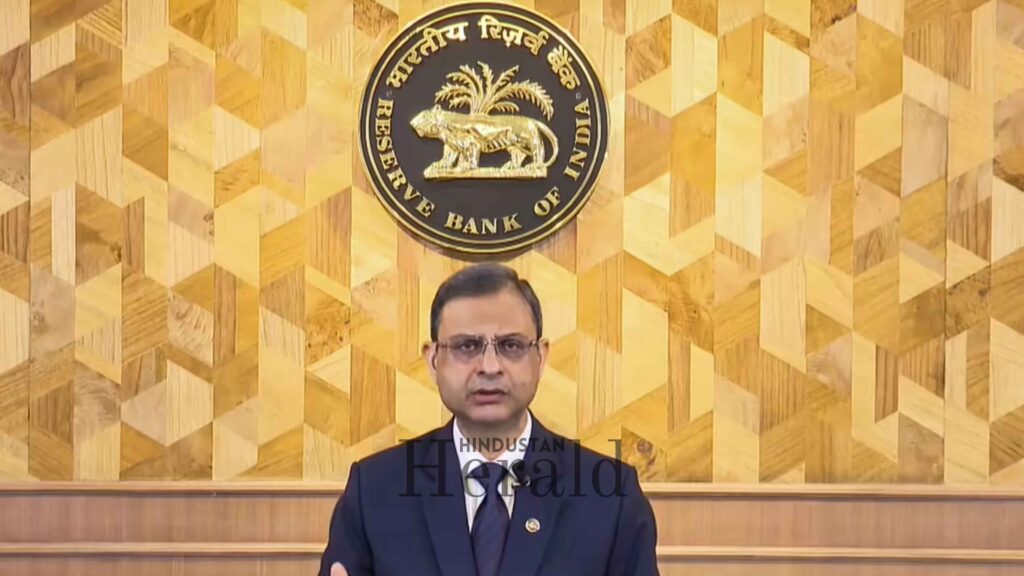
Governor Sanjay Malhotra, who took charge in December 2024 after a long career in the Finance Ministry, is the face of the RBI. He chairs the Monetary Policy Committee. He speaks to Parliament. He is the name journalists reach for when they need a quote about the Indian economy. But Malhotra cannot personally run twenty plus departments.
His four Deputy Governors, M. Rajeshwar Rao, T. Rabi Sankar, Swaminathan J., and Michael Debabrata Patra, together cover virtually every function the bank performs. But even they operate largely at a strategic level. The RBI Executive Director tier is where real operational governance happens every single day.
Each RBI Executive Director runs a cluster of departments. They approve draft regulations before anything goes upstairs. They chair internal committees. They coordinate the institution’s response when something in the financial system starts going sideways. The RBI Executive Director is not the face of the central bank. The RBI Executive Director is the spine. When a new RBI Executive Director takes charge of a critical department like payments, the entire ecosystem that depends on that department pays very close attention.
2. The New RBI Executive Director Brings Over 3 Decades of Experience to the Role
RBI Executive Director Gunveer Singh is precisely the kind of officer this role demands. According to the RBI’s official statement, Singh has over three decades of experience within the central bank, having worked across payment and settlement systems, banking and non banking supervision, risk monitoring, and government banking. That is not a resume assembled for appearances. That is a career built entirely inside the institution, across functions that together cover the full breadth of what the central bank does on any given day.

What makes Singh’s profile particularly interesting is an international posting that most coverage has glossed over. As per the RBI, Singh served as a payment systems expert at the Central Bank of Oman, giving him direct exposure to cross border payment frameworks and regulatory practices beyond India’s borders.
That international experience is worth noting carefully. As India pushes to integrate its payment infrastructure with global corridors, particularly through cross border UPI linkages and CBDC frameworks, an RBI Executive Director who has worked on payment systems outside India brings something genuinely valuable to the table.
Singh is also a qualified Chartered Accountant and a Cost and Works Accountant, credentials that matter significantly in a role combining regulatory oversight, financial risk assessment, and operational governance in equal measure. The central bank, by elevating Singh from Chief General Manager in Charge of the very same department he now leads as RBI Executive Director, has also sent a clear signal: continuity. There will be no learning curve, no adjustment period, no gap in institutional knowledge at the top of one of India’s most consequential financial departments.
3. The Department This RBI Executive Director Now Leads Is at the Heart of India’s Digital Economy
As confirmed in the RBI’s official announcement, Singh as the new RBI Executive Director will look after the Department of Payment and Settlement Systems. That single line carries enormous weight. Let us unpack what it actually means. The Department of Payment and Settlement Systems is the RBI division responsible for regulating every payment system operator in the country. It sets the technical and security standards that banks, fintechs, and payment aggregators must follow. It oversees interoperability frameworks. It manages the policy architecture behind UPI, RTGS, NEFT, and the expanding CBDC infrastructure.
As per publicly available information, India’s digital payments ecosystem has grown to a scale where the department’s mandate now covers real time gross settlement, central securities depositories, and cross border payment linkages, each of which carries its own regulatory complexity and systemic importance.
In plain terms: if money moves digitally in India, this department has a hand in governing how that happens. The RBI has been actively focused on scaling UPI, enabling interoperable systems, and strengthening cybersecurity and resilience across payment networks. Every one of those priorities now sits directly under Singh’s charge as the new RBI Executive Director.
4. Three Industry Conversations That Just Got More Interesting Under This RBI Executive Director
The UPI ecosystem is the most immediate area of focus. India’s Unified Payments Interface processed billions of transactions through 2025 and continues to grow at a pace that constantly pushes the limits of the underlying infrastructure. The RBI Executive Director overseeing payment systems is the officer responsible for ensuring that infrastructure keeps pace with volume, that security frameworks evolve alongside new threat vectors, and that the regulatory environment supports innovation without compromising systemic safety.
Singh’s three decade career across risk monitoring and supervision makes him well positioned for exactly this kind of work. That balance between enabling growth and enforcing guardrails is genuinely difficult to maintain, and it requires an officer who understands both the technical complexity of payment systems and the regulatory philosophy that should govern them.
The cross border payments agenda is the second conversation that just changed. India has been building bilateral payment linkages with multiple countries, enabling UPI to function across borders and positioning the rupee settlement infrastructure for greater international use. The RBI Executive Director in charge of payment systems has a direct hand in how those bilateral frameworks are negotiated, structured, and operationalised on the ground.
Singh’s posting at the Central Bank of Oman gives him a practical understanding of how cross border regulatory frameworks are built from the other side of the table. That is a perspective very few officers at his level can claim.
The CBDC programme is the third and perhaps the most closely watched file of all. The e rupee retail pilot has been scaling steadily since its December 2022 launch, and the decisions made at this stage of the rollout will shape how India’s payment infrastructure looks for the next ten years. The RBI Executive Director overseeing that file will be central to every major call along the way.
5. What This RBI Executive Director Appointment Tells the Market Right Now
The Indian financial sector, and particularly the payments and fintech industry, does not treat RBI Executive Director appointments as routine personnel events. It never has. The moment a new RBI Executive Director is confirmed for the payments department, a very specific set of conversations begins across the industry.
Payment system operators start reviewing their compliance posture. Fintech platforms look at pending applications and ongoing regulatory engagements and quietly recalibrate their timelines. Banks with significant digital payments infrastructure think about how the new leadership might approach the issues that have been sitting in the in tray.
The RBI continues to push for innovation in payments while simultaneously maintaining financial stability and consumer protection. That dual mandate, innovation and stability, is the central tension the new RBI Executive Director will be asked to navigate every single day.
Foreign institutional investors with positions in Indian fintech stocks and digital banking plays are equally attentive. The regulatory posture of the payments department has direct implications for how quickly new business models can be approved, how aggressively existing frameworks are enforced, and how open the central bank is to structural changes in the payments landscape.
As per the RBI’s own statement, Singh’s appointment reflects the central bank’s emphasis on building institutional capacity within critical operational departments. His elevation also underscores the importance the regulator places on payment systems as a core component of India’s financial infrastructure. That is the RBI saying, in its characteristically understated way, that it takes this department seriously enough to put one of its most experienced career officers in charge of it.
What This RBI Executive Director Appointment Says About the Institution Itself
There is a quieter dimension to this story that deserves a moment. Singh was already running the Department of Payment and Settlement Systems as Chief General Manager in Charge. His elevation to RBI Executive Director with charge of the same department is not a random reshuffle. It is a deliberate choice to keep an experienced, trusted hand on one of the most operationally critical departments in the central bank at a moment of genuine importance for India’s digital financial infrastructure. The RBI has consistently filled its Executive Director positions from within rather than reaching outside. Bang’s elevation continues that pattern and strengthens it.
It says the internal talent pipeline is healthy. It says there are no leadership gaps the institution is scrambling to plug. It says Mint Street has the bench depth to keep running at full capacity through normal cycles of superannuation and succession.
For a central bank whose credibility depends substantially on the perception of stability and continuity, that is a credibility signal that markets, regulated entities, and international counterparts all read carefully. The RBI knows what it is doing. And it has the people to keep doing it.
What to Watch For After This RBI Executive Director Announcement
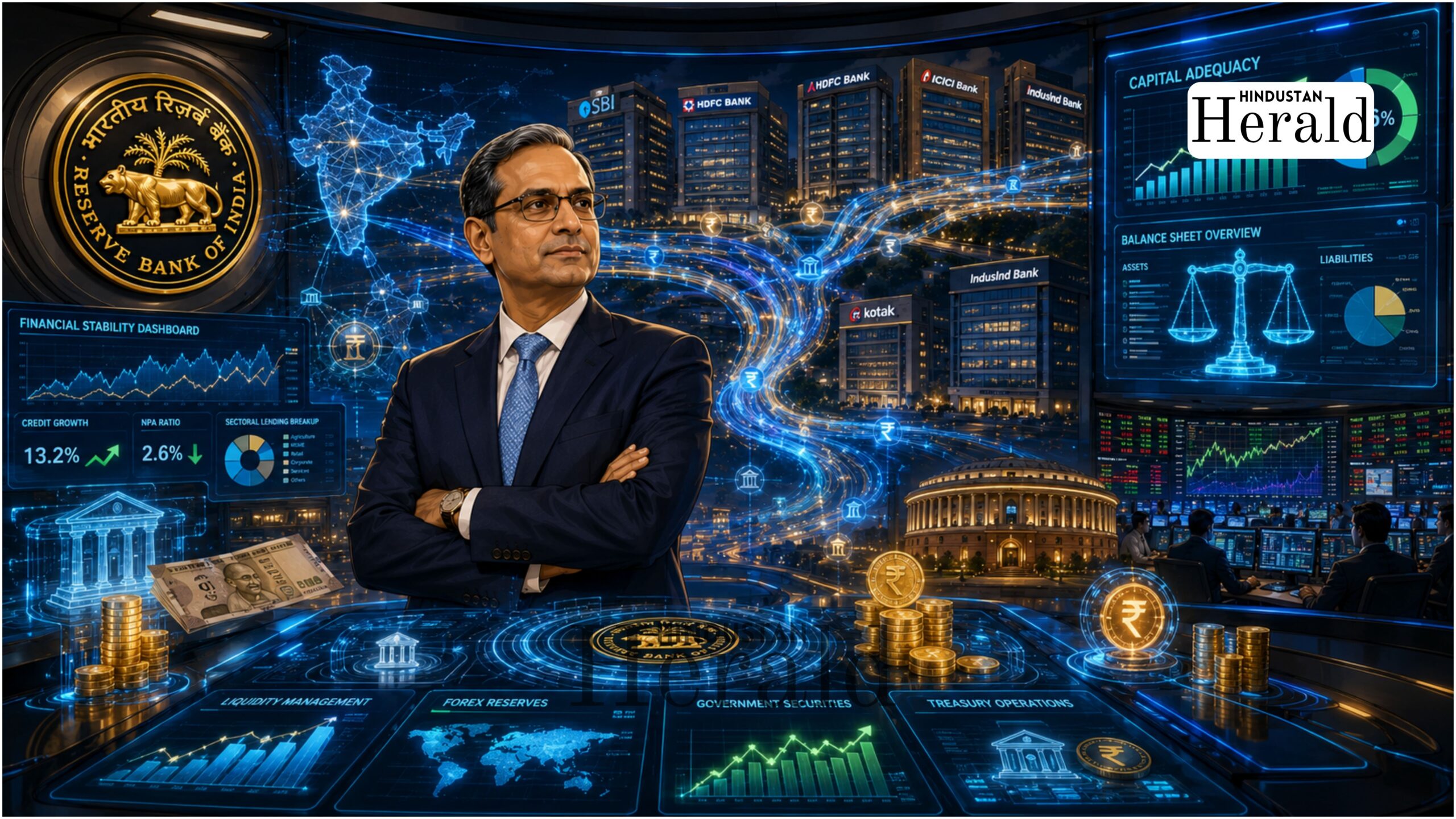
Singh is now the RBI Executive Director in charge of the department that governs how India moves money. In the months ahead, the policy files that will define this tenure are already visible.
The CBDC retail rollout and its transition from pilot to mainstream. The cross border UPI expansion across new bilateral corridors. The cybersecurity and resilience frameworks for payment networks that are now too large and too critical to tolerate operational failures. The regulatory treatment of emerging payment technologies. The ongoing supervision of payment system operators whose scale and systemic importance have grown dramatically over the past three years.
Each of those files carries decisions that will matter to hundreds of millions of Indians who use digital payments every day, often without thinking about the regulatory architecture that makes those transactions possible and those funds safe.
For investors, compliance professionals, fintech executives, and anyone else who tracks the Indian financial system seriously, the new RBI Executive Director is a name worth knowing and a tenure worth following closely. That brief Monday release from Mint Street deserved more attention than it got. It still does.
Stay ahead with Hindustan Herald — bringing you trusted news, sharp analysis, and stories that matter across Politics, Business, Technology, Sports, Entertainment, Lifestyle, and more.
Connect with us on Facebook, Instagram, X (Twitter), LinkedIn, YouTube, and join our Telegram community @hindustanherald for real-time updates.

Tracking world politics, global markets, trade movements, policy decisions, and the changing balance of economic power.
- Shelesh Joshi

- Shelesh Joshi

- Shelesh Joshi
- Shelesh Joshi




Former financial consultant turned journalist, reporting on markets, industry trends, and economic policy.
- Kavita Iyer
- Kavita Iyer
- Kavita Iyer
- Kavita Iyer