
 By Ananya Sharma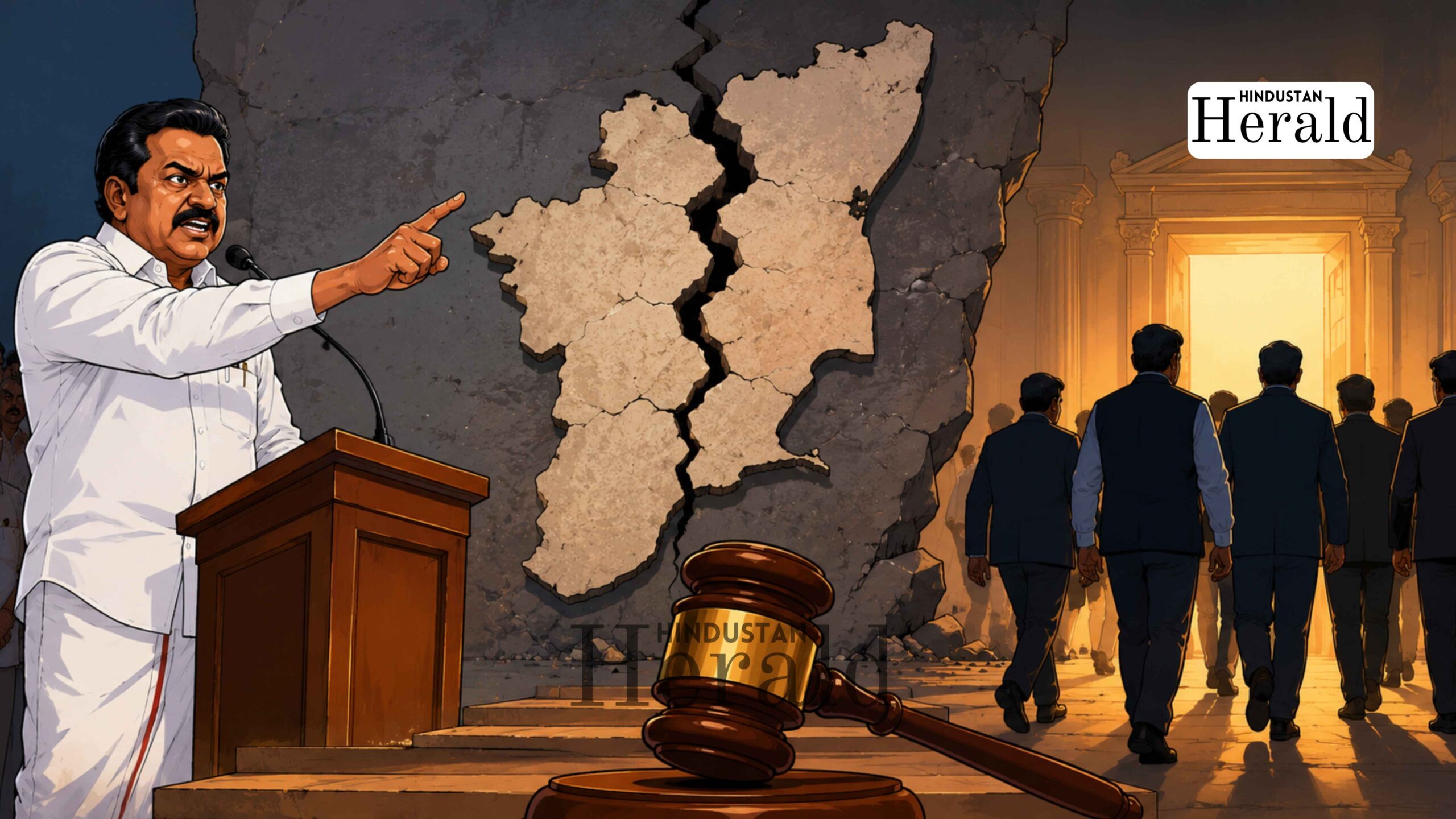
Puducherry, May 19: There is something almost theatrical about Tamil Nadu politics right now, and not in a flattering way.
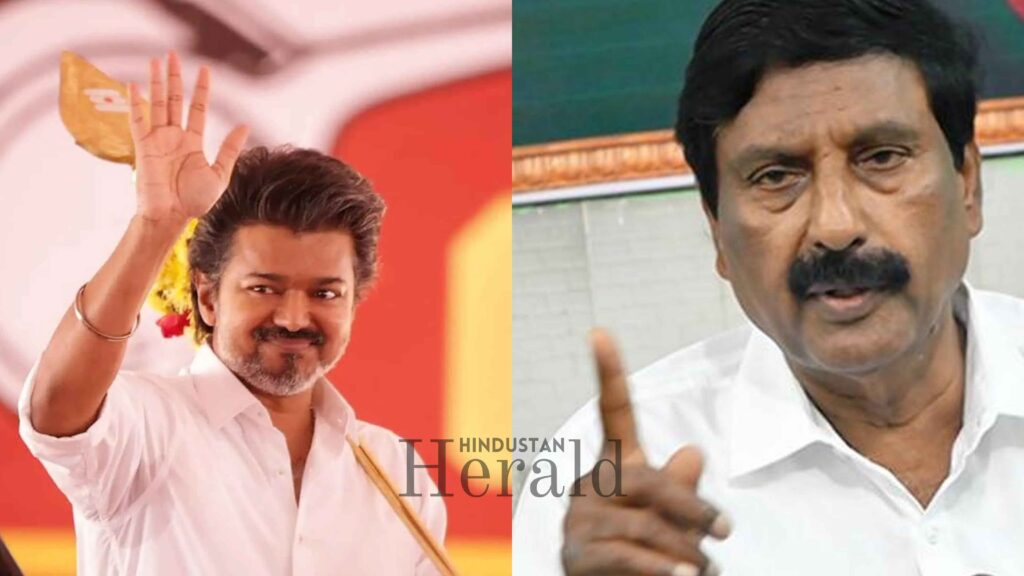
On Monday, Puducherry AIADMK State Secretary A Anbazhagan stood before reporters and said, bluntly, that the Vijay-led TVK government has no business governing Tamil Nadu anymore. That the party’s rebel MLAs who voted with the government during last week’s trust vote will be taken to court. That the Speaker is stalling deliberately. That the Governor needs to step in.
Strong words. Whether they amount to anything is a different question entirely. But they reflect just how quickly, and how messily, Tamil Nadu’s political situation has unravelled since polling day.
A Trust Vote That Split the Opposition in Two
Start with what actually happened last week. The TVK government, barely days old, moved a confidence motion and won it 144 to 22. That number sounds decisive, but the real story is not in the total. It is in who was sitting on which side.
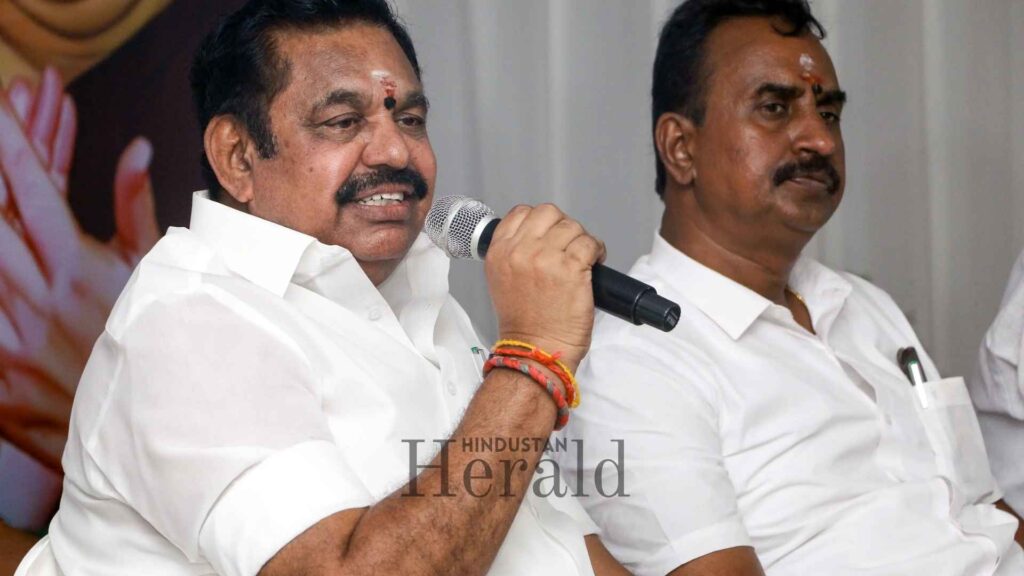
Edappadi K Palaniswami had been explicit. He stood in the House and told his party’s MLAs they must vote against the government. Twenty-two of them listened. Twenty-five did not.
That group, reportedly aligned with senior leaders SP Velumani and C Ve Shanmugam, walked into the government’s column and voted yes. Noisy scenes followed as the EPS faction confronted the rebels on the floor itself. The split that many had seen coming finally arrived, in public, during a live floor test.
The wider government support included Congress, VCK, the Left parties, IUML, and one legislator expelled from AMMK. The DMK, with 59 MLAs, staged a walkout rather than vote either way. So by the time the votes were counted, Vijay had his majority and the AIADMK had a civil war.
What Anbazhagan Is Actually Arguing
Back to Monday. Anbazhagan’s press remarks were essentially a three-part argument.
First, the internal one. The party’s general secretary, he said, has sole authority over how legislature party members conduct themselves in the House. That is not just tradition, it is the party’s stated code of conduct. What the Velumani-Shanmugam group did was not an independent political judgment. It was indiscipline, plain and simple. Palaniswami had already written to the Tamil Nadu Assembly Speaker JCD Prabhakar demanding disqualification proceedings under the anti-defection law. The Speaker, according to Anbazhagan, has done nothing with that letter.
That brings him to his second charge, directed at the Speaker. Anbazhagan did not use careful diplomatic language here. He called the inaction deliberate. A plot, in his word. The Speaker, he argued, is creating confusion by sitting on the Palaniswami letter while the rebel MLAs continue to function without consequence. Whether that characterisation is fair or a frustrated party’s overreach, the underlying grievance has real constitutional weight. Anti-defection proceedings are supposed to move. When they do not, it looks political.
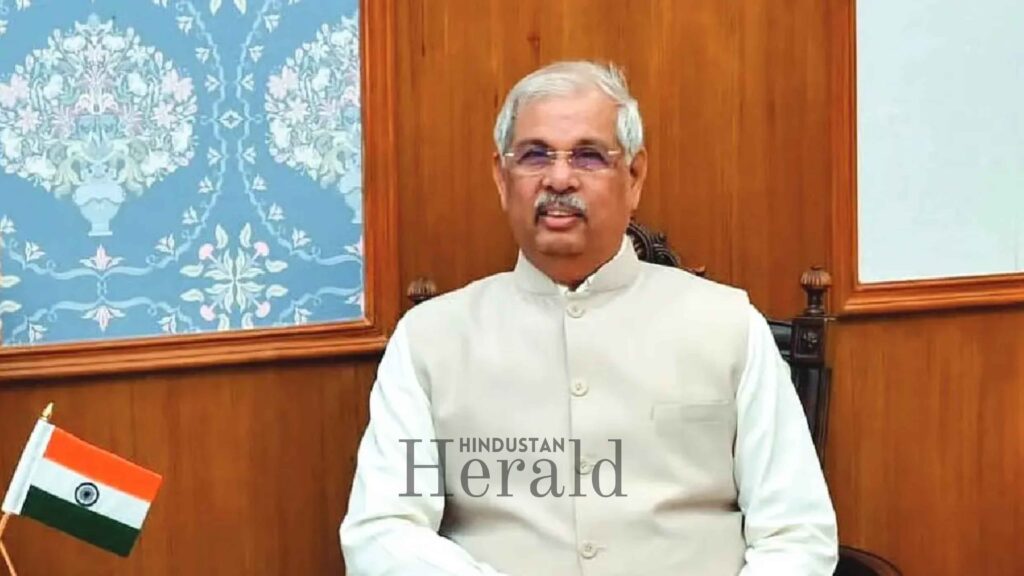
Third, and perhaps most tactically interesting, Anbazhagan called on Tamil Nadu Governor Rajendra Arlekar to intervene. He wants the Governor to call the Speaker in and push him to act.
That is a familiar move in Indian opposition politics. When the Speaker is perceived as a government ally, parties appeal to the Raj Bhavan. Whether it works is another matter entirely. Courts have consistently been cautious about Governors intervening in legislative processes, and the Supreme Court has made clear that disqualification decisions under the Tenth Schedule belong to the Speaker, subject to judicial review. Still, as political signalling it tells you exactly where the AIADMK thinks its leverage is. Nowhere fast, except the courts.
The Horse-Trading Charge Has Not Gone Away
Anbazhagan also returned to the allegation that has shadowed this government since before it was even sworn in. That the TVK government offered ministerial positions to AIADMK legislators in exchange for support. That party approval was required before any such offer could be made, and that it was never sought.
This was not an isolated complaint. AMMK leader TTV Dhinakaran had raised similar alarms earlier, calling the alleged inducements a “mockery of democracy” and urging the Governor to take the matter seriously.
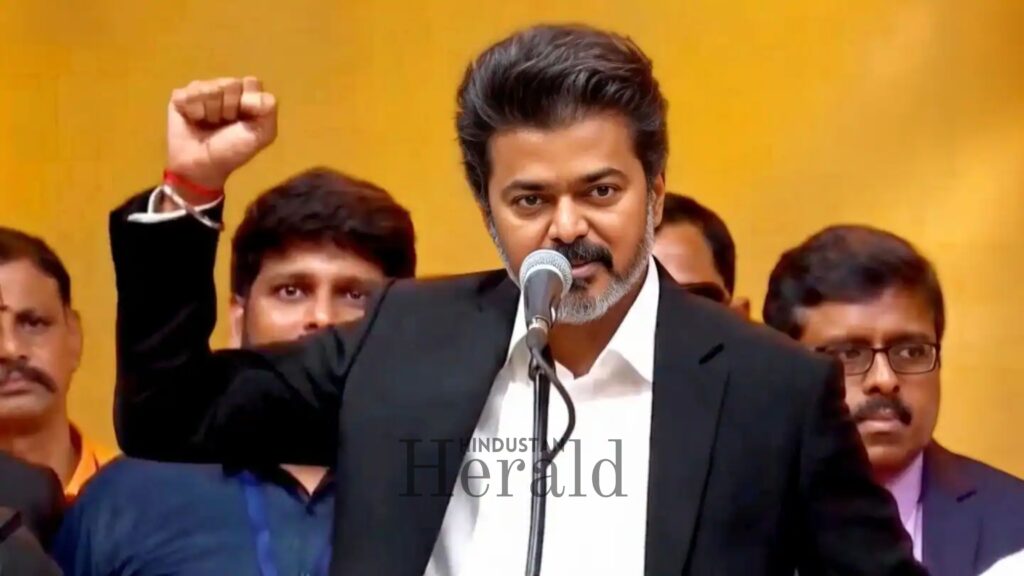
Vijay’s government has rejected these claims. But rejecting them is easier when the Speaker is in no hurry to act on the disqualification petitions and when the rebel MLAs show no visible sign of remorse or retreat.
The AIADMK’s Deeper Problem
Here is the thing about Anbazhagan’s statement that deserves more attention than it is getting. He is not just speaking about rebel MLAs. He is speaking about a party that has lost its footing so completely that its own elected members are calculating whether loyalty to the general secretary is worth anything anymore.
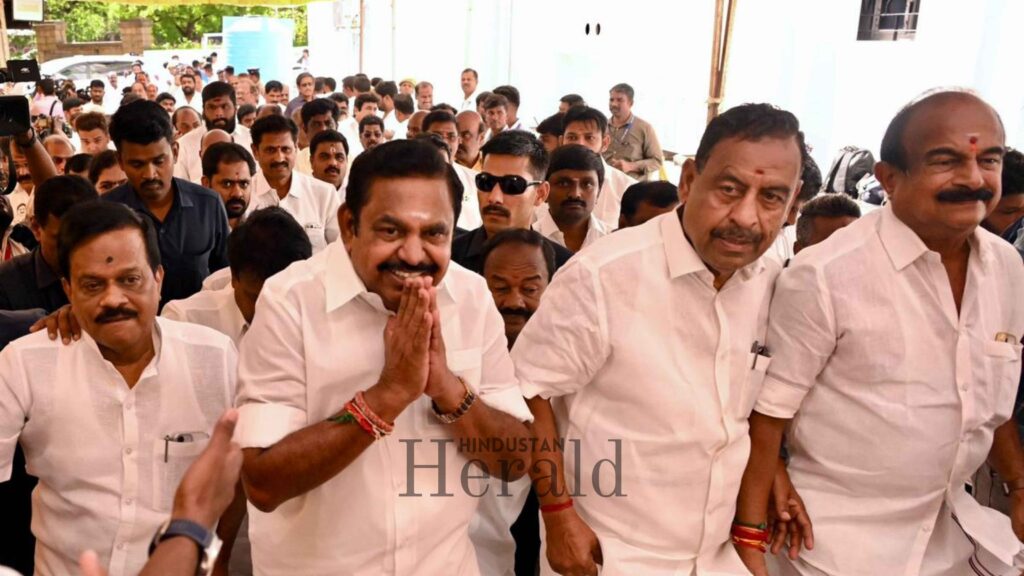
After the trust vote, Palaniswami stripped Velumani and Shanmugam of their party posts. The rebel camp responded by mobilising support within the general council, pushing for a meeting where EPS’s own position could potentially come under challenge.
The argument the rebel faction is making is constitutionally interesting. Elected legislators, they say, not party leadership, should determine how the legislature wing votes. It is not an absurd position. But it is also, quite plainly, the argument of people who have already made their political bets and need a theoretical framework to justify them.
The AIADMK’s fall to third place in the recent elections was, by any measure, the worst outcome in the party’s history. Political analysts noted that no one predicted TVK would win outright. The party was expected to be a kingmaker with 20 to 30 seats. Instead, it became the government, and the AIADMK found itself watching from the margins. That kind of collapse does something to a party’s internal culture. Survival instincts kick in, loyalty calculations shift, and the general secretary’s diktat starts sounding less like an authority and more like an inconvenience.
That is the environment Palaniswami is trying to hold together. Anbazhagan’s tough talk in Puducherry is, among other things, a show of solidarity with the EPS camp at a moment when that camp badly needs visible support from its regional units.
Where This Goes Next
The legal route is almost certain now. Anbazhagan said as much directly. The petition seeking disqualification of the rebel MLAs will go to court. Given the Speaker’s apparent reluctance to act, the Madras High Court is the likely destination, and the AIADMK has precedent on its side in knowing how long these battles can run. Years, sometimes.
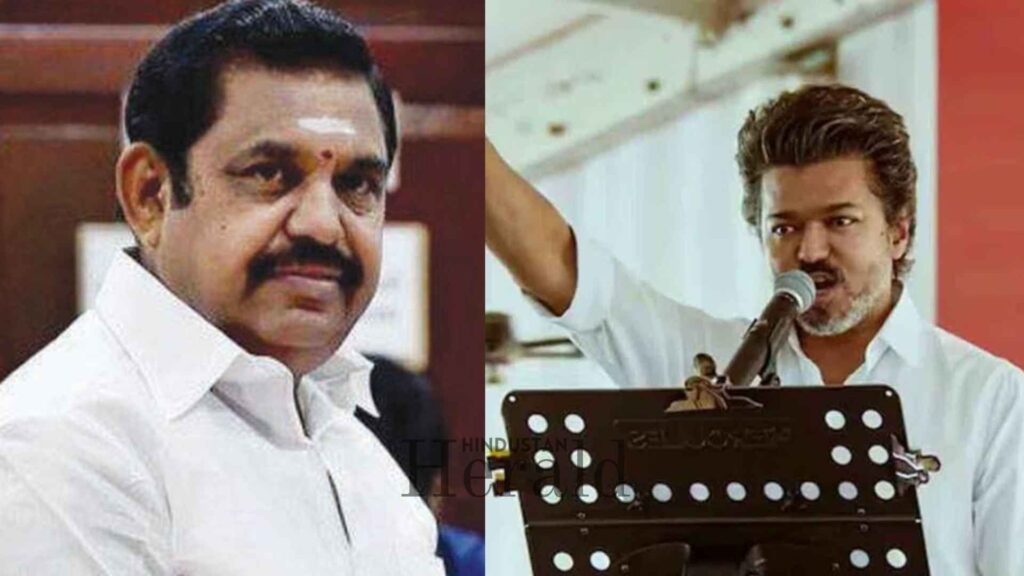
During that entire period, the 25 rebel legislators will continue to sit in the House and the TVK government will continue to function with a working majority. The legal challenge may be emotionally satisfying for the EPS camp. It will not, in the short term, change the arithmetic.
Still, politics is rarely just about arithmetic. The AIADMK’s internal war is not over. The general council meeting that the rebel faction is pushing for could yet produce surprises. And a government that is barely weeks old, sitting on a coalition that includes a defected opposition faction, does not have the luxury of assuming that all 144 of those votes will stay warm indefinitely.
Tamil Nadu has seen this kind of instability before. It rarely resolves cleanly or quickly. For now, Vijay’s government has its confidence vote on paper and its problems piling up in the margins. Anbazhagan has his press statement and his court papers to file. The Governor has a choice about how much of this he wants to get into. And the Speaker, under pressure from both sides, has a letter sitting somewhere on his desk that he has not yet done anything with.
At some point, someone will have to move.
Stay ahead with Hindustan Herald — bringing you trusted news, sharp analysis, and stories that matter across Politics, Business, Technology, Sports, Entertainment, Lifestyle, and more. Connect with us on Facebook, Instagram, X (Twitter), LinkedIn, YouTube, and join our Telegram community @hindustanherald for real-time updates.

Covers Indian politics, governance, and policy developments with over a decade of experience in political reporting.
- Ananya Sharma

- Ananya Sharma
- Ananya Sharma
- Ananya Sharma



 Sandeep Verma