
 By Ananya Sharma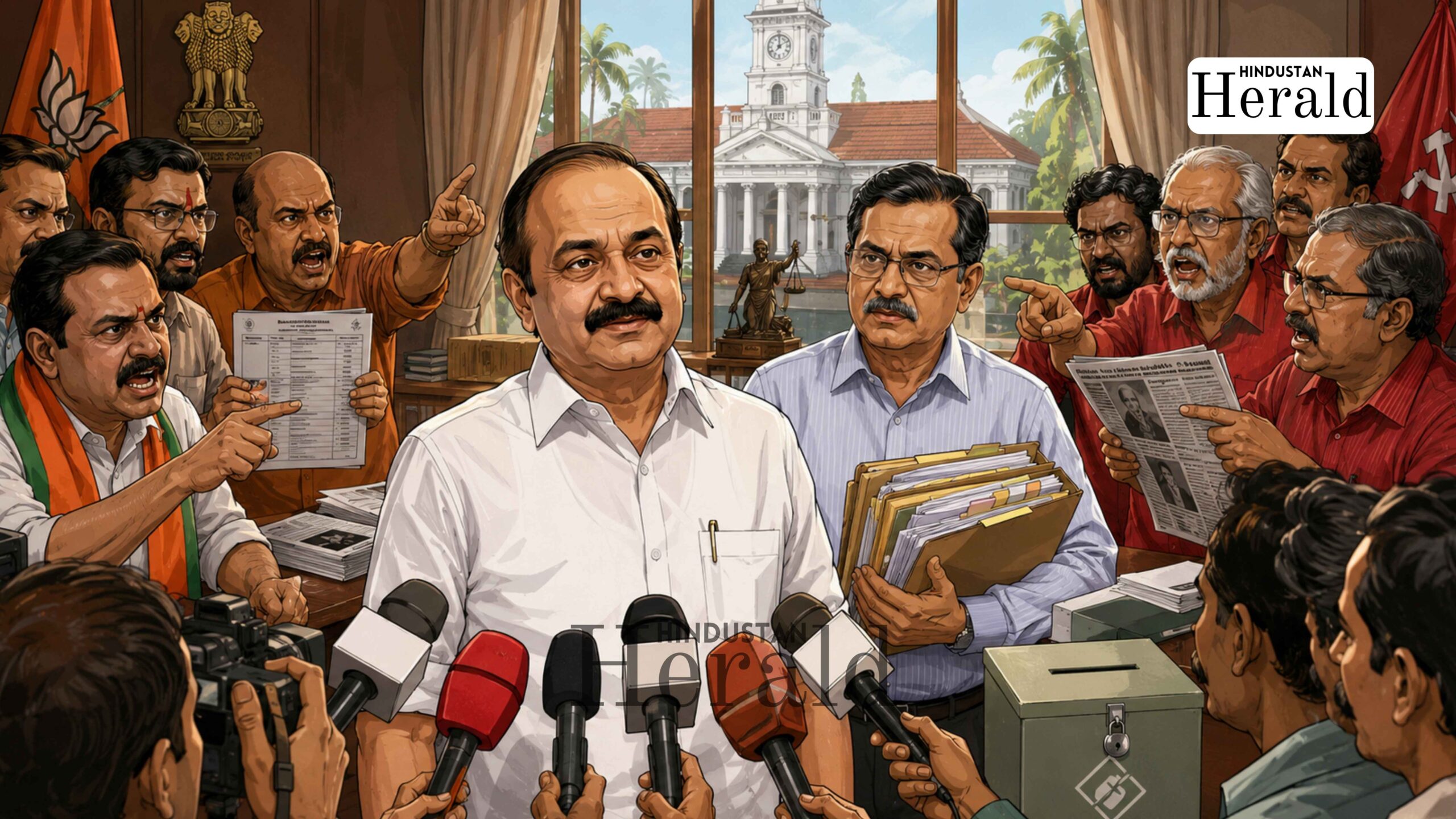
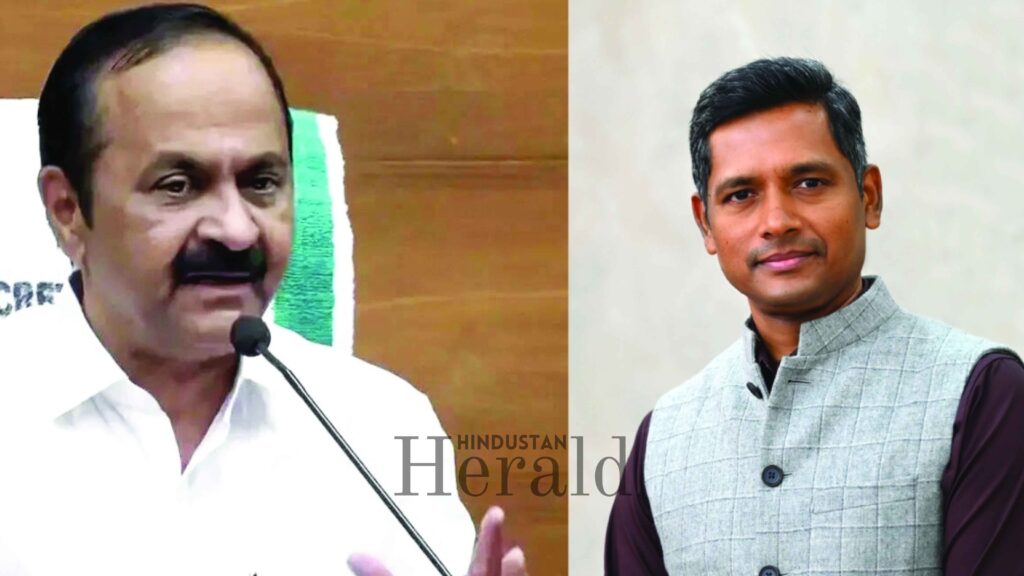
Thiruvananthapuram, May 25: V.D. Satheesan has been Chief Minister of Kerala for less than two weeks. And already, he is standing in front of cameras defending a bureaucratic appointment that his opponents are gleefully using to call him a hypocrite.
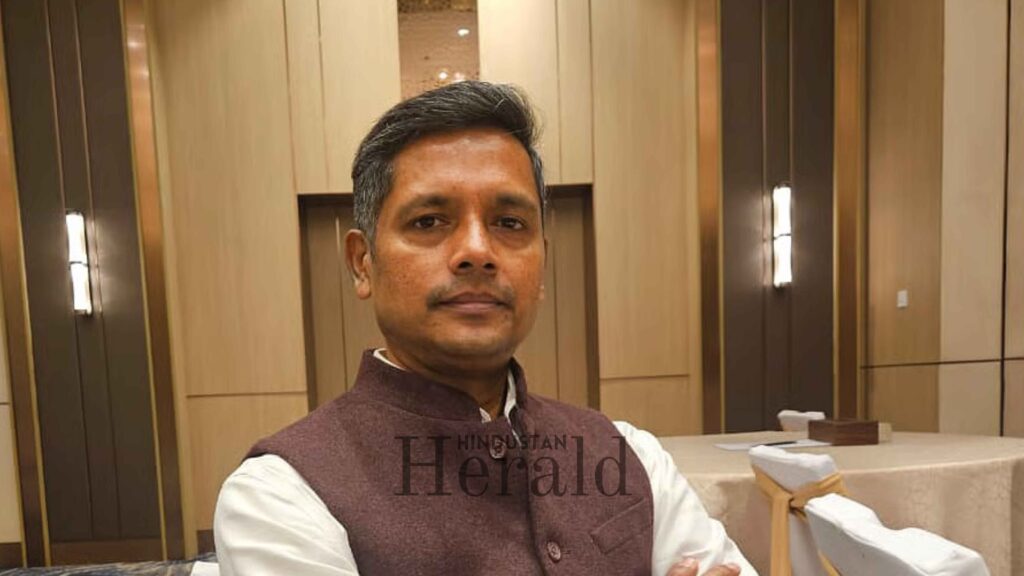
The appointment in question is that of Rathan U. Kelkar, a 2003-batch IAS officer who, until very recently, was Kerala’s Chief Electoral Officer. The man who oversaw the election that brought the UDF to power with 102 seats is now the Chief Minister’s personal secretary. The government order making this official was issued on Saturday. By Sunday, every party that mattered in Kerala had something sharp to say about it.
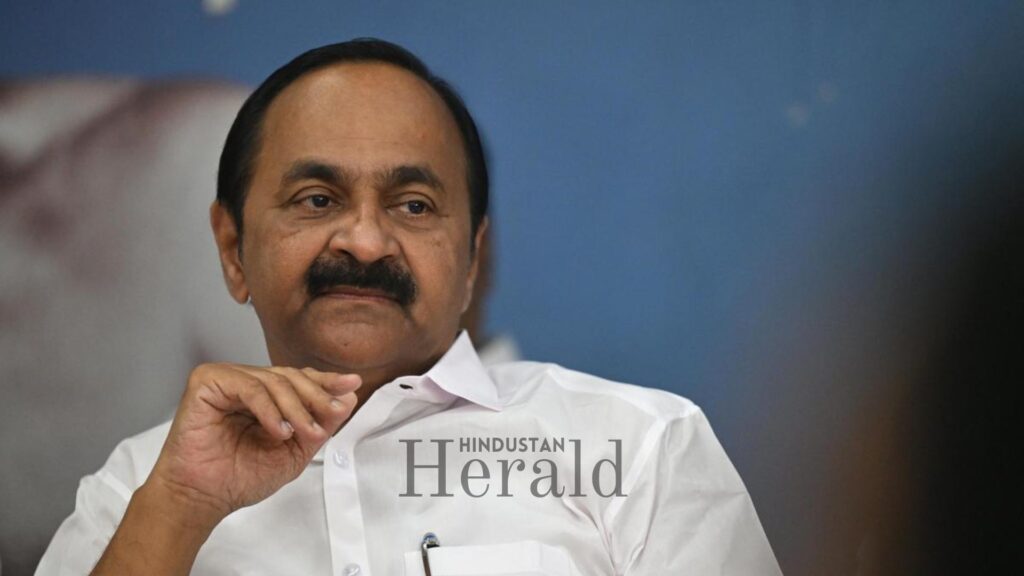
Satheesan spoke to reporters after Monday’s Cabinet meeting. He was calm. He was confident. And he clearly felt the criticism didn’t hold up. “Almost humorous,” is how he reportedly described it.
The Appointment and Why It Sparked What It Did
There’s nothing technically illegal here. Kelkar is a competent officer with a strong track record. He was not hand-picked by the Congress either it was the previous Pinarayi Vijayan-led LDF government that appointed him as CEO in the first place. And the Chief Electoral Officer’s appointment itself follows a constitutional process where the state submits a panel of names and the Chief Election Commissioner in Delhi has the final say.
So on paper, this is clean.
But politics rarely runs on paperwork alone. The optics are what they are. An officer who supervised a state election walks out of the Election Department and straight into the office of the Chief Minister whose party just won that election. No cooling-off period. No gap. One day he’s overseeing the vote count, the next he’s essentially working for the man who benefited from it. Even if every procedure was followed correctly, there is a reasonable question buried in there about perception and precedent. That question has not gone away just because Satheesan answered it firmly.
Rahul Gandhi’s Words Come Back to Bite
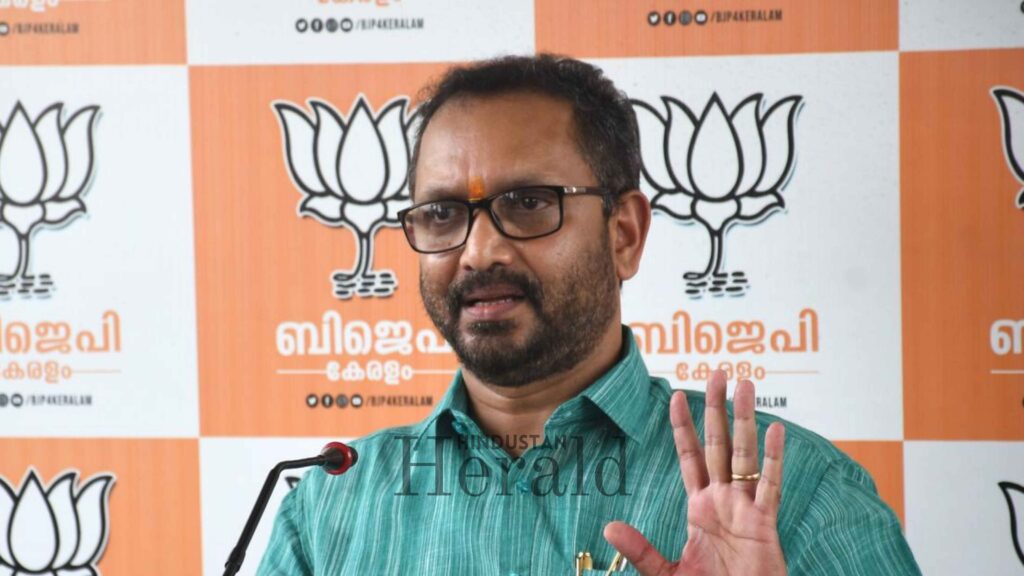
The BJP wasted no time. Senior leader K. Surendran came out on social media within hours, and his attack was surgical in its precision because he didn’t need to invent anything. He just quoted Rahul Gandhi back at the Congress.
Earlier this month, when the BJP government in West Bengal appointed that state’s Chief Electoral Officer, Manoj Kumar Agarwal, as Chief Secretary after its election victory there, Gandhi reportedly went after it hard. The phrase attributed to him “the bigger the theft, the bigger the reward” became a headline in its own right. Gandhi’s argument was that appointing an election official to a senior government post, right after an election, amounted to rewarding someone for helping rig the outcome.
Ten days later, the Congress did the same thing in Kerala.
Surendran did not need a long post. The irony did most of the work. According to reports carried by ANI and The Tribune, the BJP’s Kerala unit also pointed out that Kelkar is not even the senior-most IAS officer currently serving in the state, raising a separate procedural concern about why this particular officer was chosen for this particular role.
The CPI(M), to its credit, did not stay quiet either. Senior leader P. Rajeev questioned the appointment and specifically raised the cooling-off period issue. He said the Congress had built an entire argument around institutional propriety when it came to West Bengal. Now that the shoe was on the other foot, he wanted to know where that argument had gone. The SDPI also chimed in, with state general secretary K.K. Abdul Jabbar calling the move an attack on the neutrality of constitutional institutions.
It’s an unusual coalition of critics. The BJP, the CPI(M), and the SDPI don’t agree on much. They agree on this.
Satheesan’s Defence, and Where It Holds
The Chief Minister’s pushback had two parts, and both are worth taking seriously.
First, the procedural point. As per PTI, Satheesan reminded everyone that the CEO appointment is not a state government call. The state submits names, the Chief Election Commissioner decides. If Kelkar was acceptable as CEO, it was because the central election authority cleared him. The Congress didn’t put him in that chair. The LDF did, and New Delhi endorsed it.
Second, the historical precedent. Satheesan cited former Kerala CEO Nalini Netto as a direct parallel. After her tenure as Chief Electoral Officer, Netto went on to serve as Home Secretary, then Chief Secretary of Kerala, and also worked in the Chief Minister’s Office under Pinarayi Vijayan. No one made a noise about it then. No party filed objections. No press conferences were held about the sanctity of electoral neutrality. She just moved through the system the way senior IAS officers do.
The more pointed part of his argument, though, was about West Bengal specifically. According to Prokerala, Satheesan said the two situations are fundamentally different because of what happened in those elections. In West Bengal, multiple parties including the Trinamool Congress, the Congress and the CPI(M) had raised serious allegations about voter deletions during the Special Intensive Revision process. There were specific, documented complaints about the integrity of the electoral roll and whether the CEO’s office had handled the process fairly. Those complaints went to the core of whether the election result could be trusted.
In Kerala, no such complaint existed. Not from the BJP. Not from the CPI(M). Not from anyone. “We were in the Opposition when the CEO was appointed. Even the BJP was in the Opposition. Did anyone raise complaints against him then?” Satheesan asked. The answer, of course, is no.
That distinction matters. Rahul Gandhi wasn’t just criticising the fact of Agarwal’s appointment in Bengal. He was criticising it in the context of a contested election where serious process failures had allegedly occurred. Kelkar’s Kerala has no such contested backdrop. The UDF won cleanly, by a wide margin, and nobody disputed the count.
The Argument That Still Doesn’t Fully Go Away
Still, there’s something slightly uncomfortable that Satheesan’s defence, strong as it is, doesn’t entirely address.
The principle behind a cooling-off period isn’t about guilt. It isn’t about whether an officer did something wrong. It’s about whether the institution of elections retains public confidence in its independence over time. When the officer who ran your election is working in your office two weeks later, it chips away at something, even if nothing improper happened. That erosion is slow, it’s hard to measure, and it doesn’t make headlines the way a scam does. But it accumulates.
Satheesan’s argument essentially is: trust the process, look at the track record, and don’t manufacture controversy where none exists. That’s a reasonable argument. It just isn’t the same as saying the concern itself is baseless.
A New Government, an Early Distraction
The UDF came to power with a mandate that most parties would envy. One hundred and two seats. The Congress alone with 63. The LDF, after a decade in office, was shown the door with unusual decisiveness. Satheesan had a clear runway. He could have spent his first fortnight talking about governance priorities, his Cabinet’s agenda, what his government was going to do differently.
Instead, he’s talking about an IAS transfer.
As per Onmanorama, there is also reported grumbling inside the Cabinet itself, with some ministers unhappy about the broader IAS reshuffle, which moved 16 officers including six district collectors, reportedly without adequate consultation with the relevant ministers. The Kelkar appointment sits on top of this internal tension, adding noise at a moment when the new government probably wanted quiet.
None of this is fatal. New governments absorb early controversies all the time. And Satheesan is not a political novice. He led the Opposition through a difficult five years and emerged as the face of the UDF’s comeback. He can handle a week of bad press.
For now, the Chief Minister holds his position. His logic has substance. His argument about West Bengal being a genuinely different case is not just spin, it is defensible. But the broader question about whether Kerala needed to make this appointment this quickly, this close to the election, without even the appearance of a pause, is one that his government will keep getting asked.
Whether the answer eventually satisfies the public is, as it usually is in Indian politics, a matter of time and circumstance.
Stay ahead with Hindustan Herald — bringing you trusted news, sharp analysis, and stories that matter across Politics, Business, Technology, Sports, Entertainment, Lifestyle, and more.
Connect with us on Facebook, Instagram, X (Twitter), LinkedIn, YouTube, and join our Telegram community @hindustanherald for real-time updates.

Covers Indian politics, governance, and policy developments with over a decade of experience in political reporting.
- Ananya Sharma

- Ananya Sharma
- Ananya Sharma
- Ananya Sharma



 Sandeep Verma
  Arun Upadhayay