
 By Ayesha Khan
Hyderabad, June 4: Ram Charan has not had an easy run since RRR took him to places most Indian actors never reach. That film played at the Oscars. It sold out theatres in Japan. It made him a name in conversations where Telugu cinema rarely gets mentioned. And then came two films that quietly, painfully, failed to carry that momentum forward. Acharya was a glorified cameo in a disaster. Game Changer arrived with noise and left with questions.
So when Peddi finally hit screens this morning, the air around it had a very particular kind of tension. Not excitement exactly. More like held breath.
The Village That Does Not Exist
The story begins in a corner of Vizianagaram district that the government has never bothered to acknowledge. No maps. No bus routes. No voter rolls. People are born there, live there, grow old and die there, and the state has no record of any of it. It is a real kind of invisibility, the kind that is not dramatic but just grinding and daily and completely ordinary to those who live inside it.
Appalasuri, played by Jagapathi Babu, has been fighting this invisibility for years. All he wants is a railway station. A single stop. Some acknowledgment that the village and its people are real. He spends his life petitioning, writing letters, going to offices, getting turned away. And then he dies on the railway tracks, still fighting for it.
That death is the engine of the film.
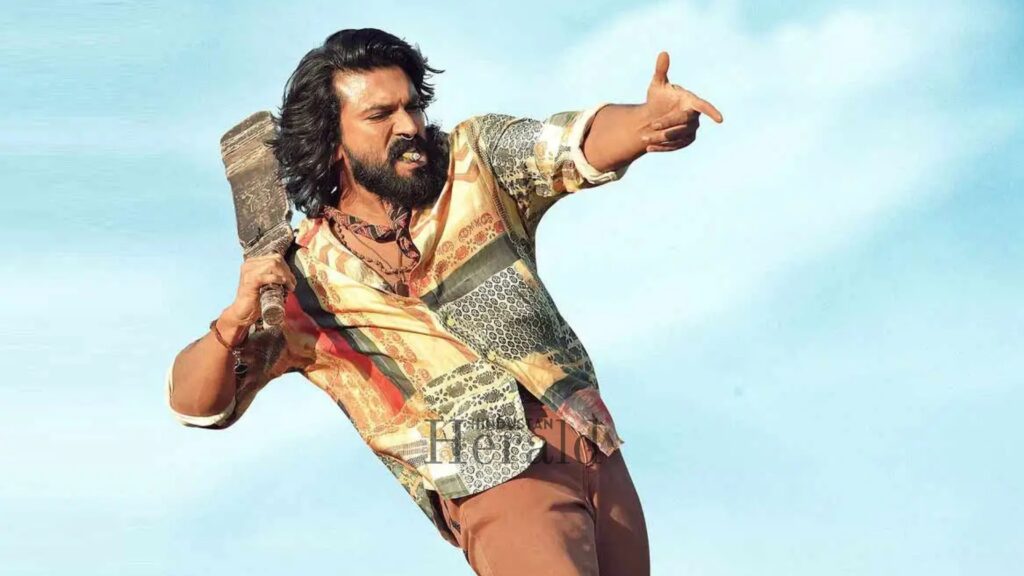
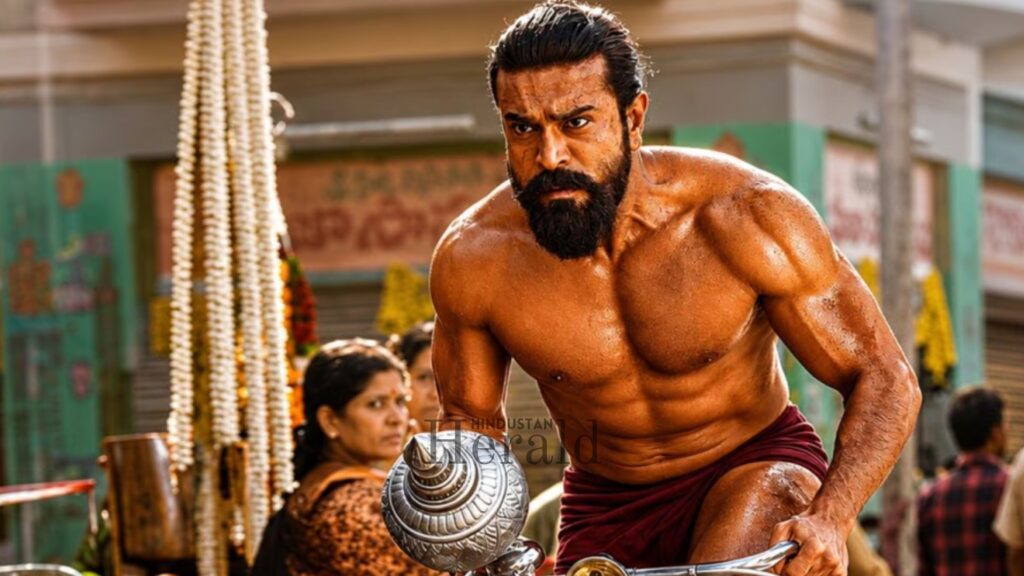
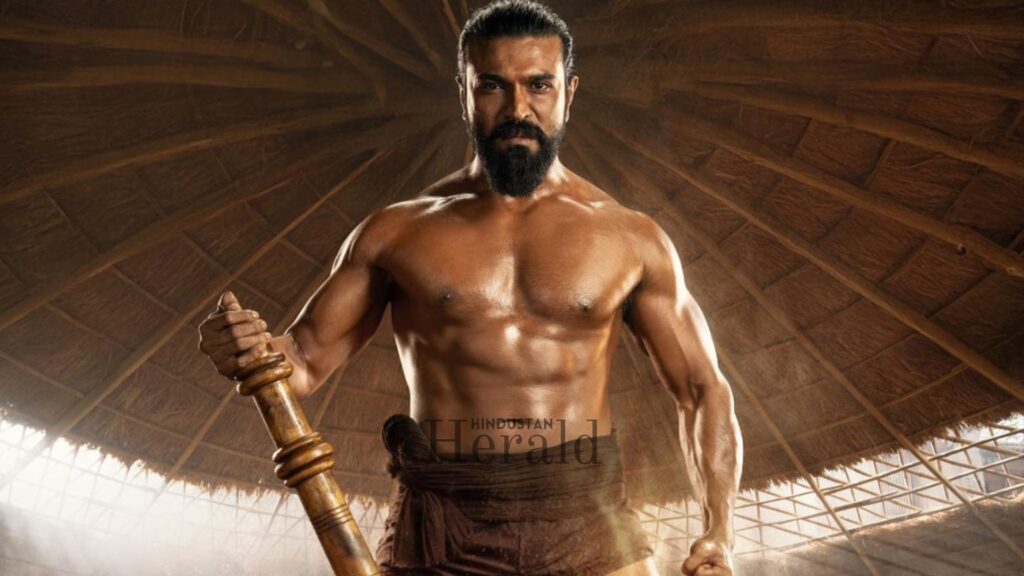
Peddi, played by Ram Charan, is a young man from this same village. He works at a jaggery factory. He plays cricket as hired help for local teams, whoever pays him that week. He is, by any official measure, a nobody. But he can play. He can wrestle. He can run. And after Appalasuri is gone, he decides that the only way to force recognition for his people is to drag it out through sport, to make the system see him whether it wants to or not.
That is the whole premise, and it is a good one. Not new exactly, but good. The underdog fighting not for personal glory but for collective dignity. It hits a nerve that a lot of Indian audiences will recognise because a lot of Indian audiences have relatives who have lived some version of this story.
What Ram Charan Does Here
Forget the context for a moment. Forget the box office pressure and the industry narratives. Just look at what is on screen.
Ram Charan is extraordinary in this film. That word gets used carelessly in film writing, but there is no more honest one here. He speaks in the Uttarandhra dialect throughout and it reads as genuine, not as an actor doing an impression of a dialect but as someone who absorbed it into his body. He physically transforms across the film’s three sports chapters, shifting shape and weight and posture as Peddi moves from cricket to wrestling to running. And in the film’s final twenty minutes, he does something quieter than anything he has done in years. He simply acts. No spectacle. Just the character, worn through, carrying grief and hope in equal measure, and it lands.
People who watched the premiere shows last night were posting about it by midnight. Not the usual fan hysteria. Something more considered. The word several of them reached for was Rangasthalam, which is exactly the right reference point. That film allowed him to disappear into a character completely. Peddi does the same.
Whether that is enough to carry the film is a different question. And the honest answer is: sometimes yes, sometimes no.
Where the Film Holds and Where It Slips
Buchi Babu Sana is not making his first film under pressure. His debut, Uppena, won the National Film Award for Best Telugu Film, and it did so by being a small, precise, emotionally devastating picture about love and caste. Peddi is nothing like that in scale. It is large and commercial and built to fill big screens in big multiplexes. Sana handles that ambition with more success than most first-time-at-scale directors manage, but not without cost.
The cricket sequences are genuinely excellent. There is a physical energy to how they are shot that makes you feel the stakes, and R. Rathnavelu’s camera does real work in those moments, finding angles that make the sport feel urgent rather than decorative. The wrestling chapter lands too, largely because Charan’s transformation makes it believable.
But the film is 189 minutes long, and it shows. The middle stretches, particularly in the first half, tend to lose momentum. Some of the emotional beats that should gut-punch you arrive slightly softened, either because the writing does not fully build to them or because the execution just misses the mark by a degree. Not enough to sink anything, but enough to remind you that you are watching a film and not living inside one.
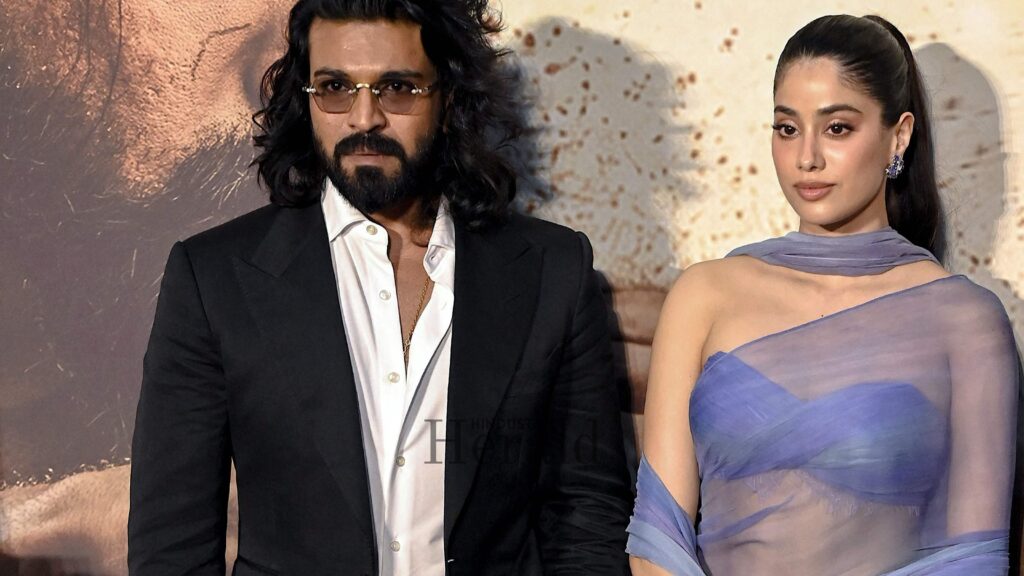
Janhvi Kapoor plays Achiyyamma, the female lead, and the film does not give her very much. She is mostly confined to songs and a romantic subplot that has very little weight against everything else happening around it. She improves in the second half, and there are a couple of scenes where she gets to actually act, but by then the film has already made clear that it does not know quite what to do with her. That is a writing problem, not a performance problem.
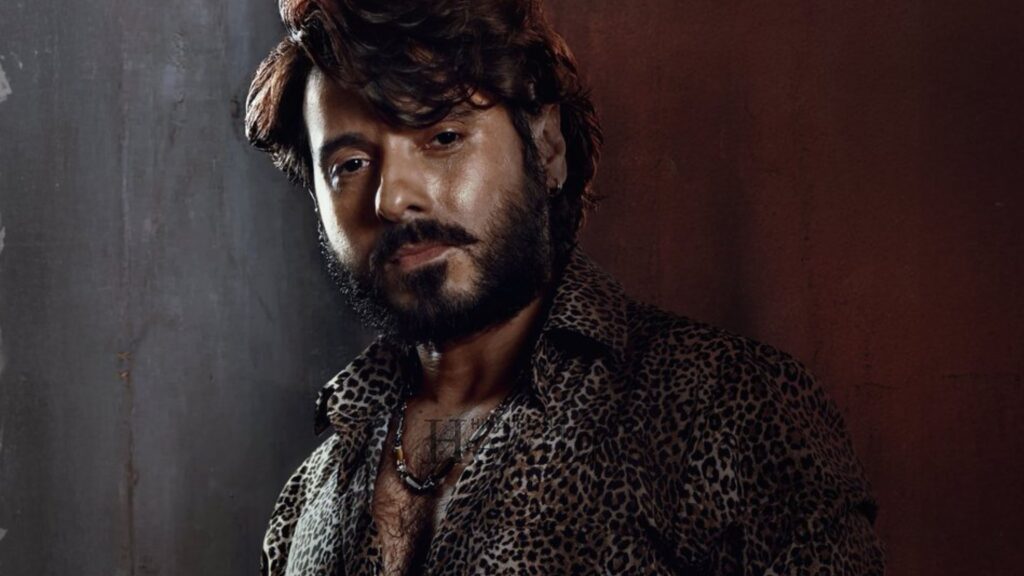
Shiva Rajkumar shows up, and his screen presence does what it always does: it steadies every scene he is in. Divyenndu Sharma, coming into Telugu cinema from Mirzapur, brings a lightness that the film occasionally needs.
AR Rahman and the Sound of the Film
A.R. Rahman composing for a Telugu production was its own headline when the casting was announced. The songs have been out long enough that audiences arrived at theatres already knowing them. Hellallallo, the special number featuring Shruti Haasan, had gone genuinely viral.
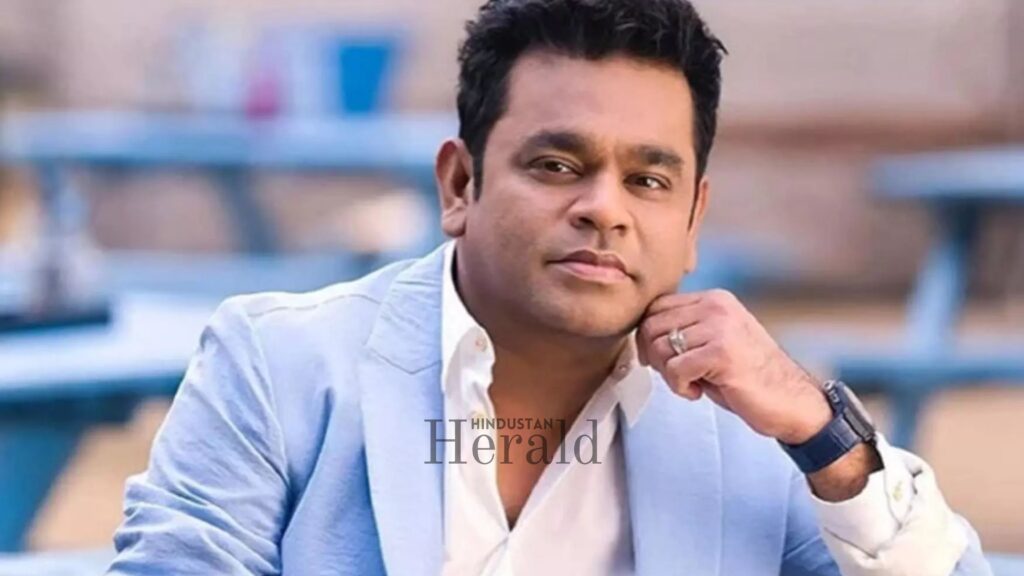
Inside the film, though, the song sits awkwardly. Several reviewers have noted that its placement feels forced, inserted rather than earned. And that is a recurring tension with Rahman’s work here: it is clearly skilled, clearly layered, but it is not his most uninhibited work. The background score lifts the film’s bigger emotional moments. The climax benefits from it significantly. Still, this is not Roja or Bombay or even Rangasthalam. It is Rahman doing good work within constraints, which is not quite the same thing as Rahman doing great work freely.
Rathnavelu’s cinematography, on the other hand, is outstanding throughout. The film’s visual grammar for the Vizianagaram setting gives the whole thing a texture that feels earned rather than constructed. This is a world that looks like it has been lived in, and that matters enormously for a story this dependent on you believing that its characters are real.
The Money Side of Things
Before a single paying audience member walked into a theatre this morning, Peddi had already done enormous business. The worldwide pre-release theatrical deal reportedly closed somewhere in the 220 crore range, which puts it in a very small club of Telugu films by that measure.
Andhra Pradesh and Telangana together reportedly accounted for around 135 crore of that, with the Nizam region alone contributing approximately 48 crore. The Hindi market came in at around 25 crore, Karnataka at 17 crore, and overseas deals reportedly crossed 34 crore, one of the highest figures Ram Charan has commanded internationally as a solo lead.
Advance bookings globally crossed 35 crore gross before release day. North America alone was tracking close to $800,000 in premiere sales. By early morning on June 4, India advance booking had crossed 20 crore.
The film reportedly cost around 350 crore to make. Trade estimates put the break-even somewhere around 450 crore worldwide. A full blockbuster verdict would require closer to 500 crore. That is a tall mountain. It is not an impossible one, but it requires audiences beyond the opening-day faithful to show up through the week, and for word of mouth to do what trailers apparently did not do as effectively as the makers hoped.
The trailer, by most accounts, did not fully sell the film. Enough people noted that the promotional campaign revealed too many key moments early, reducing the impact of scenes that should have landed as surprises in the theatre.
What This Film Means in the Bigger Picture
Telugu cinema, like most of Indian cinema right now, is working through a peculiar anxiety. Big budgets are not automatically guarantees. Stars who seemed untouchable have stumbled. The audience has become less predictable than it used to be, more willing to stay home and wait for the OTT drop, quicker to punish a film that feels like it is coasting on name value.
Peddi does not coast. Whatever its structural flaws, it is clearly made by people who cared about the story they were telling. The social undercurrent, the idea of a ghost village, of people the state refuses to see, is not window dressing. It is the whole point. And Sana does not let the commercial requirements of a big-budget release completely sand that away.
For Ram Charan specifically, this film arrives at a moment when the industry is quietly watching to see what version of him survives the post-RRR world. The global superstar version needs hits. The serious actor version needs roles like this one. Peddi is very much the latter, and if audiences respond to it the way early premiere reactions suggest they might, it could quietly reframe how the next chapter of his career gets talked about.
The box office numbers over the next three days will tell their own story. They always do.
For now, though, there is a film on screen about a man from a village that does not exist on any map, who decides that the only way to make himself real is to outrun, outwrestle, and outbat every obstacle the world puts in front of him. And the actor playing that man gives it everything he has got.
That much, at least, is worth the price of admission.
Stay ahead with Hindustan Herald — bringing you trusted news, sharp analysis, and stories that matter across Politics, Business, Technology, Sports, Entertainment, Lifestyle, and more.
Connect with us on Facebook, Instagram, X (Twitter), LinkedIn, YouTube, and join our Telegram community @hindustanherald for real-time updates.

Covers films, television, streaming, and celebrity culture with a focus on storytelling trends.
- Ayesha Khan

- Ayesha Khan
- Ayesha Khan
- Ayesha Khan




 Arun Upadhayay