
 By Ananya Sharma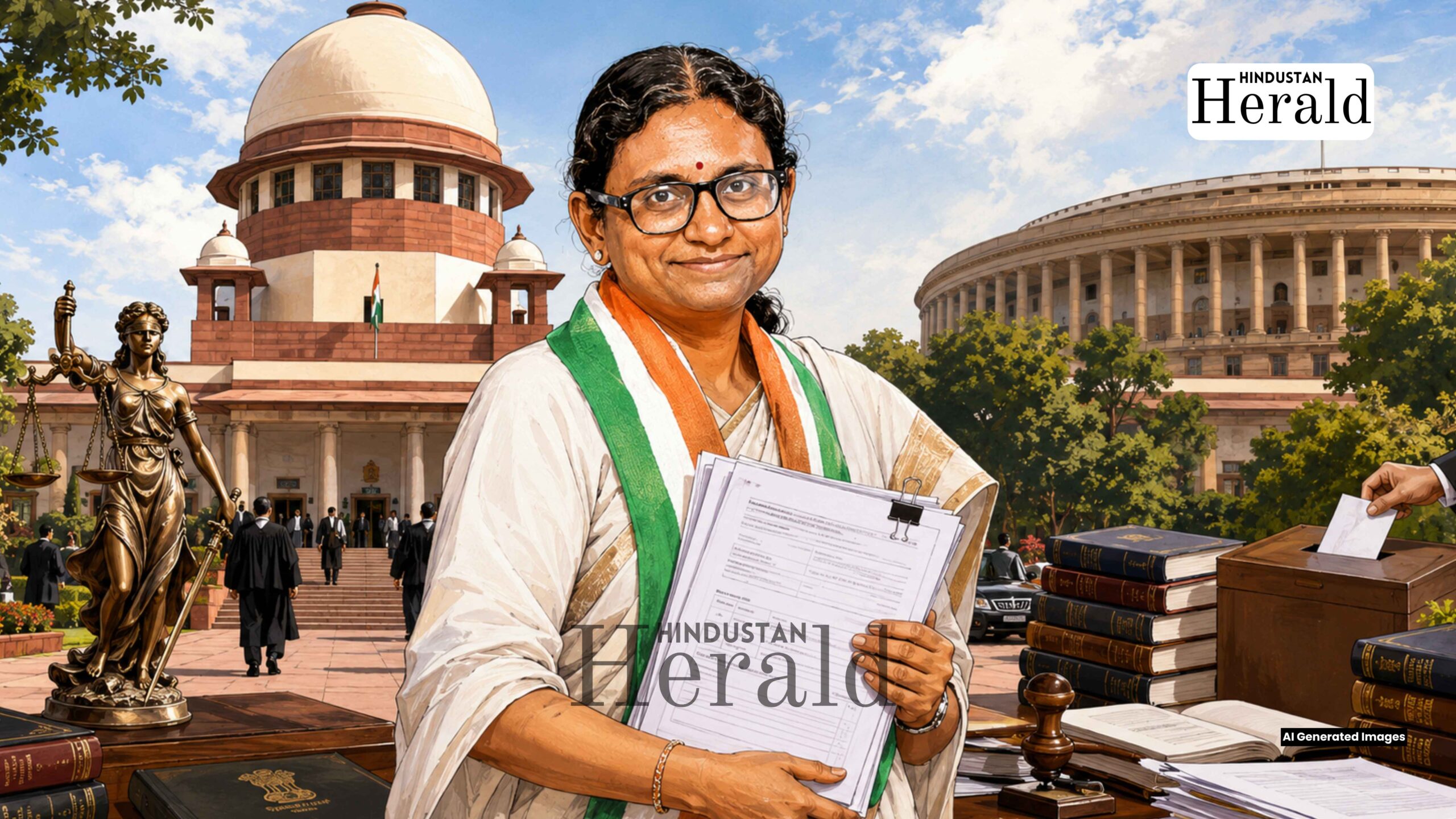
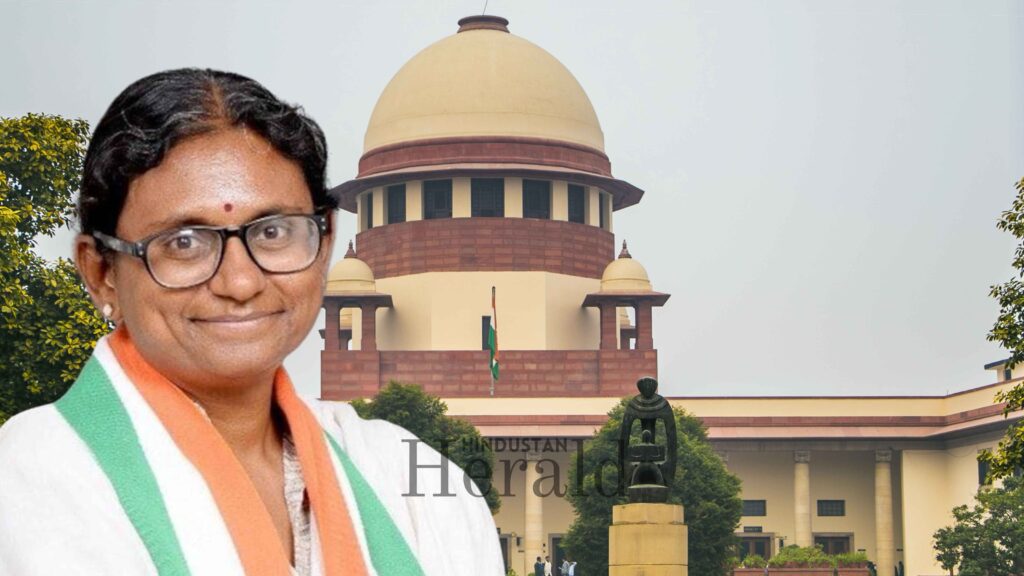
New Delhi, June 12: There is something almost surgical about the way the Supreme Court shut down Meenakshi Natarajan’s petition on Friday. No dramatics, no lengthy deliberation. The bench heard the arguments, asked one question that her counsel could not answer, and that was essentially that. The Congress leader’s bid to challenge the rejection of her Rajya Sabha nomination from Madhya Pradesh was over before it had any real chance to begin.
The Rejection That Started Everything
Go back three days. It was June 9 when the Returning Officer struck Natarajan’s nomination papers off the list. The reason, according to what has been placed on record, was that she had not disclosed a pending criminal case in her nomination form. That column was empty. Under election rules, that is not a clerical inconvenience. It is a disqualifying omission.
She filed anyway. Her legal team moved to the Supreme Court with urgency, which was understandable. With polling approaching, every hour lost in the courtroom was an hour closer to the point of no return. You do not need to be a lawyer to grasp why they rushed.
Still, rushing to the right court at the wrong moment in an election cycle is a problem the Constitution anticipated long before Natarajan’s case.
The Question the Court Asked
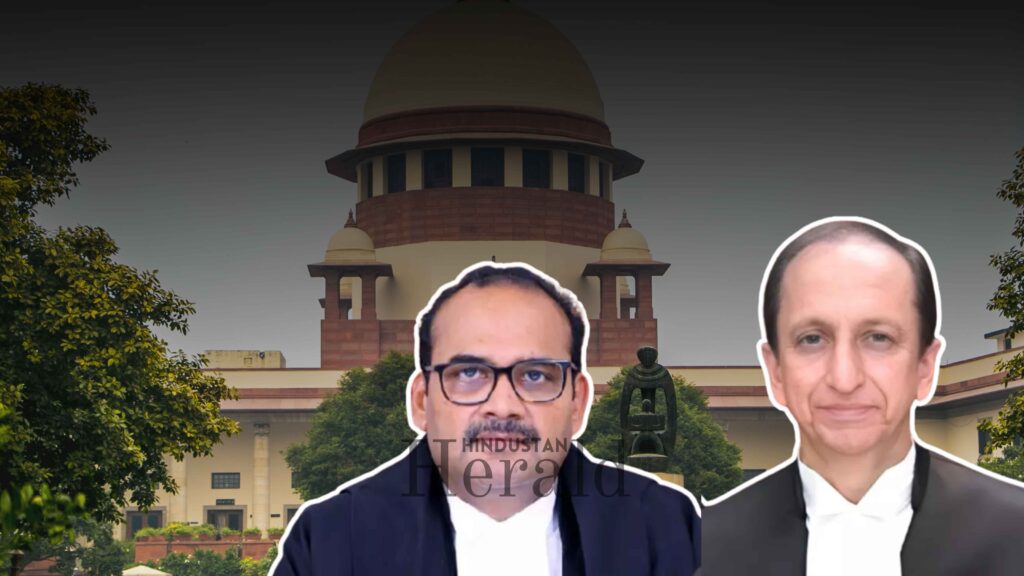
A bench of Justice Prashant Kumar Mishra and Justice Atul S Chandurkar was presiding. The judges listened, and then came the question that settled the matter before any deeper argument could take hold. The bench asked Natarajan’s counsel to produce even one instance where the Supreme Court had intervened in a nomination rejection during an active election. Just one precedent.
None came.
That, in many ways, tells you everything you need to know about how Friday’s hearing unfolded. The court was not signalling hostility to Natarajan’s grievance. It was pointing to something that has been settled constitutional law for decades. Article 329(b) of the Constitution bars courts from interfering in election proceedings once they are underway. No exceptions. No emergency clauses. The election process runs its course, and disputes wait their turn.
The bench also invoked the Ponnuswami judgment, which is the bedrock case on this precise issue. The ruling established, plainly and firmly, that where Parliament has created a specific mechanism to challenge election-related decisions, that mechanism is the only avenue. Courts cannot be substituted for it, regardless of how compelling the circumstances seem. In Natarajan’s case, that mechanism is an election petition under the Representation of the People Act, filed before the appropriate High Court after the election concludes.
That is the remedy. It exists. But it comes after.
What the Non-Disclosure Actually Means
Somewhere in the legal argument about constitutional bars and jurisdictional questions, the original issue got a little buried. Worth digging out.
Nomination forms for Rajya Sabha elections are not particularly forgiving documents. Candidates must declare any and all pending criminal cases against them. The purpose is transparency, and the requirement is unambiguous. It does not matter what the case is about, how old it is, or what stage it has reached. If it is pending, it goes in the form. Full stop.
Natarajan’s form did not carry that disclosure. The Returning Officer reviewed the papers on June 9 and made a call. Whether the omission was a deliberate decision, a legal reading that turned out to be incorrect, or something that fell through the cracks in the preparation process is not clear from what has been publicly established. Her team has not offered a detailed public account of how it happened.
What is clear is that the Returning Officer’s decision has, so far, withstood every attempt to dislodge it.
The Ponnuswami Wall
It is worth pausing on why the Ponnuswami judgment matters so much in cases like this, because it comes up every time a candidate tries to get a court to intervene during an election and every time the court declines.
The ruling was about protecting the integrity of the democratic process from being paralysed by litigation at its most sensitive moment. Elections are time-bound. Candidates, voters, polling machinery, the whole architecture is built around a schedule. If courts could routinely step in mid-process to review individual decisions, the elections themselves would become hostage to legal timelines that no court can guarantee.
Article 329(b) exists for the same reason. The framers thought this through. The remedy for election disputes is a post-election petition, not a pre-election injunction. The idea is that the process completes, and then the legal system evaluates it. That sequencing is deliberate.
Friday’s bench did not deviate from it by even a fraction.
For Congress, the Damage Is Real
Let us not lose sight of the political dimension here, because that is also part of the story.
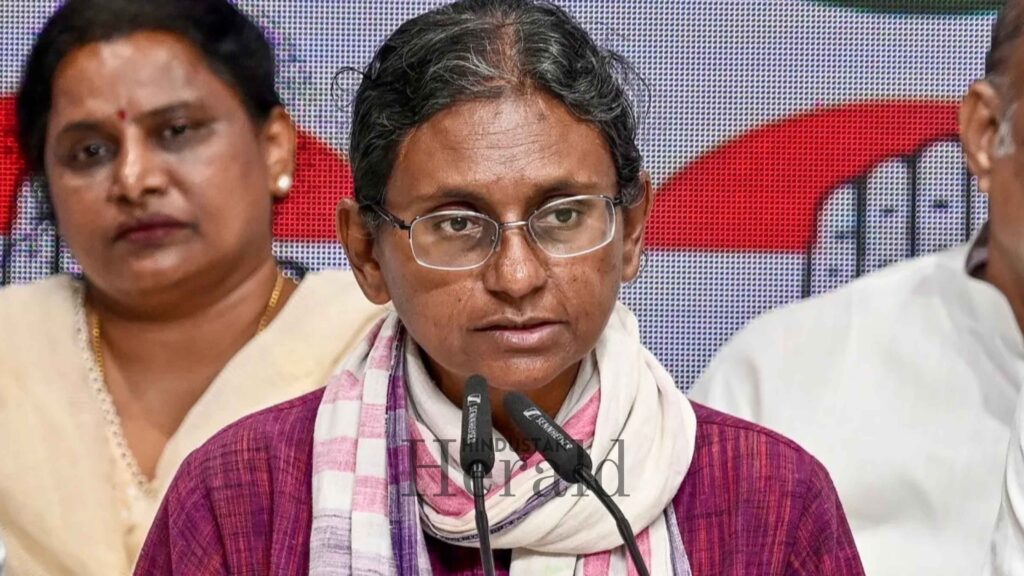
Natarajan is not a peripheral figure. She is a former Member of Parliament, has held organizational positions within the party, and has been a recognisable voice of Congress in Madhya Pradesh over the years. Losing her at the nomination stage, for a reason entirely within the party’s control, is the kind of thing that raises internal questions.
Madhya Pradesh is already difficult territory for Congress. The BJP commands a strong majority in the state assembly, which shapes the arithmetic for every Rajya Sabha election from the state. Opposition candidates need everything to go right. Losing a seat before polling even begins, because of an incomplete nomination form, is not just politically inconvenient. It is the sort of unforced error that opponents will cite for some time.
The BJP has done precisely that, though without any particular restraint.
As it turns out, the court ruling has given critics a line of attack that has nothing to do with ideology or policy. It is simply about paperwork that was not done properly. That is a harder thing to defend against.
What Comes Next
The court told Natarajan clearly what her remaining option is. Once polling concludes, she can approach the High Court with an election petition under the Representation of the People Act, arguing that the rejection of her nomination was improper. That petition would allow a court to examine the Returning Officer’s decision in full, on its merits, without the constitutional constraint of Article 329(b) hanging over the proceedings.
That path is real. It is not a consolation prize handed out reflexively. Courts have, in the past, scrutinised nomination rejections closely through election petitions and found errors in how Returning Officers applied the rules.
For now, though, the Rajya Sabha seat from Madhya Pradesh goes to the vote without Natarajan’s name in the running. The legal chapter may not be finished. The electoral one, for her, already is.
Stay ahead with Hindustan Herald — bringing you trusted news, sharp analysis, and stories that matter across Politics, Business, Technology, Sports, Entertainment, Lifestyle, and more.
Connect with us on Facebook, Instagram, X (Twitter), LinkedIn, YouTube, and join our Telegram community @hindustanherald for real-time updates.

Covers Indian politics, governance, and policy developments with over a decade of experience in political reporting.
- Ananya Sharma

- Ananya Sharma
- Ananya Sharma
- Ananya Sharma




 Arun Upadhayay