
 By hindustanheraldin@gmail.com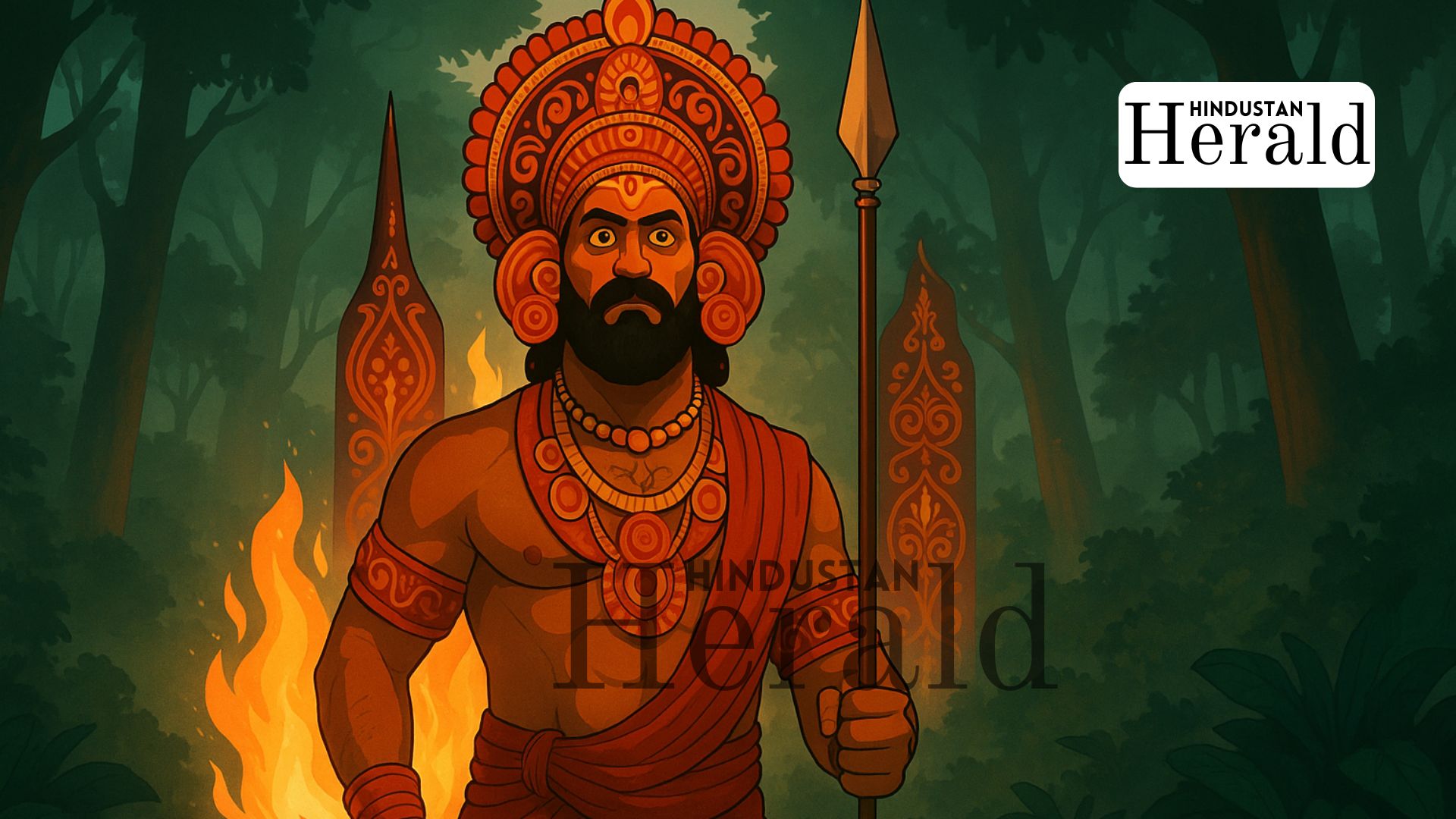
Bengaluru, October 5: There’s a certain magic in watching a local story light up the national screen. Rishab Shetty’s Kantara: Chapter 1, which opened on October 2, has done just that, storming into theatres with the kind of frenzy Kannada cinema hasn’t seen since KGF.
In just three days, the prequel to the 2022 cult hit has pulled in a staggering ₹162.85 crore net across India and a worldwide gross of ₹225 crore, according to Hindustan Times. That puts it ahead of Ajith Kumar’s Good Bad Ugly and makes it the 11th biggest Indian hit of 2025, as reported by The Times of India. For a film rooted in the folk traditions of coastal Karnataka, that’s an astonishing leap.
A Thunderous Start, A Confident Industry
The numbers tell one story, but the energy inside theatres tells another. Packed houses, people dancing to the ritual drums before the show, audience chants echoing through single screens in Udupi and Mysuru, it’s the sort of release that feels like a festival, not a film opening.
Trade trackers estimate Saturday alone brought in around ₹55 crore, and The Economic Times says it crossed the ₹100 crore mark in India before the weekend was even over. Not long ago, that was unimaginable for a Kannada film without the crutch of a dubbed Hindi version.
The industry seems to know it’s watching a turning point. Kannada cinema, which for decades battled to be seen beyond its borders, now finds itself setting the standard for homegrown, myth-inspired storytelling that plays across India.
More Than a Sequel, A Spiritual Expansion
Chapter 1 doesn’t simply revisit the Kantara universe it digs deeper. Set generations before the first film, it explores how the divine legend began, and what happens when devotion, land, and power collide.
The visuals are breathtaking: misty forests, ritual fires, rain pounding through sacred groves. Rishab Shetty’s command over both camera and culture is sharper here, more confident. The spiritual tension that made the original unforgettable now carries a grander, more cinematic weight.
Actor Yash, whose KGF films opened the floodgates for pan-India Kannada cinema, praised it as a “new benchmark for Indian storytelling.” His words echo what many fans are saying that Kantara has evolved from a movie into something like a living myth.
The Piracy Blow, and the Fight to Protect Cinema
But success never comes unchallenged. Within 48 hours of release, The Times of India reported that a pirated copy had leaked online. It spread quickly on Telegram, torrents, and even small community groups.
The makers at Hombale Films moved fast, issuing a public warning and filing complaints. They called the act a “theft of culture,” not just content. And they weren’t wrong. Films like Kantara don’t just represent money; they carry the identity of a region, its faith, and its folklore.
Thankfully, the damage seems limited. Most audiences appear determined to watch it the way it was meant to be seen on the big screen, where the forest sounds feel alive and the flames on-screen light up real faces in the crowd.
Rukmini Vasanth Steps Into the Fire
If Shetty is the spirit of Kantara, Rukmini Vasanth is its soul this time. As Princess Kankavati, she doesn’t just play a warrior; she inhabits one. She trained for months in sword fighting, horse riding, and what she called “mental stillness” to bring authenticity to her role, The Economic Times reported.
Her performance is raw and poised at once. There’s a quiet power to her presence a kind of gravitas rarely seen in mainstream cinema today. It’s easy to see why audiences have been praising her transformation. Vasanth has officially stepped into the big league.
The Man Behind the Myth
Meanwhile, Rishab Shetty himself remains grounded, if somewhat elusive. Reports of his ₹12 crore home in Kundapura, designed in a mix of traditional coastal and modern architecture, went viral last week. The Times of India described it as “where tradition meets Kantara tech,” a house that mirrors the aesthetic and ethos of his films.
For those who’ve followed Shetty’s career, that detail feels fitting. He’s built not just a story universe but an identity for Kannada cinema, one that treats local myth with reverence and cinematic polish in equal measure. Industry sources say he’s already working on a second prequel that could link Chapter 1 and the 2022 original, turning the Kantara series into a full mythological trilogy.
Between Culture and Commerce
There’s a deeper conversation unfolding around Kantara: Chapter 1, beyond box-office tallies and fanfare. The first film had already revived public interest in the Daiva and Bhoota Kola traditions of Tulu Nadu. Temples saw renewed rituals, folk artists received new platforms, and younger generations began asking questions about customs they’d long ignored.
With Chapter 1, that impact has multiplied. Scholars are now studying how Shetty’s cinema bridges the sacred and the cinematic. But not everyone is convinced. Some cultural purists argue that turning these rituals into entertainment risks stripping them of meaning.
Shetty, in his usual understated manner, has said he sees it differently: “If the younger generation is talking about Bhoota Kola because of cinema, that itself is preservation.”
The Broader Wave
What’s happening with Kantara feels like a continuation of a larger Kannada wave. After KGF gave the industry scale, Kantara is giving it soul. The two represent different sides of the same ambition to make local cinema matter nationally without losing its roots.
Streaming giants are reportedly lining up for digital rights, with offers north of ₹150 crore, though Hombale Films hasn’t confirmed any deal yet. Theatres, meanwhile, remain packed through the long Dussehra weekend, and early projections suggest a lifetime collection well beyond ₹400 crore.
Still, box-office numbers only tell part of the story. What’s striking is how Kantara has changed the way people see Kannada cinema and, perhaps, their own culture.
As one fan in Mangaluru told a local paper, “It’s not just a film. It’s our story coming home.”
And maybe that’s the truest measure of success.
Stay ahead with Hindustan Herald — bringing you trusted news, sharp analysis, and stories that matter across Politics, Business, Technology, Sports, Entertainment, Lifestyle, and more.
Connect with us on Facebook, Instagram, X (Twitter), LinkedIn, YouTube, and join our Telegram community @hindustanherald for real-time updates.

 Ayesha Khan and Ananya Sharma