
 By Ananya Sharma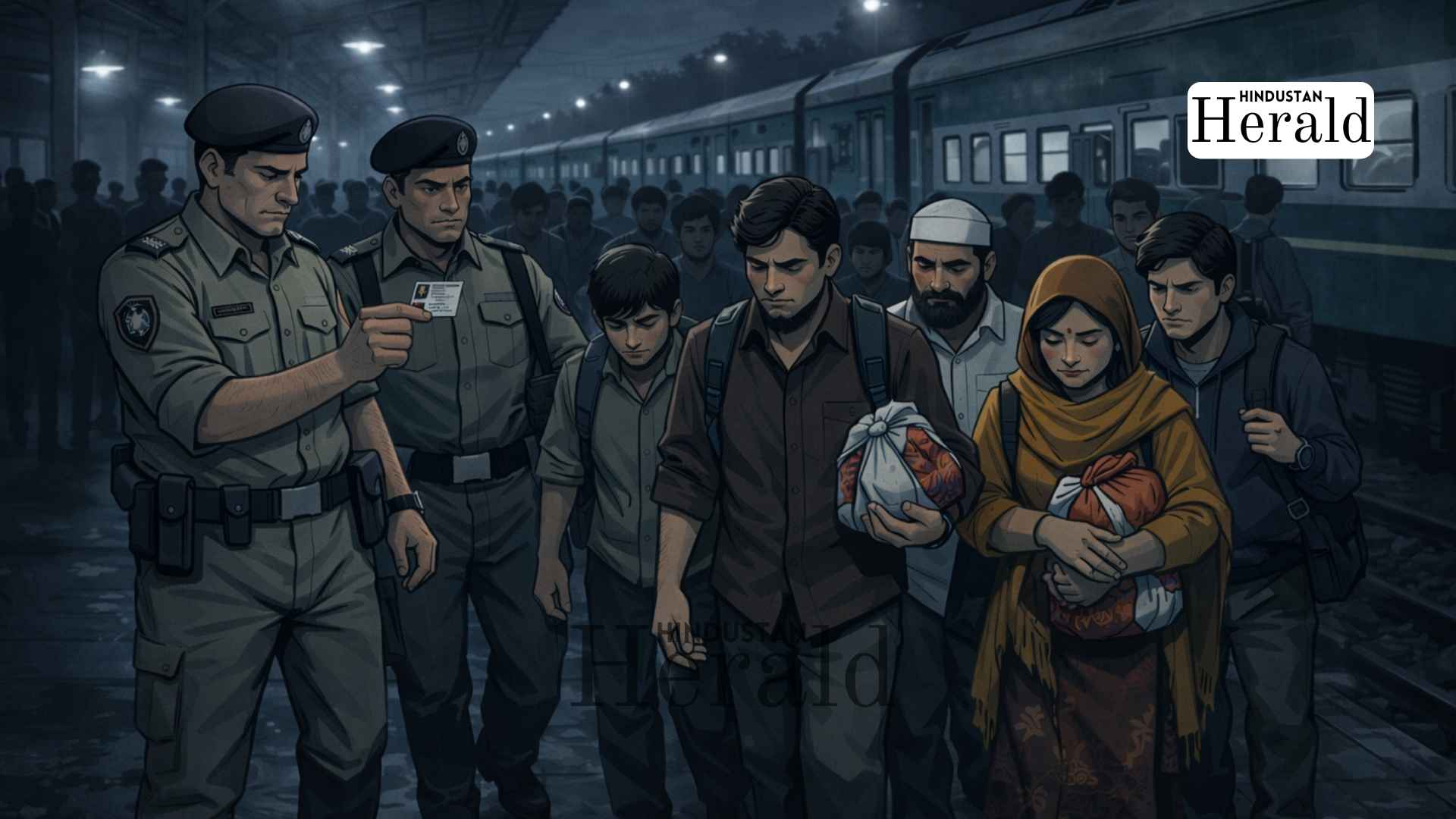
Jalpaiguri, April 3: Nobody checked them at the door. They were just people on a train. A few men, some women, kids tagging along. The kind of group you see in any general compartment on any long-distance express in India. Tired, quiet, minding their own. The Northeast Express was heading to New Delhi and they were on it.
Except they had no business being on Indian soil at all.
On the night of April 1, Railway Protection Force jawans at Jalpaiguri Road station stopped that train and pulled 14 people out of the general coach. All Bangladeshi. All carrying fake Indian papers. Four women in the group. Four children. The kids, God knows, probably had no clue what was unfolding around them. The grownups knew exactly what they had done.
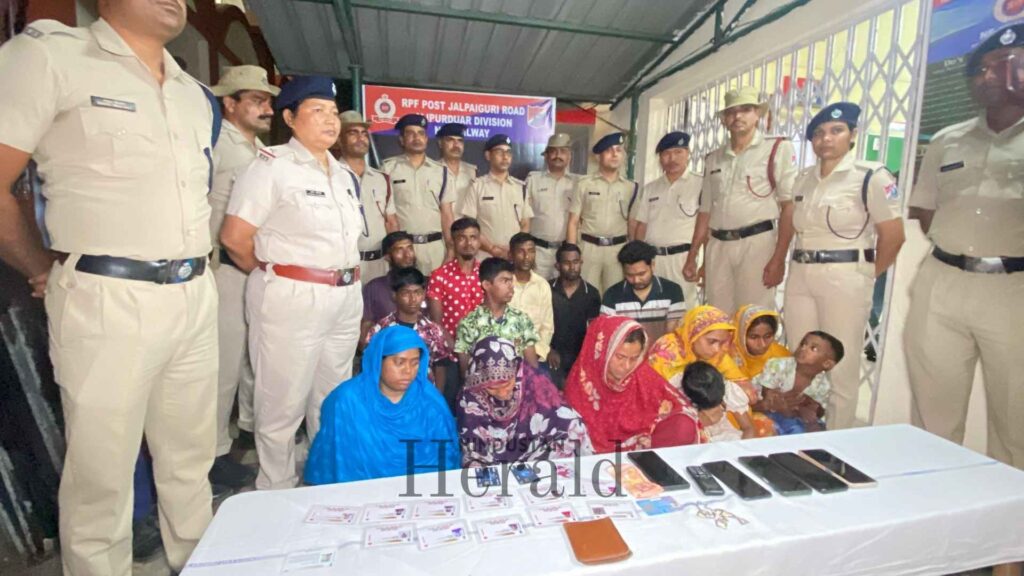
When the bags were checked, out came forged Aadhaar cards. Forged PAN cards. Indian SIM cards. Bangladeshi taka. And here is the part that made even the officers pause Malaysian Ringgit. Foreign currency, from a country thousands of kilometres away, sitting in the pocket of someone from a village in Bangladesh. That detail alone tells you this was not some desperate midnight dash across a paddy field. There was money behind this. There was planning. And somewhere out there, there was someone who set the whole thing up and collected a fee for it.
One Tip. One Night. Fourteen People Off a Train.
RPF Inspector Biplab Dutta was straight about it when he spoke to the press. His team did not stumble onto this. They had a specific tip. They went looking, and they found what they were told they would find.
When passengers in that general compartment were asked to show ID, the Aadhaar cards some of them produced did not add up. Names looked wrong. Details did not match faces. Fourteen people were brought off the train right there at Jalpaiguri Road station and the Express moved on without them.
Under questioning, the group did not hold back for long. They were from Fakirbari, Bagerhat district in Bangladesh. They had crossed into India through the Assam border, made their way to Kamakhya station in Guwahati, boarded the Delhi train there, and the plan was to reach the capital first. After that? Jammu and Kashmir. For work, they said.
Sit with that route for a moment. Bangladesh border. Assam. Guwahati. West Bengal. Delhi. Then Kashmir. That is not a panicked illegal crossing. That is a road map. Someone drew it for them.
The Fence Has Holes. Big Ones.
People hear “sealed border” and imagine a wall. The reality between India and Bangladesh is very different.
The two countries share 4,096 kilometres of border. It is one of the longest land borders in the world. Out of all that length, only around 3,141 kilometres has actual fencing. The rest over 900 kilometres runs through rivers, wetlands, hills, and the kind of terrain where you simply cannot plant fence posts in the ground. Not now, maybe not ever.
West Bengal shares 2,216 kilometres with Bangladesh. Around 569 kilometres of that has no fence. In Assam, stretches along rivers are impossible to fence because the river keeps shifting. You cannot fence water. You can put boats on it and hope for the best.
This week, Intelligence Bureau officials warned that infiltration attempts are climbing ahead of elections in both West Bengal and Assam this month. Their reasoning was simple and hard to argue with. Election season pulls security personnel toward polling booths, rallies, and VIP movements. The people running these border-crossing networks know the calendar as well as anyone. They are not going to miss a window like that.
One official, speaking to SocialNews.XYZ, put it plainly. The touts, he said, know exactly which stretches are unfenced and use them. The word tout is important. This is not charity. People pay to cross. Documents are organised in advance. Someone receives money and delivers a crossing. It runs like a business because that is exactly what it is.
Aadhaar Was Supposed to Fix This
The whole point of the Aadhaar system was to create an identity that could not be faked. Biometric data, unique numbers, a centralised database. When the government rolled it out, the pitch was essentially this: finally, a document that proves you are who you say you are.
And yet here were 14 Bangladeshi nationals on a train to Delhi, carrying Aadhaar cards that looked real enough to use.
This is not a new problem, just a stubborn one. Researchers who have tracked this issue for years say that in border districts, forged Aadhaar and voter cards have been available through fixers for a long time. There is a dark irony in the data an illegal immigrant connected to the right forger is sometimes better documented on paper than a legitimate Indian villager who never got around to enrolling.
How the cards seized at Jalpaiguri were made, whether through stolen data, paid-off insiders, or a printing setup somewhere in a border town, is what investigators are now chasing. The documents existed. Someone made them. That someone is still out there.
Malaysian Money in a Bangladeshi’s Pocket
It keeps coming back to those Malaysian Ringgit.
Bagerhat is a coastal district in southern Bangladesh. It has no connection to Malaysia beyond the fact that for years, Bangladeshi men have been going to Malaysia for work construction, factories, plantations. It is one of the most common migration corridors in South Asia. Thousands of families in rural Bangladesh have a son or brother or husband somewhere near Kuala Lumpur right now.
So why was Malaysian currency in the possession of this group? Did someone in the network just get back from Malaysia? Is this money flowing through a remittance channel that connects Dhaka, Kuala Lumpur, and ultimately a border crossing agent in Assam? Investigators are not saying yet. But they are asking.
Everybody Is Pointing at Somebody Else
Within hours of the arrests going public, the political argument had already started and already sounded exactly like every previous version of itself.

The BJP said this is proof that the Trinamool Congress government in West Bengal looks the other way when Bangladeshis cross the border because they become voters. The Trinamool said back that borders are the Central Government’s job, that the BSF answers to Delhi, and if there are crossings happening, blame the BSF.
Both sides have a point. Both sides are also using a human crisis to score runs before election day.
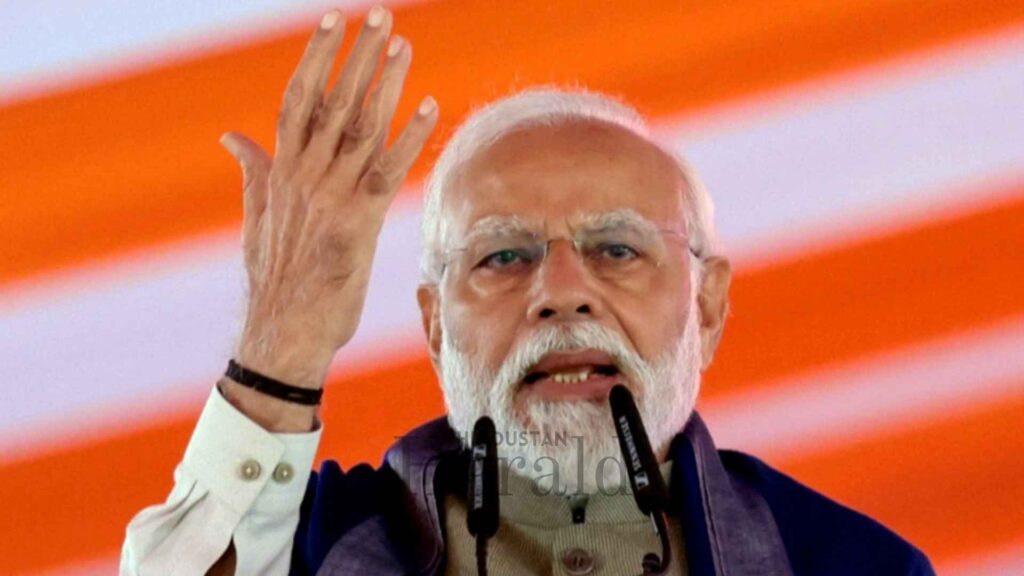
PM Modi addressed this at a rally in Assam earlier this week. He said illegal immigration is not just an election-time slogan. It affects farmers’ land rights, it crowds out jobs that poor people and tribals depend on, and it creates security pressures for border communities. He is not entirely wrong. He is also not above using it as a campaign line. That is the reality of Indian politics.
What gets lost in the noise is that the RPF team at Jalpaiguri did something genuinely effective on the night of April 1. They had a tip, they moved on it, and they caught 14 people with forged documents heading toward the country’s most sensitive region. That is good police work. It should be recognised as such, separate from whatever BJP and TMC are shouting at each other.
The Number Nobody Wants to Say
Here is the question this case leaves hanging.
Fourteen people were on that train and got caught. How many were on the other trains that night and did not? How many crossed last week, last month, found work somewhere, and are now entirely invisible inside a country of 1.4 billion people?
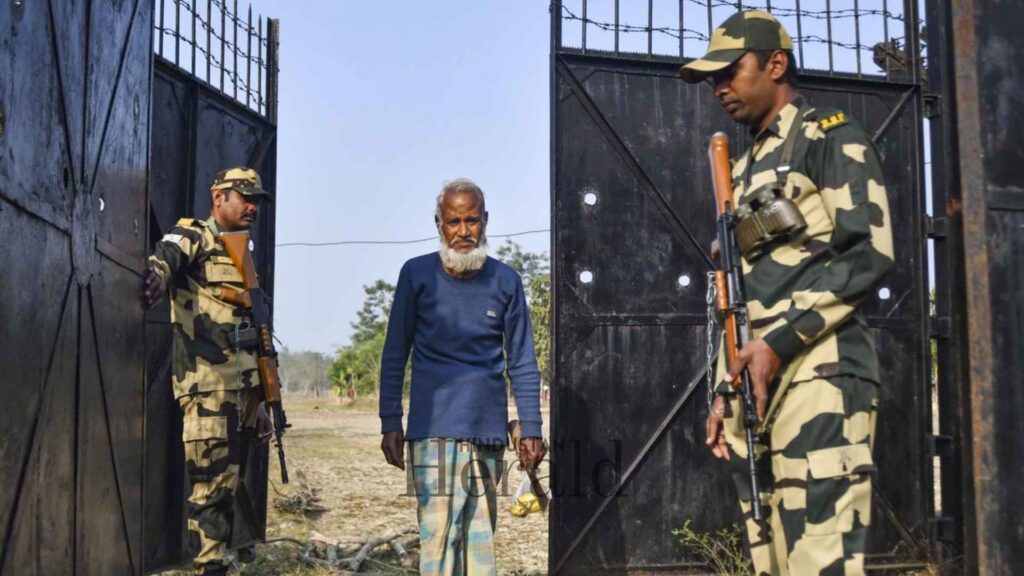
No one has a reliable answer. The Intelligence Bureau says more attempts are coming. Officials say the coordination with Bangladesh border forces is functional but that gaps remain and will keep being exploited. The networks are not going anywhere.
The 14 people now in custody will be investigated, processed, and most likely deported. The ones who made the crossing undetected will carry on.
The RPF caught what they could on one night at one station. The rest of the picture is darker and much, much larger than 14 people in a general compartment.
Stay ahead with Hindustan Herald — bringing you trusted news, sharp analysis, and stories that matter across Politics, Business, Technology, Sports, Entertainment, Lifestyle, and more.
Connect with us on Facebook, Instagram, X (Twitter), LinkedIn, YouTube, and join our Telegram community @hindustanherald for real-time updates.

Covers Indian politics, governance, and policy developments with over a decade of experience in political reporting.
- Ananya Sharma

- Ananya Sharma
- Ananya Sharma
- Ananya Sharma




 Sandeep Verma