
 By Kavita Iyer
New Delhi, April 19: The numbers came out quietly, the way uncomfortable truths often do. India’s LPG consumption fell 13 percent in March. That is not a rounding error or a seasonal dip. That is 350,000 tonnes of cooking gas that simply was not there or could not get here because a war broke out thousands of kilometres away and shut down the waterway that most of it travels through.
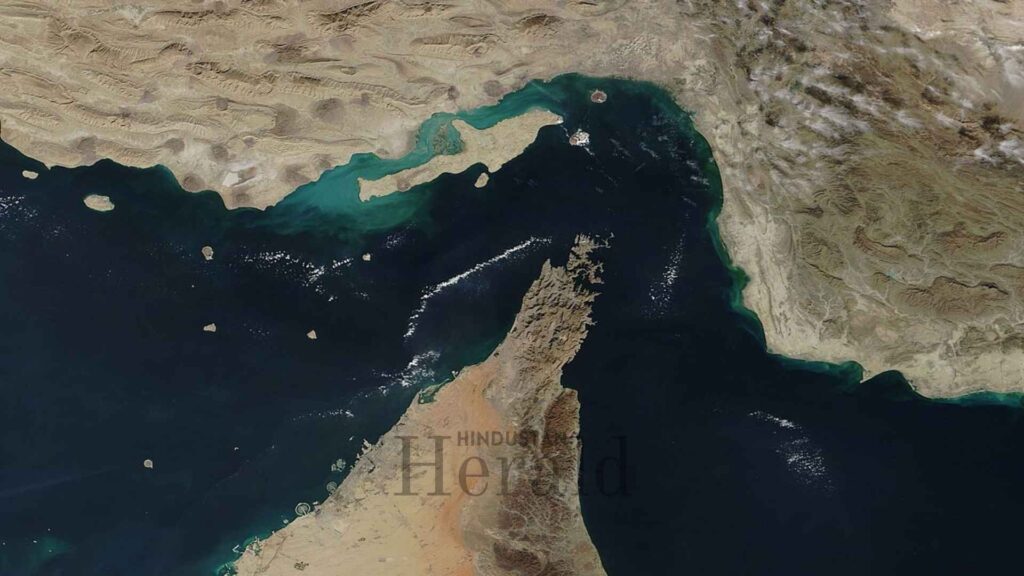
The Strait of Hormuz. A 33-kilometre pinch point between Iran and Oman. Most people in India could not find it on a map without prompting. But it turns out that strait, in a very direct and measurable way, controls whether the gas cylinder in a Mumbai kitchen gets refilled on time.
When a Distant War Arrives at the Kitchen Door
On February 28, the United States and Israel launched coordinated strikes on Iran under an operation the Americans named Epic Fury. The targets included military sites, nuclear facilities, and senior leadership including Supreme Leader Ali Khamenei, who was killed in the strikes. Iran’s response was not a press conference. It was the closure of the Strait of Hormuz.
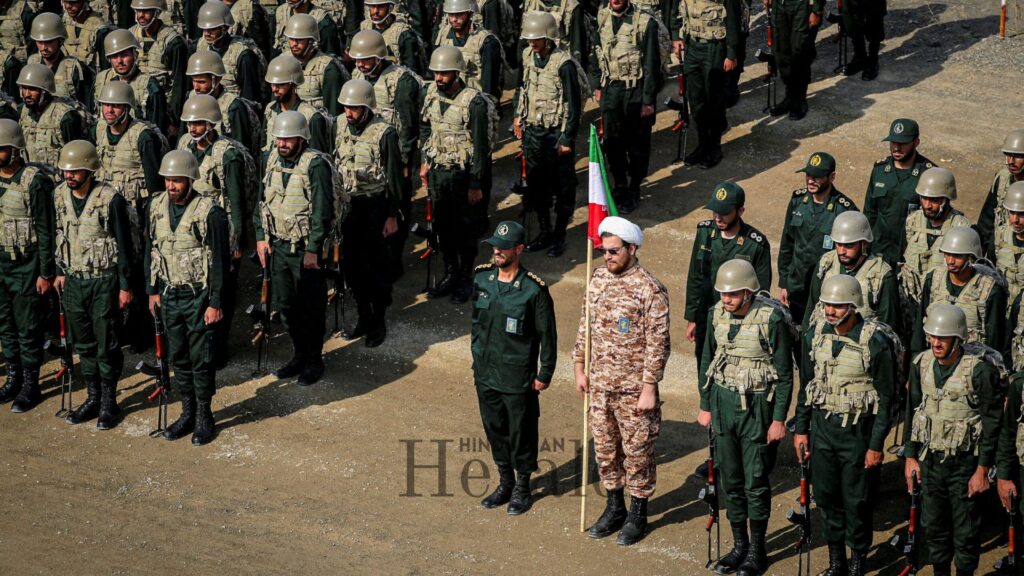
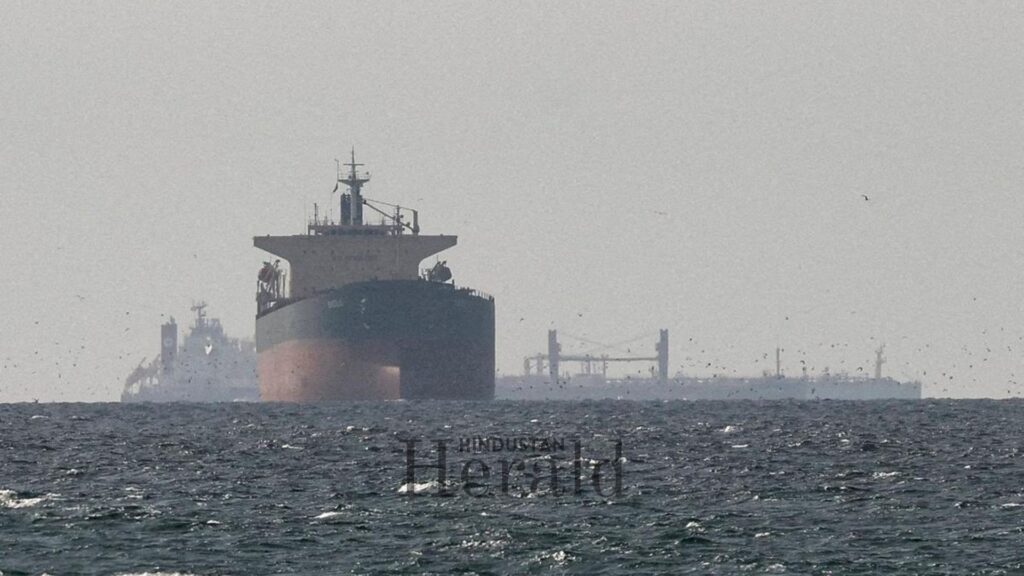
The Islamic Revolutionary Guard Corps moved fast. Tanker traffic through the strait, which on a normal day carries roughly a fifth of the world’s seaborne oil, fell by around 70 percent almost immediately. Then it fell further. Over 150 ships anchored outside the strait, engines running, cargo sitting, waiting to see what would happen next. What happened next was that traffic dropped to near zero.
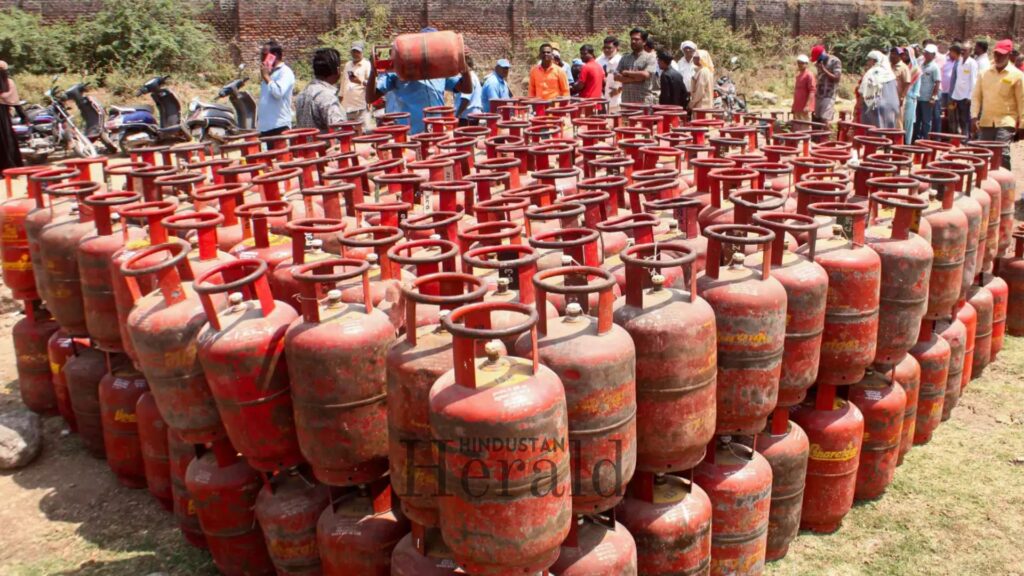
For India, this was not a faraway crisis to follow on the evening news. The country imports nearly 60 percent of its LPG, and the bulk of it flows in from Saudi Arabia and the UAE both via the Strait of Hormuz. When the strait effectively closed, those supplies stopped. And the data from the Petroleum Planning and Analysis Cell for March shows exactly what that stoppage looked like in practice: consumption at 2.379 million tonnes against 2.729 million tonnes in March last year.
That gap is the war, expressed in cooking gas.
Not Everyone Felt It the Same Way
Here is where the story gets a bit more layered. The government did not simply let the shortage land evenly across all users. It made a choice, and it made it quickly: households come first.
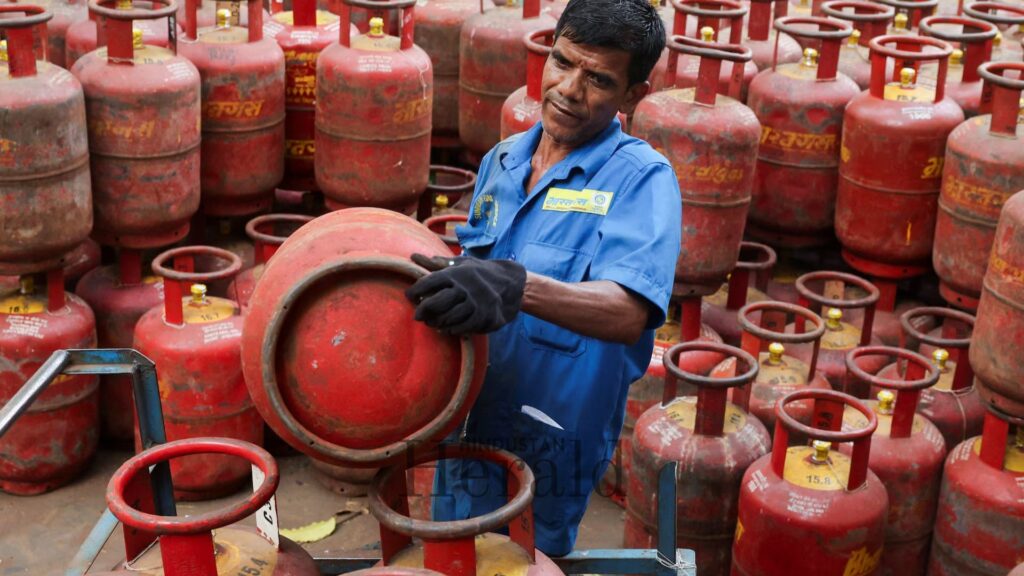
Domestic LPG consumption fell 8.1 percent in March, down to 2.219 million tonnes. That is a meaningful drop, but not a collapse. The harder number belongs to non-domestic users, where consumption fell nearly 48 percent. And bulk LPG users the industrial and commercial segment saw usage crash by over 75 percent.
Hotels that run on LPG-fired kitchens. Food processors. Commercial bakeries. Industrial boilers. These users were essentially told to manage with drastically reduced allocations so that the household cylinder could keep arriving. It is an understandable priority. Politically, socially, and practically no government wants to be the one that left the household kitchen without gas during a war-driven shortage.
Still, for the businesses on the receiving end of those cuts, it was not an abstract policy decision. It was an operational crisis that lasted weeks and, for some, continues to bite.
India Turns Its Own Refineries Into the Answer
Faced with a supply gap that no diplomatic call was going to fix overnight, the government did something practical. It ordered refineries to pull feedstock away from petrochemical production and redirect it toward LPG output.
The results showed up in the numbers. Domestic LPG production climbed to 1.4 million tonnes in March, up from 1.1 million tonnes in the same month last year. For the full financial year 2025-26, production rose to 13.1 million tonnes from 12.8 million tonnes previously.
That is not a trivial increase. Pulling feedstock from petrochemicals has its own downstream consequences the packaging industry, pharmaceuticals, plastics, specialty chemicals. Someone paid for that reallocation, just not visibly. But the trade-off was made, the numbers improved, and household supply held, imperfectly but adequately.
The Scale of What Is Actually Happening
It is worth stepping back from the LPG data for a moment and recognising just how significant the broader crisis is. The International Energy Agency has not been subtle about its assessment. Its head described the situation as the greatest global energy security challenge in history. Not in recent memory. In history.
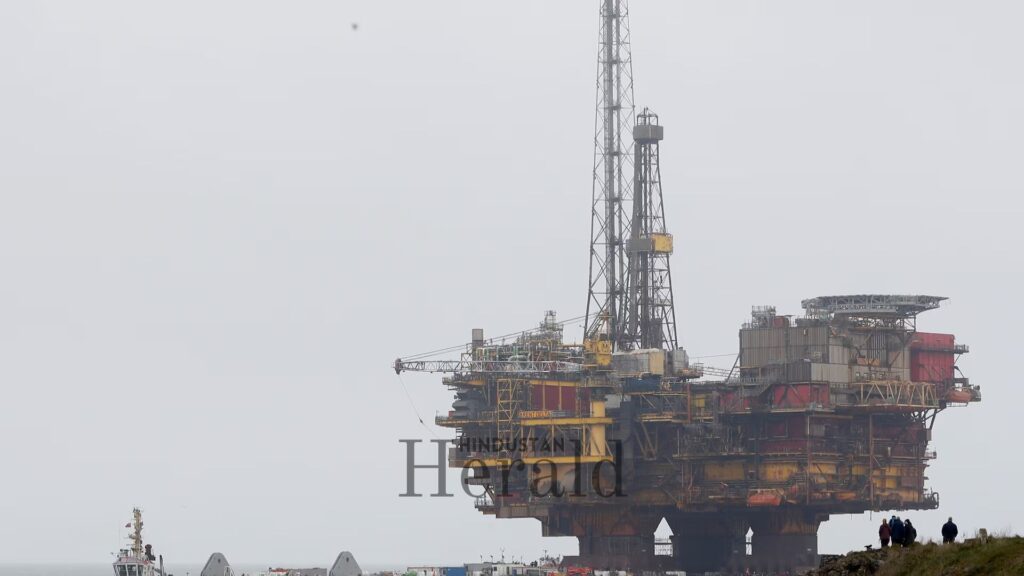
Brent crude crossed $100 per barrel on March 8 for the first time in four years, eventually peaking at $126. The monthly increase in oil prices that March recorded was the largest ever measured. The IEA’s Fatih Birol said the disruption was more severe than the 1970s oil crises and the Ukraine war combined. That last comparison matters because the Ukraine war already rewired European energy infrastructure for two years. This, he was saying, is worse.
Europe was already in a fragile position going into the conflict gas storage at just 30 percent of capacity after a rough winter. Gas benchmarks in Europe nearly doubled to over 60 euros per megawatt-hour by mid-March. The shock moved from the Gulf to European home heating bills in a matter of weeks. That is how connected these systems are.
India landed in a different but equally uncomfortable position. On March 6, the US Treasury issued New Delhi a 30-day emergency waiver allowing it to purchase stranded Russian oil cargoes ships that were sitting around with nowhere obvious to go, given the disruption to help stabilise domestic fuel prices. The Americans offered this not out of generosity but out of recognition that leaving India without supply options during an energy crisis of this scale served no one’s interests. India took the waiver.
The Fuel Numbers That Went the Other Direction
Oddly or perhaps not, if you think about it petrol and diesel did not suffer the same fate. Petrol sales in March rose 7.6 percent to 3.78 million tonnes. Diesel was up 8.1 percent to 8.727 million tonnes.
Ground transportation kept moving. Trucks, buses, cars. The Indian economy, or at least the segment of it that runs on road fuel, did not visibly falter in March. The damage was concentrated specifically in LPG and aviation fuel. Jet fuel consumption was essentially flat 807,000 tonnes in March against 801,000 tonnes a year earlier because Gulf airspace was largely closed. Flights that would normally cross through that region were rerouted or grounded. Demand for aviation fuel barely budged simply because the planes were not flying the routes.
Still No Clean Resolution
As of today, the Strait of Hormuz remains a source of deep uncertainty. Two days ago, Iran’s foreign minister declared the strait open to commercial ships following a ceasefire announcement. Within hours, the situation reversed. The IRGC said the strait would not stay open as long as the US naval blockade of Iranian ports remained in effect. Ships that had started to move turned back.
On the same day that Iran announced the opening, two Indian-flagged vessels carrying crude oil came under Iranian military gunfire and reversed course in the waterway. India summoned the Iranian envoy. A formal protest was filed. The incident was a reminder that this conflict, however much India tries to manage it from the sidelines, is now touching Indian ships directly.
The ceasefire language keeps shifting. The US says its naval blockade remains in effect regardless of what Iran declares about the strait. Iran says the strait will close if the blockade continues. In between these statements, tankers are either moving cautiously or not moving at all.
One Bad Month in an Otherwise Growing Story
For the full 2025-26 financial year, total LPG consumption still ended up 6 percent higher at 33.212 million tonnes. That underlying growth reflects years of government effort to shift households away from firewood and biomass toward cleaner cooking fuel a transition that has meaningfully improved air quality and health outcomes in rural India.
March was an exception in an otherwise upward story. But exceptions have a way of revealing the vulnerabilities that normal conditions conceal. India’s energy supply chain runs, to a significant degree, through one narrow strait in the Gulf. That was always a structural risk. It just took a war to make it visible.
For now, the cylinders are still reaching most households. The government’s emergency measures production rerouting, commercial rationing, the Russian oil waiver held the situation together through the worst of March. Whether April looks better will depend on whether the Strait of Hormuz settles into something more stable. And right now, that answer is genuinely not clear.
Stay ahead with Hindustan Herald — bringing you trusted news, sharp analysis, and stories that matter across Politics, Business, Technology, Sports, Entertainment, Lifestyle, and more.
Connect with us on Facebook, Instagram, X (Twitter), LinkedIn, YouTube, and join our Telegram community @hindustanherald for real-time updates.

Former financial consultant turned journalist, reporting on markets, industry trends, and economic policy.
- Kavita Iyer

- Kavita Iyer
- Kavita Iyer
- Kavita Iyer




 Shelesh Joshi and Kavita Iyer