
 By Arun Upadhayay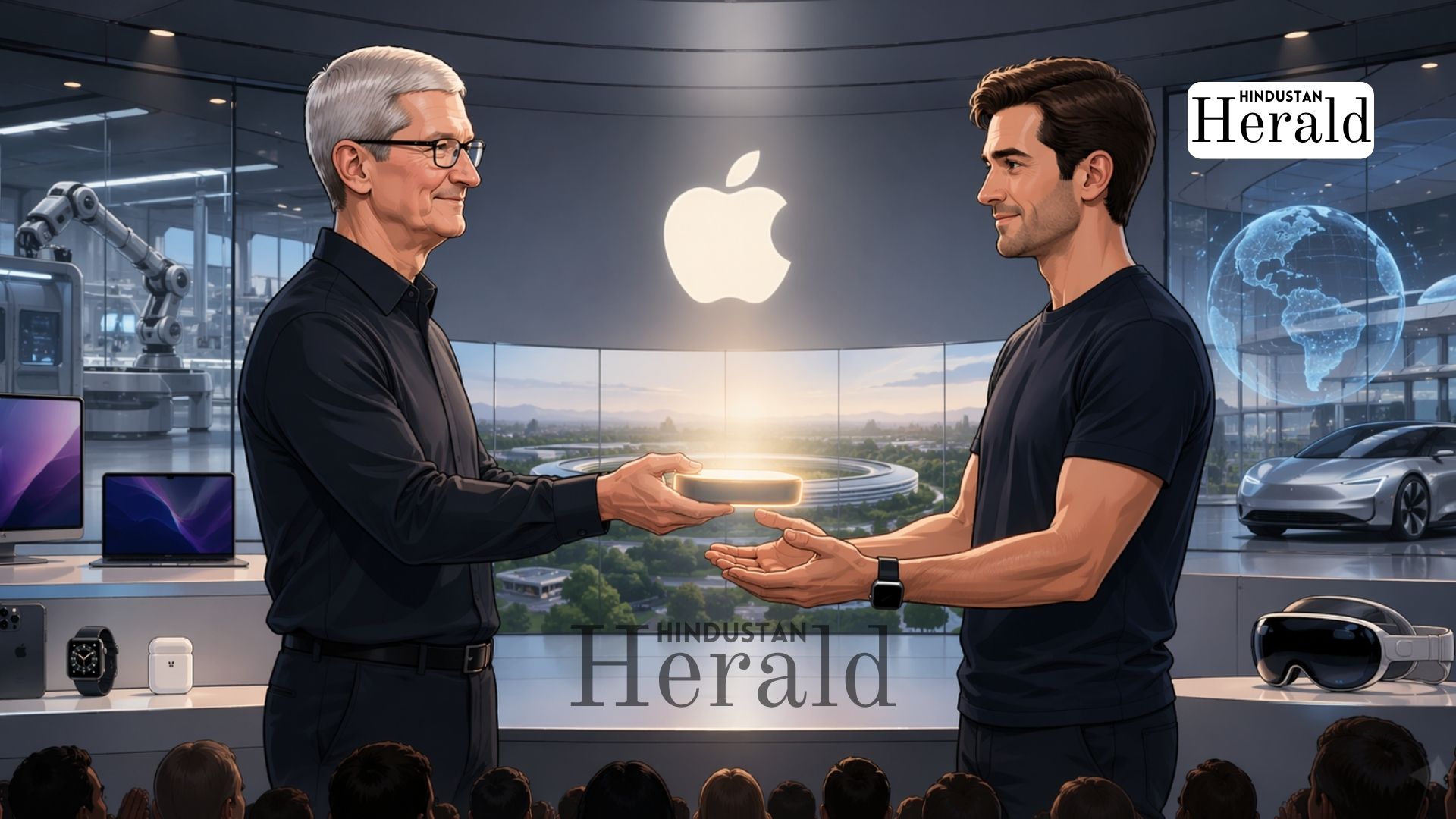
New Delhi, April 21: There are moments in corporate history that feel almost anticlimactic when they finally arrive. Everyone saw it coming. The speculation had been running for months. And yet when Apple quietly dropped the news on a Monday afternoon that Tim Cook was stepping down, it still landed with a certain weight that no amount of prior warning can fully cushion.
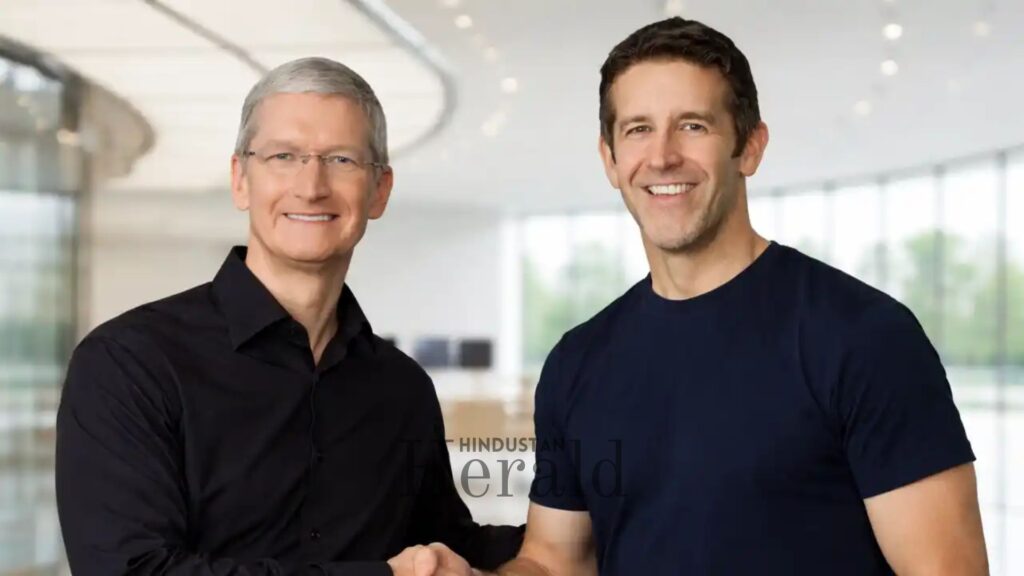
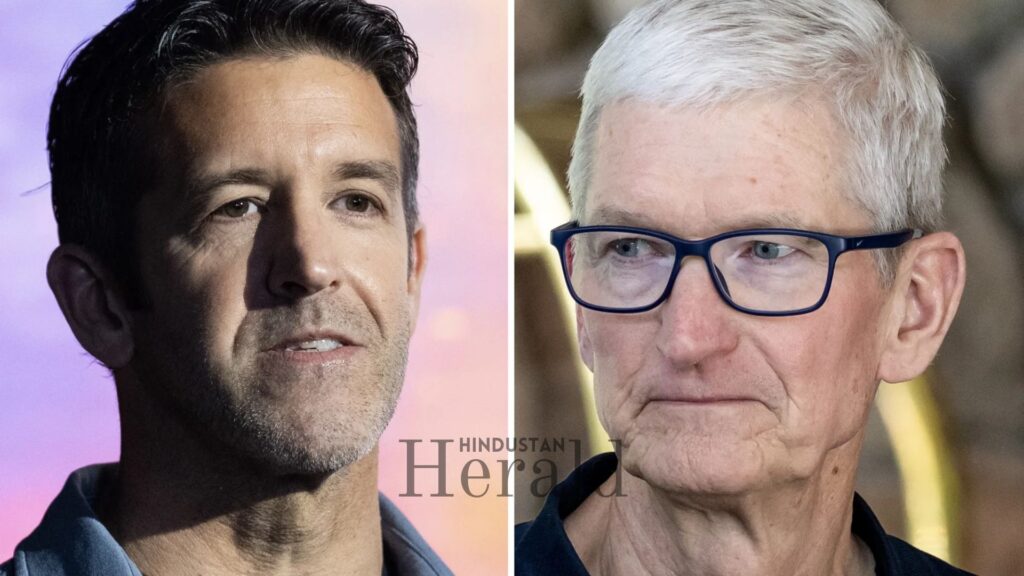
No boardroom drama. No activist investor forcing his hand. No health scare is doing the talking. Just a clean, dignified announcement from Cupertino confirming what the industry had long suspected: Cook was ready to pass the baton, and the man catching it was John Ternus, a 50-year-old mechanical engineer who has spent nearly his entire working life inside Apple’s walls.
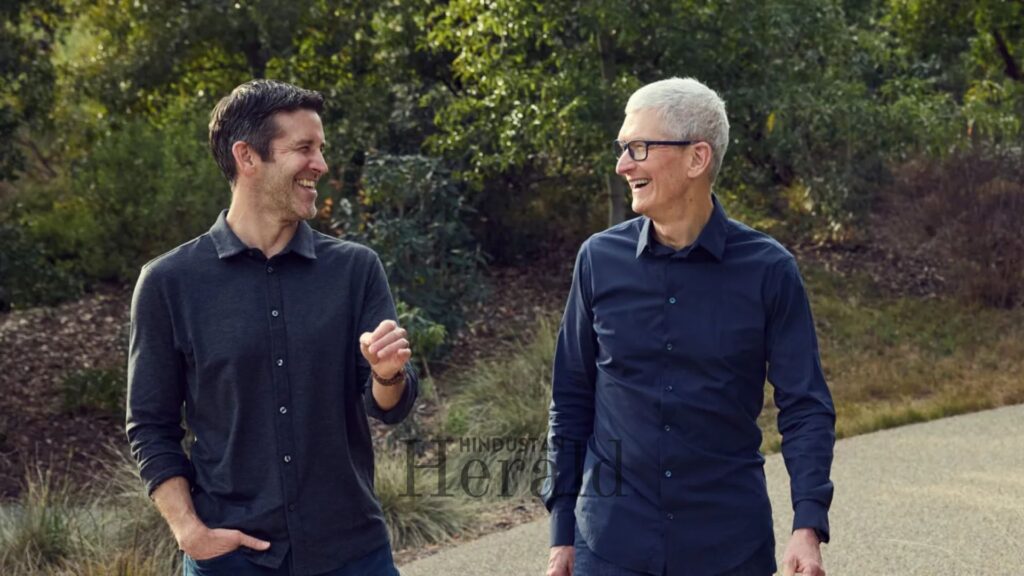
Ternus officially takes over on September 1, 2026. Cook stays on as executive chairman. And just like that, the longest-running act in Silicon Valley begins its final curtain call.
The Weight of Filling Jobs’ Shoes, and Then Some
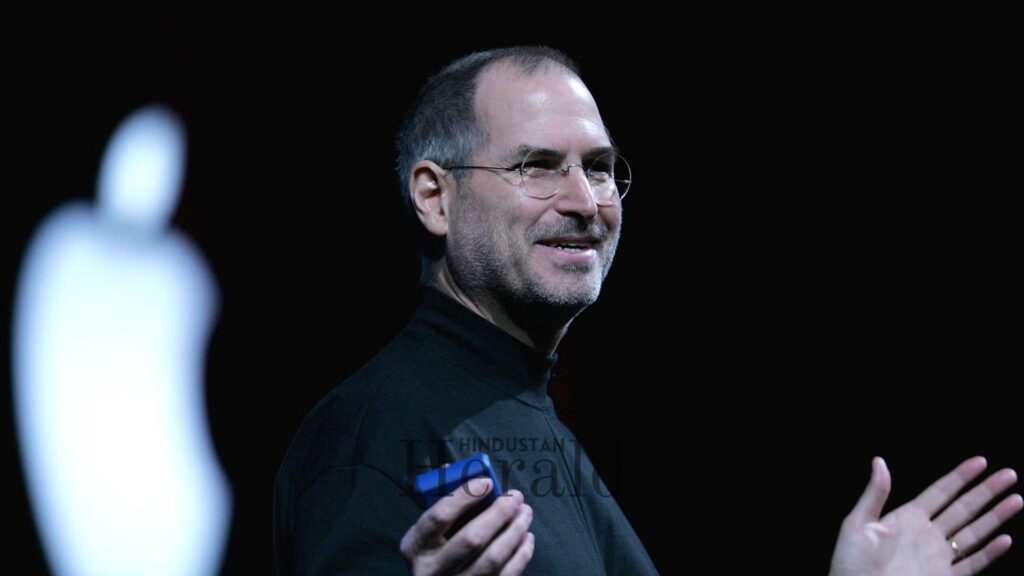
When Steve Jobs died in October 2011, just weeks after formally handing Cook the CEO title, a lot of people in the technology world wrote Apple’s obituary in invisible ink. They kept it handy, just in case. The conventional wisdom was almost universal: no one could replace Jobs, and Cook, a supply-chain operator from Alabama with zero reputation as a product visionary, was going to prove that sooner or later.
He proved the opposite.
What Cook understood, better than almost anyone giving him credit at the time, was that Apple did not need another Jobs. It needed someone who could take an extraordinary machine and make it run without breaking. And that is what he did, quarter after quarter, for fifteen years.
As reported by CNBC, Apple’s market cap grew more than twentyfold during his tenure, eventually crossing four trillion dollars. Revenue, according to the SF Standard, climbed from roughly 110 billion dollars to 416 billion. Profits followed a similar trajectory. These are not the numbers of a caretaker CEO. These are the numbers of someone who fundamentally expanded what the company was and what it could be.
The masterstroke, one that does not get enough attention even now, was Cook’s decision to build Apple Services into a genuine business in its own right. Apple Pay, Apple Music, iCloud, Apple TV+, the App Store ecosystem: as reported by Business Today, this division generated approximately 106 billion dollars in revenue in 2025. The margins on services are dramatically better than on hardware. Cook saw that runway before most others did, and he ran down it.
That said, the Cook years were not a clean sweep. The Apple Vision Pro, the mixed-reality headset he personally championed, launched in 2024 and found a market roughly the size of a niche hobby community. Consumers looked at the price tag and the weight on their faces and said, politely, no thank you. On artificial intelligence, the criticism is harder to dismiss. Apple has moved more cautiously than Google or Microsoft in deploying generative AI at scale, and in an industry that punishes caution with irrelevance, that lag carries genuine risk.
Still. Fifteen years. Four trillion dollars. Two and a half billion active devices worldwide. The man earned his exit on his own terms.
John Ternus: The Engineer Who Inherits Everything
The first question most people outside of tech circles are going to ask is: who?
John Ternus is not the kind of executive who turns up at galas or does the circuit of industry conferences for the visibility. He is a builder. He studied mechanical engineering at the University of Pennsylvania, graduated in 1997, spent a short stint designing virtual-reality headsets at a small firm called Virtual Research Systems, and then walked into Apple in 2001 and essentially never left.
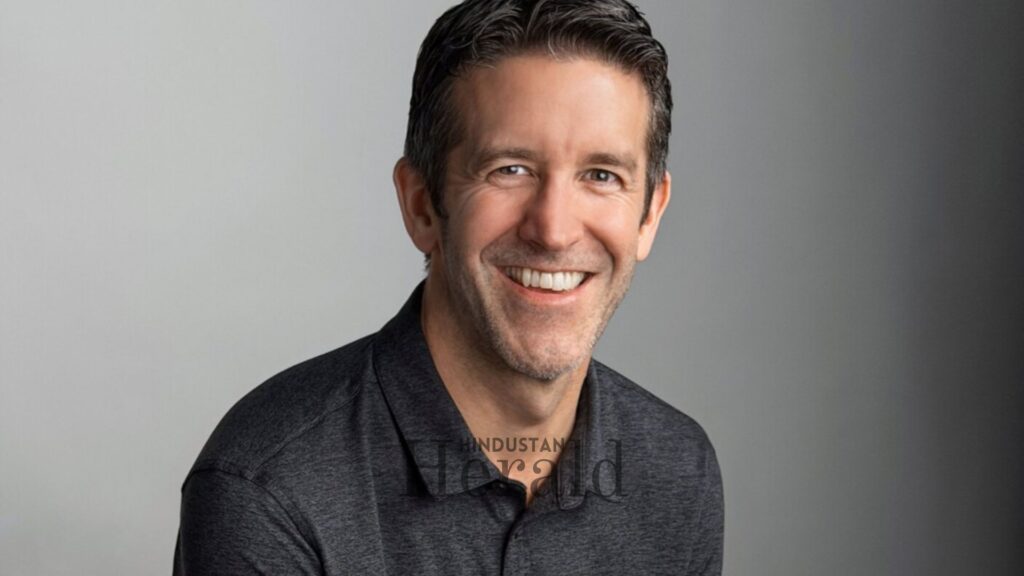
He rose steadily through the hardware engineering ranks, making vice president in 2013 and senior vice president in 2021, when he became the youngest member of Apple’s top executive team. As confirmed by TechCrunch, his fingerprints are on almost everything Apple has shipped over the past decade: multiple iPhone generations, the Mac’s transition to Apple Silicon, the modern iPad, AirPods, the Apple Watch, and, more recently, the MacBook Neo and the iPhone Air. Apple noted that his team also pushed AirPods into genuine hearing health territory, developing over-the-counter hearing aid capability. That is the kind of product achievement that tends to get buried under the headline numbers but actually matters to people’s daily lives.
Ternus is fifty. Which, as TechCrunch drily noted, is almost exactly how old Cook was when he became CEO. Whether that parallel means anything beyond coincidence is anyone’s guess.
His statement after the announcement was warm and grounded, referencing both Steve Jobs and Cook as figures who shaped how he thinks about the job. He said he is humbled to step into the role and promised to lead with the values and vision that have defined Apple for half a century. Cook, for his part, called Ternus someone with the mind of an engineer, the soul of an innovator, and the heart to lead with integrity. High praise from a man not given to empty flattery.
As it turns out, the succession planning had apparently been underway quietly for some time. According to Apple’s official statement, the board approved the transition unanimously, describing it as the result of a thoughtful, long-term succession planning process. Johny Srouji has been promoted immediately to chief hardware officer, stepping into the expanded role Ternus is vacating. Tom Marieb joins him. Arthur Levinson, Apple’s non-executive chairman for fifteen years, moves to lead as an independent director effective September 1.
The machinery of the transition is already moving.
India Is Watching This Closely
For Indian readers, this is not just a distant corporate story from California. Tim Cook’s tenure at Apple matters here in ways that are direct and economic.
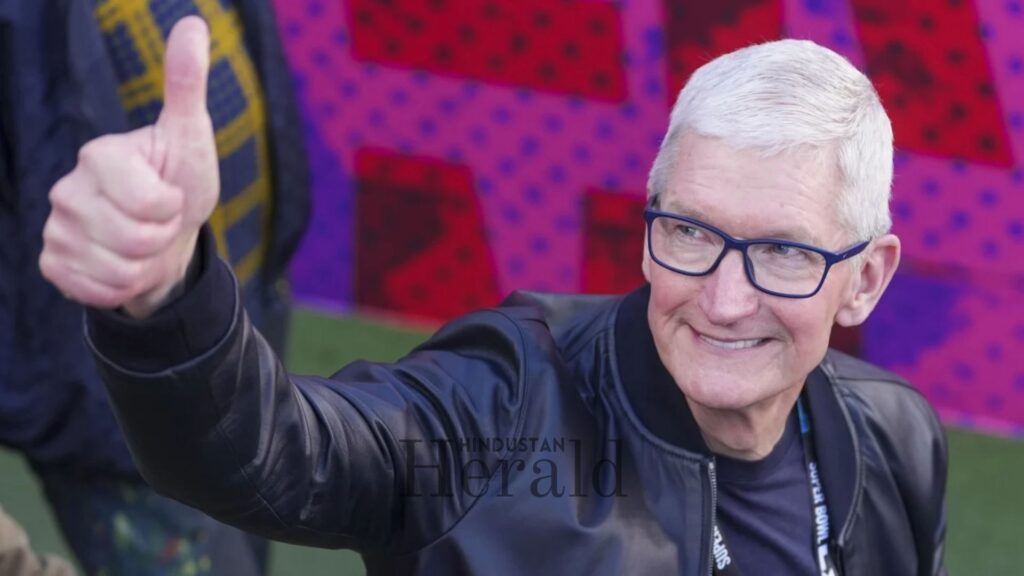
Cook made India a personal priority in a way that few tech CEOs from the West have bothered to do. He inaugurated Apple’s flagship retail stores in Mumbai and New Delhi himself in 2023. He flagged India in earnings calls repeatedly, publicly calling it a huge opportunity when Apple posted record revenue across iPhone, Mac, iPad and services in the country. According to Counterpoint Research data cited by Business Today, Apple reached a 28 per cent value share in India’s smartphone market by the first quarter of 2026. That kind of number does not happen without serious, sustained investment in the market.
On the manufacturing side, the shift has been even more consequential. As reported by Storyboard18, Apple’s exports from India reached 2.5 billion dollars in the financial year 2026. The company’s subsidiary Apple Operations India, set up in 2024, focuses on research, design, testing, and engineering work. India is no longer simply an assembly destination. Cook turned it into a strategic hedge against China dependency, and that strategy has gathered real momentum.
The uncomfortable question now is whether Ternus, who built his career entirely in hardware engineering and product development, has the same instinctive grasp of geopolitical manufacturing strategy that Cook cultivated over fifteen years of personal diplomacy. Cook’s India relationships were built face to face, over years. Those kinds of relationships do not transfer automatically with a job title.
The Headwinds Are Real
Ternus is not walking into a victory lap. The challenges stacking up outside Apple’s glass-and-steel campus are significant.
The supply chain is still exposed. Despite years of effort to diversify away from China, regulatory filings have noted that Apple’s India and Vietnam factories remain heavily dependent on Chinese-made components, including sensors, circuit boards, and batteries. Manufacturing costs at these alternative sites reportedly run five to ten percent higher than in China. The Trump administration’s tariff policies add pressure that cannot simply be passed on to consumers indefinitely without consequence.
The artificial intelligence race is the more urgent issue. Apple’s January 2026 partnership with Google, which will embed Google Gemini into Apple’s cloud infrastructure while keeping sensitive data on Apple’s Private Cloud Compute system, is pragmatic. It is also an acknowledgement, however carefully worded, that Apple needs external help to compete in generative AI right now. For a company whose entire brand identity rests on owning the full product experience from chip to software to cloud, that is a genuinely uncomfortable position to be in publicly.
Ternus is a hardware man. He is exceptional at hardware. Whether he builds a leadership team that compensates for the AI and software strategy gap quickly enough, and whether he demonstrates the kind of geopolitical fluency the CEO of a four-trillion-dollar company now requires, will be the real tests. September 1 is the date. The grades come later.
An Exit Worthy of the Tenure
Cook will still be in the room. Executive chairman is not a ceremonial title at Apple, and according to Fox Business, his new role will include continuing to engage with policymakers globally. Given the current state of US-China relations and the ongoing tariff environment, that is less of a wind-down and more of a full-time job by another name.
His last earnings call as CEO comes on April 30. After that, the podium gradually shifts.
The market’s reaction on Monday was a dip of about half a percent in after-hours trading, according to reports. For a company worth four trillion dollars, that is essentially a shrug. Which, in its own way, is the highest compliment the market could pay to the orderly nature of this handover.
Tim Cook walked into Apple in 1998 when it was near bankruptcy. He leaves it as the most valuable company on earth, with a services empire, a global manufacturing network, retail stores on six continents, and a hardware portfolio that billions of people depend on daily. Whatever criticism follows him out the door, and some of it is fair, the scale of what he built deserves to be stated plainly.
John Ternus now holds all of it. He has spent 25 years helping build it. Whether that history translates into the kind of leadership the next chapter demands is the question every Apple employee, investor, partner, and customer in India and around the world is sitting with this week.
September 1 is not far away.
Stay ahead with Hindustan Herald — bringing you trusted news, sharp analysis, and stories that matter across Politics, Business, Technology, Sports, Entertainment, Lifestyle, and more.
Connect with us on Facebook, Instagram, X (Twitter), LinkedIn, YouTube, and join our Telegram community @hindustanherald for real-time updates.

- Arun Upadhayay

- Arun Upadhayay
- Arun Upadhayay
- Arun Upadhayay




 Shelesh Joshi and Kavita Iyer