
 By Ananya Sharma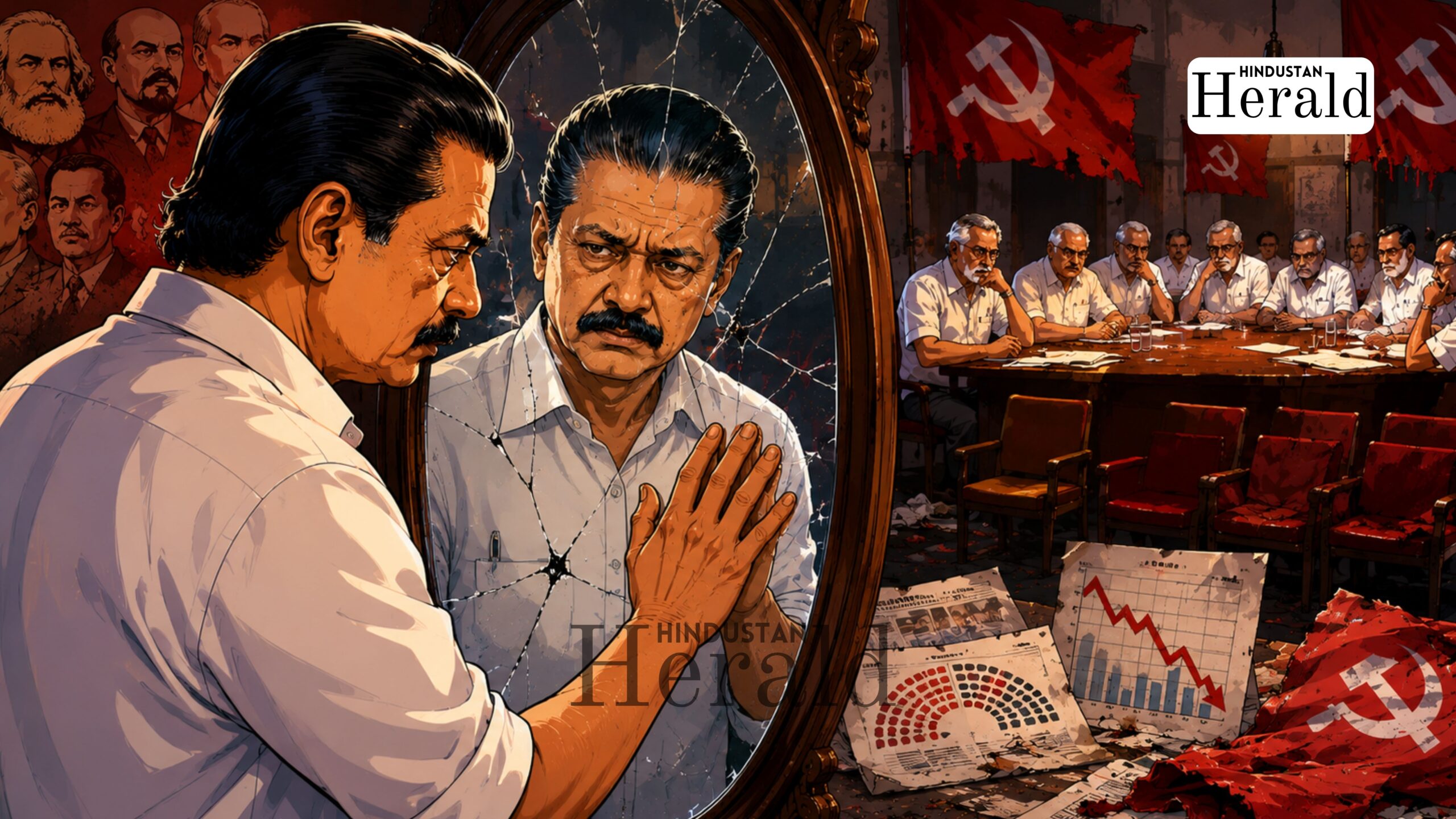
Thiruvananthapuram, May 20: There is a moment in every political reckoning where the personal bleeds into the professional. For M.V. Govindan, that moment came quietly, inside his own home, somewhere between the election results and the party review meetings. His son looked at him and asked, simply, whether he ever looked at himself in the mirror.
He was talking about the body language.
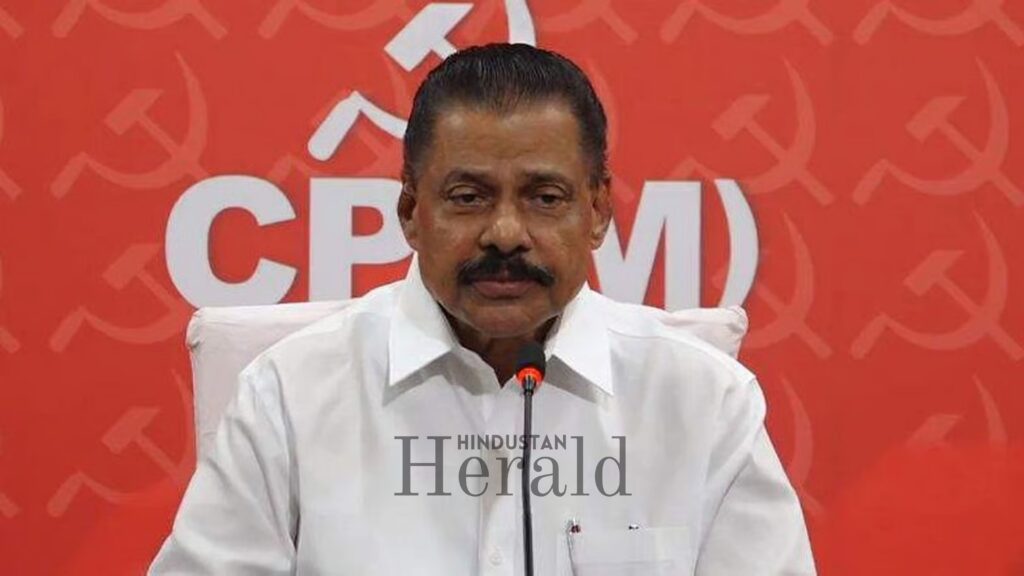
Govindan disclosed this himself, at a CPM district committee meeting in Thiruvananthapuram on Tuesday. He said the criticism of how he carried himself in public had reached his family. His son had noticed. And Govindan, the state secretary of the Communist Party of India (Marxist) in Kerala and a member of the party’s Politburo, stood before his party colleagues and admitted it. Whether that admission was meant as a gesture of humility or a pre-emptive acknowledgement before others said it louder is hard to say. Either way, it landed.
This was not a routine meeting. It was a post-election review. And in Kerala’s CPM, those reviews can be merciless.
What the Election Did to the Left
To understand the atmosphere in which Govindan made that disclosure, you have to first sit with the numbers from May 4.
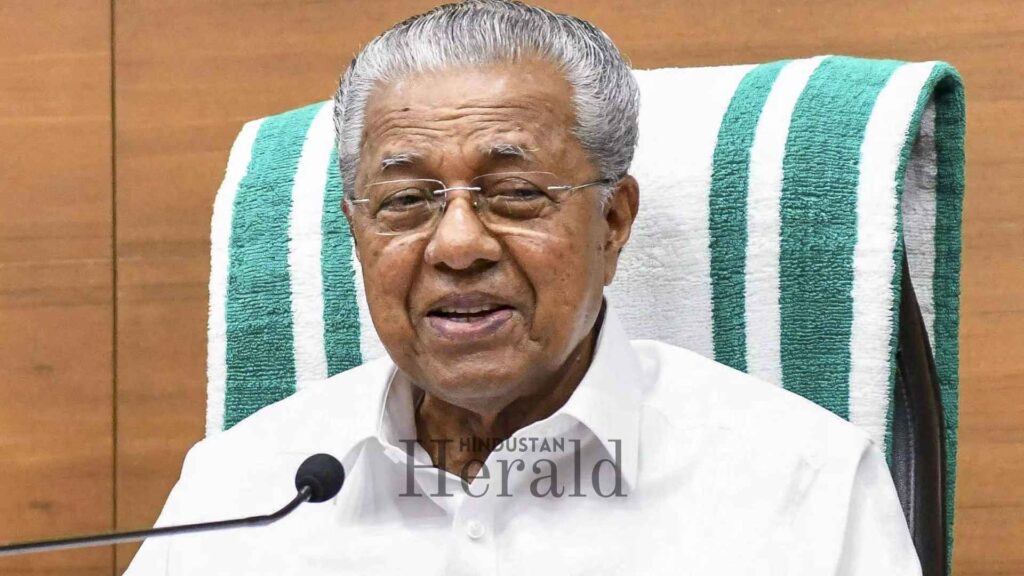
The Left Democratic Front won 35 seats. In a 140-seat assembly. The Congress-led United Democratic Front took 102. As per India TV News, 13 of the 21 sitting cabinet ministers were personally defeated at the ballot. Pinarayi Vijayan, who had become almost synonymous with Kerala’s government over the last decade, watched his front collapse seat by seat across a state it had held with 99 seats just five years ago.
That 2021 result was historic. The LDF had become the first alliance to win back-to-back terms in Kerala since 1977. There was genuine confidence within the party that a third term was possible, maybe even probable. Vijayan himself had indicated as much in the run-up to the campaign season. The party had a full decade of governance to present: housing schemes, social welfare pensions, investments in public health and education. It had a record.
None of it saved them.
For the CPM nationally, the damage cuts even deeper. Kerala was the last state where the Left held government. That anchor is now gone. For the first time in close to five decades, the Communist Party of India (Marxist) does not govern a single Indian state.
The review meetings were always going to be difficult. They turned out to be something else entirely.
District by District, the Same Name Kept Coming Up
The CPM runs its post-election reviews with a degree of internal candour that most parties avoid in public. Criticism and self-criticism are baked into party culture. But what has come out of these sessions across Kerala in the weeks since the defeat is not routine introspection. It is, by any measure, a systematic indictment of Govindan’s leadership.
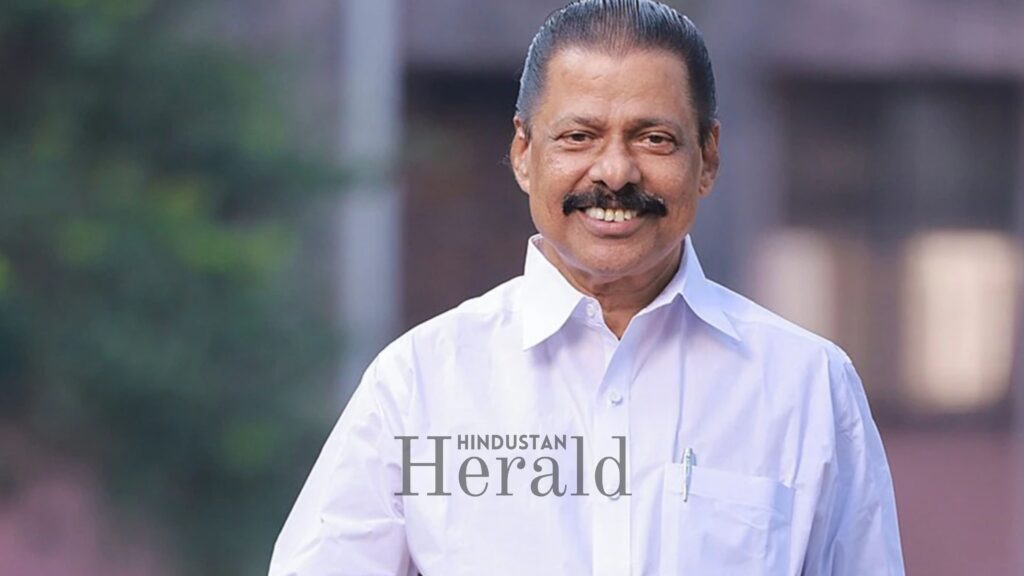
In Kasaragod, the district secretariat meeting reportedly described Govindan as the principal villain of the election, according to Onmanorama. The word used was pointed. Members raised the question of why he had fielded his wife, P.K. Shyamala, as the party candidate in Taliparamba. Shyamala serves as the chairperson of Anthoor Municipality and is a Kannur district committee member of the CPM. The decision, as per insiders, was made without adequate consultation with grassroots leadership, and that bypassing of local structures triggered deep resentment within the party base well before a single vote was cast.
The Payyannur fund misappropriation controversy also found its way into the Kasaragod discussions. Members argued that the issue had dented the party’s standing, particularly among younger voters and first-time voters, and that Govindan’s initial handling of it, seen as defensive and evasive, had made the perception problem worse rather than better. According to Onmanorama, questions were also raised about how the CPM lost nearly 20,000 votes in Manjeshwar, where party secretariat member K.R. Jayananda was fielded, with members suggesting the candidate had effectively been “made a martyr” by decisions taken above his level.
In Alappuzha, the CPM district secretariat meeting brought up his public phrasing specifically. The use of certain colloquial aggressive expressions, described in Manorama Online’s reporting as the “Dash Mon” formulation, was called inappropriate for someone holding the position of state secretary. Members said his body language during public appearances did not suit the office he holds. The criticism was about tone, yes, but it was also about judgement. The party was arguing, quietly but unmistakably, that Govindan’s public persona had pushed away neutral voters at a time when the LDF needed to expand beyond its base.
Then came Thiruvananthapuram.
The Mirror Moment
What Govindan said at the Thiruvananthapuram district committee session, as reported by Madhyamam, was striking not because it was the sharpest criticism levelled in these reviews. It was striking because it was his own.
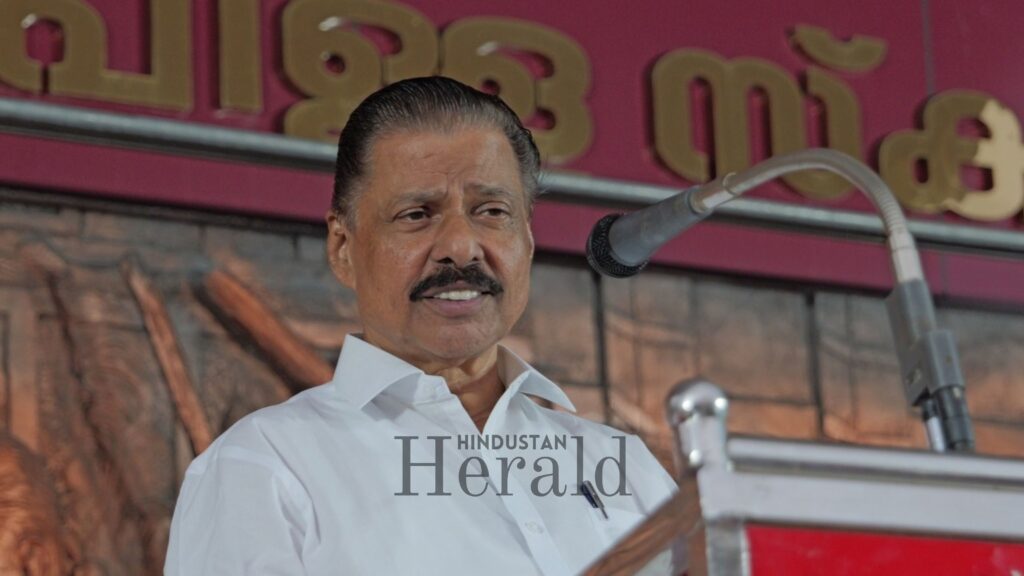
He told the gathering that even from within his home, criticism had come. That his body language as party secretary had been questioned. That his son had asked him whether he ever looked in the mirror.
It is one thing for rival factions or district-level leaders to bring up a leader’s public posture. It is another thing entirely for that leader to disclose that his family had already raised the same concern. There is a rawness to that kind of admission that no party review is really designed for, and yet there it was, on the table, in a district committee meeting in the state capital.
Whether Govindan intended it as an act of political self-awareness or simply felt the need to get ahead of a gathering storm of internal criticism is not entirely clear. What is clear is that the admission now forms part of the party’s public record of this post-election reckoning.
Vijayan Is Not Being Spared Either
It would be a mistake to read this entire crisis as being only about Govindan.
Pinarayi Vijayan, who has governed Kerala since 2016 with a style that his admirers call decisive and his critics call authoritarian, is facing his own version of these questions in the review circuit. Multiple district committees have reportedly asked why the government’s genuine achievements in welfare delivery, housing, pensions, health infrastructure, did not produce political results. The answer that keeps emerging is one of communication failure. The government had substance. It did not have the language, or the willingness, to present that substance in a way that reached voters who were open to persuasion.
Vijayan’s press conferences, much like Govindan’s, became known for a combative, guarded quality that read poorly to undecided voters. In that sense, the criticism of Govindan’s body language is also, implicitly, a criticism of the political culture that the party leadership cultivated over the decade it was in power.
That said, some districts have drawn a clear line. Kasaragod, notably, chose to spare Vijayan in its review and directed its criticism almost entirely at Govindan. That divergence itself tells a story about where different factions within the party are placing the blame and who, in their reading, should bear the larger political cost.
What Happens Next
The review sessions are ongoing. More districts are expected to hold their post-election stocktaking in the days ahead, and if the pattern holds, Govindan will continue to be at the centre of the criticism. Whether he survives as state secretary through the CPM’s internal restructuring process is an open question that the party has not addressed publicly yet.
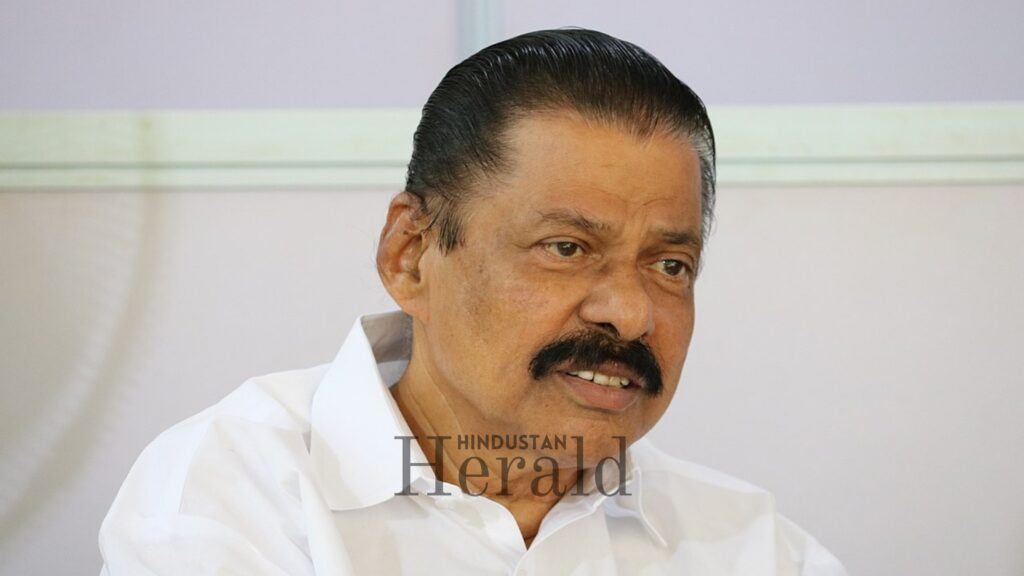
The CPM’s Politburo issued a statement after the results saying the party would introspect on the defeat and take corrective measures. What those measures look like in practice, and who pays the price for them at the organisational level, is what the coming weeks will reveal.
For now, the party is doing what it does in defeat: talking, accounting, assigning responsibility. The meetings are closed. The leaks keep coming. And somewhere in all of it, the image that keeps circling back is a simple one. A son. A question. A mirror.
It is, all things considered, a fairly honest place to start.
Stay ahead with Hindustan Herald — bringing you trusted news, sharp analysis, and stories that matter across Politics, Business, Technology, Sports, Entertainment, Lifestyle, and more.
Connect with us on Facebook, Instagram, X (Twitter), LinkedIn, YouTube, and join our Telegram community @hindustanherald for real-time updates.

Covers Indian politics, governance, and policy developments with over a decade of experience in political reporting.
- Ananya Sharma

- Ananya Sharma
- Ananya Sharma
- Ananya Sharma




 Arun Upadhayay
  Sandeep Verma