
 By Ananya Sharma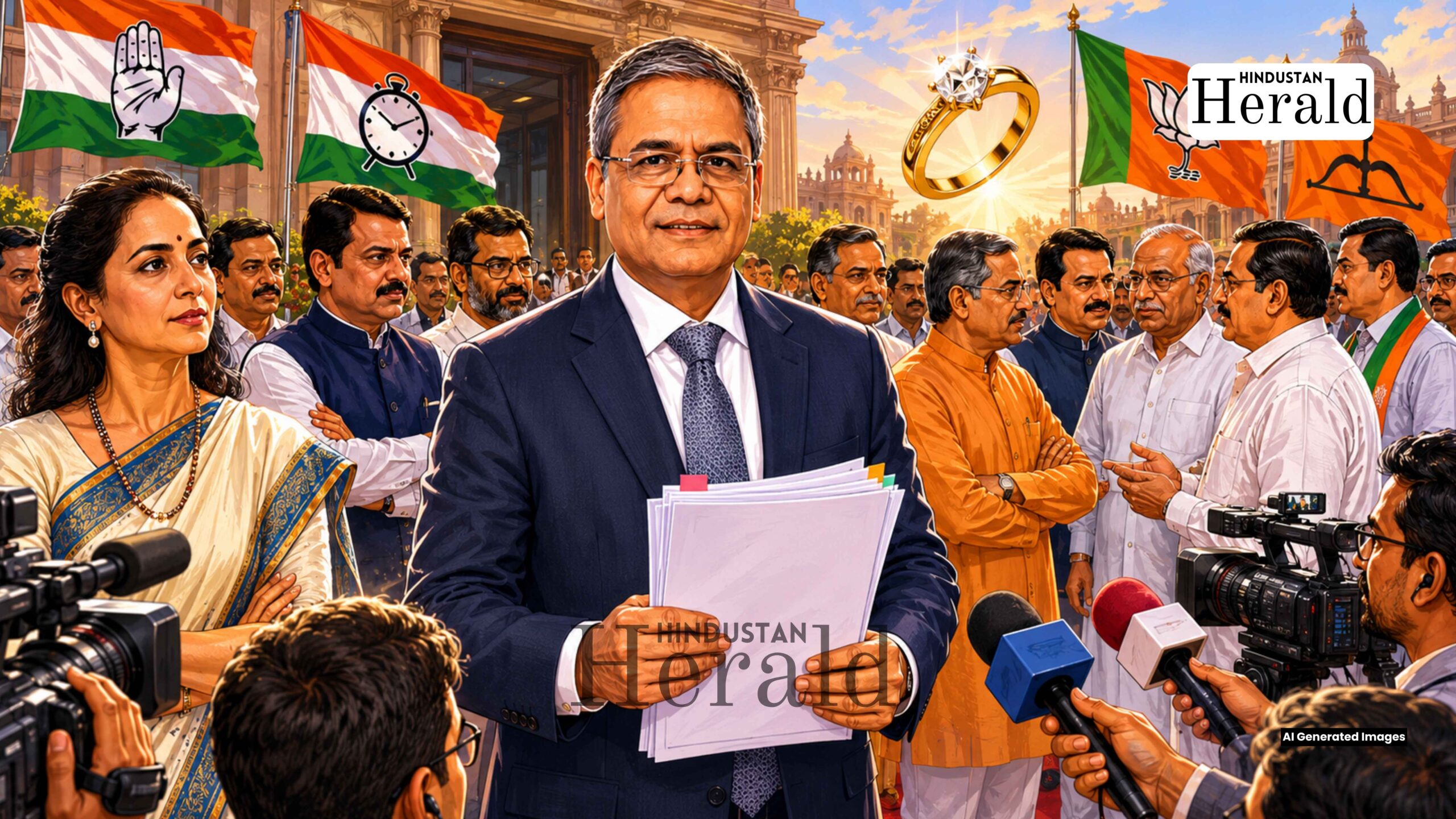
Mumbai, June 2: Maharashtra politics does not do quiet endings. So it was only fitting that the last day of nomination filing for the Legislative Council elections played out like a political thriller with multiple subplots running simultaneously family ties crossing party lines, a sitting party president filing against his own party’s official candidate, and an opposition that smelled blood and refused to stay silent.
When the day was done, 40 candidates had filed their papers for 17 seats going to polls on June 18. Results follow on June 22. Between now and then, the state’s political class has given itself plenty to argue about.
A Wedding, Two Parties, and One Nomination
The moment people stopped talking about everything else on Monday was when Arun Lakhani’s name was announced as BJP’s pick for Wardha-Chandrapur-Gadchiroli.
Lakhani is an industrialist. His son is engaged to Revati Sule, daughter of NCP (SP) MP Supriya Sule. Supriya Sule is the daughter of Sharad Pawar and one of the more visible faces of the opposition. Her party is contesting against BJP in this very election.
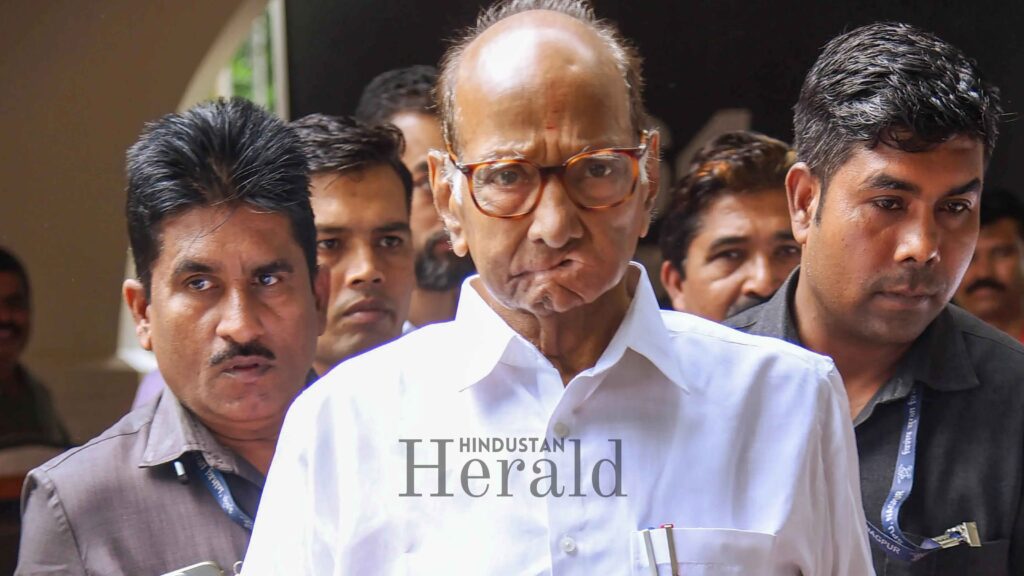
So the man whose son is marrying into the Sule family just became a BJP candidate. Against a Congress candidate. In a constituency where the Sule name carries genuine political weight.
Arun Lakhani did not dodge it. He came out after filing his nomination and said it plainly enough, “Politics and family relations are two completely different things.” Both families, he said, remain committed to their own parties, and the campaign trail should not spill over into what is a private family matter.
Fair enough, on paper. In practice, this is Maharashtra, and political families here have never really managed to keep those two worlds completely separate. That does not mean he is wrong. It just means the next few weeks will be watched more closely than the Wardha seat usually ever is.
Counting the Seats, Counting the Allies
Inside the Mahayuti alliance, BJP is shouldering the biggest share of the fight. The party is contesting 11 seats, while Chief Minister Eknath Shinde’s Shiv Sena takes on four and Deputy Chief Minister Sunetra Pawar’s NCP covers two. Twelve seats between two partners, eleven for the senior partner alone that tells you something about where the balance of power currently sits within the ruling coalition.
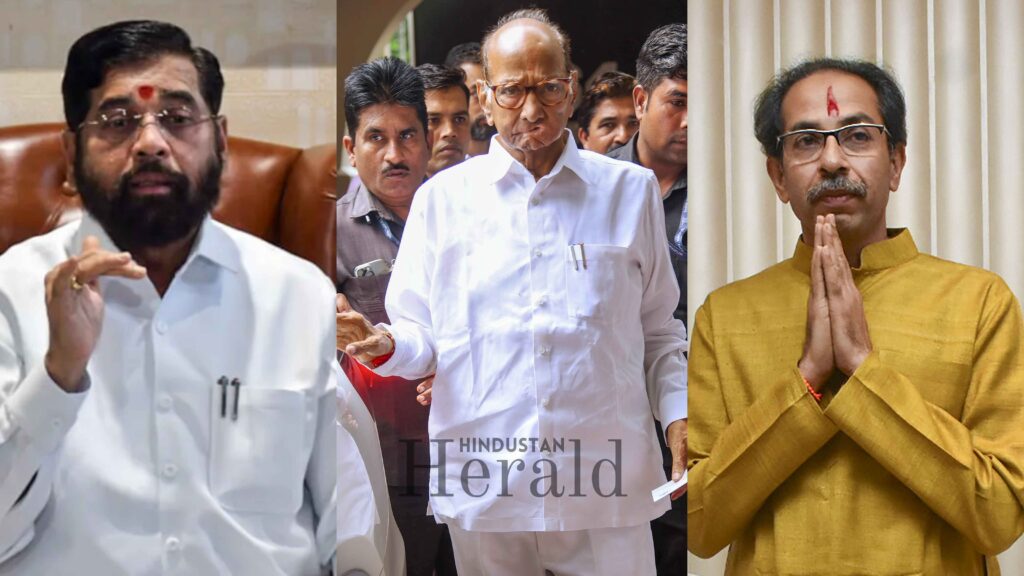
Across the aisle, Congress is leading the Mahavikas Aghadi charge with eight seats. Uddhav Thackeray’s Shiv Sena (UBT) is contesting six and Sharad Pawar’s NCP (SP) is in the fray on three.
Worth keeping in mind this is not a mass voter election. The electorate here is made up of members of local self-government bodies: ward councillors, district council members, and others in that category. Nomination scrutiny happened on June 2, the withdrawal deadline is June 4, polling is June 18, and results come in on June 22.
Pune Did Not Stay Calm Either
Barely had the Lakhani news settled when Pune decided to add its own complications.
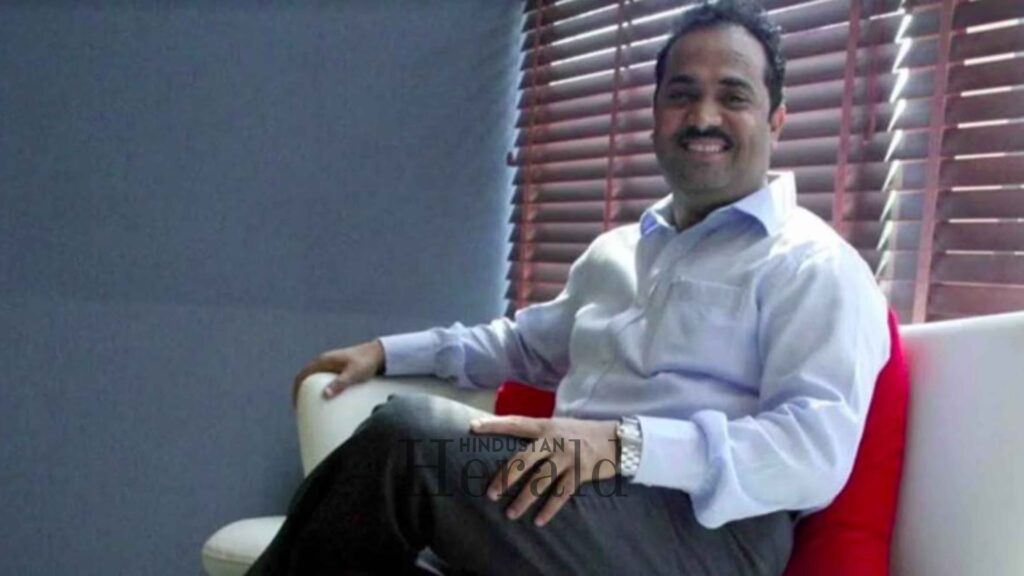
Sanjay Kakade, a former Rajya Sabha member, joined Sunetra Pawar’s NCP on Monday morning with his son Vikram. The party moved fast and declared Vikram Kakade the official candidate for Pune almost immediately. Straightforward enough. Except that Sunil Tingre, the NCP’s own Pune unit president, also walked in and filed his nomination for the same seat the same day.
Party spokesperson Umesh Patil did his best to smooth things over. Tingre is only a “pro” candidate, he explained. A technical backup. In case Vikram Kakade’s papers are rejected for any procedural reason, the party needs someone already in the race. Standard contingency planning, he suggested.
Tingre pushed back on that framing almost immediately. He told reporters his filing was not a dummy, not a formality, and not just paperwork. He meant what he filed.
Two candidates, one seat, one party, and a spokesperson insisting it is all under control. The picture after June 4, once withdrawals are finalised, will tell a very different story or confirm that it really was just a backup plan. Either way, the tension is real and visible.
The Nepotism Argument
MVA leaders have been making a pointed argument about how Mahayuti is handing out these tickets, and they are not being subtle about it.
Their central exhibit is Aniket Tatkare, fielded by the ruling NCP from Raigarh-Ratnagiri-Sindhudurg. His father is Sunil Tatkare, a senior party figure and sitting MP. Opposition leaders say this is exactly what it looks like a powerful man securing political ground for his son while calling it a merit-based selection.
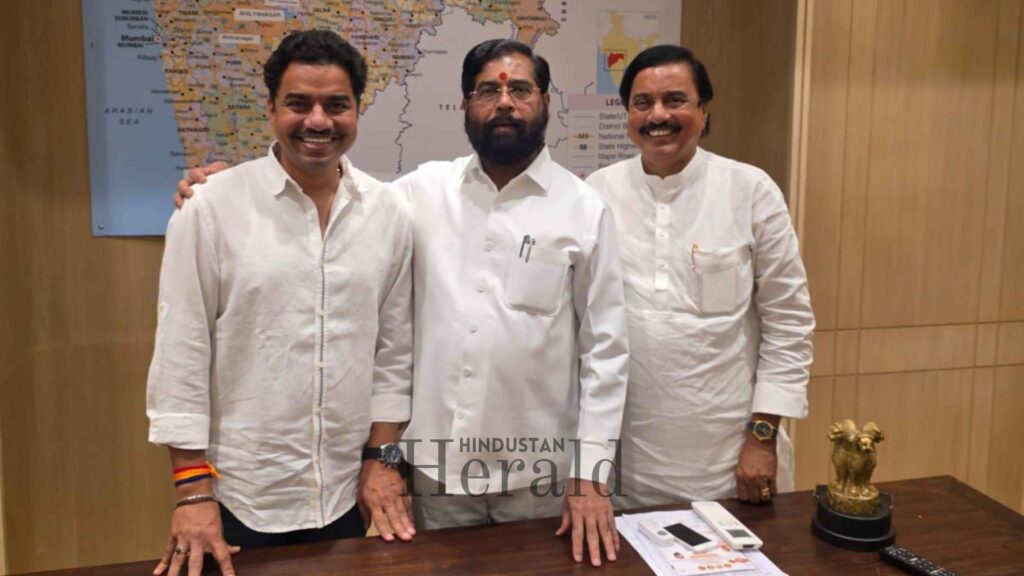
The ruling alliance has not come up with a particularly convincing counter to that charge. Partly because the pattern, once pointed out, is hard to argue away. Arun Lakhani’s nomination may not fall into the same category he is not a politician’s relative getting a seat but the broader question of who gets tickets and why is one that Mahayuti is going to keep being asked.
Shinde’s Sena, Its Candidates, and a Safety Net in Yavatmal
Eknath Shinde’s Shiv Sena has named Ravindra Pathak for Thane, Narendra Darade for Nashik, Saeed Khan for Parbhani-Hingoli, and Dushyant Chaturvedi as the reconfirmed official candidate for Yavatmal.
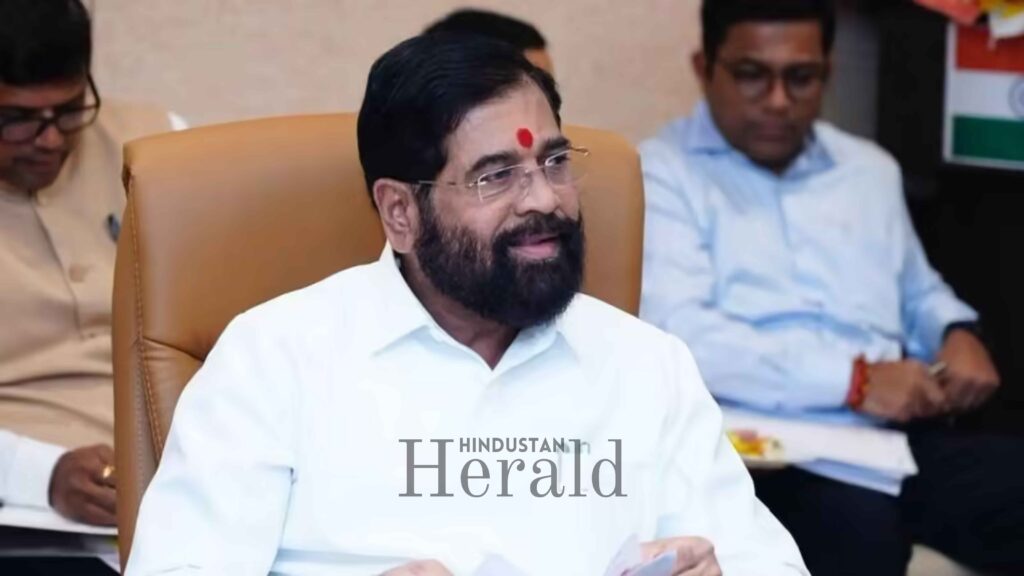
That last one came with a footnote. Sheetal Rathore, wife of state minister and Shiv Sena leader Sanjay Rathore, also filed from Yavatmal on the same day. Party sources describe this as a purely precautionary measure. If Chaturvedi’s nomination is rejected on any technical or legal ground, the party does not want to find itself without a candidate on the seat. Rathore’s filing keeps that option open.
The party is saying this openly, which at least means they are not pretending the situation is something it is not. Whether Chaturvedi’s papers clear scrutiny will determine whether Rathore’s filing quietly disappears from the conversation.
BJP’s Candidates Across Maharashtra
Across its 11 constituencies, BJP has fielded Avinash Brahmankar in Bhandara-Gondia, Praveen Pote Patil in Amravati, Patience Kadam in Sangli-Satara, Rajendra Raut in Solapur, Suhas Shirsat in Chhatrapati Sambhajinagar-Jalna, Amar Rajurkar in Nanded, Basavaraj Patil in Dharashiv-Latur-Beed, and Nandkishore Mahajan in Jalgaon.
Nagpur is a by-election seat, vacated after senior BJP leader Chandrashekhar Bawankule won an Assembly seat. Rajeev Potdar has filed two separate nomination sets for this constituency and will face Congress’s Atul Londhe in what shapes up as the clearest head-to-head of the lot. Rajesh Jungle, Surendra Lohi as independents, and Dinesh Dhole from Congress have also entered.
Congress Fills Its Benches
Congress has nominated Shailesh Aggarwal for Wardha-Chandrapur-Gadchiroli placing him on the same ballot as Arun Lakhani, which makes that particular seat worth watching for reasons beyond pure vote arithmetic.
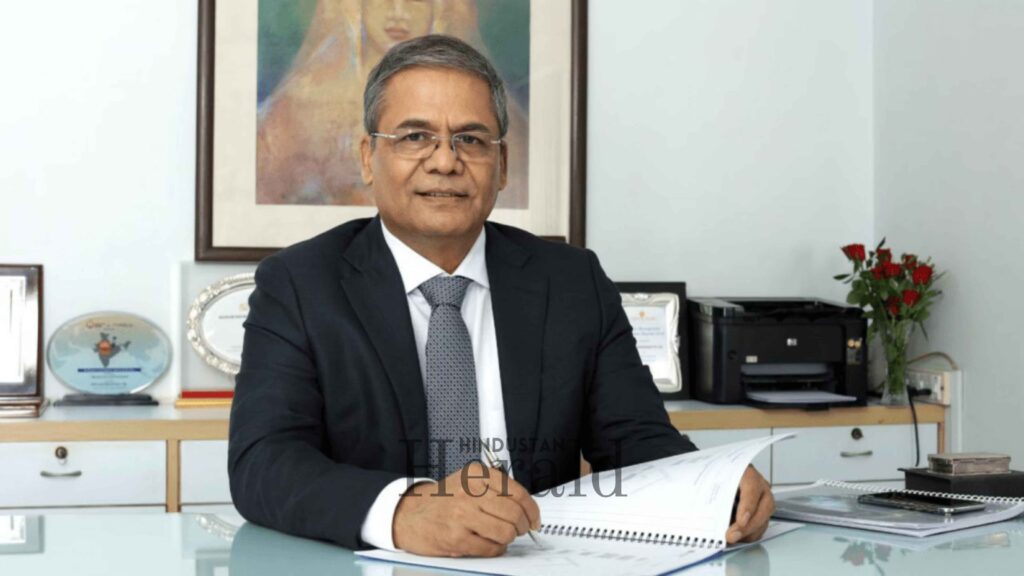
Sahebrao Kamble goes to Yavatmal, Harshdeep Deshmukh to Amravati, Mahesh Deshmukh to Latur-Beed-Dharashiv, Aditya Fatehpurkar to Solapur, Dilip Bansod to Bhandara-Gondia, and Ramdas Patil Sukhtankar to Nanded. Madhavrao Javalgaonkar is fighting as an independent.
NCP (SP) has sent Abhijeet Patil to Thane and Vasantrao Deshmukh to Solapur. In Pune, both Shrikant Patil and Tushar Kamte have filed, and Abhaysingh Jagtap with Pratap Patil are in the running for Satara-Sangli. The party says the final picture becomes clear only after the withdrawal window closes.
Thackeray’s Sena Skips Nashik
Uddhav Thackeray’s Shiv Sena (UBT) has put up Devyani Patil Dongaonkar in Chhatrapati Sambhajinagar-Jalna, Vivek Navander in Parbhani-Hingoli, and Bal Mane in Ratnagiri-Raigarh-Sindhudurg. For Nashik, the party has chosen not to field anyone at all.
No official explanation has come from the party. In politics, silence on a decision like that usually means the real reason is messier than anything a spokesperson would want to put on record.
The Chief Electoral Officer’s office is now compiling the complete list of all filed nominations across all 17 seats.
The Longer Game
These 17 seats are not the main event they are a preview of it. Local body elections have a way of testing alliance chemistry under real pressure, which is something rally platforms and joint press conferences never quite manage.
Both Mahayuti and MVA are partnerships of convenience at varying levels of comfort with each other. The seat-sharing negotiations for this election were not without friction. The next three weeks, as campaigns actually begin and local interests start colliding with central party decisions, will give a clearer read on how solid or brittle each coalition actually is.
June 4 will narrow the field. June 18 will decide it. And somewhere in all of this political noise, a wedding is still quietly being planned.
Stay ahead with Hindustan Herald — bringing you trusted news, sharp analysis, and stories that matter across Politics, Business, Technology, Sports, Entertainment, Lifestyle, and more.
Connect with us on Facebook, Instagram, X (Twitter), LinkedIn, YouTube, and join our Telegram community @hindustanherald for real-time updates.

Covers Indian politics, governance, and policy developments with over a decade of experience in political reporting.
- Ananya Sharma

- Ananya Sharma
- Ananya Sharma
- Ananya Sharma



 Sandeep Verma
  Herald Desk