
 By Ananya Sharma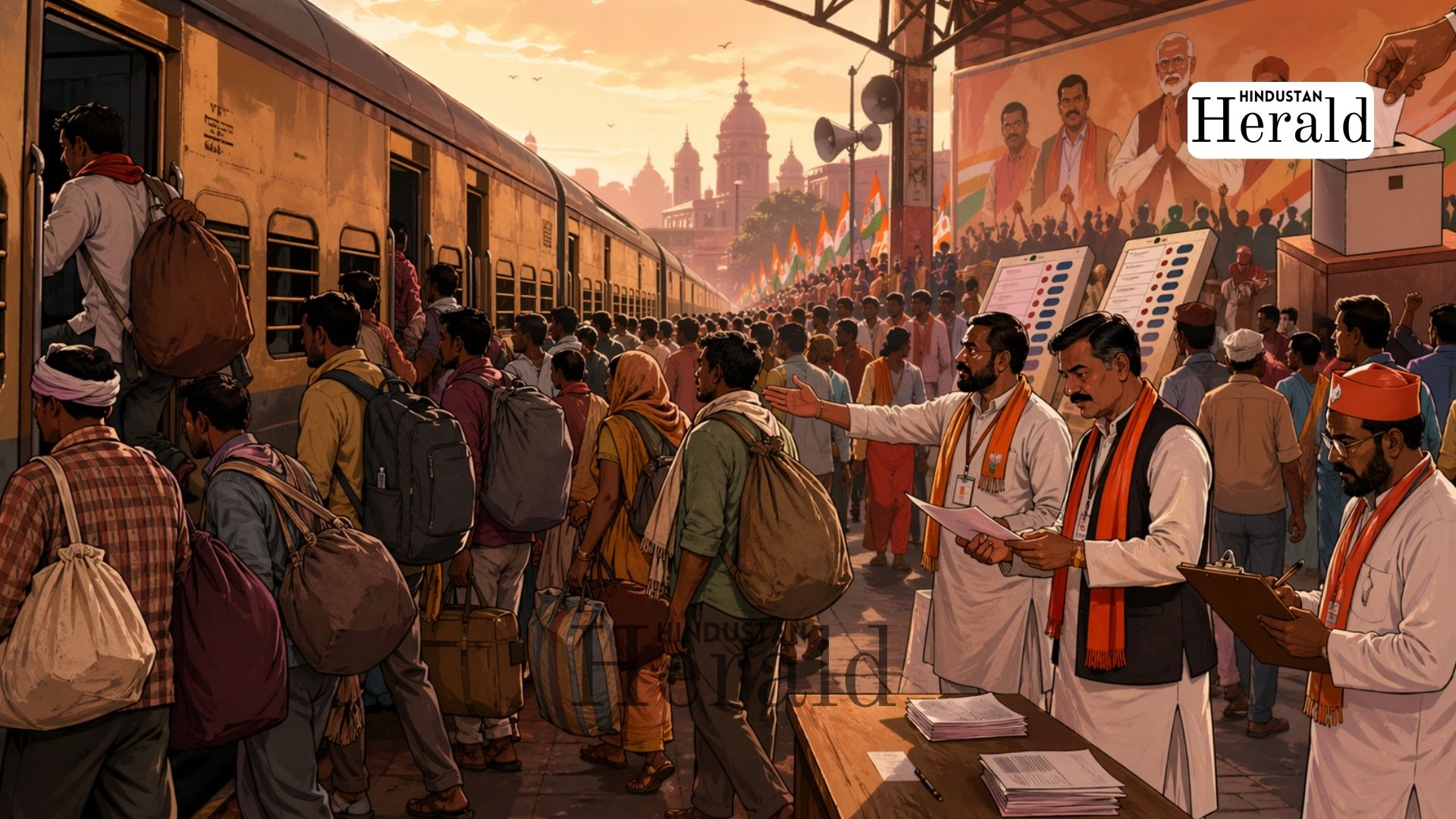
New Delhi, April 21: With just two days to go before West Bengal’s first phase of polling, the Bharatiya Janata Party organised four special trains from Surat, Gujarat, carrying approximately 5,000 Bengali migrant workers back to their home constituencies to vote in the 2026 West Bengal Assembly Elections. The operation, coordinated with the local Bengali Samaj community organisation, involved party workers verifying voter IDs on the platform before boarding to confirm constituency eligibility. It is already drawing sharp political and legal scrutiny.
This is national news India cannot afford to look away from. The train operation sits at the intersection of labour migration, electoral mobilisation, and a voter roll controversy that has consumed the state for months.
The Surat Operation: Organised, Targeted, Deliberate
The mechanics of the BJP’s move leave little room for ambiguity. Party cadres stationed at Surat’s Udhna station scrutinised voter IDs to confirm eligibility before accompanying the passengers on their journey home. Workers were selectively approached, predominantly those hailing from TMC-dominated constituencies, screened for party loyalty, and then escorted onto reserved coaches.
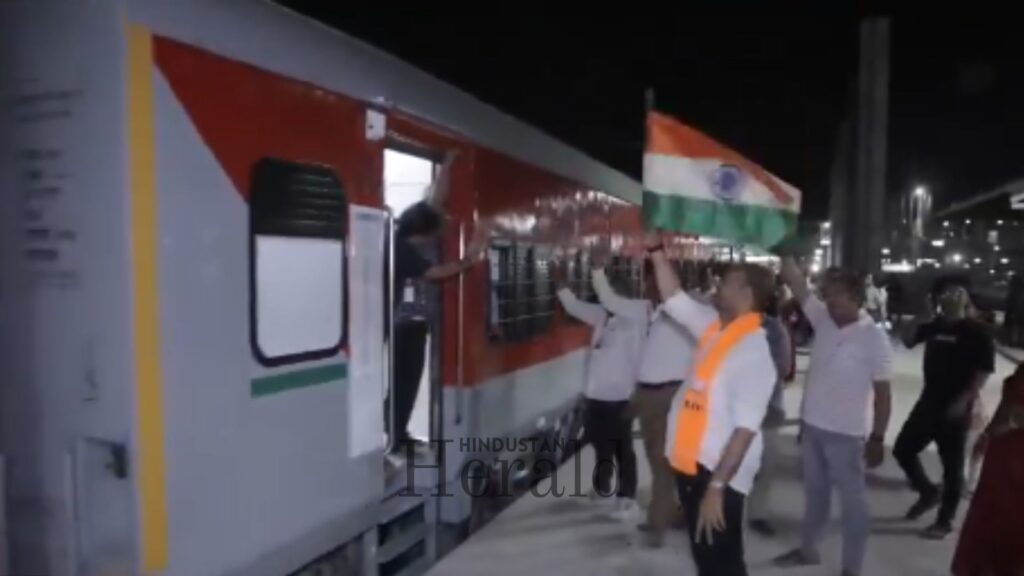
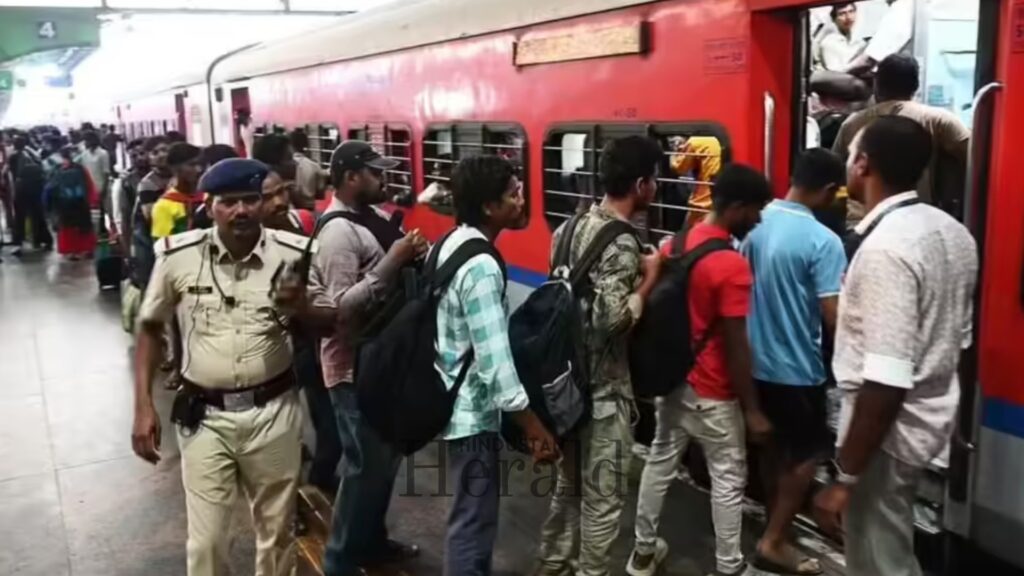
One train from Surat carried around 1,300 West Bengal migrants, with reports of political mobilisation accompanying the movement, while thousands of other workers faced chaos at Udhna station amid a heavy travel rush.
The contrast on the platform said everything. BJP-screened passengers boarded organised coaches. Everyone else navigated the general rush alone. That selective treatment is now the core of the opposition’s complaint.
Why Surat Matters to Bengal Politics
Surat is not a footnote in this story. It is, for all practical purposes, a second home for hundreds of thousands of Bengali workers employed in the city’s diamond polishing and textile industries. Workers from Murshidabad, Nadia, Birbhum, and North 24 Parganas have been migrating to Gujarat for two decades, forming dense, politically active communities while retaining voter registrations in their home districts.
That retention makes them a prized target for both parties. The BJP, operating from a position of strength in Gujarat with access to state-level networks, is uniquely placed to convert that diaspora into organised votes across state lines. The TMC has no comparable infrastructure in the West.
The migrants are said to be BJP supporters, part of the party’s stated plan to send 5,000 workers back to vote for change in Bengal. That phrase, “vote for change,” has defined the BJP’s 2026 Bengal campaign pitch against Chief Minister Mamata Banerjee’s fifteen-year incumbency.
The SIR: The Controversy Behind the Controversy
The train operation cannot be read in isolation. It arrives in the middle of a months-long dispute over the Special Intensive Revision (SIR) of West Bengal’s electoral rolls, which has become the defining legal and political flashpoint of this election cycle.
The SIR removed around 9 million voters from the rolls in West Bengal, representing approximately 12 percent of the electorate. Over six million were categorised as absentee or deceased, while the status of 2.7 million remained pending before tribunals.
Analysts noted that the highest number of deletions came from seven border districts adjoining Bangladesh, and that the proportion of Muslims and women among those excluded is significantly larger than their share of the general population.
BJP has defended the exercise as a long-overdue purge of bogus entries and non-citizen names. The party has pointed to what it describes as a sustained problem of illegal migrants from Bangladesh acquiring voter cards and voting for the TMC in border districts. TMC has rejected this framing as communally charged and politically motivated, arguing the SIR amounts to organised disenfranchisement of its core voter base.
The Supreme Court’s Chief Justice Surya Kant, at a recent hearing, expressed dismay at the controversy surrounding the SIR, noting the same exercise had been conducted in other states without comparable political fallout. Courts remain seized of multiple petitions on the matter, with no final resolution before polling begins.
The Documentation Trap That Caught Legitimate Voters
Among the more troubling revelations from the SIR process is how many genuine voters were caught out by something as technical as inconsistent name spelling.
A significant number of those found ineligible fell into what critics have described as a logical discrepancy trap, where names were spelt differently across documents. There is no standardised method of transcribing Bengali or Arabic-Persian names into Roman script, and the same name can appear in multiple valid spellings.
Reported cases include voters excluded because Maqbul Sheikh appeared as Shekh Mokbul on another document, or because women who changed surnames after marriage had early and late documents that no longer matched.
For communities with lower literacy rates and heavy dependence on intermediaries for paperwork, this is not an exception. It is the norm. The Election Commission has not publicly addressed how many such cases were reviewed or restored before the rolls were finalised.
Legal and Ethical Questions Around the Trains
Transporting voters to their home constituencies is not illegal. Every citizen has the right to travel and cast their vote. But the BJP operation introduces legal grey zones that election law experts say warrant examination.
The targeted screening of passengers based on voter ID and apparent party affiliation, the use of party cadres as on-ground escorts, and the organised deployment of trains specifically toward TMC strongholds raise questions of undue influence and the use of party resources to manage voter movement at scale.
The event highlights a significant intersection of migrant labour dynamics and aggressive campaigning, with administrative and ethical questions lingering over the disparity of treatment faced by different migrant communities at Surat station during this critical window.
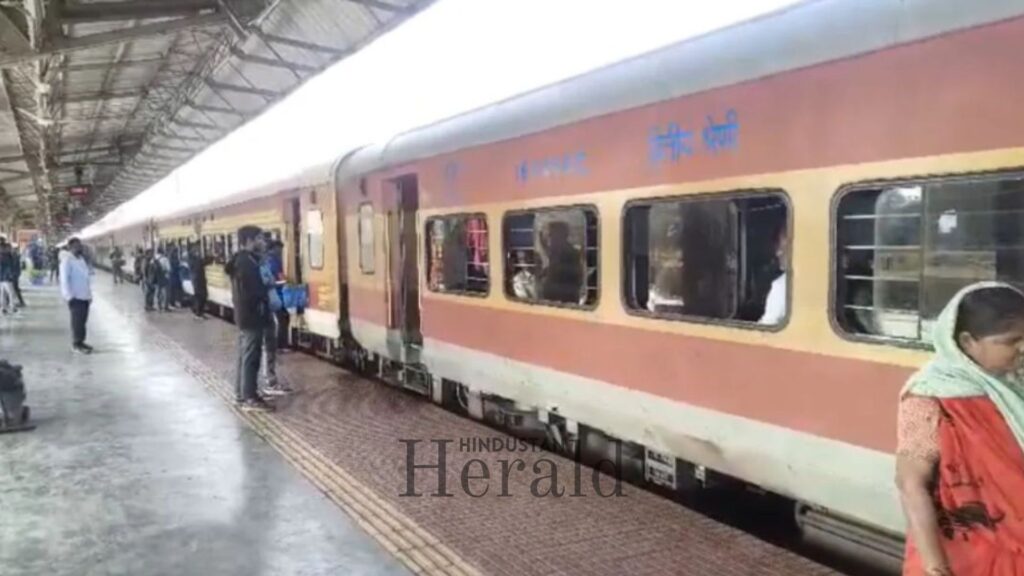
Whether the Election Commission of India will examine the operation is an open question. The ECI is already under pressure from civil society groups over its handling of the SIR. A passive response to the Surat trains risks compounding those concerns. A more active response risks being read as interference in lawful voter mobilisation.
What Is Actually at Stake on May 4
West Bengal polls on April 23 and April 29, with results declared on May 4. The campaign has been shaped by disputes over electoral rolls, border security, identity politics, governance, and anti-incumbency after 15 years of AITC rule.
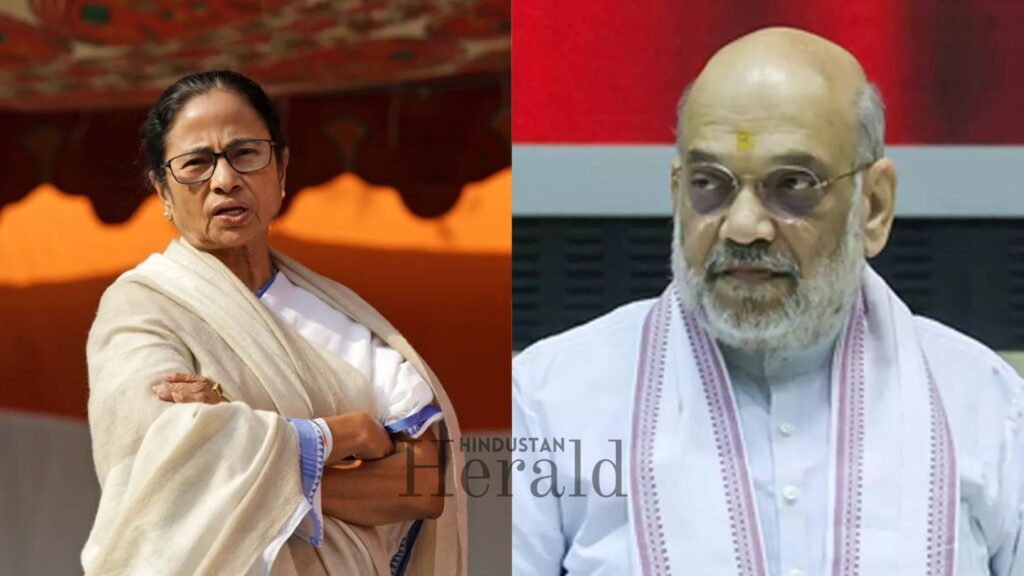
The AITC has campaigned on welfare delivery and infrastructure, while the BJP has centred its pitch on jobs, industrial revival, and its criticism of the state government’s record.
The Citizenship Amendment Act remains a live issue, with the BJP promising to accelerate citizenship processing under the CAA if it comes to power in Bengal.
The Surat train operation is, at one level, a logistical feat and at another, a measure of how seriously the BJP is treating Bengal 2026. For a party that has never governed the state, the combination of an organised diaspora outreach, a restructured voter list, and a sustained anti-incumbency campaign represents its most credible electoral push in years.
Still, credibility at the campaign stage and votes in the booth are different things. The Bengali workers on those trains from Surat will have their own reasons for going home. Some were mobilised. Some believe the pitch. Some just needed a way back.
The count begins May 4.
Stay ahead with Hindustan Herald — bringing you trusted news, sharp analysis, and stories that matter across Politics, Business, Technology, Sports, Entertainment, Lifestyle, and more.
Connect with us on Facebook, Instagram, X (Twitter), LinkedIn, YouTube, and join our Telegram community @hindustanherald for real-time updates.

Covers Indian politics, governance, and policy developments with over a decade of experience in political reporting.
- Ananya Sharma

- Ananya Sharma
- Ananya Sharma
- Ananya Sharma