 By Shelesh Joshi and Rajiv Menon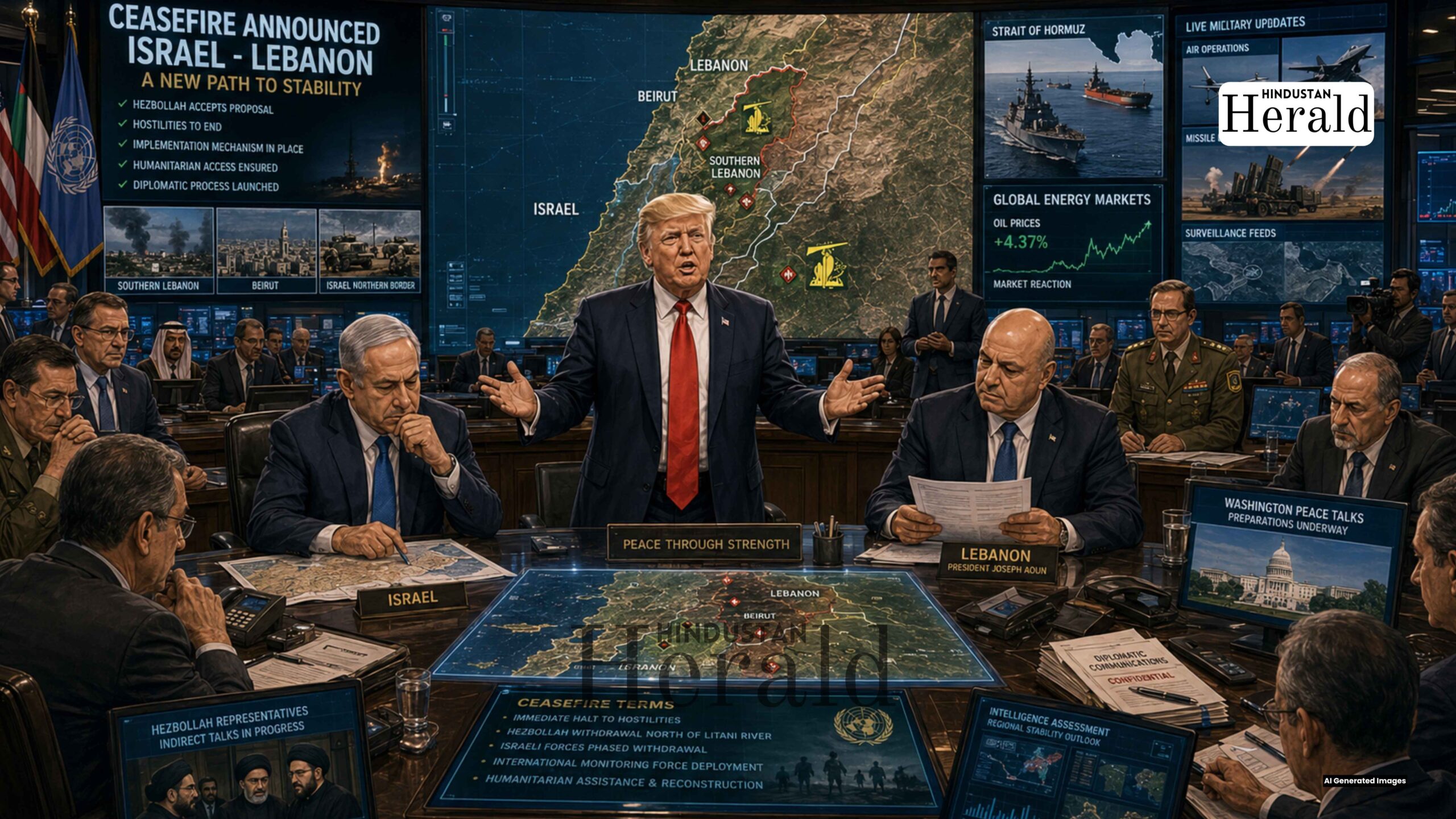
New Delhi, June 2: Monday began like most days in this conflict have with fresh strikes, contradictory statements, and the exhausting sense that whoever was speaking publicly was saying something quite different from what was actually being decided in private. By evening, something had shifted.
Lebanon’s embassy in Washington put out a statement confirming that the Hezbollah ceasefire proposal backed by the United States had been accepted a mutual halt to attacks with Israel. The Lebanese presidency put it on its official social media. US President Donald Trump got on the phone with ABC News and told them he had personally stopped Israel from raiding Beirut. And Israeli Prime Minister Benjamin Netanyahu, in the same breath as confirming a deal, made clear he was not actually bound by it. So yes there is a ceasefire. And no it is not clear there is a ceasefire. Welcome to Lebanon in June 2026.
Quick Summary
- Hezbollah formally accepted a US brokered ceasefire proposal on Monday, June 2, 2026 confirmed through the Lebanese Embassy in Washington and the Lebanese presidency, marking the first time the group has agreed to a mutual halt via US led diplomacy in this conflict.
- The deal as proposed: Israel stops striking Beirut’s southern suburbs. Hezbollah stops firing into Israel. The arrangement then expands, eventually, to cover all Lebanese territory at least on paper.
- Trump said he spoke with both Netanyahu and Hezbollah representatives and claimed “all shooting will stop.” He also said he deterred Israel from a planned major offensive on Beirut.
- Netanyahu confirmed the deal but immediately qualified it strikes on Beirut would resume “if Hezbollah does not stop attacking our cities and civilians.” His Defence Minister Israel Katz went further and denied any ceasefire existed at all.
- Back home, India is watching this closely for one very specific reason: the Strait of Hormuz remains blocked, India has lost over 40 percent of its crude oil flows, and oil companies are reportedly absorbing losses of up to Rs 1,000 crore per day.
- Iran suspended its peace talks with the US on Monday, saying Israel’s Lebanon operations violated ceasefire terms a move that directly threatens any hope of the Strait reopening soon.
What Lebanon Actually Said About the Hezbollah Ceasefire
The statement from the Lebanese Embassy in Washington was careful, as these things always are. Authorities in Beirut, the embassy said, had “received confirmation of Hezbollah’s agreement to the US proposal calling for a mutual cessation of attacks.” In plain terms, Hezbollah accepts the US ceasefire proposal with Israel but the language used to deliver that news was deliberately layered, and the layers matter.
Not that Hezbollah had agreed directly. Not that it had signed anything. That Beirut had received confirmation of the group’s agreement. The phrasing matters because Hezbollah is not a party to these talks in any formal sense it operates through political allies, chiefly Parliament Speaker Nabih Berri, who has been doing the actual back channel work with Washington for weeks.
The framework behind the Hezbollah ceasefire proposal, as described: Israel would stop hitting Beirut’s southern suburbs the dense residential zones that have been Hezbollah’s administrative heartland for decades. In return, Hezbollah would stop firing into Israel. From there, the ceasefire was meant to gradually spread across all of Lebanese territory.
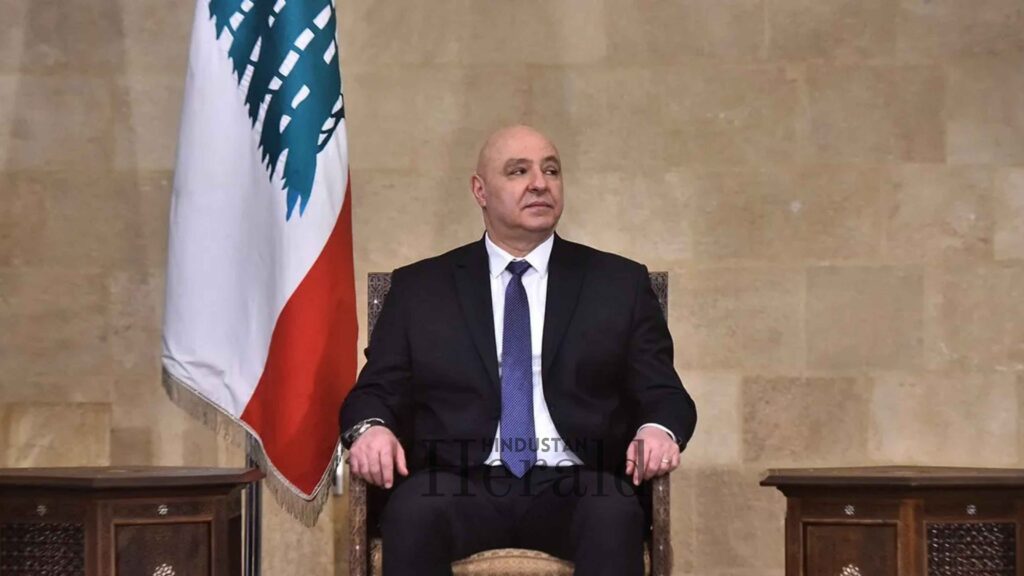
Lebanese President Joseph Aoun had been in direct contact with US Secretary of State Marco Rubio. Trump spoke separately with Lebanon’s ambassador in Washington, Nada Mouawad, who passed the details to Aoun, who then reached Hezbollah through whatever channels actually connect the two.
Hezbollah legislator Hassan Fadlallah went on Al-Manar the group’s own broadcaster and gave what amounted to a guarded yes. The group would support a full ceasefire across all Lebanon, he said, as a step toward the withdrawal of Israeli troops. Then he added that they would watch whether a genuine halt materialised before committing further. That word “watch” is doing a lot of work. In this conflict, it is essentially the difference between a deal and not a deal.
Trump Stepped In, But Netanyahu Walked Both Sides of the Line
Before the Lebanese statement came out, Trump had already claimed the victory. He got on social media and announced that Israel and Hezbollah would stop attacking each other. He said he had spoken with Netanyahu and with Hezbollah representatives. He told ABC News that he had deterred Israel from what he called “a major raid of Beirut.”
CNN reported that the call with Netanyahu was heated at points. Trump apparently used fairly direct language including expletives, two sources said to push Netanyahu back from a planned large scale operation on Beirut’s southern suburbs.
And then Netanyahu came out and said something that was technically consistent with what Trump had announced and practically very different from it.
Yes, an agreement had been reached. But if Hezbollah kept hitting Israeli cities and civilians, strikes on Beirut would continue. The Israeli military, he confirmed separately, would continue its operations in southern Lebanon “as planned.” Defence Minister Israel Katz did not bother with the nuance. There was no ceasefire, he said. Not in Lebanon. Full stop.
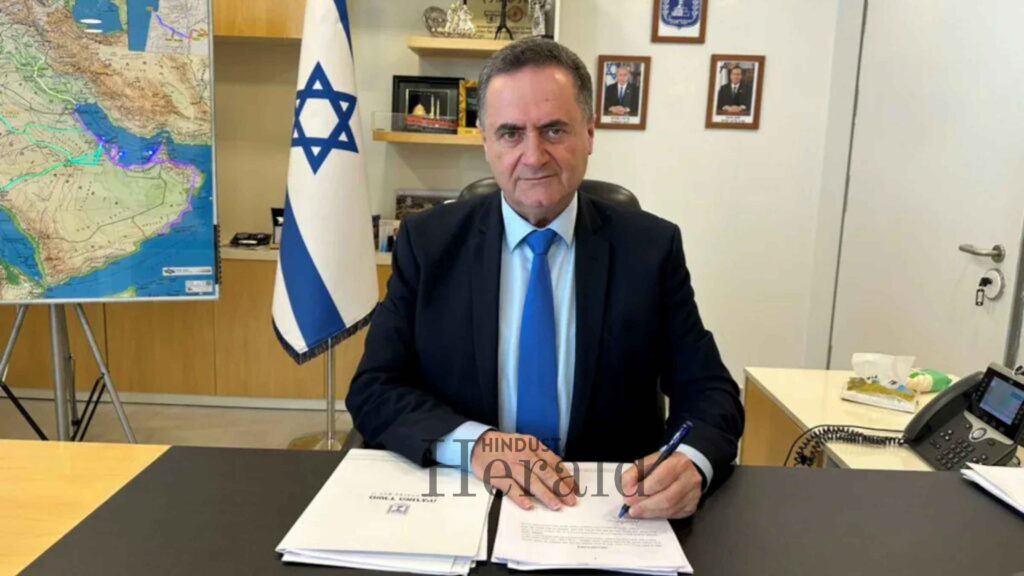
What you have, then, is three different versions of Monday’s events being stated simultaneously by people who are nominally on the same side. Trump says it is done. Netanyahu says it is done but conditional. Katz says it was never done. All three statements were out within hours of each other.
This is not a new pattern. It has been the rhythm of this conflict since the spring. Washington announces things. Tel Aviv partially walks them back. The people in southern Lebanon experience whatever actually happens on the ground, which rarely matches either announcement.
What the Ground Looked Like Before This Deal
None of what happened Monday makes sense without understanding the military picture of the past two weeks. In our earlier coverage of the Israel Lebanon War 2026 and the seizure of Beaufort Castle, we reported on how Israeli forces captured the medieval Beaufort Castle in Nabatiyeh governorate on May 27 the deepest ground incursion into Lebanese territory in over 26 years. Israeli troops then pushed to within roughly 5 kilometres of Nabatiyeh itself, one of southern Lebanon’s major cities, with evacuation orders issued to residents.
That offensive continued through the weekend. Strikes hit near a hospital in Tyre on June 1. The Litani River corridor, which UN Security Council Resolution 1701 was supposed to keep clear of Hezbollah forces since 2006, was now deeply contested by Israeli ground units.
Beirut geopolitical analyst Joe Macaron had been direct about the logic of all this. The more territory Israel could hold before any ceasefire froze the lines, the stronger its position in Washington. “The more land they can grab before the ceasefire, the more they can impose conditions on Hezbollah,” he said.
This is the military context in which Hezbollah said yes on Monday. The group has taken real hits territory, supply lines, command infrastructure. The April ceasefire it never signed was collapsing in practice. Another Israeli offensive on Beirut itself was apparently being planned. Saying yes to the Americans at this moment is not a position of strength. It is a way of pausing without surrendering.
The April Ceasefire That Already Failed
This is the second ceasefire in this conflict. The first one is worth remembering, because it tells you something about how much weight to put on the second.
A ceasefire entered into force on April 16, 2026, brokered by the United States. Both Israel and Lebanon signed on. American diplomats announced it carefully and called it a serious step toward de escalation. Hezbollah did not sign it.
The fighting continued. Israel struck Beirut twice in the weeks that followed. The Israeli military mounted the ground operations that captured Beaufort Castle and pushed toward Nabatiyeh. The word “ceasefire” was still technically in use while all of this was happening.
Nabih Berri, Lebanon’s parliament speaker and the most powerful Shia political figure outside Hezbollah itself, had said as recently as Sunday that he could personally guarantee Hezbollah would commit to a full halt. Then he asked who was going to guarantee that Israel would do the same.
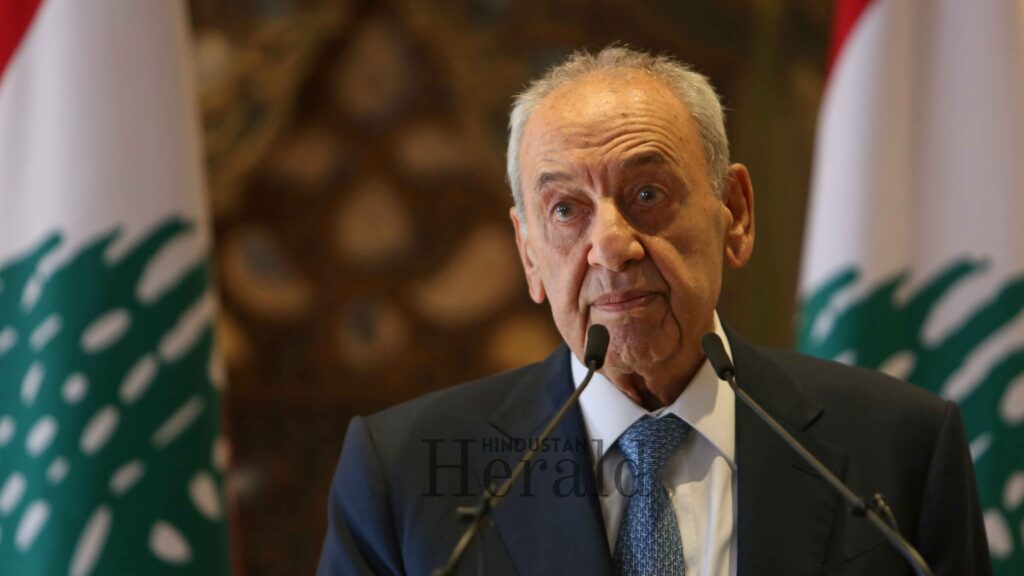
Nobody answered. That is still the situation. Berri’s top advisor Ali Hamdan told Axios that the original American proposal had been a partial deal Hezbollah stops hitting northern Israel, Israel stops hitting Beirut. Berri’s response: why partial? Go comprehensive. The Americans eventually came back with something closer to what Beirut wanted, and Hezbollah said it would accept.
That sequence Lebanon pushing back, Washington adjusting, Hezbollah watching is how Monday’s announcement actually came together. It is messier than the official statements suggest. Most things in this conflict are.
Iran Walked Out of Its Own Talks on the Same Day
The timing of Iran’s Monday announcement was not a coincidence. While Beirut was confirming Hezbollah’s ceasefire acceptance, Tehran was simultaneously suspending its peace talks with the United States. Iranian state media, citing the semi official Tasnim News Agency, said the Iranian negotiating team was stopping all communications and halting the “exchange of texts through a mediator.”
The reason given was Israel’s ongoing offensive in Lebanon. Iran’s Foreign Minister Abbas Araghchi put it plainly on social media: “The US must choose ceasefire or continued war via Israel. It cannot have both.”
This matters enormously for a reason that goes well beyond Lebanon itself. The US-Iran ceasefire of April 8 mediated by Pakistan had theoretically paused direct hostilities between the two countries. One of the central conditions Iran attached to that ceasefire was a halt to Israeli military operations in Lebanon. Israel never accepted that condition. And so Hezbollah kept firing, Israel kept striking, and Iran kept the Strait of Hormuz functionally blocked.
Trump pushed back on Iran’s characterisation of suspended talks. He told ABC News a deal to reopen the Strait and extend the ceasefire was still reachable “over the next week.” He acknowledged, in his phrasing, that there had been “a little glitch” but that he had turned it around quickly.
Qatar has been running alongside Washington on the broader diplomatic track, and a regional source told CNN that negotiations were quietly back on. Whether that holds through the Washington meetings on Tuesday and Wednesday is the question nobody has a clean answer to.
What India Has Already Lost, and What Is Still at Stake
India follows World News from the Middle East for a lot of reasons, but right now there is one reason that sits above all the others.
Nearly two thirds of India’s crude oil imports pass through the Strait of Hormuz. So does roughly half its LNG. Since the broader conflict sent the Strait into a state of competing blockades and war risk premiums, the flows have collapsed. India has lost more than 40 percent of its crude imports since the crisis began, according to OilPrice.com. Oil marketing companies are reportedly absorbing losses of up to Rs 1,000 crore per day as the government holds retail fuel prices steady to avoid passing the full shock to consumers.
RBI Governor Sanjay Malhotra said publicly what most people in the finance ministry have been thinking privately if the Strait stays blocked for several more months, both monetary policy intervention and retail fuel price hikes become unavoidable.
The foreign exchange picture is already uncomfortable. Investors have pulled more than $20 billion from Indian equity markets in the first four months of 2026, already exceeding last year’s full year outflow record. The rupee has hit successive all time lows.
GTRI founder Ajay Srivastava pointed out that the damage runs deeper than just crude prices. Shipping insurance premiums, freight costs, and supply chain disruptions across the Asia Europe trade corridor are all feeding through into the broader Indian economy in ways that are difficult to reverse quickly even if the Strait reopens tomorrow.
The World Bank has estimated Brent averaging around $86 per barrel in 2026 under a scenario where the Middle East supply disruptions ease by mid year. Under a prolonged closure scenario, the range climbs to between $95 and $115. India’s GDP growth projection has already been shaved to 6.7 percent for fiscal 2026-27, down from 7.7 percent the previous year.
If Monday’s ceasefire holds, it removes Iran’s primary stated justification for keeping the Strait blocked. That is not a guarantee the Strait reopens Iran has conditions beyond just Lebanon but it is a necessary first step in a sequence that India very badly needs to move forward.
Washington Talks Begin Tuesday, With Very Low Trust on All Sides
Direct talks between Israel and Lebanon are scheduled for Tuesday and Wednesday in Washington. These are, technically, the first such direct negotiations since the May 17 Agreement of 1983 fell apart.
The agenda is real: a formal ceasefire, the question of Hezbollah disarmament under UN Security Council Resolution 1701, and the framework for a permanent peace arrangement. Resolution 1701 was passed after the 2006 war. It required Hezbollah to pull back from the border zone and disarm. For nearly two decades, almost nothing in that resolution was implemented. The current war is partly what happens when the international community writes agreements and then declines to enforce them.
Whether anything actually comes out of Tuesday’s session depends on a set of variables that are genuinely unstable. Israel’s government is not unified on what it will accept. Hezbollah has made clear it considers the pullback of Israeli troops from southern Lebanon a precondition, not a negotiating chip. Iran has suspended its parallel talks, which removes the most powerful external pressure on Hezbollah to maintain any deal it accepts.
And on Israel’s side, Netanyahu is managing a domestic political situation in which being seen to make concessions to Hezbollah carries real risks. The capture of Beaufort Castle and the advance toward Nabatiyeh gave his government some military credibility to trade on. Whether it will choose to trade it at the negotiating table or continue the offensive is the question that determines everything else.
The Contradictions at the Heart of Israel’s Position
The strangest part of Monday’s events, if you step back far enough to see the whole picture, is what it reveals about how Israel’s government actually functions right now.
Trump announced a ceasefire. Netanyahu confirmed it with conditions. Katz denied it entirely. These are not just different communication styles. They reflect a genuine disagreement inside the Israeli political structure about whether de escalation in Lebanon is strategically acceptable or a capitulation that leaves Hezbollah intact to rebuild.
The harder line elements of Netanyahu’s coalition have argued consistently that any pause that leaves Hezbollah in place disarmed or otherwise is not actually a victory, because the group will reconstitute over time just as it did after 2006. The more pragmatic voices in Washington and within parts of the Israeli security establishment argue that the military pressure has already achieved its primary goals, that the political costs of continuing are growing, and that a negotiated settlement now is better than a longer war with uncertain outcomes.
Netanyahu is not clearly in either camp. He is managing the tension between them in public, which produces statements that appear contradictory because they are genuinely designed to satisfy constituencies that want different things.
Trump’s leverage over this dynamic is real but limited. Washington funds and arms Israel. That matters. But Netanyahu has shown across years of dealing with US administrations that he is willing to manage the relationship without being dictated to on core military decisions.
How much pressure Trump is genuinely willing to apply beyond an irritable phone call is a question that will be answered, or not, by what happens in Washington this week.
India’s 90,000 Citizens and Its Studied Silence
India has roughly 90,000 citizens in Lebanon, most of them in and around Beirut. They are not, at the moment, directly in the line of fire. That could change.
India has been through evacuation operations in Lebanon before. The 2006 war triggered one of the largest civilian evacuations the country had mounted at that point. The systems exist. Nobody wants to use them again.
On the diplomatic side, India’s position will be what it has been throughout this conflict. The Ministry of External Affairs will call for restraint. It will urge dialogue. It will note the importance of protecting civilians and respecting international humanitarian law. These are not wrong positions. They are simply positions that carry limited weight in a conflict driven by US, Israeli, Iranian, and Hezbollah calculations that have very little to do with what New Delhi thinks.
India has built real and durable ties with Israel over three decades. It has deep economic and political relationships across the Arab world. It formally supports Palestinian statehood. Holding all of those simultaneously requires a studied ambiguity that is beginning to look increasingly strained as the conflict grows more extreme.
That balancing act is not the main story today. The main story is what happens in Washington on Tuesday and whether the ceasefire that Hezbollah agreed to on Monday will still be functioning by the time those talks begin. The honest answer is that nobody knows. And anyone who tells you they do is not reading the same situation the rest of us are.
Stay ahead with Hindustan Herald — bringing you trusted news, sharp analysis, and stories that matter across Politics, Business, Technology, Sports, Entertainment, Lifestyle, and more.
Connect with us on Facebook, Instagram, X (Twitter), LinkedIn, YouTube, and join our Telegram community @hindustanherald for real-time updates.

Tracking world politics, global markets, trade movements, policy decisions, and the changing balance of economic power.
- Shelesh Joshi

- Shelesh Joshi
- Shelesh Joshi
- Shelesh Joshi





Specializes in South Asian geopolitics and global diplomacy, bringing in-depth analysis on international relations.
- Rajiv Menon
- Rajiv Menon
- Rajiv Menon
- Rajiv Menon