
 By Ananya Sharma and Ayesha Khan
New Delhi, March 5: So Elnaaz Norouzi gave an interview. And then another one. And then the clips started moving.
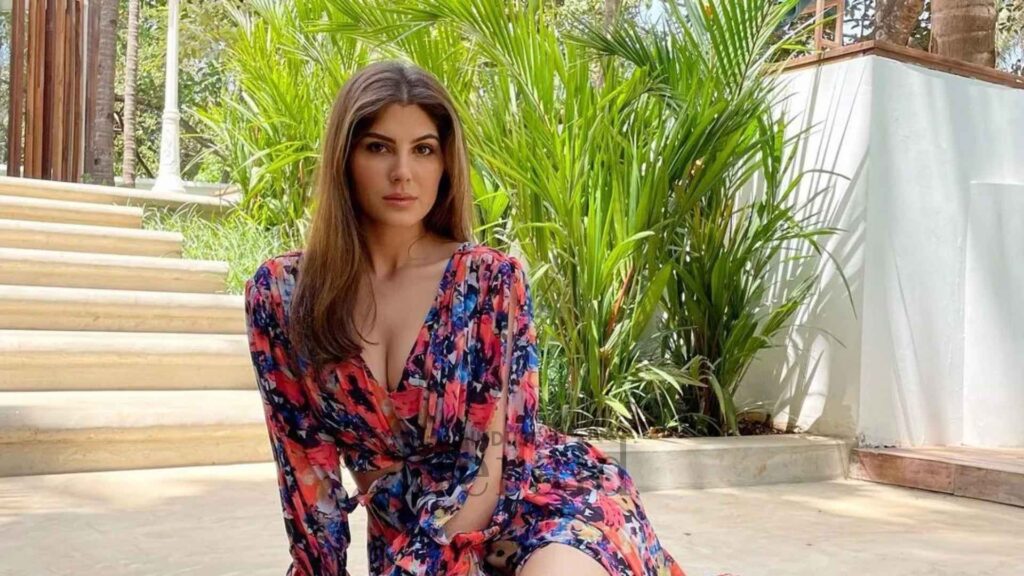
If you are not familiar with her, she was in Sacred Games, the Netflix show. Plays a recurring role. An Iranian-German has been living in Mumbai for years now. Seems to have genuinely made a life here. By most accounts, she likes it and speaks about India with the kind of warmth that does not feel rehearsed.
Anyway. She sat down with Bombay Times and ANI this week and said some things that clearly a lot of people were not expecting to hear from a Bollywood-adjacent actress on a weekday afternoon.
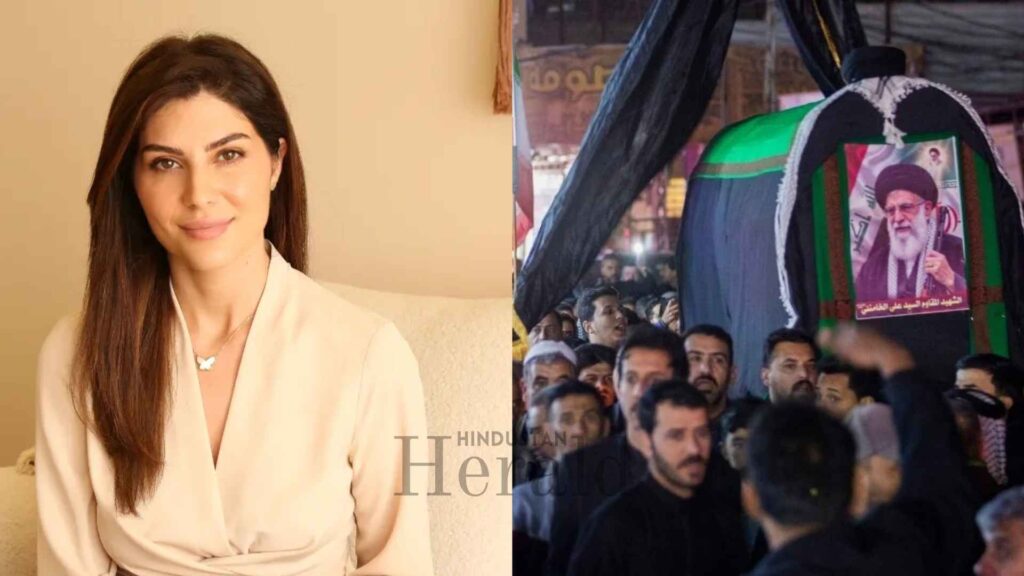
The context is Khamenei. Ayatollah Ali Khamenei, Iran’s Supreme Leader, the man who has been running that country since 1989, is reportedly dead. The news broke, and immediately the takes started pouring in from every direction. Politicians, analysts, diaspora communities, religious groups, everyone had something to say.
Norouzi had something to say, too. Hers just landed differently.
She Called It A Win. Out Loud.
Most public figures, when a head of state dies, even one widely considered a brutal authoritarian, reach for careful language. Complicated legacy. Significant figure. Turbulent chapter. You know the kind.
Norouzi did not do that.
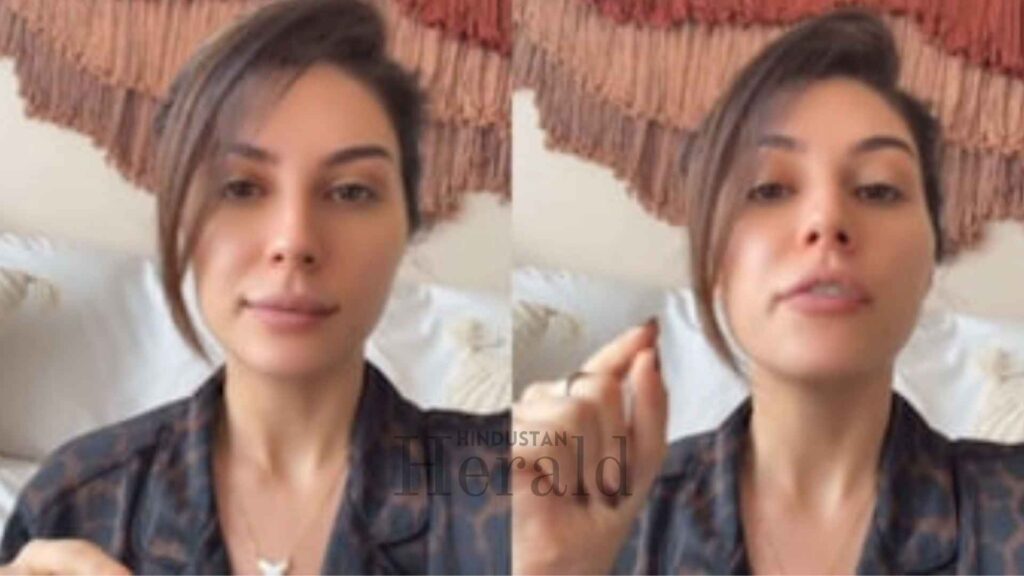
She said it was a big win for the whole world. Direct quote, on camera, no apparent hesitation.
Now, before you decide how you feel about that, here is some context about where she is saying it from. She cannot go back to Iran. Not will not. Cannot. She has said openly that if she set foot in that country, she believes her life would be at risk. This is not an actress being dramatic about travel inconvenience. The Iranian government has actual documented operations targeting dissidents abroad. Germany disrupted one. So did the United States. France too. These are not conspiracy theories; they are court cases, reported by Reuters and the BBC, among others.
Norouzi supported the Women, Life, Freedom protests in 2022. Loudly and publicly, not just a quiet Instagram story. Those protests started after Mahsa Amini, a 22-year-old woman, died in custody. She had been detained by Iran’s morality police. The reason given was that she was not wearing her hijab correctly.
When Norouzi says she cannot go home, she means it the way someone means it when the stakes of being wrong are not inconvenience but imprisonment or worse.
The History Lesson That Actually Made Sense
She said something in the interview that a lot of people found surprising. That Iran was not always this way. That it was not, in its bones, the country the 1979 revolution made it into.
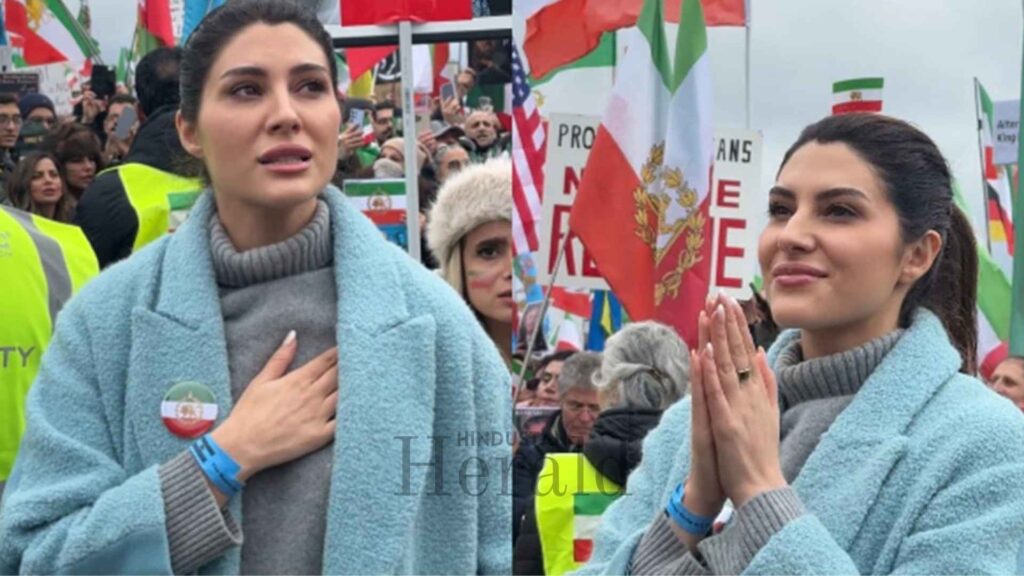
She compared it to India, which was smart because it is a comparison that immediately makes sense to an Indian audience. She said Iran had that same quality India has, all these different communities and religions and ways of being, living alongside each other. Before Khomeini, before the revolution, Iran was a country with a Zoroastrian civilisation going back thousands of years. Jewish communities. Christian communities. Women in universities. A film industry. A public life.
Then in the space of about a year, all of that was reorganised from the top down.
The detail she gave about schoolchildren chanting Death to America before class is the kind of thing that sticks. Not because it is the worst thing she described, it is not, but because it is so ordinary. So routine. The dailiness of it is what is disturbing. That was just a normal Tuesday morning.
Her point is that the country her family came from, the one that exists in her parents’ memories, was something genuinely different. And a revolution rebranded it, forcibly, into something that served the ideological interests of the people who took over.
This is not a fringe position, by the way. It is fairly mainstream among Iranians, especially in the diaspora. The grief over what was lost before 1979 is real, and it is old.
India Gave Her Something She Did Not Have Before
She keeps talking about India in a way that goes beyond the usual celebrity gratitude for a country that made them famous.
She talks about democratic freedom like someone who grew up understanding, concretely, what the alternative looks like. She is not abstractly grateful for free speech. She is grateful in the way you are grateful for something after you have seen what its absence does to people you know.
She said she can live here freely. Dress how she wants. Work without the government deciding whether her existence is acceptable. For someone whose homeland has morality police, that is not a small thing to have.
India obviously has its own ongoing conversations about freedom of expression and minority rights, and the press. Those conversations are real, and they are not finished. But Norouzi is not making a comparative political argument. She is talking about her own life and what it feels like to live it here versus what it would feel like to live it there. Those are different things.
The Mourning Protest Problem
Here is where she got sharp in a way that clearly irritated some people.
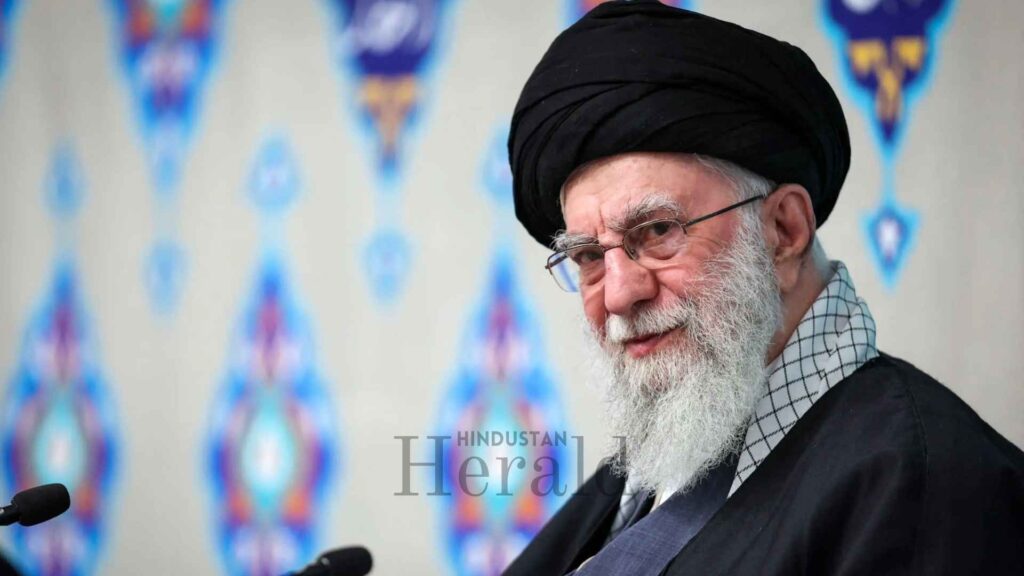
After Khamenei’s death was reported, there were gatherings in parts of India. People are coming out to mourn him publicly, to mark the loss of someone they considered a significant religious and political figure.
She could not let it go.
She said these people are working without the full picture. That they do not know the actual texture of what life under Khamenei meant for ordinary Iranians. The crackdowns. The young protesters were shot dead. The women were imprisoned for the specific crime of showing their hair. The families who lost people and were then handed bills for the cost of the ammunition used to kill them, which is a documented thing that has been reported and verified.
Her frustration makes sense when you understand where it comes from. For Iranians who left, who watched from abroad as people they loved suffered under this system, seeing communities in a country that gave them refuge publicly grieving the person at the top of that system is genuinely painful. Not confusing. Painful.
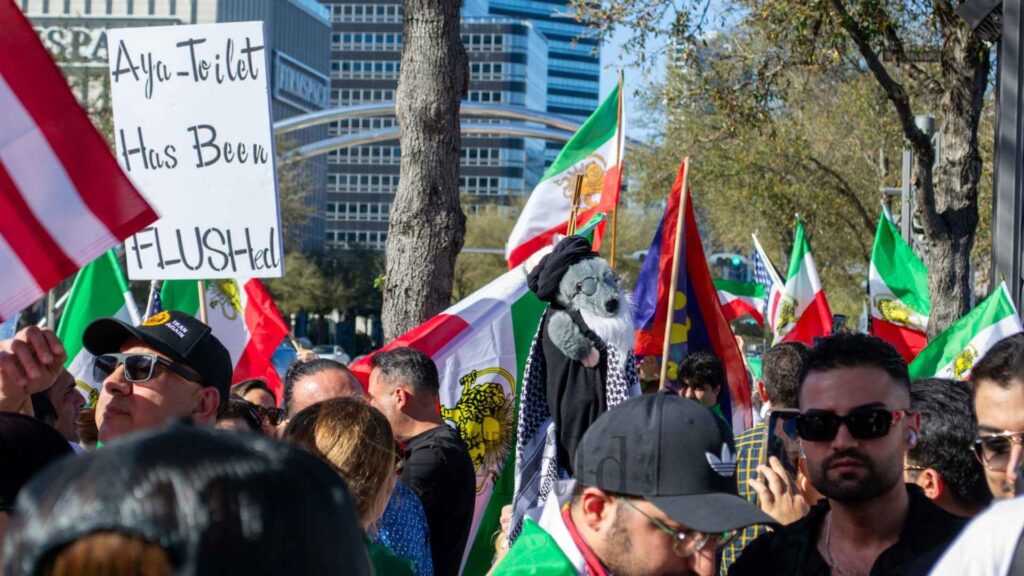
The people at those gatherings presumably had their own reasons. Their own relationship to his religious authority, their own understanding of who he was and what he represented. They are not obligated to see him through Norouzi’s eyes.
But she is also not obligated to be quiet about what she knows. And she is not.
Nobody Knows What Iran Looks Like Next Week
This is the honest situation.
Khamenei ran Iran for thirty-seven years. He was the centre of gravity for the entire system. The constitution says a body called the Assembly of Experts picks his replacement, but there is no obvious candidate who commands anything like his level of authority. The Revolutionary Guards, who are effectively a state within the state and control large parts of the economy as well as the military, will have their own strong preferences about what comes next.
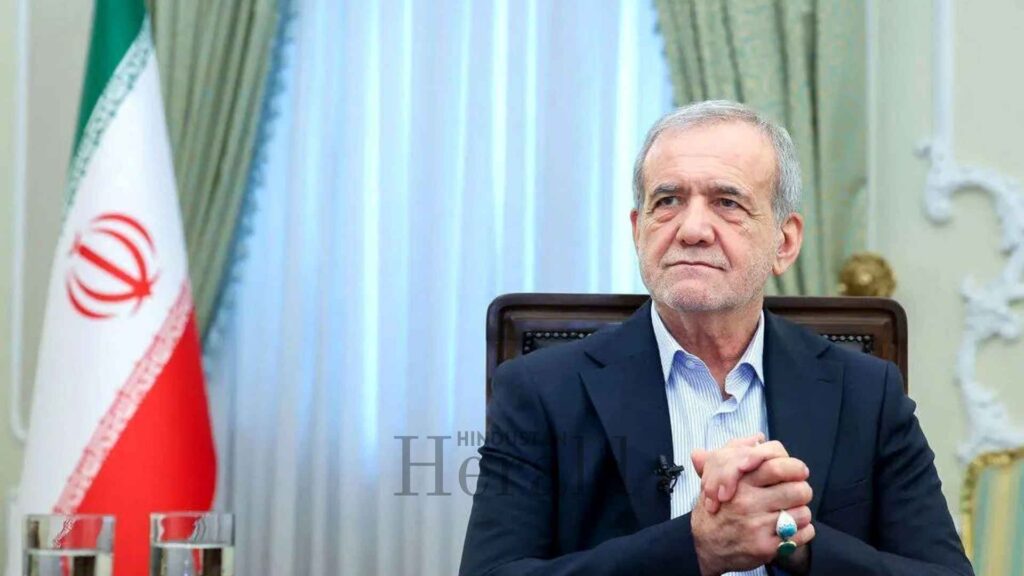
President Pezeshkian got elected last year on a quiet reform platform. He is now in a situation that is either a genuine opening or a very effective trap. Possibly both.
For the young Iranians who have been in the streets for years, who have been getting beaten and arrested and shot at for years, this moment feels significant. Whether the system actually changes or just finds a new face to put at the top and continues exactly as before is a question nobody can answer yet.
People like Norouzi have been waiting a long time for something to change. The waiting does not make you optimistic exactly. But it does make you pay very close attention.
Why The Clip Kept Moving
It spread because she was not doing the thing public figures usually do in these situations.
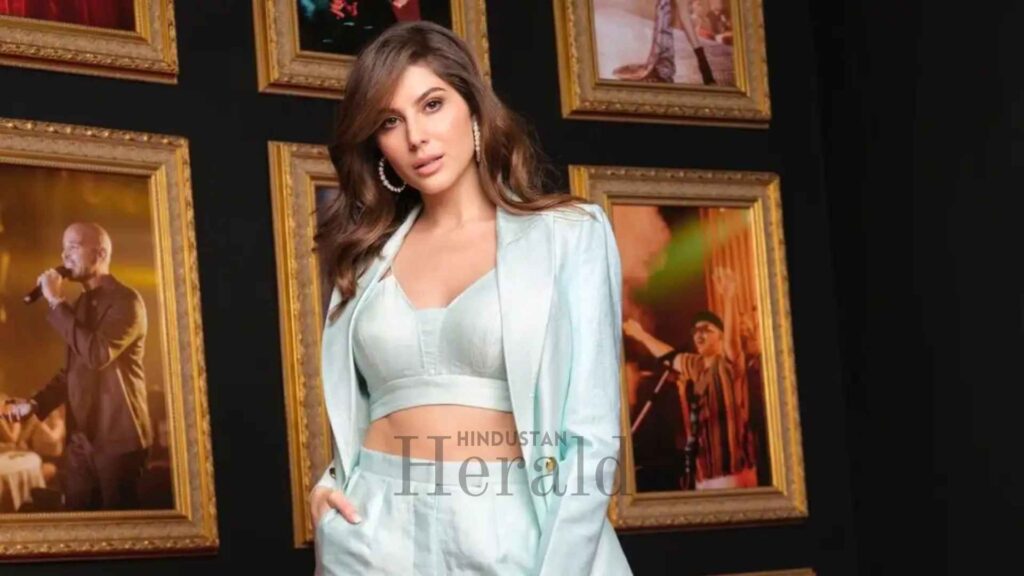
She was not managing the moment. She was not calibrating her language to avoid upsetting anyone. She was not thinking about brand safety or the next project or what her publicist would say.
She was just a woman explaining what her life has actually been shaped by. What a particular man’s death means to her and to the people she comes from. What it feels like to be unable to visit your own country because you said true things out loud.
People share that kind of thing because it is rarer than it should be. Especially from someone with a real public profile and actual things to lose.
She is Iranian. She is German. She says India is her country now. She carries all of it at the same time, and she does not seem particularly interested in making any of it easier to dismiss.
Right now, she is using the platform Mumbai gave her to say things about Tehran that would cost her everything if she said them there.
That is the whole story. Someone speaking freely about a place where speaking freely is genuinely dangerous. From a city that has, at least for her, not made honesty that expensive.
Stay ahead with Hindustan Herald — bringing you trusted news, sharp analysis, and stories that matter across Politics, Business, Technology, Sports, Entertainment, Lifestyle, and more.
Connect with us on Facebook, Instagram, X (Twitter), LinkedIn, YouTube, and join our Telegram community @hindustanherald for real-time updates.

Covers Indian politics, governance, and policy developments with over a decade of experience in political reporting.
- Ananya Sharma

- Ananya Sharma
- Ananya Sharma
- Ananya Sharma





Covers films, television, streaming, and celebrity culture with a focus on storytelling trends.
- Ayesha Khan
- Ayesha Khan
- Ayesha Khan
- Ayesha Khan




 Ayesha Khan