 By Prakash Nair
Mumbai, March 6: Somebody in the press box Thursday night said it best. “I have been covering cricket for twenty-two years, and I have never needed a glass of water this badly at the end of a match.”
That is what India versus England at the Wankhede did to people. Professionals. People who are paid to stay calm and take notes. By the time Jofra Archer hit his third six in the last over, and India were still hanging on by their fingernails, nobody in that stadium was sitting down. Not in the stands. Not in the press box. Probably not in the dressing room either.
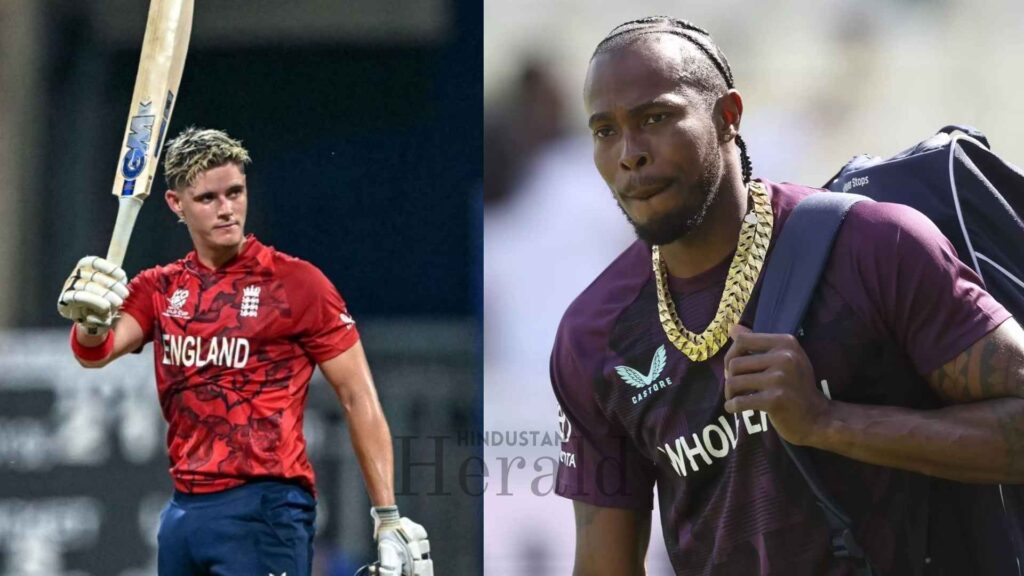
India won. Seven runs. A total of 499 were scored across the night. If you had told anyone that number before the toss, they would have assumed you were describing a three-match series, not a single Twenty20 game.
How Did We Even Get Here
Start from the beginning because this one deserves it.
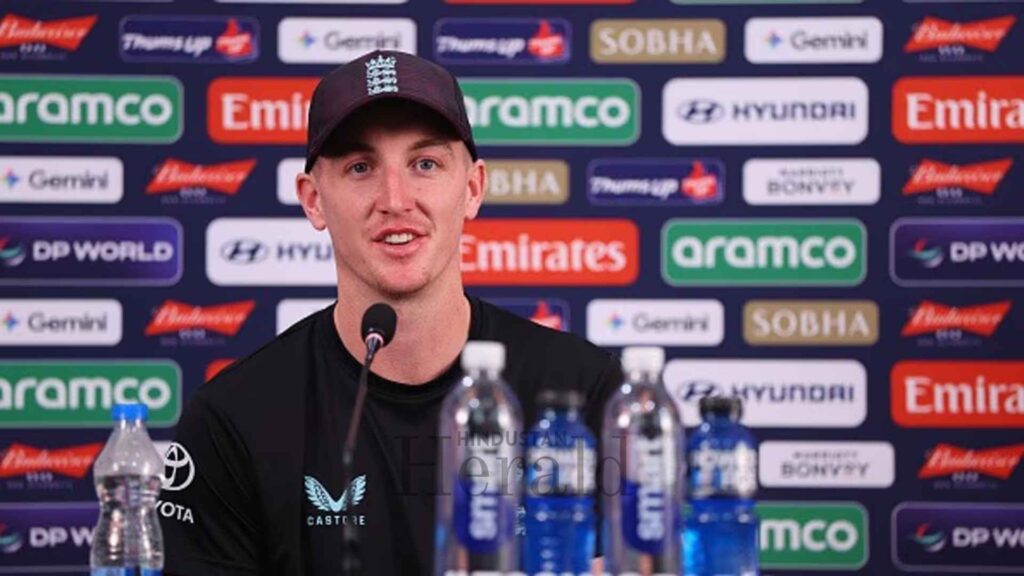
England won the toss. Harry Brook looked at the pitch, looked at the sky, looked at his bowling attack and decided to field. Reasonable call on paper. The Wankhede is a flat track that gets easier to bat on as the dew settles. Get India in early, rough them up with Archer in the powerplay, keep it tight.
Sanju Samson had not received that memo.
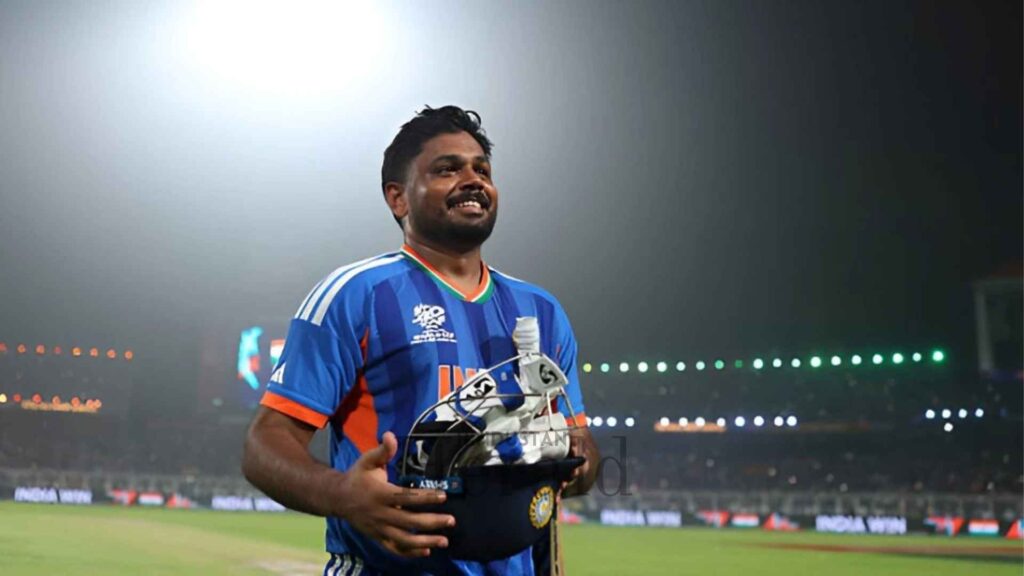
From the second over itself, it was clear something was happening. Not the usual cautious start that India’s openers sometimes fall into. Samson was hitting the ball flush, from the first over, through the covers, over midwicket, once over extra cover off Archer that had the fielder not even bothering to turn and watch it land. The crowd, already loud before a ball was bowled, took about four deliveries to reach a volume that made conversation impossible.
Forty-two balls later, Samson walked off for 89. Eight fours. Seven sixes. He fell six runs short of what would have been one of the great World Cup centuries. Will Jacks got him in the 14th over, and there was a brief exhale in the stands before people remembered India were 160 for 3 and still had overs left.
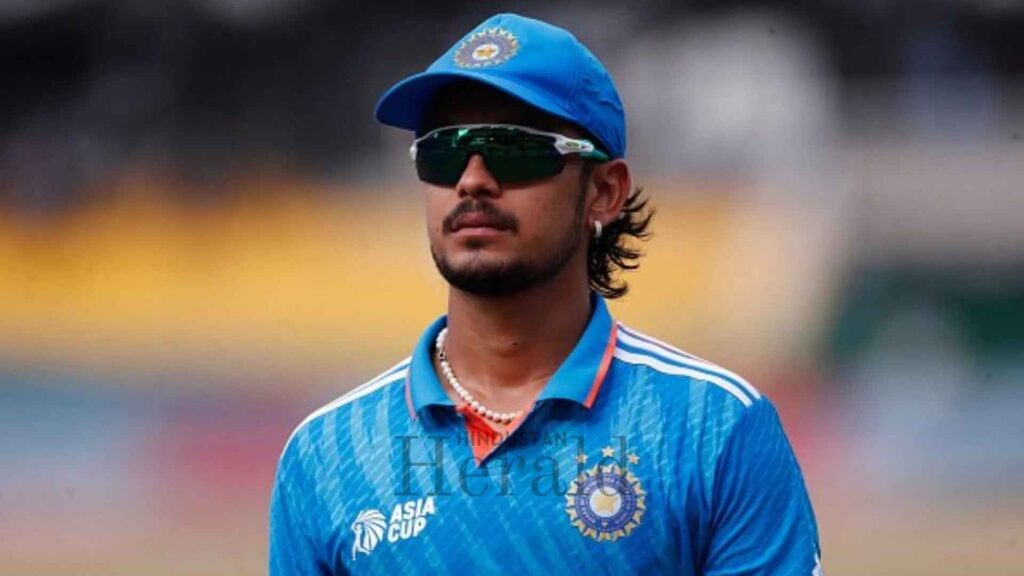
What followed was frankly ridiculous. Ishan Kishan came in and treated Adil Rashid like a net bowler. Shivam Dube hit the ball so hard at one point that the square leg fielder stepped aside rather than attempt the catch. Hardik Pandya, who has a habit of arriving at exactly the right moment, bludgeoned 27 off 12 balls in the slog overs. And then Tilak Varma, who had barely had time to put his gloves on, scored 21 off 7 deliveries and departed having done more damage per ball than most batters manage in an entire innings.
Final score: 253 for 7.
The highest total in the history of T20 World Cup knockout cricket. The crowd sang. The players punched the air. The England fielders stood in a circle at mid-pitch and had a conversation that nobody was lip-reading.
The Chase That Should Not Have Been Possible
England needed 254. To put that in context, the highest total ever successfully chased in a T20 World Cup match before Thursday was 230, also by England, also at this same ground, back in 2016 against South Africa. They needed to beat their own record by 24 runs. Against India. At home. In a semi-final.
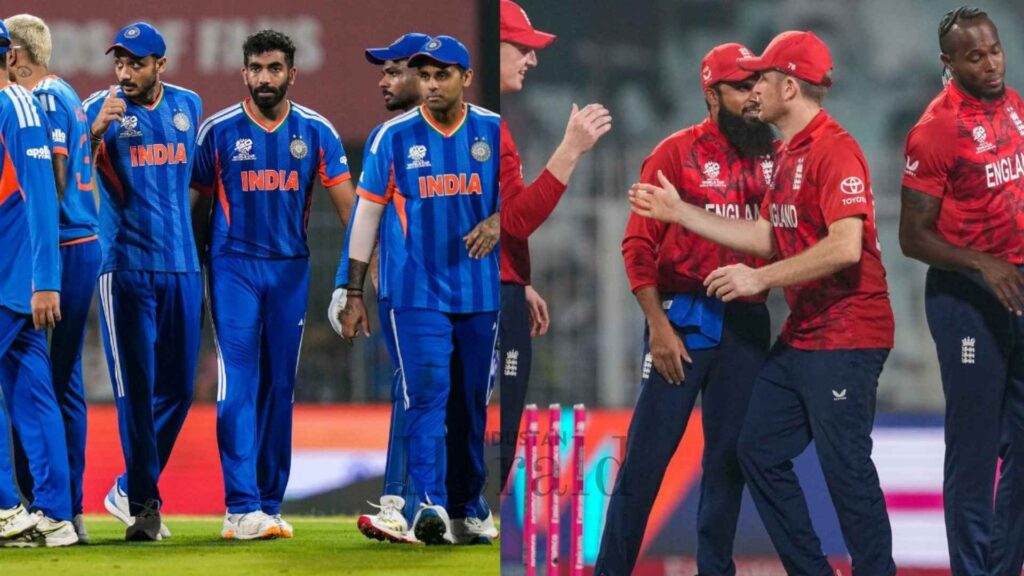
The first six overs were catastrophic.
Phil Salt was out first ball of Pandya’s spell. Gone before he had warmed up. Harry Brook, England’s best batter and their captain, lasted long enough to get a feel for the pace before Bumrah produced one that straightened just enough, and Axar Patel took a catch running backwards at full stretch. Jos Buttler, who had looked decent and was timing the ball well, tried to take on Varun Chakaravarthy once too often and was stumped.
Three of England’s most dangerous batters are back in the pavilion. Scoreboard reading 95 for 4. Chase of 254. Over halfway through the innings. Most of the Wankhede crowd was already thinking about the final.
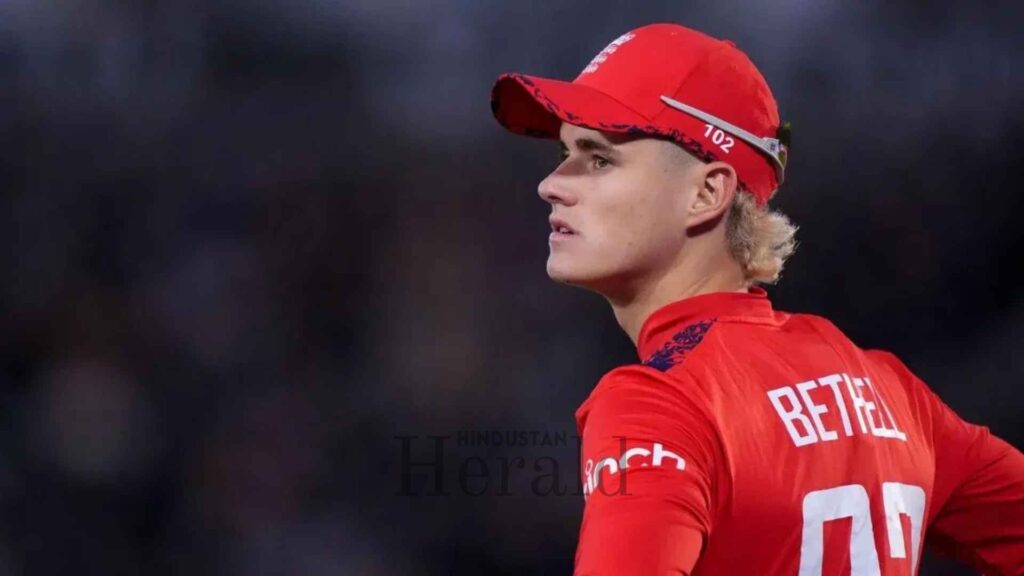
Then Jacob Bethell walked to the crease and politely asked everyone to sit back down.
The Boy From Warwickshire
Twenty-two years old. Left-handed. Plays for Warwickshire. Has been in England’s setup for barely two years. On Thursday night at the Wankhede Stadium, with his team 95 for 4 chasing 254 in a World Cup semi-final, he batted like someone who had done this a hundred times before.
His first few balls were watchful. Three or four deliveries of getting his eye in, reading the surface, working out where the gaps were. Then, almost as if a switch was flipped, he started meddling with everything.
Cover drives that reached the boundary before the fielder had taken two steps. Sixes over long on that the crowd watched in genuine silence for a full second before the roar came. A sweep off Varun Chakaravarthy that went for six over fine leg and had the spinner shaking his head at himself for the line he had chosen.
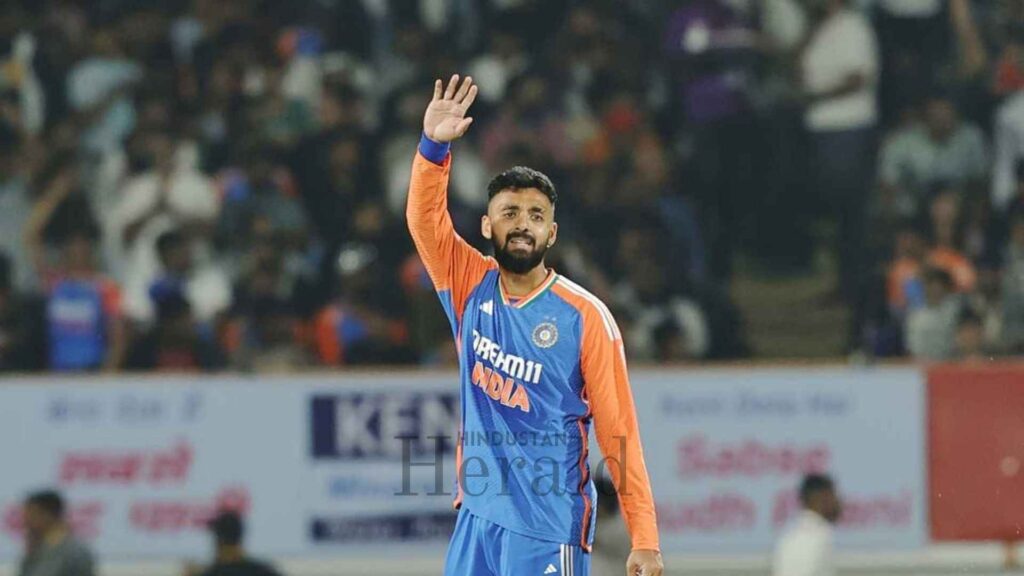
His fifty came in 19 balls. That is not a misprint. Nineteen balls for a fifty in a World Cup semi-final. The records were falling so fast that the statisticians in the press box were struggling to keep up.
He kept going. Will Jacks came in and played beautifully alongside him. Sam Curran hung around and ran hard, and kept England in the hunt. But it was always Bethell’s innings. Every time India looked like they might squeeze him out, he found a boundary. Every time the asking rate crept up to something unmanageable, he hit a six and dragged it back into range.
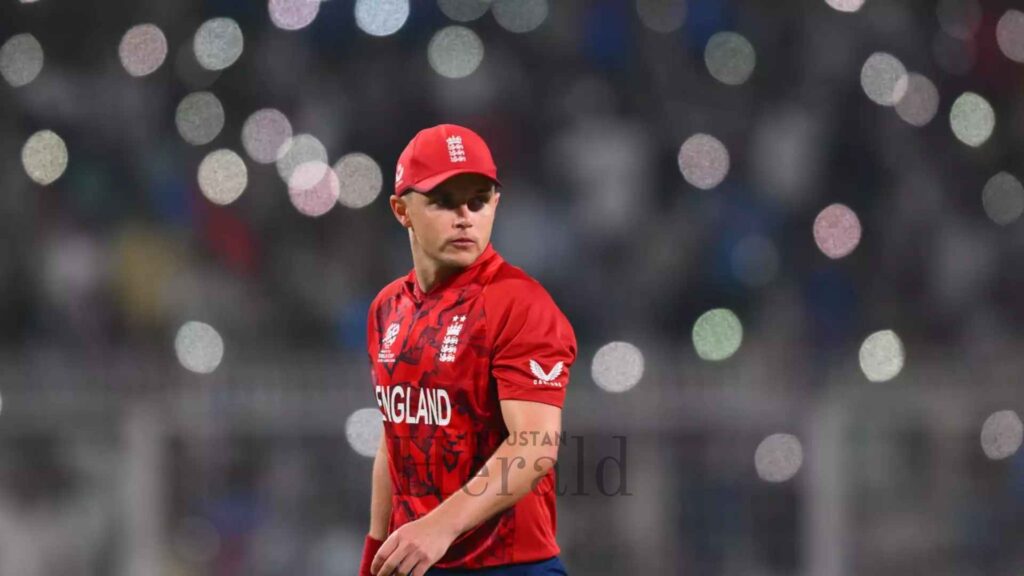
His hundred came up, and the Wankhede, an Indian crowd at an Indian World Cup semi-final, stood and clapped him. That does not happen very often. When a visiting player gets a standing ovation from an opposition crowd in a knockout match, you know you have watched something genuinely extraordinary.
He finished with 105 off 48 balls. Eight fours. Seven sixes. The highest individual score in T20 World Cup knockout history, beating the record that Finn Allen had set just 24 hours earlier in the first semi-final.
The record lasted one match. Cricket is absolutely mental sometimes.
One Over That Changed Everything
Going into the last three overs, England needed somewhere around 60 off 18 balls. Bethell was at the crease. The crowd was quiet in that particular way crowds go quiet when they are frightened rather than bored.
Suryakumar Yadav threw the ball to Bumrah for the 18th over.
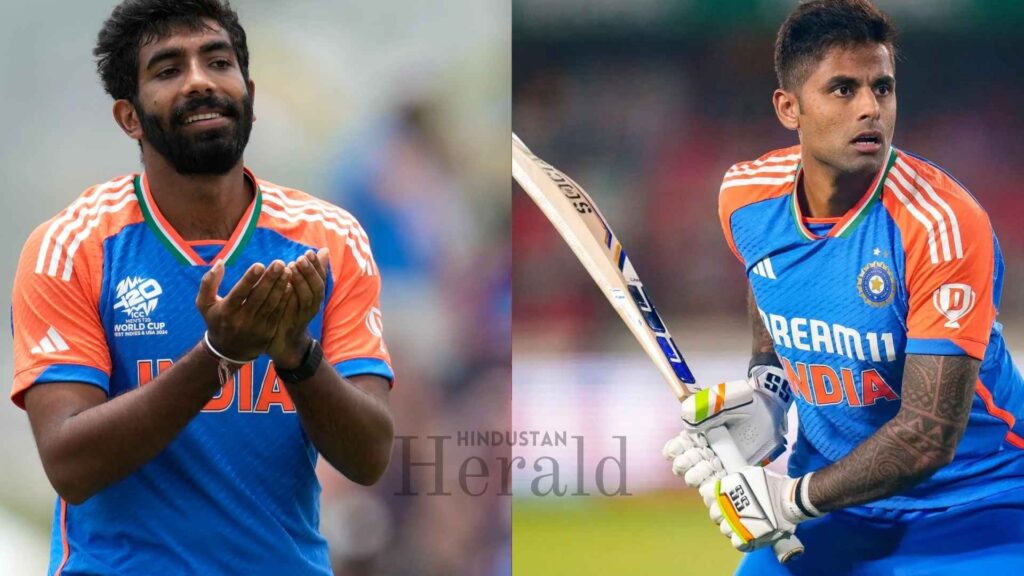
What Bumrah did in those six deliveries is the kind of thing that bowling coaches will use in presentations for the next decade. Bethell, a batter in the form of his life, with the match on the line, facing India’s best bowler at the death. Bumrah hit the yorker-length ball after ball. Pace varying. Line shifting just enough to make the batter doubt himself. Six runs off the over.
Six runs. When England needed 15 to 18 to stay in the game. That over did not take a wicket. It did not produce a dramatic moment. It simply strangled the chase at the exact moment England needed to breathe. Bumrah walked back to his mark after each delivery like a man doing his grocery shopping. Ice cold.
England needed 30 off the last over. Dube was bowling it. Bethell was on strike.
First ball. Bethell pushed it into the offside and ran. Hardik Pandya fielded it at mid-off, turned in one motion and threw. Direct hit. Bethell was short of his crease by a foot. Run out for 105.
The stadium did not immediately cheer. There was a half-second where everyone processed what had just happened. Then the noise was something else entirely.
Archer came in and hit three sixes in the last over because, of course, he did. He is Jofra Archer. But 30 off 6 was already asking too much, and three sixes from the last four balls still left England seven short.
When it was over, Archer stood in the middle of the pitch and looked at the scoreboard for a long moment. Then he walked off. There is nothing left to say after an innings like that.
What India Is Actually Going For Now
Here is the thing about Sunday’s final in Ahmedabad that most of the match coverage has not fully spelt out.
India is going for three things that no team in this format has ever done. Win the T20 World Cup as the host nation. Defend the title they won in 2024. And become the first three-time winners of the tournament. All three. Same match. Same night.
They won it in 2007 when nobody expected them to. They won it in 2024 in the Caribbean in one of the more dramatic finals in recent memory. Now they are one win from doing something that has never been done.
Their opponents are New Zealand, who beat South Africa in the other semi-final. The Black Caps are a quietly dangerous team who do not talk much and tends to show up when it matters. Finn Allen, their opener, scored a century in the first semi-final. The two best individual batting performances of this World Cup have come in the semi-finals, from Bethell and Allen, and both of those batters will be watching the final from home.
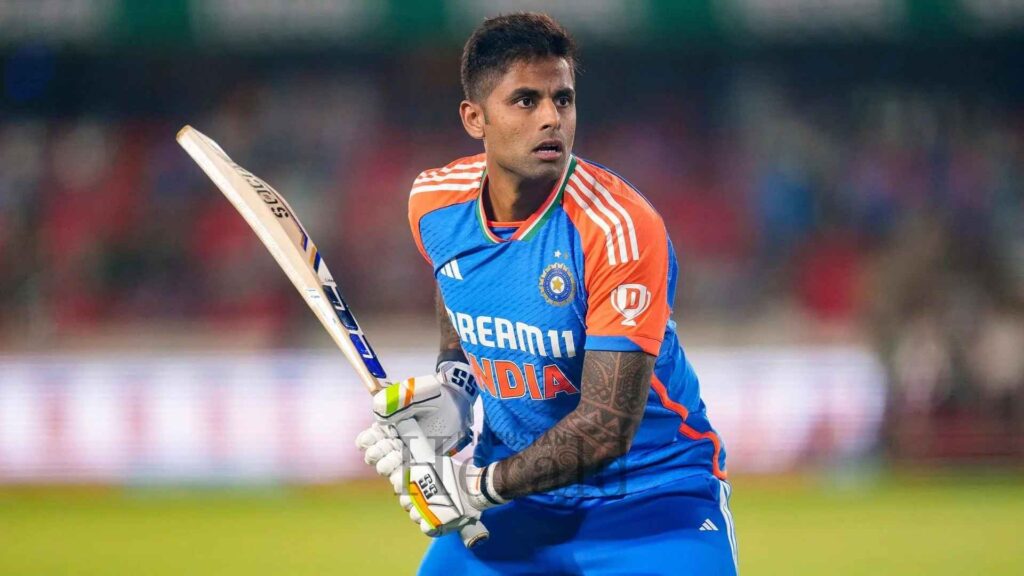
Suryakumar Yadav, asked about the final after the match, said it felt like one of the best moments of his life. He has played a lot of cricket and said a lot of things after a lot of matches. Thursday night, he meant every word of it.
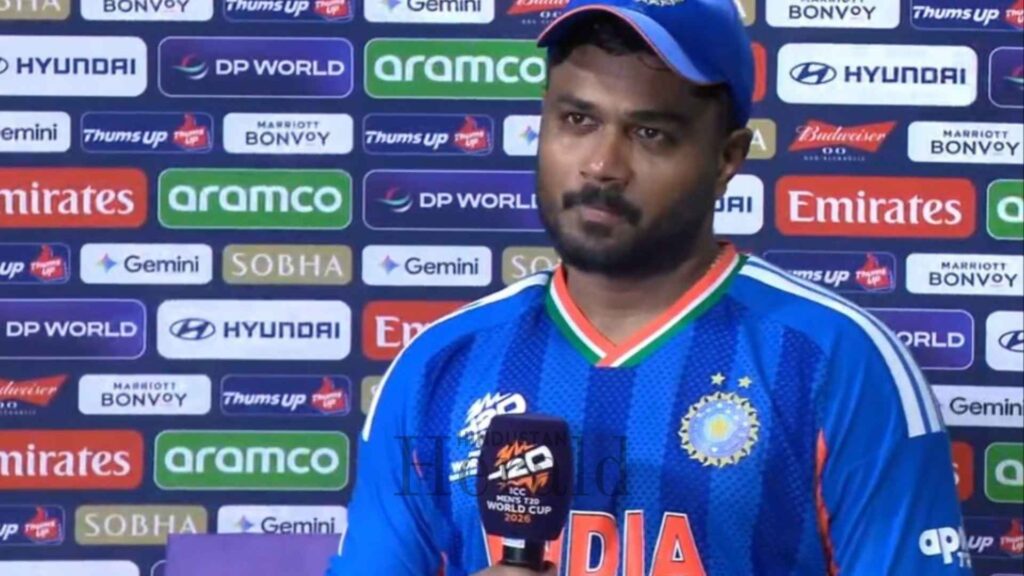
Sanju Samson was named Player of the Match and said the right things graciously. But the look on his face said more. This is a man who spent years being the nearly man of Indian cricket, in and out of squads, carrying the weight of expectations he was never quite given the platform to meet. Thursday night at the Wankhede, 89 off 42 balls in a World Cup semi-final, home crowd going insane in the stands. It has been a long road.
Sunday in Ahmedabad
The Narendra Modi Stadium holds over 100,000 people. On Sunday, it will be full.
That is not a metaphor or an approximation. Every single seat will have someone in it, and every single person will be wearing blue, expecting India to do something no team has done before.
The pressure of that is something most of us will never truly understand. Eleven cricketers carrying the expectations of a billion people in a stadium built to remind the world how much this country loves this game.
After Thursday night, though, after surviving Bethell and Archer and 499 runs and seven runs and all the rest of it, it is genuinely hard to look at this India team and see anything other than a group of players who know exactly how to handle that weight.
Three days. One match. History waiting.
Stay ahead with Hindustan Herald — bringing you trusted news, sharp analysis, and stories that matter across Politics, Business, Technology, Sports, Entertainment, Lifestyle, and more.
Connect with us on Facebook, Instagram, X (Twitter), LinkedIn, YouTube, and join our Telegram community @hindustanherald for real-time updates.

Sports reporter covering cricket, football, and Olympic disciplines, with on-ground event experience.
- Prakash Nair

- Prakash Nair
- Prakash Nair
- Prakash Nair