
 By Sandeep Verma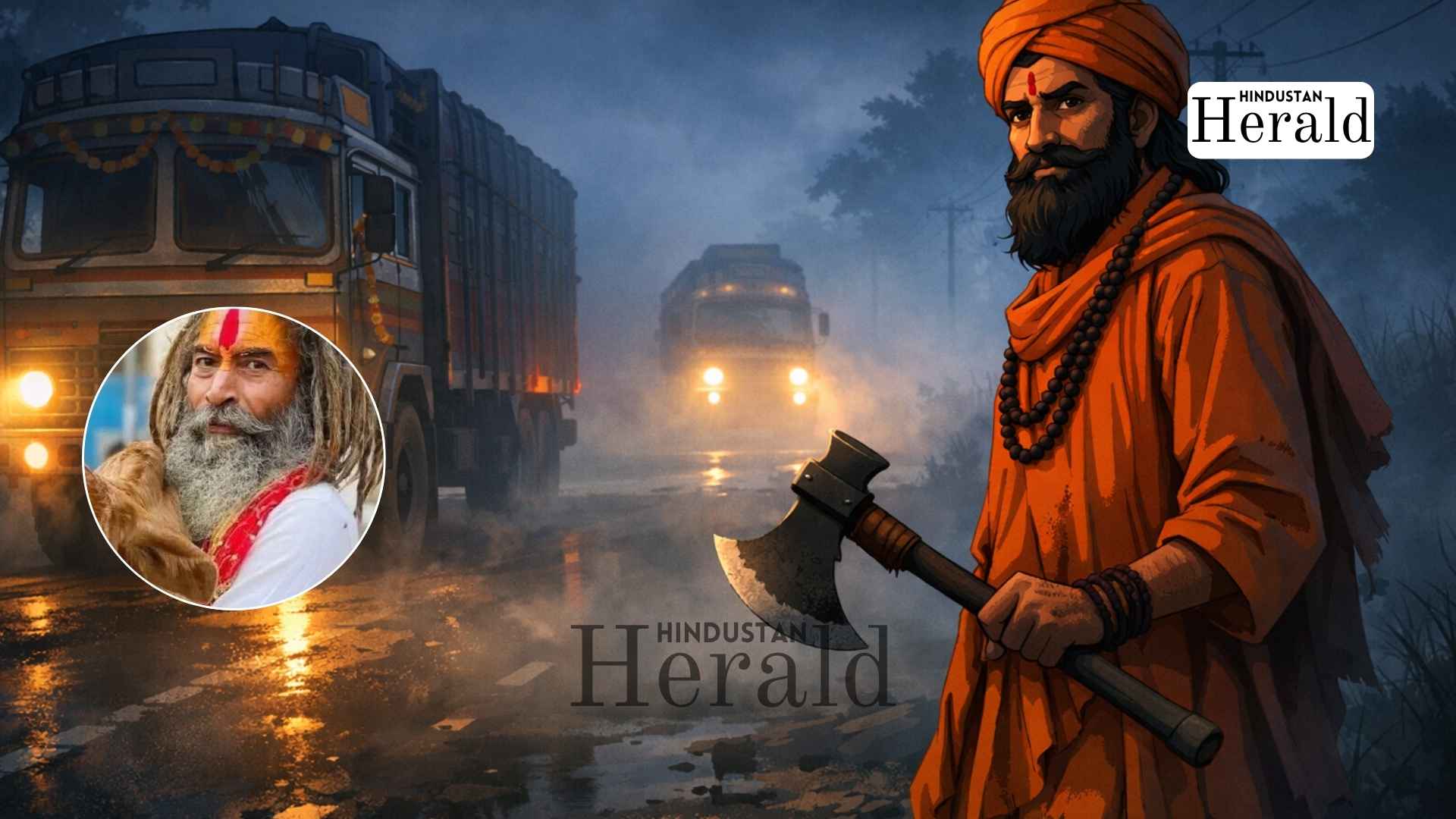
Mathura, March 22: A man who spent his life chasing cattle trucks on dark highways met his end on one of them.
Chandrashekhar, the cow vigilante that everyone in the Braj region simply called “Farsa Baba,” died before sunrise on Saturday, March 21, on the Agra-Delhi Highway near Mathura. He was standing on the road in thick fog, beside a truck he had just stopped and searched, when another truck came out of the darkness and hit him. He never made it to a hospital.
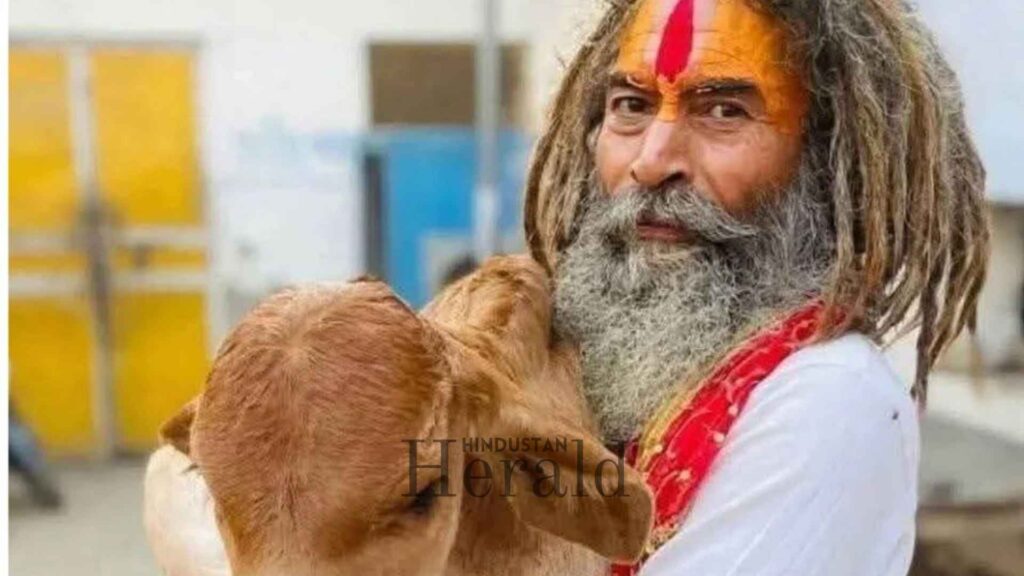
By the time the sun came up, his followers had shut down the highway. By afternoon, police were firing tear gas. By Sunday, over 300 people had an FIR against their name.
This is the story of who he was, what really happened that night, and why it blew up the way it did.
The Man With the Axe
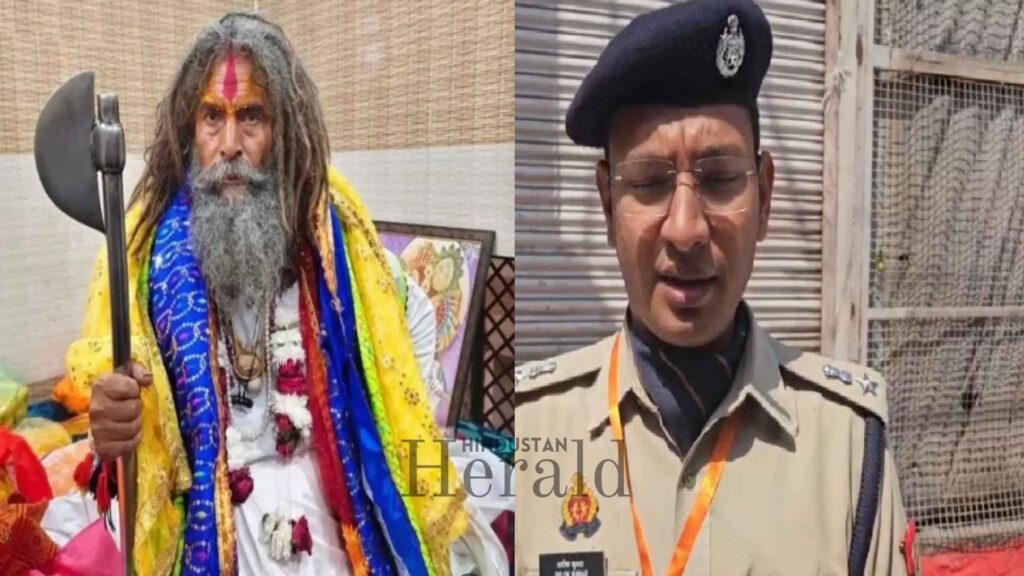
Most people in Mathura’s villages did not know Chandrashekhar by his real name. They knew the axe.
He was almost always seen carrying a farsa, which is a traditional axe-like weapon, and over time the weapon became so associated with him that people simply started calling him “Farsa Wale Baba.” The name stuck. The image stuck harder.
He was originally from Firozabad and had taken up a life of renunciation at a young age. He was reportedly present and active in Ayodhya during the Babri Masjid demolition period, which tells you something about the world he came from and the causes that shaped him.
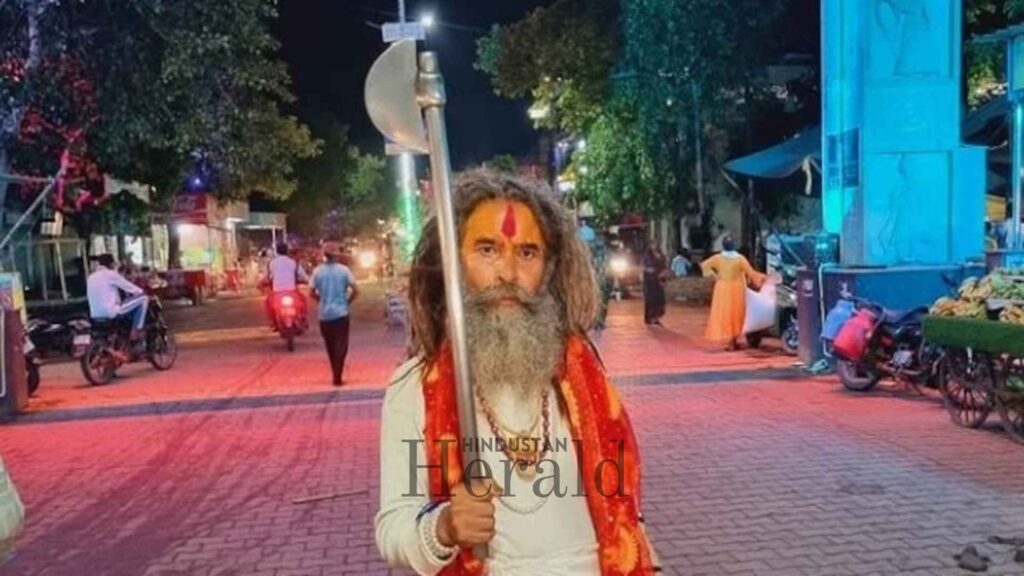
He eventually settled in Anjanokh village near Barsana in Mathura district. Barsana is one of the holiest towns in the Braj Mandal, believed to be the birthplace of Radha Rani. It draws pilgrims year-round and carries enormous religious weight for Hindus across northern India. For Farsa Baba, it was the perfect home base.
In Barsana, he set up a Gau Raksha Dal, built gaushalas to shelter rescued cows, and put together a team of young local men who would go out at night to intercept trucks suspected of carrying cattle for slaughter.
For his followers, he was not just an activist. He was a saint who carried a weapon because the times demanded it. He had a huge local following and, by most accounts, genuine community support in the region. His gaushalas were real, functioning shelters, not just fronts for vigilante work.
That said, men like Farsa Baba have always existed in a complicated space. They are not police. They have no legal authority to stop vehicles or detain drivers. But in large parts of western Uttar Pradesh, they have operated for years with an informal power that the state has neither fully endorsed nor meaningfully challenged. Saturday night was always going to end badly for someone.
4 AM on NH-19: What Actually Happened
At around 4 in the morning, Chandrashekhar and some of his followers stopped a container truck on the highway near the Kotvan border area. The truck had a Nagaland registration plate, which made them suspicious. They thought it might be carrying cattle.
A Nagaland-registered truck on the Delhi-Agra highway at 4 AM would raise flags for anyone running these kinds of patrols. Nagaland is a northeastern state where beef is legally consumed and the cattle trade operates differently. For a gau rakshak in Mathura, that registration number alone was reason enough to stop the vehicle.
But when they checked the container, it was carrying soap, phenyl, and shampoo. Grocery items. Nothing illegal. Nothing even close to cattle.
So they were standing there on the highway at four in the morning, in very dense fog, beside a truck that turned out to be completely clean, when the second truck arrived.
This one was coming from Rajasthan, loaded with electrical wires. The driver, Khurshid Anwar, could not see what was ahead of him through the fog. His truck slammed into the stationary group. Chandrashekhar was killed on the spot. Khurshid Anwar himself was critically injured. He died during treatment the following day, Sunday, March 22, making him the second fatality of the same accident.
Mathura SSP Shlok Kumar was direct about what the police found: “He suspected a vehicle and stopped it, but another truck from Rajasthan hit his vehicle due to fog, after which he died.” Police examined both trucks and found no evidence of cattle smuggling in either vehicle.
In short: two trucks, dense fog, a stationary group on a national highway in the dark, and a terrible collision. That is what the evidence points to.
How a Road Accident Became a Riot
Here is where things get complicated.
The news of Farsa Baba’s death spread through the region the way bad news travels in rural north India: fast, emotional, and stripped of detail. What reached most people was not “gau rakshak dies in foggy highway accident.” What reached them was “gau rakshak killed by cattle smugglers.”
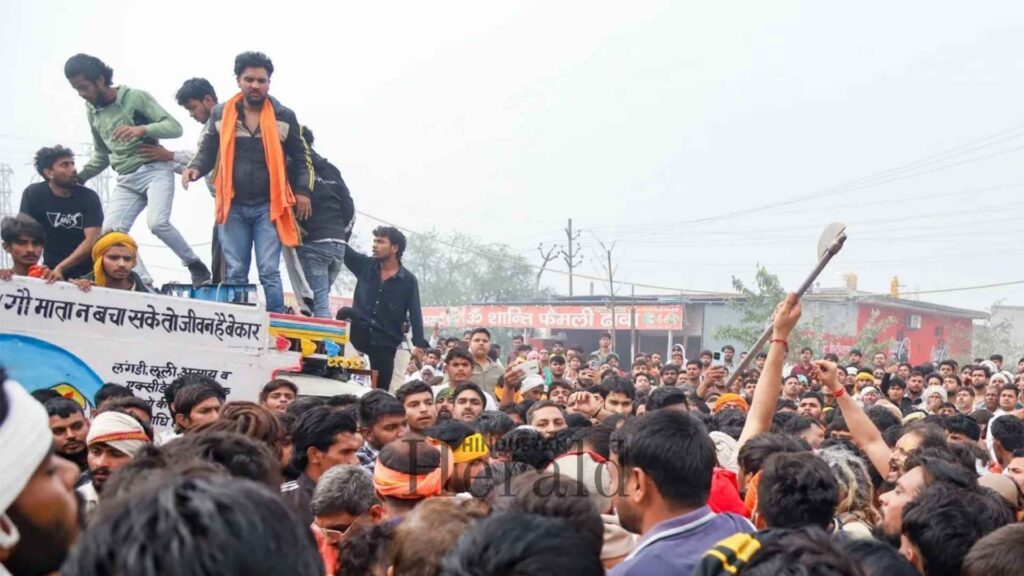
His supporters alleged that the entire thing was deliberate, that cattle smugglers had rammed their truck into him intentionally as he tried to stop them. This version required no evidence to travel. It fit a pre-existing narrative perfectly. And it landed on Eid morning, which could not have been worse timing.
The unrest coinciding with Eid added a communally charged dimension to an already volatile situation. The combination of a beloved local religious figure dying, an Eid holiday, and instant social media claims about Muslim cattle smugglers being responsible created exactly the kind of moment that tips over into violence.
Crowds blocked the Delhi-Agra Highway, hurled stones at police, and clashed with security personnel for hours. Officers were injured. Vehicles were damaged. Police had to use lathi charges and tear gas at multiple points.
His body was brought back to the gaushala at Anjanokh. Thousands gathered. The roads to Barsana became gridlocked with people coming from surrounding districts to pay their respects, or to express their anger, often both at once.
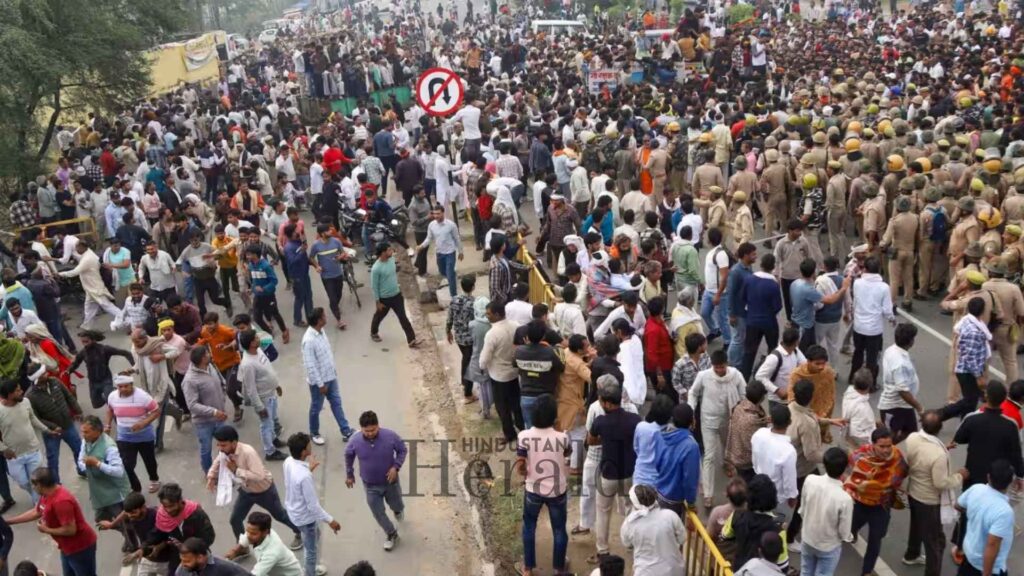
By Sunday, police had registered an FIR naming 22 individuals and listing around 250 to 300 unidentified persons on charges including rioting, attempt to murder, vandalism, and blocking a public road.
The Government Steps In
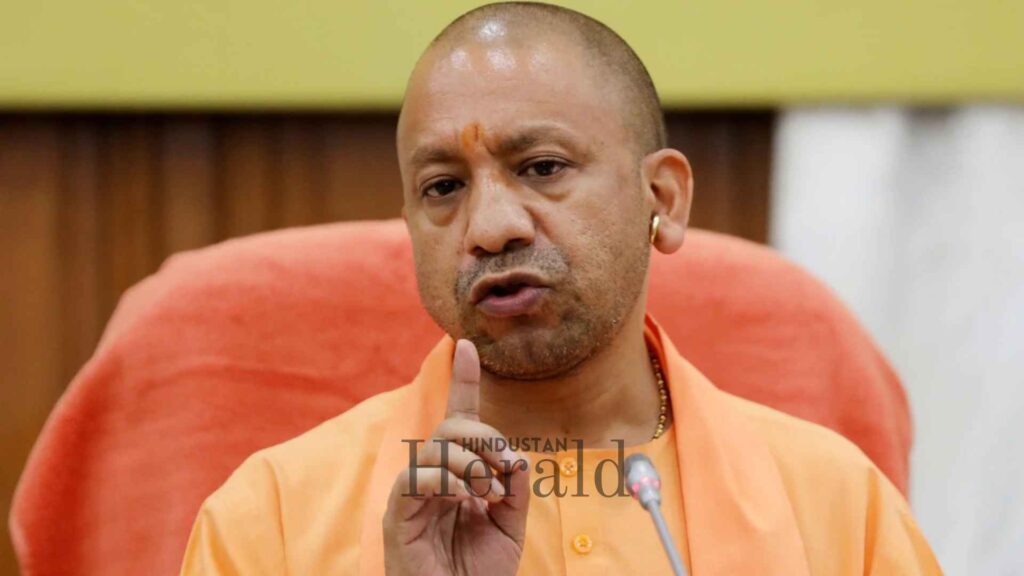
Chief Minister Yogi Adityanath issued a statement expressing condolences and ordered senior officials to reach Mathura immediately. He made clear that those responsible for the violence would face the law without exception.
The district administration took an additional step that went somewhat unnoticed in the noise: it agreed to take over and operate the gaushalas that Farsa Baba had been running in the Barsana area. On the surface, it looks like a tribute. Look more closely, and it is also the state absorbing a private vigilante infrastructure into its official hands, which raises its own questions.
President Droupadi Murmu was in Mathura that very day, around 25 kilometres away, performing the Govardhan Parikrama as part of a three-day visit to Uttar Pradesh. The optics of that proximity added to the political sensitivity around the whole episode.
SP chief Akhilesh Yadav criticised the state government’s handling of law and order after the violence. His criticism, like most opposition commentary on cow protection issues in UP, stayed careful. No party in this state finds it easy to directly challenge the politics that men like Farsa Baba represented.
Why This Keeps Happening
Cow vigilante deaths and the protests that follow them are not new to India’s national news cycle. They surface every few years, always in roughly the same geography, always with the same two competing narratives, and they rarely produce the kind of honest public reckoning that might prevent the next one.
This incident is the latest in a long pattern of violent confrontations between suspected smugglers and vigilante groups in Uttar Pradesh, and it brings back every unresolved question about where community activism ends and extrajudicial action begins.
The central fact here is one that almost no one on either side wants to sit with: Chandrashekhar died not because he was murdered, and not because he was reckless, but because a group of civilians were standing on a busy national highway in near-zero fog visibility at four in the morning, doing a job that is not legally theirs to do. The second truck driver, Khurshid Anwar, also died. He was just driving his truck.
Mathura Police, to their credit, put out a clear public warning against spreading false information and urged citizens to wait for verified updates from official channels before sharing anything related to the incident. It was the right thing to say. It came too late to matter.
Where Things Stand Right Now
As of Sunday evening, a heavy police presence continues across Chhata, Kosi Kalan, and the roads into Barsana. The Provincial Armed Constabulary remains deployed. Thirteen people are already in custody. Given the FIR numbers, more arrests are coming.
The district administration is managing the gaushalas. The highway is open. A tense, supervised calm has replaced the morning’s chaos.
Farsa Baba will be remembered in the villages around Barsana for a long time. To the people who followed him, he was a man of faith who put himself between danger and the animals he considered sacred. That is not a small thing in this part of India, and it should not be dismissed as mere politics.
But the fog was real. The highway was real. The truck was real. And two men are dead who did not need to be.
That truth deserves to be part of the story too.
Stay ahead with Hindustan Herald — bringing you trusted news, sharp analysis, and stories that matter across Politics, Business, Technology, Sports, Entertainment, Lifestyle, and more.
Connect with us on Facebook, Instagram, X (Twitter), LinkedIn, YouTube, and join our Telegram community @hindustanherald for real-time updates.
Regional journalist bringing grassroots perspectives and stories from towns and cities across India.
- Sandeep Verma

- Sandeep Verma
- Sandeep Verma
- Sandeep Verma
 Ananya Sharma