
 By Prakash Nair
Mumbai, April 16: It never really looked like it was going to go any other way. Not after the sixth over. Not after Prabhsimran Singh started meddling with everything. Not once did Shreyas Iyer walk in and do what he has been doing to bowling attacks all season.
PBKS chased down 196 at the Wankhede Stadium tonight with 7 wickets in hand and 21 balls to spare. Comfortable. Clinical. Almost frustratingly so for a Mumbai Indians side that had done everything right in the first half. Quinton de Kock’s extraordinary 112 not out off 53 balls built from the ruins of 12 for 2 deserved a better fate than this. But that is what the Punjab Kings do to good performances by the opposition. They make them feel irrelevant by the time the last ball is bowled.
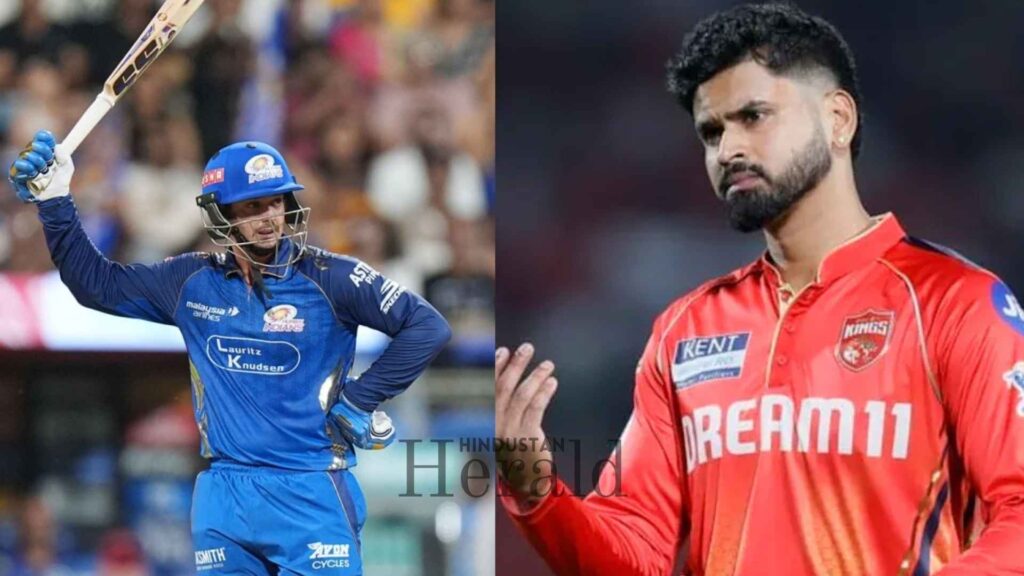
Shreyas Iyer and company made a 200-plus chase look routine yet again. That is the sentence that defines this PBKS team’s IPL 2026 campaign so far. And tonight, at MI’s home ground, in front of a crowd that had dared to believe after de Kock’s heroics, they did it again without breaking too much of a sweat.
MI Gave Everything in the First Half. PBKS Simply Did Not Care.
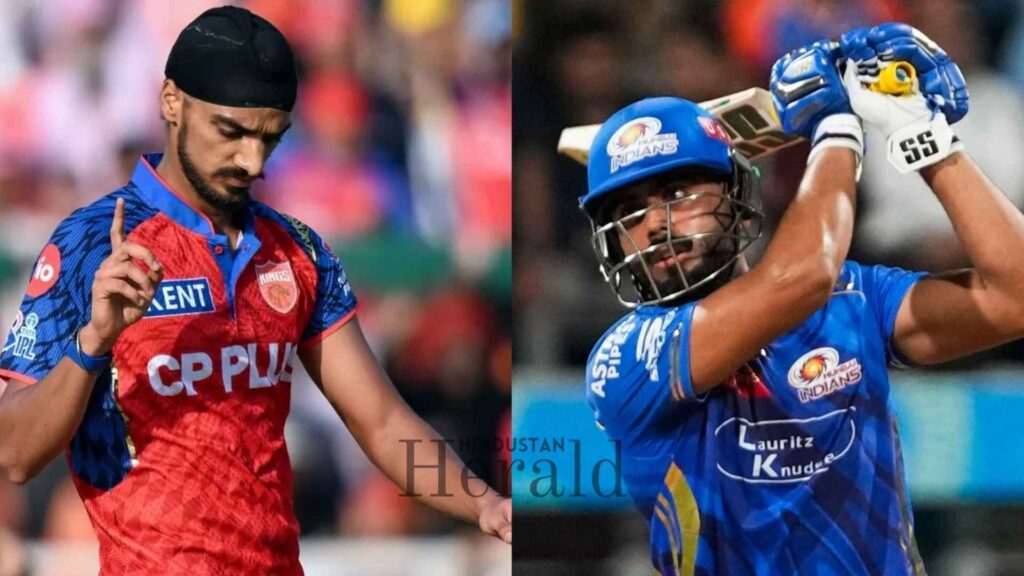
The first innings’ story has already been told. Arshdeep Singh’s brutal second over had reduced MI to 12 for 2. De Kock had then produced one of the great individual knocks of the tournament. Naman Dhir had chipped in with 50 off 31 balls. The 120-run third-wicket partnership had given MI a total of 195 for 5 that had real teeth on paper.
Then PBKS came out to bat, and the paper burned very quickly.
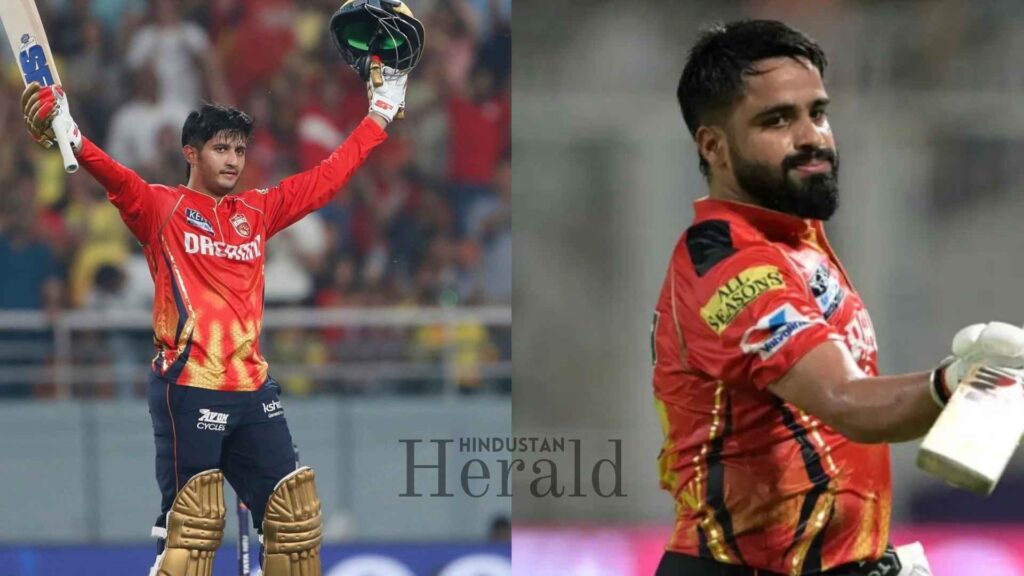
Priyansh Arya and Prabhsimran Singh have become one of the most feared opening partnerships in this tournament, and tonight they gave MI’s bowlers exactly the kind of powerplay they did not want to face. The runs flowed. The boundaries came. The Wankhede crowd, which had been in full voice after de Kock’s innings, started to get that sinking feeling familiar to anyone who has watched this MI side struggle to take powerplay wickets all season.
PBKS were off to a good start, although they lost a couple of wickets. PBKS then cruised towards their target as Prabhsimran Singh inched closer to his half-century, with PBKS on the verge of extending their unbeaten run riding on Prabhsimran and Iyer’s fifties.
Two wickets did fall MI managed to break through and create moments of hope. But they were just that. Moments. PBKS lost those wickets without losing their nerve, without losing their tempo, and without ever really looking like the required run rate was a problem.
Prabhsimran Did the Work. Iyer Did What Iyer Does.
Prabhsimran Singh has been one of the quiet success stories of IPL 2026. He does not get the headlines that Priyansh Arya gets, he does not carry the captain’s aura that Iyer carries, but he has been consistently excellent at the top of the order, anchoring chases while the flashier names around him take the attention. Tonight was another example. He built his innings, kept the run rate under control, and brought up his fifty at a time when PBKS needed someone to keep the chase on track rather than risk it all in a hurry.
Then Iyer arrived. And that, for all practical purposes, was the end of the contest.
He did not need to be explosive. The asking rate was already manageable. What he needed to do was be calm, keep rotating strike, pick his moments, and make sure the lower order never had to do anything difficult. That is exactly what he did. The fifties from both Prabhsimran and Iyer, as per sources close to the match commentary, effectively ended MI’s hopes of a different result long before the final over was reached.
PBKS knocked off the target with 21 balls remaining. Seven wickets down. The Wankhede crowd applauded and then began filing out, some of them already doing the maths on what four losses from five games means for this campaign.
Bumrah. Still No Wickets.
There is no way to write this match report without addressing it directly. Jasprit Bumrah has now gone six consecutive IPL matches without taking a wicket. The economy is fine. The control has not disappeared. But the wickets, the thing that makes him the most dangerous bowler on the planet, have not come. Tonight, against a PBKS batting lineup that was given every opportunity to face him under pressure, they still did not come.
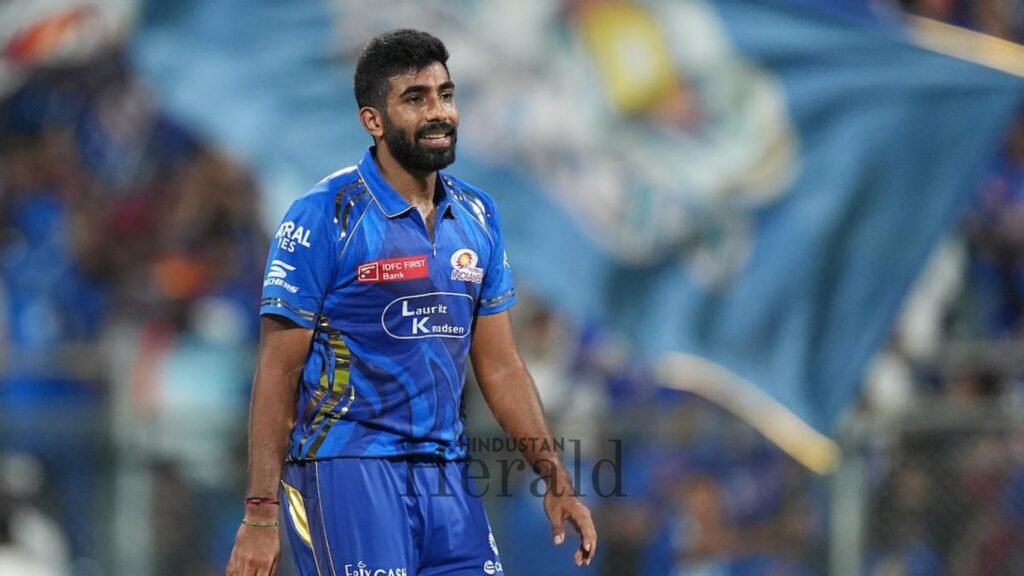
It is a strange, almost unfathomable statistic for a man of his calibre. There will be explanations for batters playing him differently, pitch conditions not suiting his style, and the dewy ball in the second innings making it harder to generate movement. All of those things are true to varying degrees. But none of them fully explain what is happening, and none of them makes it easier for Hardik Pandya to set a field and watch his best bowler return to the dugout wicketless again.
This is now a talking point that goes beyond this match. If Bumrah does not take a wicket in his next game, it becomes a genuine crisis of a different kind, not just a bad patch, but a question about whether something structural has changed.
What This Means for Both Sides
Punjab Kings are now unbeaten through five matches. Four wins and a no-result. They sit at the top of the table alongside Royal Challengers Bengaluru in terms of wins, and they have done it in a way that is starting to look genuinely convincing rather than lucky. Shreyas Iyer and company have made 200-plus chases look routine yet again. This is now a pattern, not a coincidence. The batting depth, the trust in each other’s ability in pressure situations, the calm that Iyer brings from the top of the dressing room, all of it is showing up in results.

Mumbai Indians, on the other hand, are in deep trouble. Five games played. One win. Four losses. They sit ninth on the table, and their remaining fixtures are not easy. Rohit Sharma remains out with his hamstring. Mitchell Santner is missing. And the bowling attack, despite de Kock’s heroics giving them a fighting total tonight, simply does not have the wicket-taking threat to defend anything when the conditions help the batting side.
The de Kock innings was brilliant. It deserved a different outcome. But this is not a team that can rely on one exceptional performance every game to keep itself alive. At some point, the bowling has to take wickets. The middle order has to fire alongside the top. Tilak Varma and Suryakumar Yadav cannot both misfire in the same innings repeatedly and expect different results.
The Scoreboard Says Everything
Mumbai Indians: 195 for 5 (20 overs) Quinton de Kock: 112 not out (53 balls) Naman Dhir: 50 (31 balls) Arshdeep Singh: 2 wickets (powerplay burst) Shashank Singh: 1 wicket (key dismissal of Naman Dhir)
Punjab Kings: Won by 7 wickets (17.3 overs) Prabhsimran Singh: fifty Shreyas Iyer: fifty not out Result: PBKS won with 21 balls to spare
The Bigger Picture
This match will be remembered for two things. De Kock’s century, which was genuinely exceptional and deserved a far better platform than a losing cause. And PBKS’s chase, which was the clearest evidence yet that this team has something different about it a belief system, almost, that makes big totals feel small.
For MI, the road back is steep. The campaign is not mathematically over. But it is heading somewhere that requires a fundamental shift in personnel once Rohit returns, in bowling plans, in the collective confidence of a batting lineup that cannot keep depending on one person to rescue every innings.
Shreyas Iyer is 4-0 in wins this season and has not once looked troubled in a chase. That is the kind of form that wins tournaments. And tonight, at the home of the Mumbai Indians, the team that eliminated him from IPL 2025’s Qualifier 2, which he turned around into their first final in eleven years he delivered another quiet, devastating reminder of exactly who he is.
Stay ahead with Hindustan Herald — bringing you trusted news, sharp analysis, and stories that matter across Politics, Business, Technology, Sports, Entertainment, Lifestyle, and more.
Connect with us on Facebook, Instagram, X (Twitter), LinkedIn, YouTube, and join our Telegram community @hindustanherald for real-time updates.
Sports reporter covering cricket, football, and Olympic disciplines, with on-ground event experience.
- Prakash Nair

- Prakash Nair
- Prakash Nair
- Prakash Nair