
 By Arun Upadhayay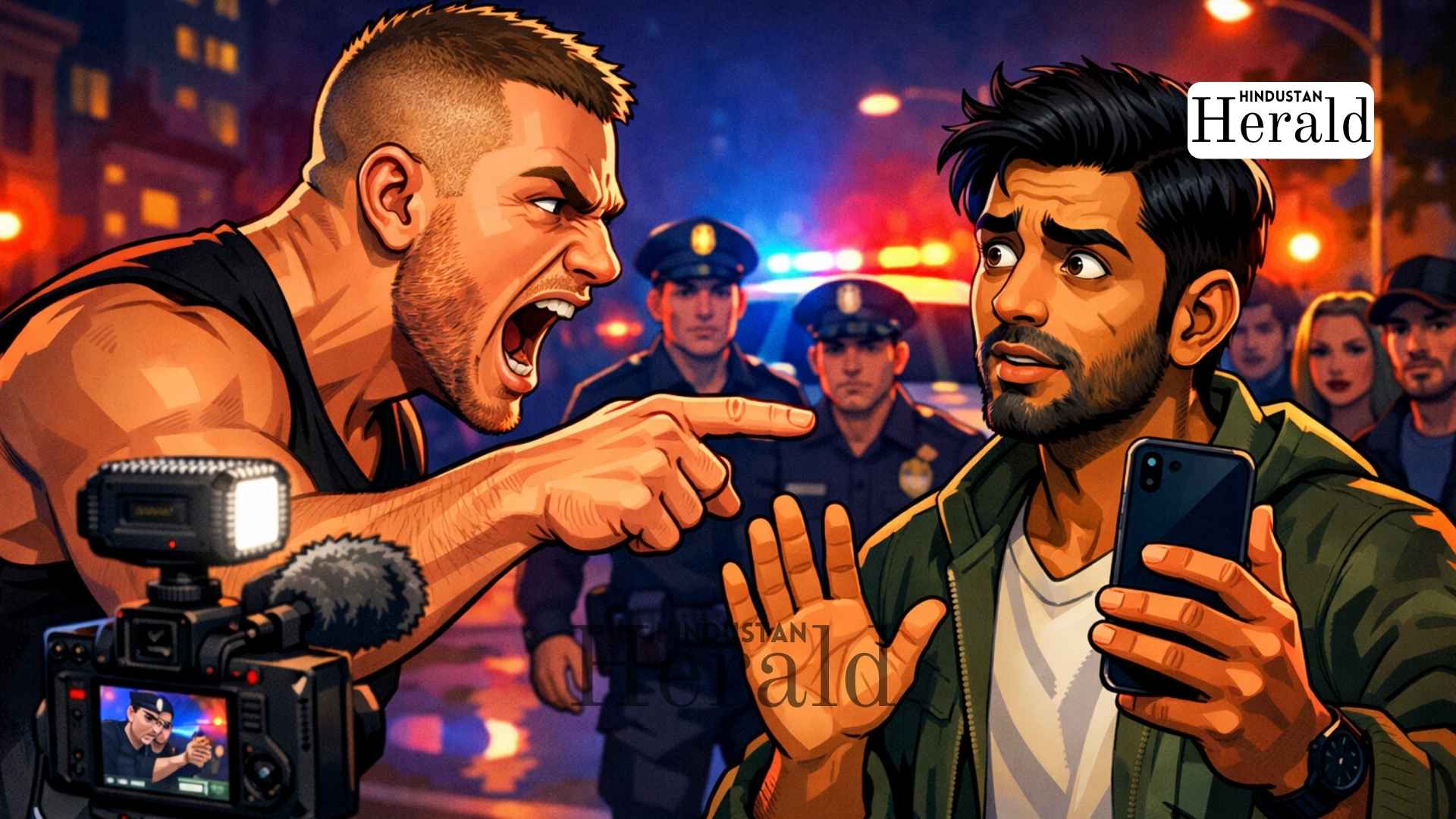
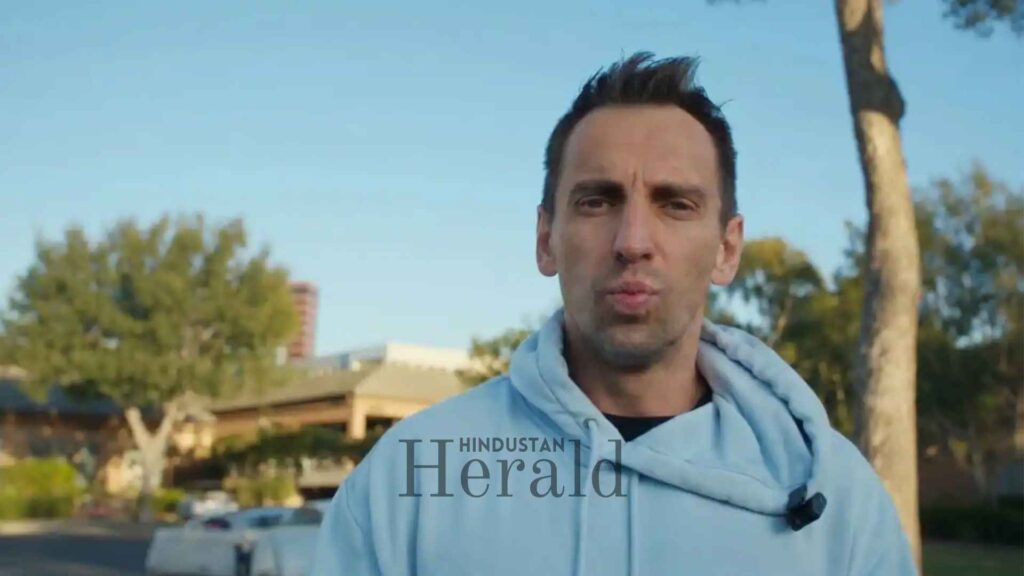
New Delhi, April 16: Russian-American YouTuber and Kick streamer Vitaly Zdorovetskiy, who commands millions of followers across platforms and recently returned to the public eye after a nearly 300-day detention in the Philippines, is now at the centre of yet another crisis, this one entirely of his own making. On April 13, 2026, during a live broadcast of his self-styled vigilante series “Catching Child Predators,”
Zdorovetskiy and his team publicly confronted and falsely accused a man named Akash Singhania of attempting to meet a minor for sex. The accusation, broadcast live on Kick, was completely wrong. Police cleared Singhania on the spot. Zdorovetskiy has since apologized, deleted the footage, and pleaded with followers to stop circulating the clips. None of it has caused damage.
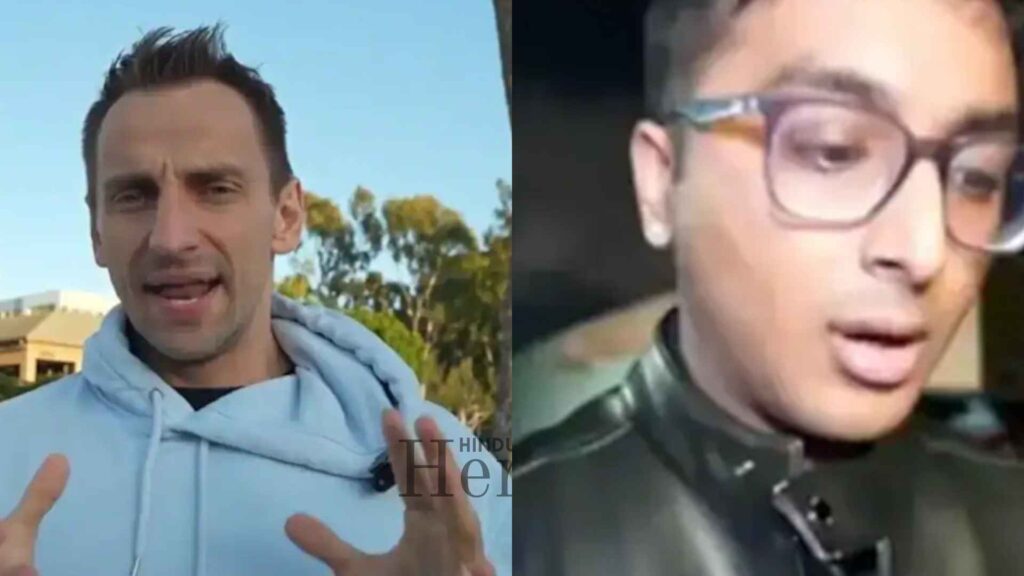
Singhania has now retained what he describes as one of the best defamation lawyers in the country and is preparing a multi-million dollar lawsuit. The incident has reignited a long-running debate over vigilante content on social media, whether it protects children or simply endangers innocent people for their views.
What Happened During the Livestream
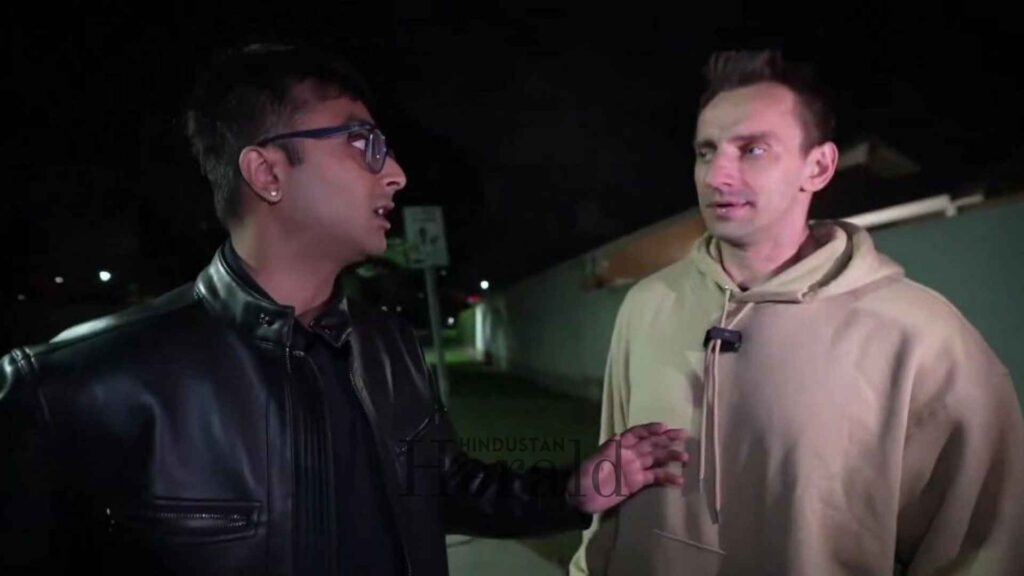
Zdorovetskiy was conducting his “Catching Child Predators” segment when he approached Singhania and began accusing him of wanting to sexually assault a minor. The broadcast, which ran for roughly six minutes and twenty-one seconds before being pulled, showed an aggressive on-camera confrontation in what appeared to be a public or semi-public setting in the Santa Ana area of California.
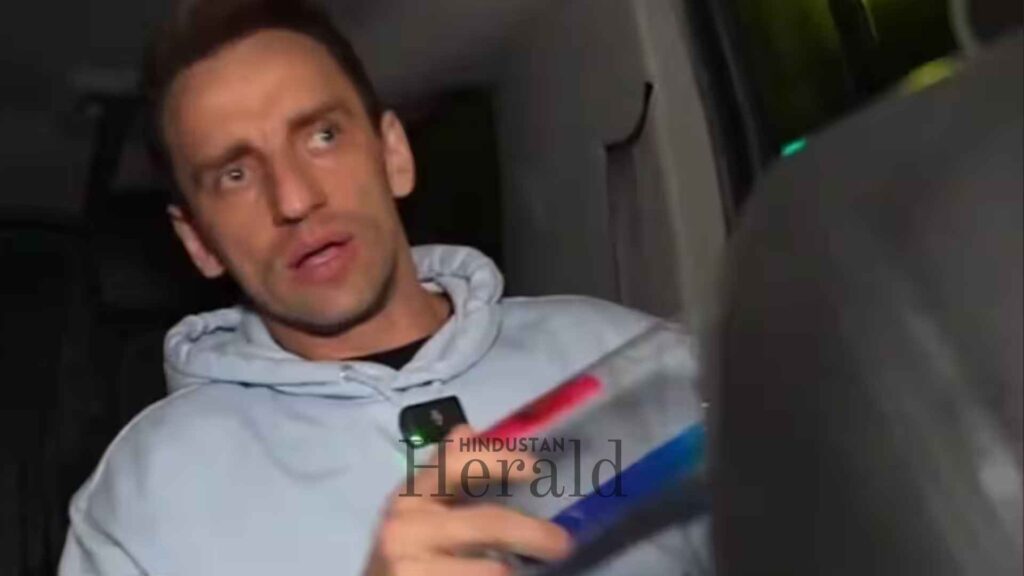
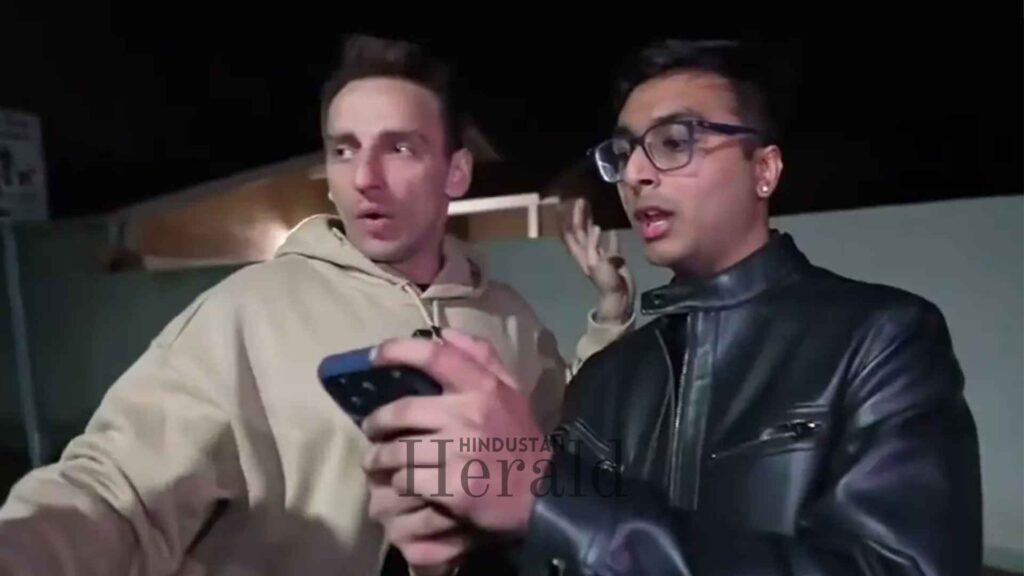
During the confrontation, Zdorovetskiy asked Singhania directly, “You want to rape a 16-year-old?” to which Singhania responded by showing his phone to the camera, insisting the girl had told him she was 18, and repeating, “I swear to God, I don’t move like that.”
A young woman, described as “the girl in question,” was also present at the scene and initially sided with Vitaly’s version of events, telling him she had informed Singhania that she was 16. Singhania maintained he was not the one she had been messaging and that there had been a misunderstanding over who she was actually communicating with.
The stream ended when police arrived at the scene. The Santa Ana Police Department investigated and determined that Singhania had not committed any crime and was found to be non-threatening.
That ought to have been the end of it. It was not.
By the time the stream was taken down, the clip had already been screenshotted, clipped, and shared across X, YouTube, and Reddit. Zdorovetskiy’s apology post alone received 2.2 million views on and with it came the relentless harassment that follows any viral accusation of this nature online. The damage, as Singhania would later make clear, was already done.
Singhania Speaks Out and Lawyers Up
In a detailed statement shared on X, Singhania described the personal toll of the episode. He wrote, “My world was turned upside down this weekend. I was wrongfully portrayed as someone attempting to engage in inappropriate conduct. This accusation is completely false.”
He credited both Zdorovetskiy’s subsequent admissions and the police response: “Since then, Vitaly has publicly acknowledged, through both written and video statements, that this was a mistake. Additionally, the officers from the Santa Ana Police Department, who I called to the scene, conducted their own assessment and confirmed that I am innocent of any wrongdoing.”
Singhania specifically thanked officers Renald Galstian, Lorenzo Sanchez, and Joanna Hatziefstratiou for their role in his clearance.Still, gratitude toward law enforcement did not paper over the real-world fallout. He highlighted the damage caused by the false accusation, saying, “
The impact of the false accusation has been significant. I have experienced harassment, judgment, and damage to my personal and professional relationships based on something that has now been proven false.”
In a separate text message exchange obtained by online account KickChamp, Singhania stated that he had retained “one of the best defamation lawyers in the country” and noted there had been “complete and total cooperation from the police department” regarding his innocence. He is now officially pursuing a multi-million dollar defamation lawsuit against Zdorovetskiy.
The Apology and Its Limits
After the backlash intensified, Zdorovetskiy issued a written public apology on social media. He wrote, “My team and I mistakenly portrayed Akash Singhania as a child predator. This was a mistake that I deeply regret. He never intended to meet a minor and has been cleared of all wrongdoing.”
He extended his apology to “Mr. Singhania, his family, his friends, and anyone else affected by this mistake” and attempted to distinguish between the incident and his broader stated mission: “The work we do to expose predatory behavior is of the utmost importance, but in doing so, we cannot lose sight of the truth.”
He confirmed he had removed the video from all his accounts and urged others who had saved copies to do the same, adding that he has never encouraged viewers to contact people featured in his videos and asking that anyone attempting to reach Singhania “cease at once.”
For many observers, the apology, however swift and seemingly sincere, raised more questions than it answered. How exactly did Zdorovetskiy’s team misidentify Singhania? In one exchange, Zdorovetskiy was quoted as saying, “The Snapchat messages got messed up, it was the wrong time, wrong place.”
That explanation of a Snapchat mix-up is almost startling in its casualness, given the gravity of the accusation that followed. Being wrongly branded a child predator on a live broadcast watched by hundreds of thousands of people is not a minor clerical error.
A Pattern of Controversies
Zdorovetskiy is not a stranger to serious legal and ethical trouble. His vigilante content has been contentious almost from the start, but recent years have produced a string of incidents that go well beyond internet drama.
In November 2024, a Hollywood screenwriter filed a lawsuit against Zdorovetskiy. The plaintiff stated that Zdorovetskiy’s vigilante group “wrongfully accuses their victims of pedophilia by filming them with men in their 20s and then after-the-fact claiming the men are minors,” and alleged that he was targeted as a gay man working in the entertainment industry.
Before the Singhania incident, Zdorovetskiy also spent the better part of 2024 and early 2025 in Philippine detention. He was transferred to the custody of the Bureau of Jail Management and Penology in June 2025 and was eventually deported to Russia on January 18, 2026, after his criminal cases were resolved. His release followed a 290-day prison stay, after which he returned to the internet and resumed streaming.
Following his deportation, Zdorovetskiy appeared in a livestream with online personality Adin Ross and alleged that he had been held in isolation for three months and subjected to inhumane conditions. He also claimed to have secretly recorded footage inside the detention facility by bribing guards, saying he “vlogged the whole experience” and intended to “expose the corruption” he witnessed.
Following the circulation of those posts, Philippine authorities accepted the resignation of a warden while two deputy wardens and three other officials were relieved from their posts.
He had barely been back a month before the Singhania incident occurred. The pattern raises a reasonable question: is this a case of an imperfect but well-intentioned operation making an honest mistake, or is the entire format structurally dangerous one where speed, live broadcast pressure, and the lure of viral engagement make catastrophic errors not just possible but likely?
A Racial Element That Cannot Be Ignored
One detail from the Santa Ana confrontation that has drawn considerable attention online is a remark Zdorovetskiy made during the heated exchange. During the confrontation, Zdorovetskiy was heard saying, “You are one of those tech Indians, smart ones huh,” and suggested that Singhania might have been operating multiple Snapchat accounts. The video also showed the YouTuber making remarks that were widely described as racist.
The fact that Singhania is Indian-American and that these remarks were made during a false public accusation of one of the most serious crimes a person can be charged with has not gone unnoticed in South Asian online communities.
The incident is now being discussed beyond just the streaming-culture bubble, with some commentators pointing to a broader unease about how vigilante content online tends to target, misrepresent, or profile certain communities.
The Bigger Question: Is This Format Responsible at All?
The Vitaly-Singhania episode is being discussed in the context of a wider debate about citizen vigilante media content, where online influencers position themselves as de facto law enforcement, conducting amateur sting operations and broadcasting confrontations live to audiences that can number in the hundreds of thousands.
Proponents argue that such content serves a genuine public good, filling gaps where law enforcement either cannot or does not act quickly enough. Critics, meanwhile, have long maintained that these formats are inherently prone to error, that they lack due process entirely, and that the reputational damage inflicted on even a wrongly accused person can be permanent and devastating particularly given how quickly such clips spread online.
This case underscores the serious consequences that can arise from making false public accusations, even in the context of exposing real wrongdoing. It highlights the need for thorough verification and due process to avoid causing unintended harm to innocent lives.
Singhania’s case is a particularly stark illustration of the asymmetry involved. Zdorovetskiy commands a massive audience. He could delete the video. He could issue an apology. His platform absorbs the controversy and, if recent history is any guide, continues.
Singhania, a private individual with no such platform, is left to manage the harassment, the professional fallout, and the reputational wreckage all without having done anything wrong.
That said, the lawsuit, if pursued successfully, could prove to be a watershed moment for this category of content. Multi-million dollar defamation verdicts have a way of making content creators and their teams think more carefully before broadcasting unverified accusations to mass audiences.
Where Things Stand Now
As of April 16, 2026, Singhania has retained legal counsel and is moving forward with defamation proceedings. Zdorovetskiy has deleted the broadcast and issued multiple public apologies.
The Santa Ana Police Department has confirmed Singhania’s innocence. No charges have been brought against Zdorovetskiy in connection with this specific incident, though the civil case is expected to proceed.
For now, the internet has moved on to the next controversy. Singhania has not. And that, perhaps more than anything else about this episode, is the detail that should sit uncomfortably with anyone who watches or supports this category of content.
Stay ahead with Hindustan Herald — bringing you trusted news, sharp analysis, and stories that matter across Politics, Business, Technology, Sports, Entertainment, Lifestyle, and more.
Connect with us on Facebook, Instagram, X (Twitter), LinkedIn, YouTube, and join our Telegram community @hindustanherald for real-time updates.

- Arun Upadhayay

- Arun Upadhayay
- Arun Upadhayay
- Arun Upadhayay




 Ayesha Khan
  Prakash Nair and Ayesha Khan