
 By Ananya Sharma and Kavita Iyer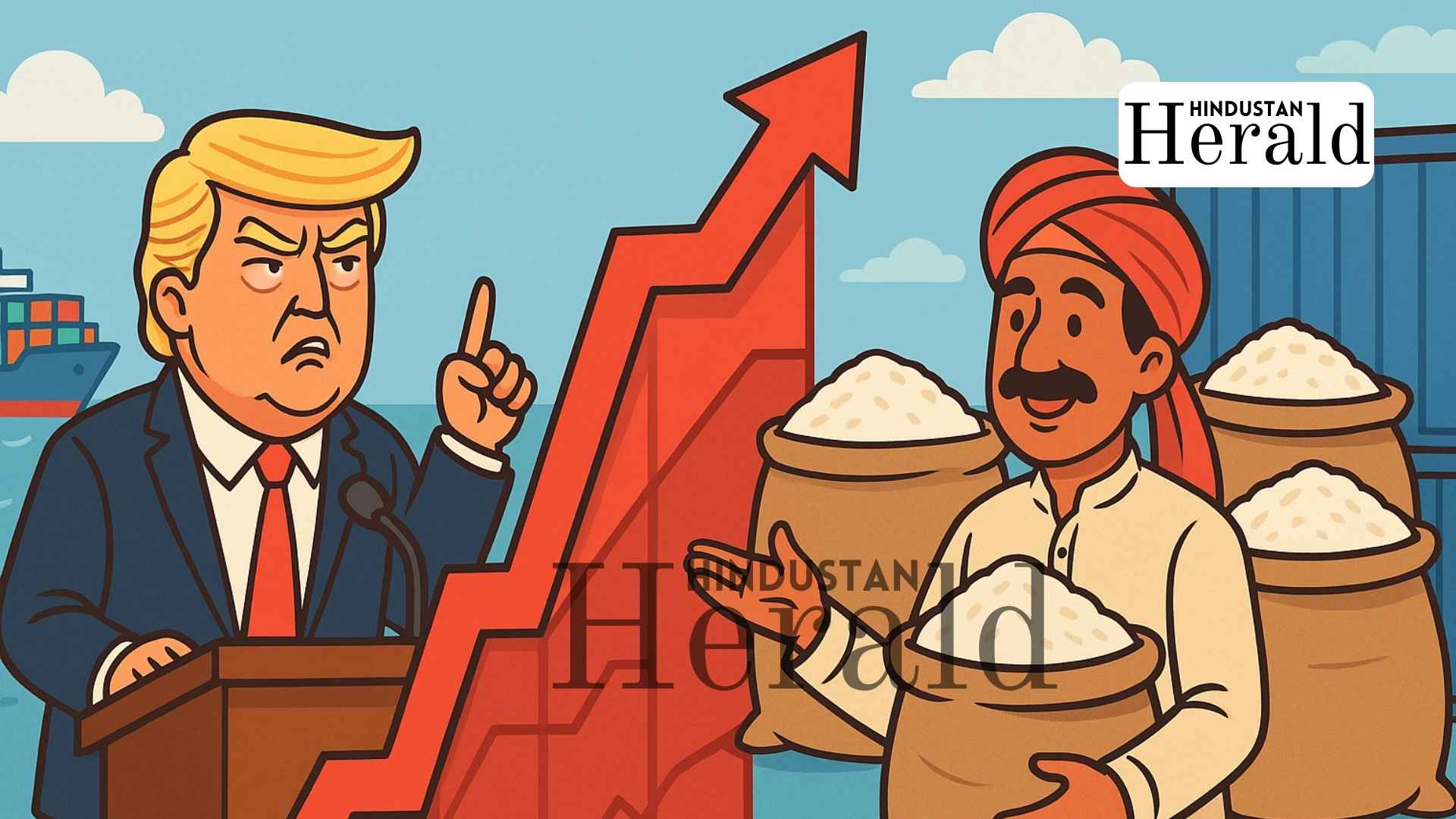
New Delhi, December 9: The tariff clouds are back over the India-US corridor, and this time they rolled in fast. When Donald Trump suggested that Indian rice might soon face new duties in the US, it caught everyone from farmers to stock traders off guard. His remarks, carried by The Economic Times, also took a swipe at Canadian fertiliser, accusing both countries of undercutting American producers.
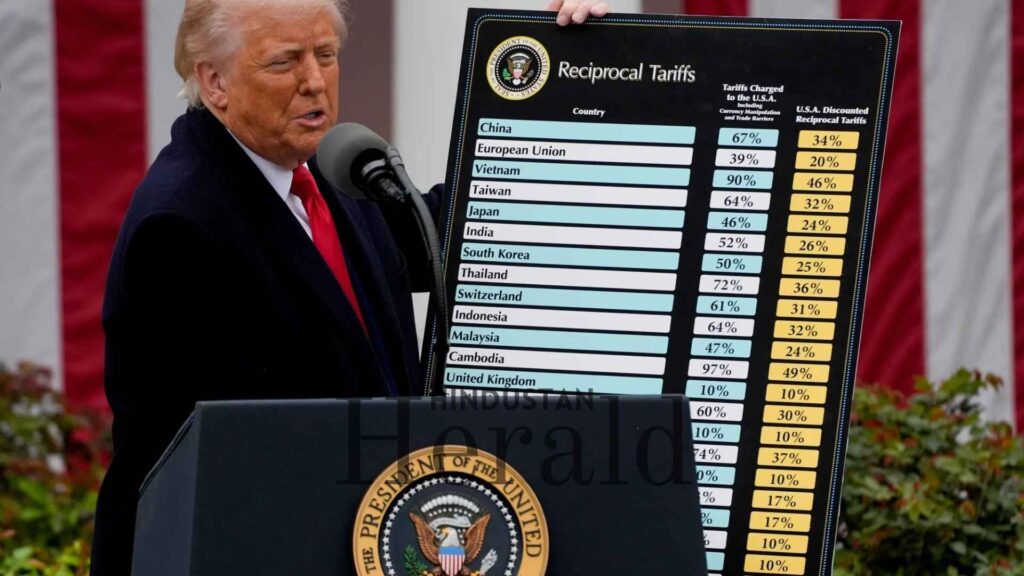
It sounded, at first, like one more Trump flourish. Then the numbers started moving. And that is when it became clear the comment had real weight.
Indian Rice Stocks Tumble As Panic Creeps In
The earliest signs of trouble came from the markets. Shares of LT Foods sank nearly 8 percent, and KRBL and other exporters followed them down. As Moneycontrol reported, investors reacted instantly. The message was simple. If the US, a premium market for Indian basmati, slammed the door even halfway, companies would be scrambling to find alternative buyers.
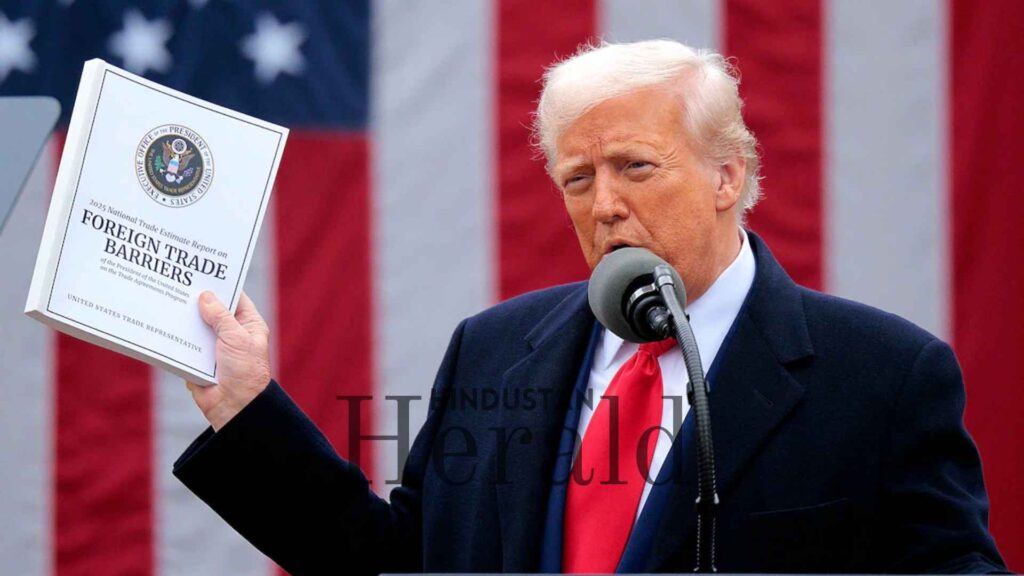
Exporters have seen the writing on the wall before, but this one felt particularly abrupt. With tariffs on several Indian goods already sitting at 50 percent, according to recent entries chronicling the 2025 US India trade standoff, nobody wanted to imagine what a new layer of penalties might look like.
People in the rice trade will tell you that losing the US hurts not just the balance sheet but the brand value built over decades. It is one thing to talk about diversification. It is quite another to wake up and realise a shipment on the water may suddenly be priced out of the very market it was built for.
A US Farm Relief Package Hints At The Real Politics In Play
If the motives behind the tariff talk seemed unclear, AP News offered a clue. The US government just announced a 12 billion dollar farm relief package, funded through tariff revenue, to help agricultural producers squeezed by past trade fights.
Once you place that next to Trump’s remarks, the logic snaps into place. Farmers remain one of the most loyal political bases for him. A tough stance on imports, especially from big suppliers like India, is a reliable applause line. The relief money softens any blowback at home, even if it stirs tension abroad.
Trade experts in Delhi often joke that US farm policy is a “domestic election campaign dressed as foreign policy.” This week, the line felt painfully accurate.
China’s Trade Momentum Undercuts Washington’s Claims
The global backdrop, meanwhile, refuses to cooperate with Washington’s narrative. The Wall Street Journal reported that China’s manufacturing engine is still humming, with its trade surplus pushing past 1 trillion dollars. For a country supposedly under tariff pressure, it is hard to tell anything is dragging it down.
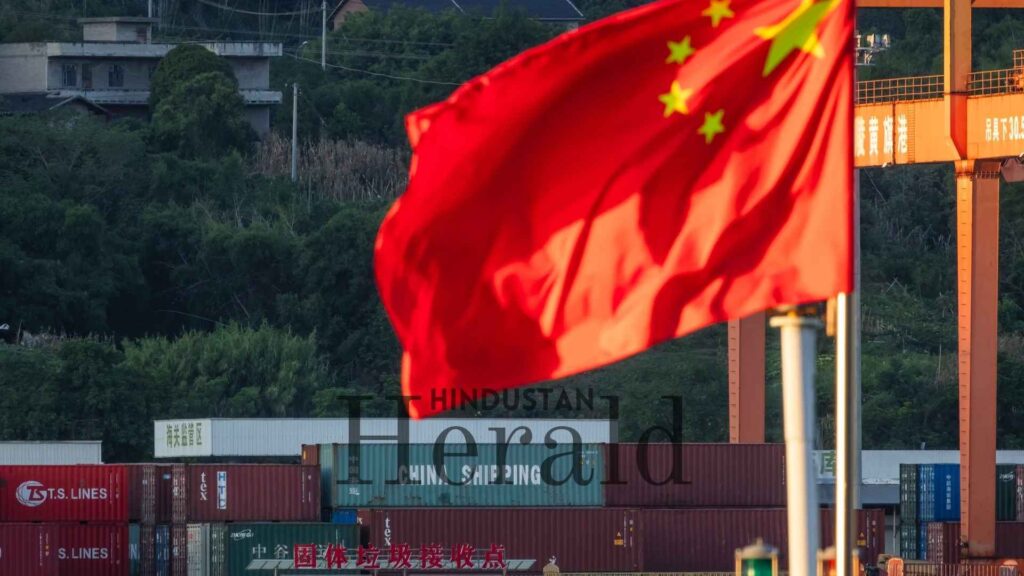
In a way, this is what frustrates policymakers from Brussels to Bengaluru. Tariffs were sold as a tool to level the field. Instead, global shipping lanes reorganised themselves, and buyers simply adjusted their sourcing. According to Reuters, even China’s Premier Li Qiang admitted that the distortions from these trade battles are becoming hard to ignore. Yet China’s core competitiveness looks intact.
Inside The US, Not Everyone Is Cheering
While Washington champions tariffs as a shield for American workers, the picture on the ground is not quite that tidy. NJ Spotlight News reported that small businesses in New Jersey are struggling with rising energy and input costs, much of it made worse by tariffs that complicate supply chains.
These firms do not have the lobbying muscle of the agricultural sector. They simply absorb costs until they cannot. And their frustration is beginning to show.
India Faces A Familiar Dilemma: Retaliate Or Absorb
In New Delhi, the reaction has been cautious. Officials know the cycle well. One harsh statement from Washington, then a scramble to assess the fallout, then hurried diplomatic calls to bring temperatures down. According to Jagran, India and the US are set to meet this week, with discussions likely to touch on rolling back a 25 percent tariff on certain goods.
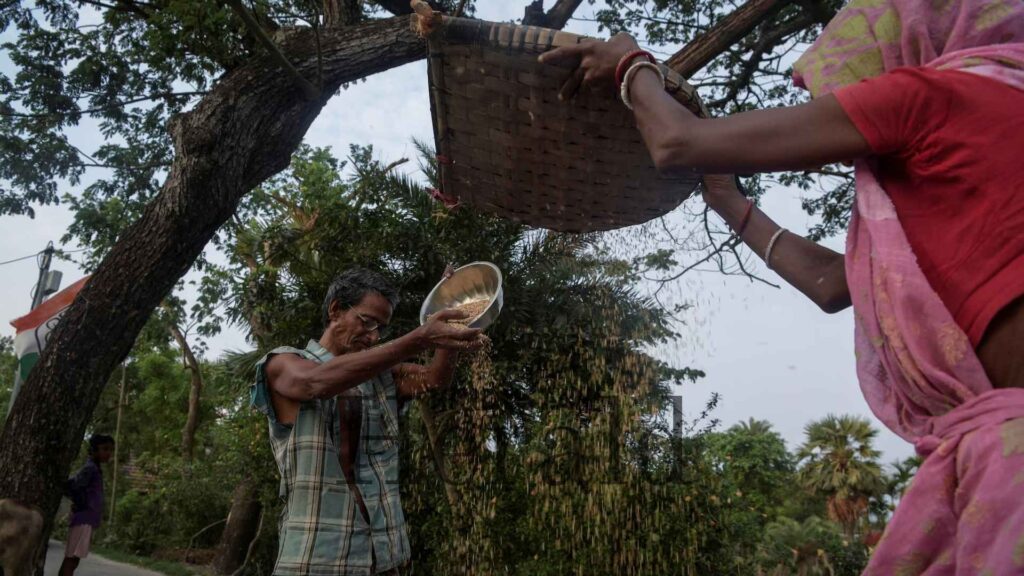
If new rice-specific duties are approved, Indian exporters will need to push harder into West Asian, African, and Southeast Asian markets. These destinations buy a lot of Indian rice, but the margins and consumer segments differ widely. It is rarely a clean swap. Routes must be reworked, buyers approached, and domestic millers warned about changing demand.
One exporter put it bluntly in a conversation earlier this year: “The tariff is a problem, yes. But the surprises are worse.” That sentiment hangs heavily over this latest flare-up.
Agriculture And Fertiliser Get Pulled Back Into The Trade Crossfire
The tariff noise is not limited to rice. Fertiliser, of all things, is back in the headlines. As The Economic Times noted, the US is also scrutinising Canadian fertiliser for alleged dumping. The implications of disrupting fertiliser flows are enormous. They cut straight into food security, planting cycles, and price stability.
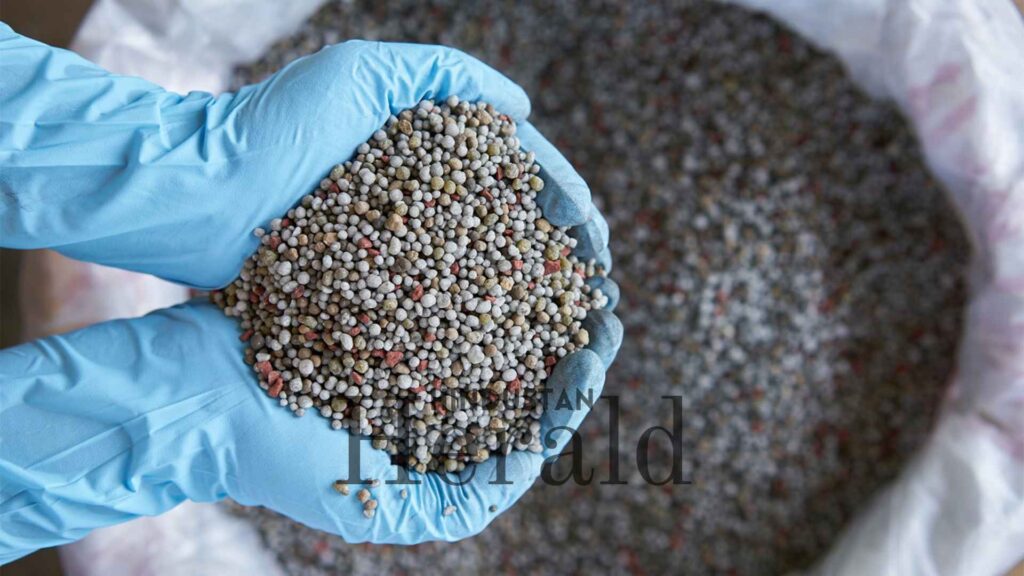
When agricultural commodities become bargaining chips, the shockwaves tend to hit countries that have little to do with the original dispute. This is why governments in Asia and Africa are watching every twist in this story far more closely than usual.
Tariffs Become A Go-To Weapon In Multiple Disputes
India is not the only country on edge. As per Al Jazeera, Trump recently slapped a 5 percent tariff on Mexico in a disagreement linked to a water treaty. The signal is unmistakable. Tariffs are not a last resort anymore. They are the first move.
For businesses, that unpredictability makes long-term decisions almost impossible. Plants cannot be relocated overnight. Supply contracts cannot be rewritten every election cycle. Yet here the world is, trying to do exactly that.
A Lot Now Depends On What Happens Behind Closed Doors
The coming week will likely set the tone for India-US trade through the months ahead. If negotiators manage even a modest breakthrough, markets may steady, and exporters will get some breathing room. If talks stall, the tariff conversation could expand into sectors nobody is currently thinking about.
The global mood is tense, not dramatic. It feels less like a crisis and more like a slow turning of the gears toward a rougher trading world. Countries can adjust. Companies will adapt. But each time a tariff threat lands without warning, the space for predictable, rules-based trade gets a little smaller.
Stay ahead with Hindustan Herald — bringing you trusted news, sharp analysis, and stories that matter across Politics, Business, Technology, Sports, Entertainment, Lifestyle, and more.
Connect with us on Facebook, Instagram, X (Twitter), LinkedIn, YouTube, and join our Telegram community @hindustanherald for real-time updates.

Covers Indian politics, governance, and policy developments with over a decade of experience in political reporting.
- Ananya Sharma

- Ananya Sharma
- Ananya Sharma
- Ananya Sharma





Former financial consultant turned journalist, reporting on markets, industry trends, and economic policy.
- Kavita Iyer
- Kavita Iyer
- Kavita Iyer
- Kavita Iyer




 Sandeep Verma