
 By Sandeep Verma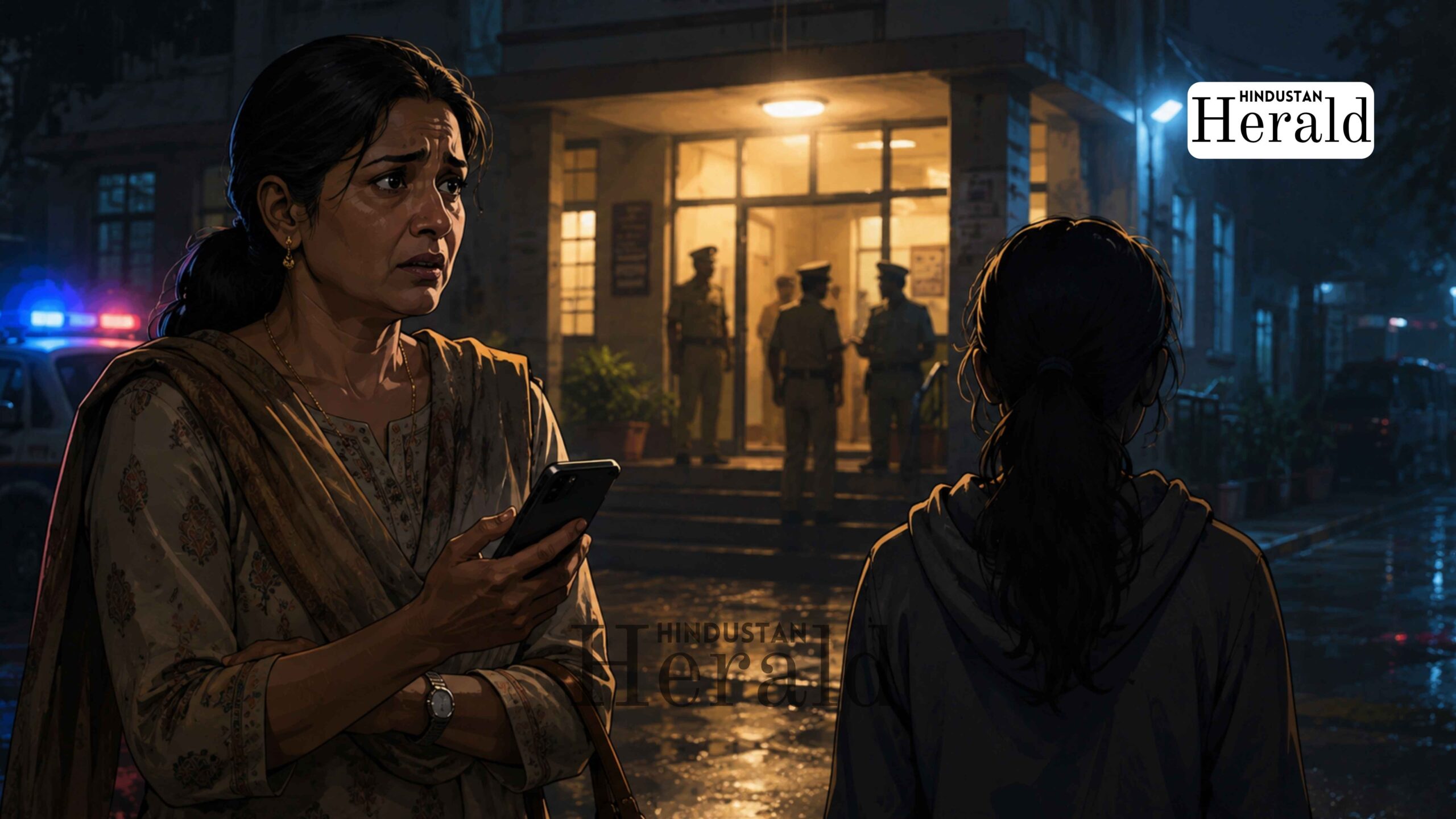
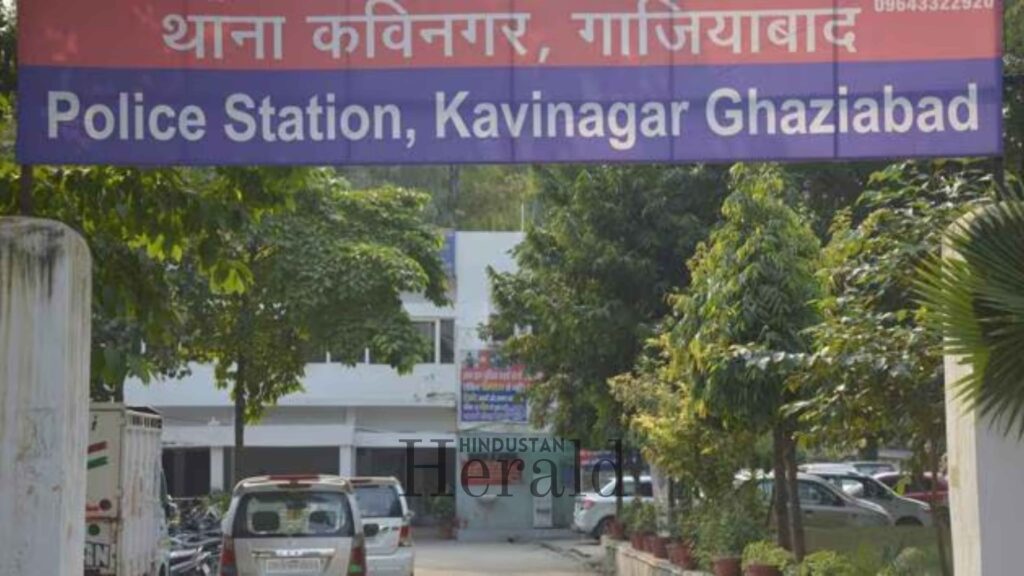
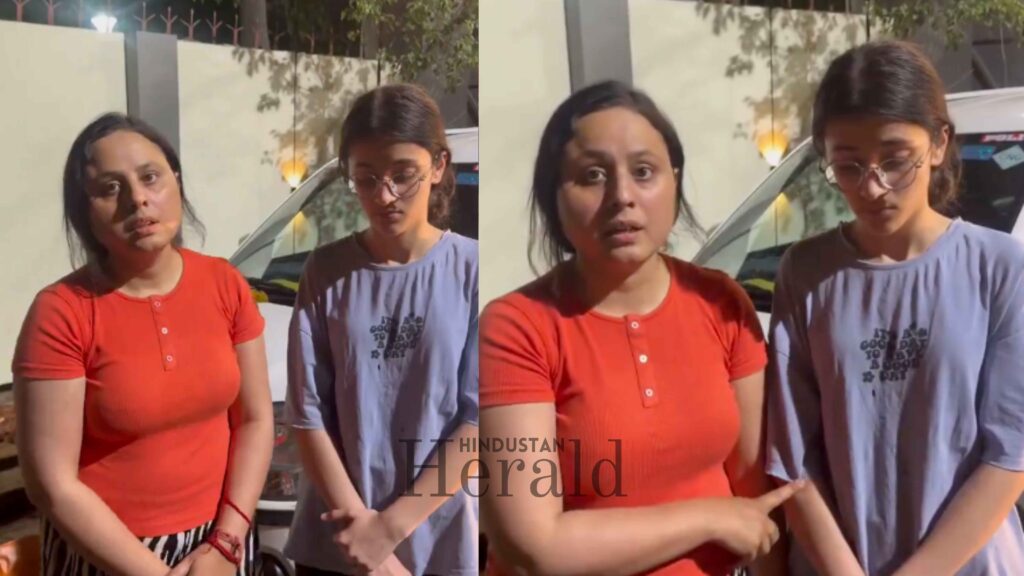
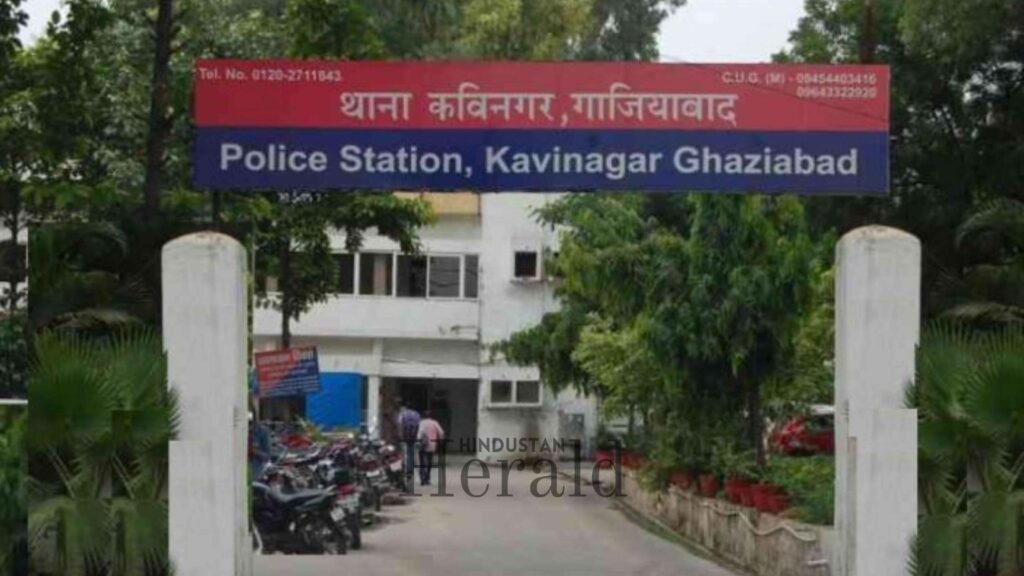
Ghaziabad, May 7: She had been standing there for over two hours. Inside the Kavinagar police station in Ghaziabad, a mother held her phone up and began recording. Not because she wanted to go viral. Because she had run out of options.
Her daughter is 14 years old.
The girl had stepped out to buy some household items from a nearby shop. Routine errand. The kind children do every day in every neighbourhood across this country. But according to the family, a man identified as Babbal Chaudhary directed the minor to a secluded section of the premises, a spot the family referred to as “Mandar Kone,” on the pretext that certain goods were stored there. Once there, he allegedly touched her inappropriately. When she pushed back and ran out, she went to another person, Prasad Chaudhary, looking for help.
He allegedly threatened to kill her. To shoot her.
So the family came to the police station. And waited. And waited.
The Video Nobody in the Mainstream Press Wanted to Run
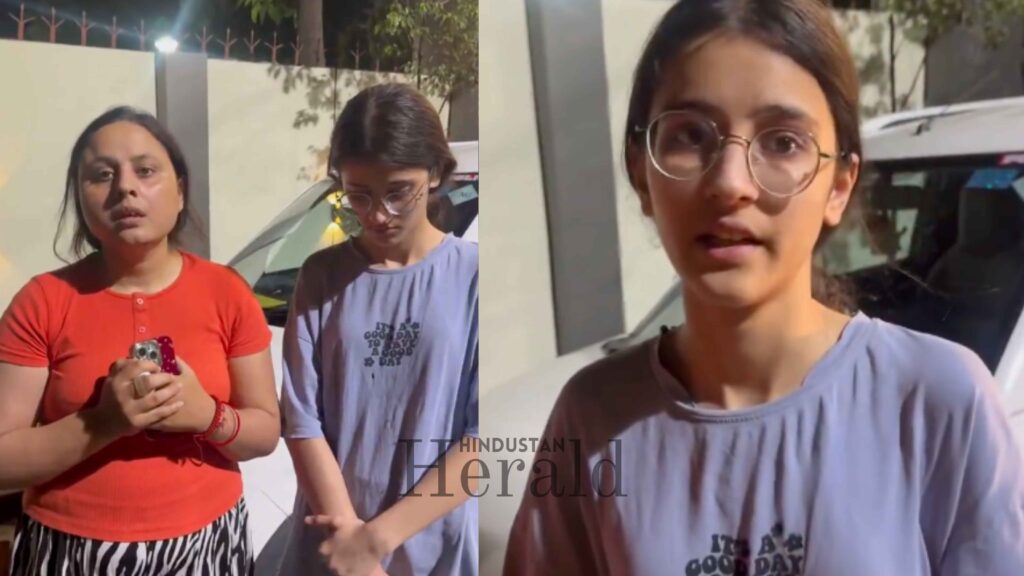
The clip, posted on X by user @mrjethwani1 on May 7, 2026, is not easy to watch. The mother speaks directly into the camera, addressing Chief Minister Yogi Adityanath by name. Her voice does not waver the way you might expect. It is controlled, deliberate, the way a person sounds when they have already cried and now they are just trying to be heard.
“Yogi ji,” she says, “you say that Yamraj is standing at every border for the safety of women. Where is that Yamraj?”
She had been at the station for more than two and a half hours at that point. No update. No officer explaining the delay. Nothing.
Her daughter then speaks. The girl describes being lured to the back of the shop, being touched without consent, running out. Her words are not polished. She stumbles a little. That is exactly why they land so hard.
“I am very scared right now,” the mother says near the end. “I don’t have any words.”
There is nothing performative about it. This woman was not staging a protest. She was begging.
What the Law Actually Requires
Here is where the institutional failure, if confirmed, becomes more than just a human tragedy. The victim is 14 years old. That places this case squarely under the Protection of Children from Sexual Offences Act, 2012, better known as POCSO. Under Section 19 of that law, police are not permitted to sit on a complaint. They are legally bound to act on it immediately. There is no discretion available to them. No “we’ll look into it.” No waiting room.
If the family’s account is accurate and no FIR had been registered after two and a half hours, that is not a procedural grey area. That is a statutory violation.
Beyond POCSO, the threats allegedly made by Prasad Chaudhary warning the girl she would be killed, that she would be shot carry their own set of charges under the Bharatiya Nyaya Sanhita. These are not minor additions. Threatening a minor witness in a molestation case is serious on its own.
As of the time of filing, no FIR number, no confirmed arrest, and no official statement from the Kavinagar SHO or the Ghaziabad Police Commissionerate was available. This publication has sought comment and will update the report when a response arrives.
Kavinagar’s Uncomfortable Track Record
This is not the first time Kavinagar police station has found itself on the wrong side of a court’s patience. In 2023, as reported by Amar Ujala, a local court issued an order to file a case against the station’s own in-charge after the police failed to submit a chargesheet in a molestation matter. The court had to step in and force accountability that should have come automatically.
That was three years ago. The pattern, it seems, has not shifted in any meaningful way.
The Rhetoric and the Reality
Yogi Adityanath has built much of his public image in Uttar Pradesh around the promise of safety for women. His government launched Mission Shakti, deployed anti-romeo squads across districts, and has repeatedly invoked the idea that criminals fear his administration. He has used the “Yamraj at the border” line more than once as a rhetorical anchor.
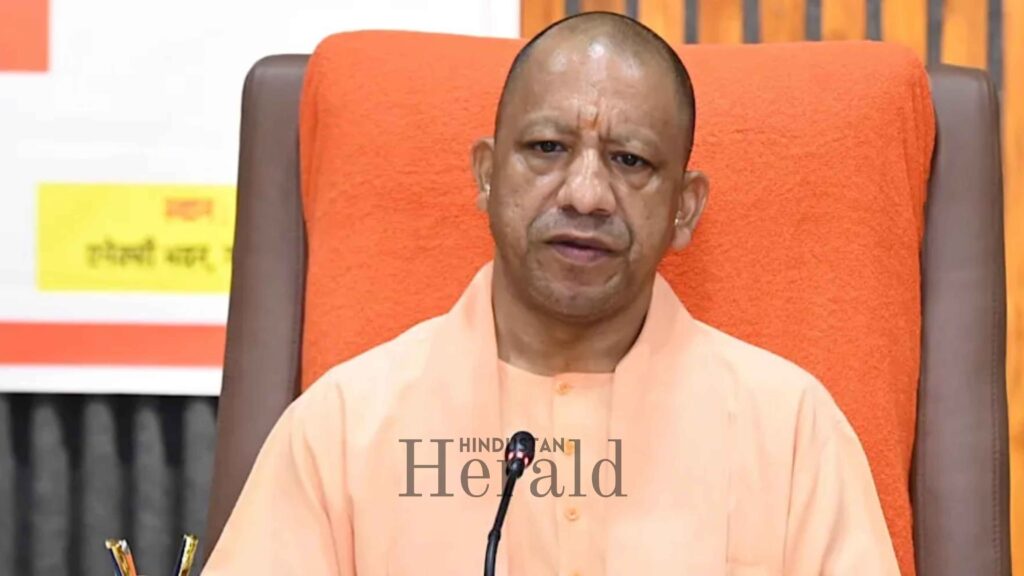
The mother in that video used it back at him, word for word. That is what made the clip travel.
It is worth being precise here, though. A single video, however raw and compelling, is one piece of a case that is still developing. Social media moves fast and context sometimes gets lost. Whether the police were in the process of registering the complaint, whether there were procedural steps underway that weren’t visible on camera, whether the FIR was filed shortly after the recording ended these are questions that deserve answers before final conclusions are drawn.
What cannot be explained away, though, is the baseline reality the video captures. A minor girl allegedly molested. A family threatened into silence. A mother spending more than two hours in a police station with no visible sign that anyone in authority was treating this as urgent.
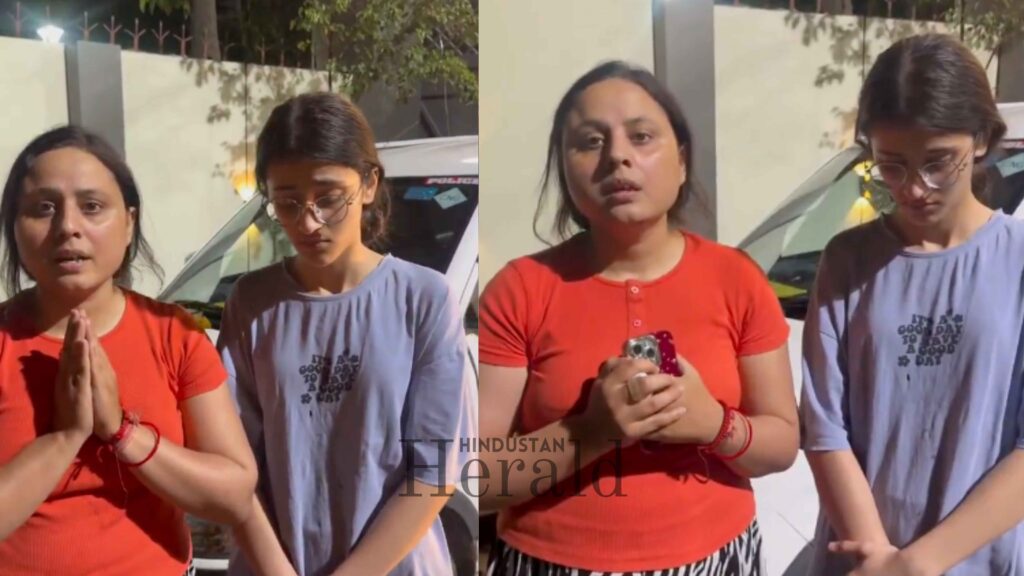
That image does not require embellishment.
The Bigger Picture in UP
Uttar Pradesh consistently figures among the states with the highest reported crimes against women in National Crime Records Bureau data. That is partly a function of its size, yes. But it is also a reflection of reporting rates, police responsiveness, and whether victims believe they will be taken seriously when they walk through the door of a station like Kavinagar.
The gap between government communication and ground experience is not new in Indian politics. What changes, occasionally, is when that gap becomes visible in a way that is impossible to dismiss. A frightened mother. A shaken 14-year-old. A phone camera held up inside a police station because there was nothing else left to try.
That is the story here. And it should not require a social media post to make it matter.
Stay ahead with Hindustan Herald — bringing you trusted news, sharp analysis, and stories that matter across Politics, Business, Technology, Sports, Entertainment, Lifestyle, and more.
Connect with us on Facebook, Instagram, X (Twitter), LinkedIn, YouTube, and join our Telegram community @hindustanherald for real-time updates.

Regional journalist bringing grassroots perspectives and stories from towns and cities across India.
- Sandeep Verma

- Sandeep Verma
- Sandeep Verma
- Sandeep Verma




 Ananya Sharma