
 By Ananya Sharma and Kavita Iyer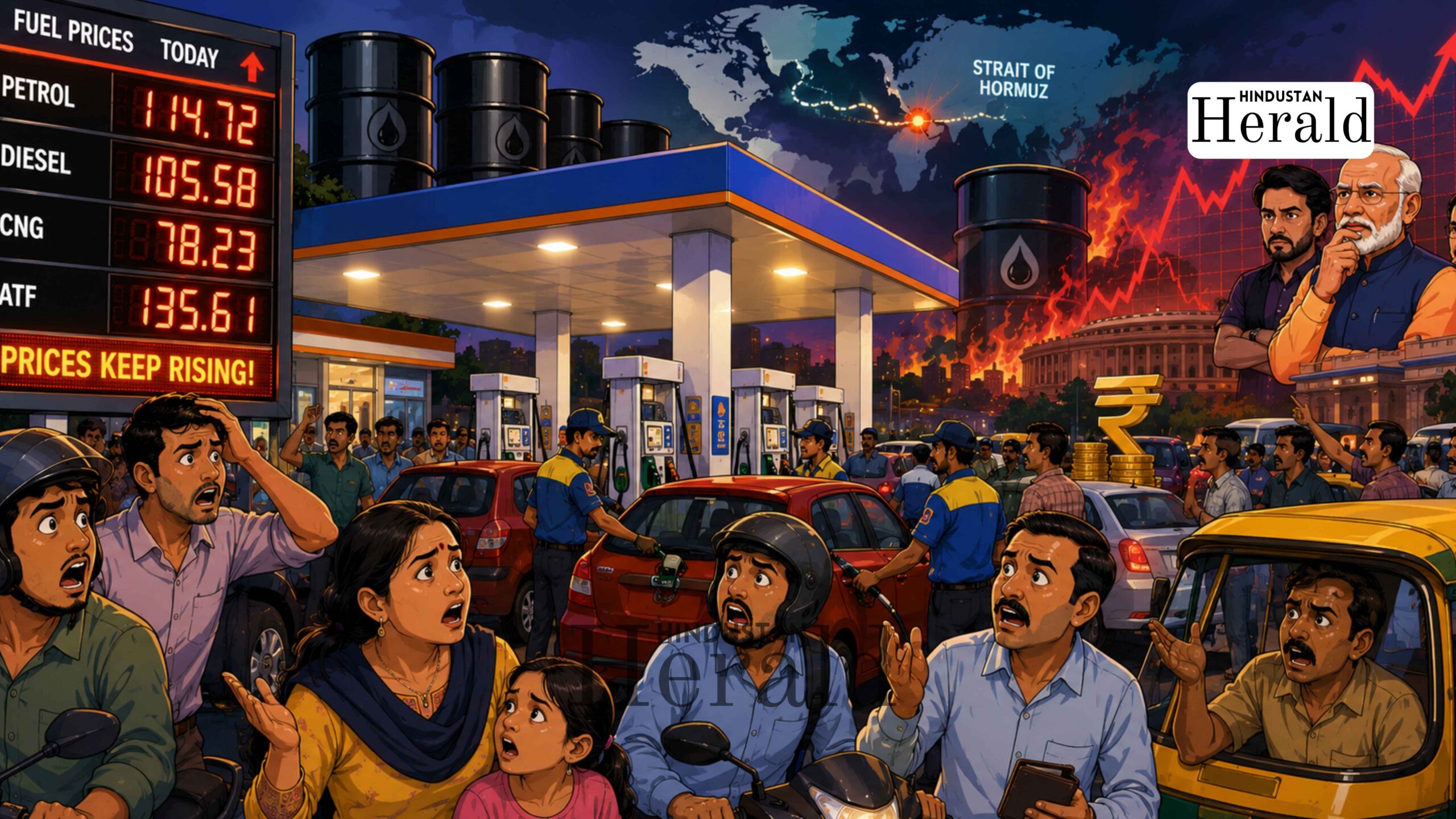
New Delhi, May 15: For 49 months, the price of petrol and diesel at Indian fuel pumps had not moved. Not once. Through two elections, a global inflation spike, a weakening rupee, and mounting losses at state oil companies, the government held the line. It was, depending on your politics, either a remarkable act of economic management or the most prolonged exercise in election-season price suppression that this country has ever seen.
On Friday morning, it ended. Indian Oil Corporation, Bharat Petroleum, and Hindustan Petroleum simultaneously raised petrol and diesel prices by Rs 3 per litre each. The first hike in over four years. In Delhi, petrol crossed Rs 97.77 a litre. Diesel is now Rs 90.67. In Mumbai, petrol sits above Rs 106. Kolkata hit Rs 108.74. Chennai, Rs 103.67. The differences reflect state-level VAT structures, but the pain is roughly uniform and it arrived without warning on a Friday morning.
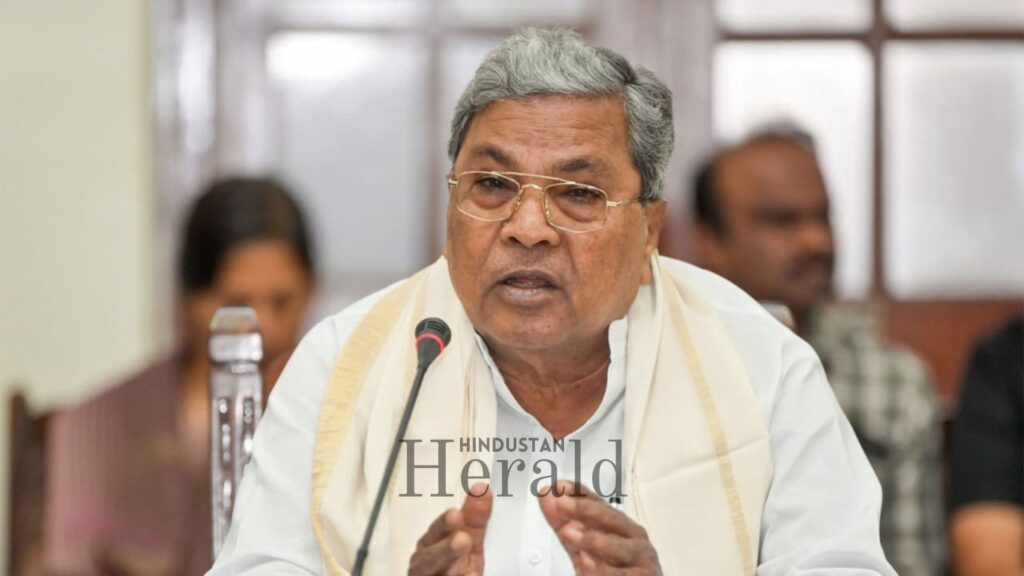
The political explosion that followed was entirely predictable. By afternoon, Karnataka Chief Minister Siddaramaiah was in front of cameras in Bengaluru demanding a rollback. Punjab Congress was calling it a “script” that had been written all along. The Trinamool Congress in Kolkata was asking uncomfortable questions about state VAT revenues. The Samajwadi Party chief posted a bicycle on social media. Everyone had something to say. But beneath the noise, the economic story is both simpler and more worrying than the political theatre suggests.
The War That Broke the Freeze
To understand what happened Friday, you have to go back to the Strait of Hormuz.
When the West Asia conflict escalated and the Hormuz shipping lane through which roughly one-fifth of the world’s fuel supply passes effectively shut down, India found itself in a position it has always dreaded. The country imports over 85 per cent of its crude oil requirement. There is no domestic buffer large enough to absorb that kind of disruption for long. India lost over 40 per cent of its crude oil flows since the Hormuz Strait closed, leaving oil marketing companies bleeding up to Rs 1,000 crore per day as the government kept pump prices artificially low.
The crude oil numbers tell the story starkly. India’s import basket averaged $69 per barrel in February 2026, before the war. By the weeks that followed the conflict’s escalation, that figure had climbed to $113 to $114 per barrel a surge of over 50 per cent. The three PSU oil companies IOC, BPCL, HPCL were selling fuel to Indian consumers at prices set in a different world. A world that no longer existed.
They held on for about eleven weeks. The government clearly did not want to move during the Assam, Kerala, Tamil Nadu, and West Bengal assembly polls. The hike came exactly 16 days after those elections concluded, with fuel prices held steady through the entire polling period despite soaring international crude rates. Private refiner Nayara Energy had already blinked and raised its prices in late March. The PSU companies stood firm until Friday.
The Reserve Bank of India had seen this coming. Governor Sanjay Malhotra had publicly said that raising retail fuel prices was “a matter of time” if the West Asia crisis persisted, adding that prolonged disruptions were beginning to impact India in ways that monetary policy alone could not address. That was not a forecast. It was a warning. And on Friday, it came true.
Three Rupees Is Not the Whole Story
Here is what most people will miss in the outrage cycle: Rs 3 is almost nothing compared to what the correction actually should have been.
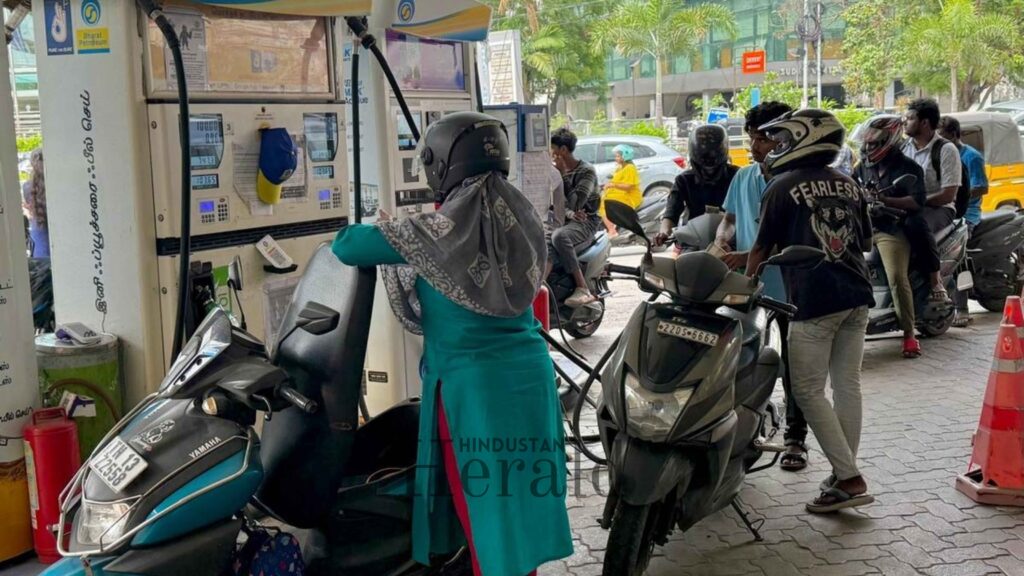
Industry sources say the hike, at 3.2 to 3.4 per cent, is only about one-tenth of the full correction needed to account for the surge in global crude since the West Asia war began. Analysts at Kotak Institutional Equities had estimated last month that the gap between market price and pump price had grown to somewhere between Rs 25 and Rs 28 per litre. As per Bloomberg, retailers were losing Rs 10 billion daily on fuel sales even as the Middle East war continued squeezing supply. The oil ministry had reportedly told Reuters that companies were losing Rs 100 per litre on diesel alone.
So what Friday actually represents is a politically managed partial correction a signal that the government acknowledges the problem, but is not yet willing to absorb the full political cost of fixing it in one go. Whether a second hike follows depends on how the conflict plays out, how the rupee moves, and whether the government can afford to wait through another political calendar before moving again.
Industry sources described the Friday hike as calibrated enough to partially ease margin pressure on oil companies without creating a major inflationary shock. That framing is careful, and probably accurate. But it also leaves unanswered what happens to the remaining Rs 22-odd per litre gap if crude prices do not fall.
“They Knew It. They Waited.”
Siddaramaiah was not surprised. He said as much.
Speaking to reporters in Bengaluru, the Karnataka Chief Minister said: “We had been saying from the beginning that petrol and diesel prices would increase after the elections. BJP leaders criticised us even for a slight increase in fuel prices in Karnataka, despite our rates being lower than those in neighbouring states.” He called on Prime Minister Narendra Modi to roll back the hike immediately, saying there was no compelling reason for it at this point. He also dragged in LPG cylinder prices for context noting that when BJP came to power, an LPG cylinder cost around Rs 413, and today it has crossed Rs 1,000.
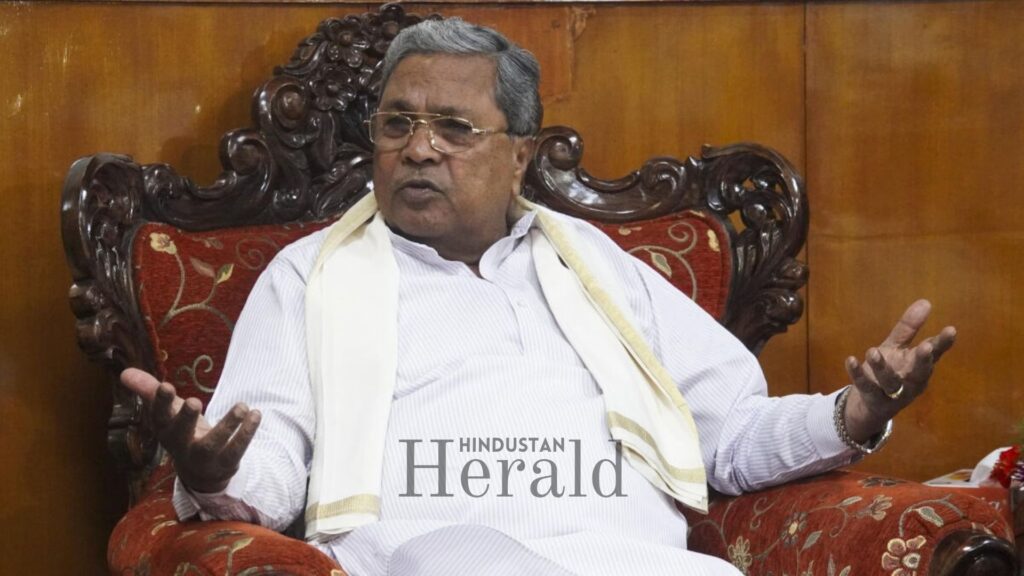
That is a political argument more than an economic one, and Siddaramaiah knows the distinction. But it lands because ordinary households feel it. The cumulative weight of cooking gas, transport costs, and now fuel prices is real, and it sits on family budgets in ways that macroeconomic reassurances do not address.
In Punjab, the reaction was sharper. Congress president Amrinder Singh Raja Warring went straight for the jugular. He said the government “first lectures citizens to use less cars, then runs PR campaigns showing smaller PM convoys, and now quietly hikes petrol and diesel prices by Rs 3 per litre.” His conclusion: “BJP doesn’t reduce inflation, it manages headlines.”
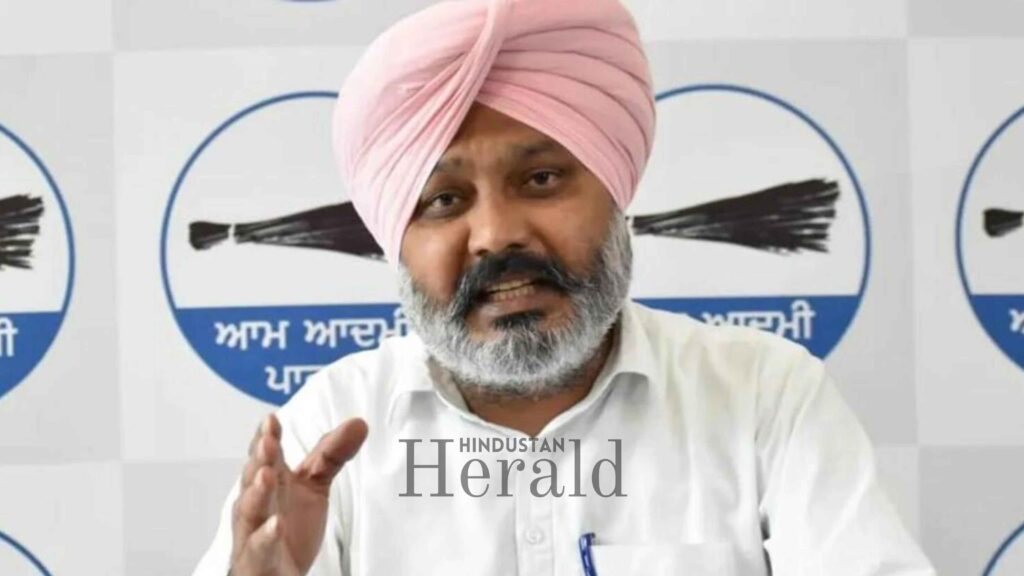
AAP’s Punjab Finance Minister Harpal Singh Cheema called it the BJP’s “anti-farmer and anti-people face” laid bare. In West Bengal, Trinamool’s Derek O’Brien raised a more specific question whether the state government, now under what he described as Delhi-controlled administration after the recent elections, would reduce VAT on petrol and diesel in response. It is a pointed question that also doubles as a political jab, and it remains unanswered.
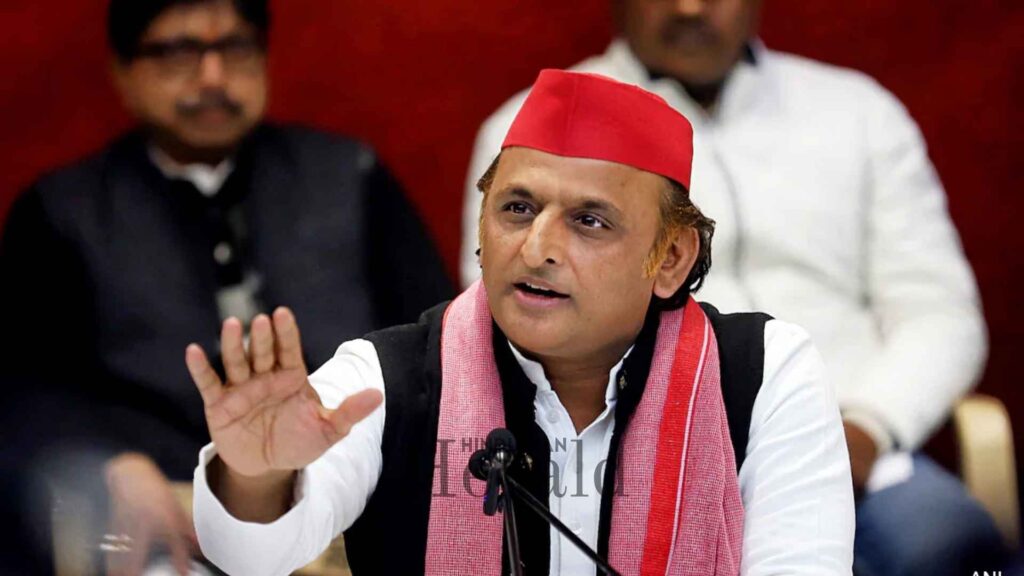
Samajwadi Party chief Akhilesh Yadav kept it dry. He posted an image of himself on a bicycle with a Hindi caption that roughly translates to: “If one has to move forward, then a bicycle is the only option.” The bicycle happens to be the SP’s election symbol. The humour was deliberate.
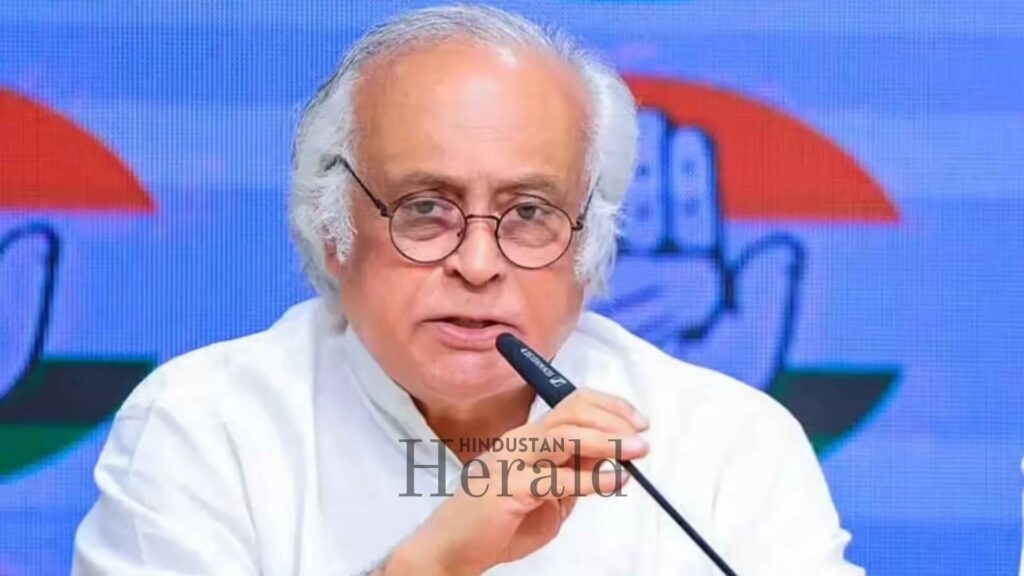
Congress leader Jairam Ramesh raised an older grievance that for years when international crude prices were falling, the party had demanded those savings be passed on to consumers, and the government had consistently refused. The benefit was absorbed. The burden is now being shared.
What This Actually Does to Your Life
Politics aside, the inflation question is real and deserves sober attention.
India’s retail inflation, measured by the Consumer Price Index, had already risen to 3.48 per cent in April 2026 from 3.40 per cent in March. That is not an alarming number in isolation, but a Rs 3 per litre fuel hike does not stay at the petrol pump. It moves through the economy into freight charges, agricultural input costs, the price of vegetables transported from farms to mandis, the cost of manufacturing, the running expenses of small businesses that depend on diesel-powered vehicles and generators.
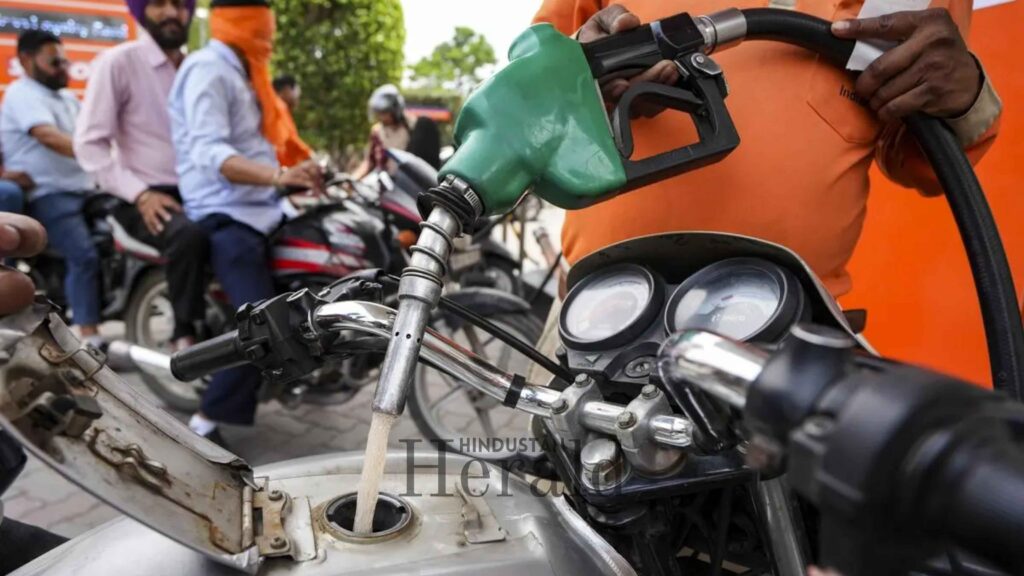
The effect takes time, but it is reliable. According to The Week, research suggests fuel price shocks in India produce significant second-round inflationary effects through transport and input costs, with the pass-through typically completing within two to three months of the initial change. In practical terms, that means households across the country are likely to feel the full downstream effect of Friday’s hike somewhere in July or August 2026.
Jateen Trivedi, VP Research Analyst at LKP Securities, put it plainly as reported by India TV News: “The hike reflects the pressure of elevated global crude oil prices and rising import costs on the government’s fiscal position. While it may temporarily add to inflation concerns and impact transportation and consumption costs, it also indicates the government’s focus on managing fuel subsidies and protecting forex reserves amid ongoing global uncertainty. In the longer term, such moves may further accelerate the push towards EV adoption and reduced dependence on imported fuel.”
The EV point is worth holding onto. Every time fuel prices jump in India, the conversation around electric vehicles picks up briefly before fading. This time, with the geopolitical backdrop making another hike entirely plausible, the nudge toward alternatives could be stickier than usual.
The Bigger Fear: This Is Not the Last One
India’s GDP growth is forecast to slow to 6.7 per cent in fiscal 2026-27 from 7.7 per cent last year, with analysts warning that further fuel price hikes are likely in Q2 if the Middle East conflict drags on. The rupee has been under sustained pressure. Foreign investors have pulled back from Indian equities through the early months of 2026. The macroeconomic environment is not comfortable, and fuel pricing sits right at its most sensitive point.
The Rs 3 hike on Friday plugs a small hole in a very large dam. The oil companies remain underwater on their per-litre costs by a wide margin. Unless global crude prices fall significantly and the Hormuz situation resolves, the pressure will build again. And when it does, the government will face the same choice it faced this week how much pain to pass on, and when.
For now, at petrol pumps in Delhi, Mumbai, Jaipur, Bengaluru, and every town in between, the number on the board is higher than it was on Thursday. After 49 months of standing still, the meter has moved. Whether it stops at Rs 3 or keeps going is a question that nobody in Petroleum Bhavan is ready to answer publicly just yet.
Stay ahead with Hindustan Herald — bringing you trusted news, sharp analysis, and stories that matter across Politics, Business, Technology, Sports, Entertainment, Lifestyle, and more.
Connect with us on Facebook, Instagram, X (Twitter), LinkedIn, YouTube, and join our Telegram community @hindustanherald for real-time updates.

Covers Indian politics, governance, and policy developments with over a decade of experience in political reporting.
- Ananya Sharma

- Ananya Sharma
- Ananya Sharma
- Ananya Sharma




Former financial consultant turned journalist, reporting on markets, industry trends, and economic policy.
- Kavita Iyer
- Kavita Iyer
- Kavita Iyer
- Kavita Iyer




 Shelesh Joshi and Rajiv Menon
  Sandeep Verma